What sets a strong Components & Metals manufacturer apart
Author
Date Published
Reading Time
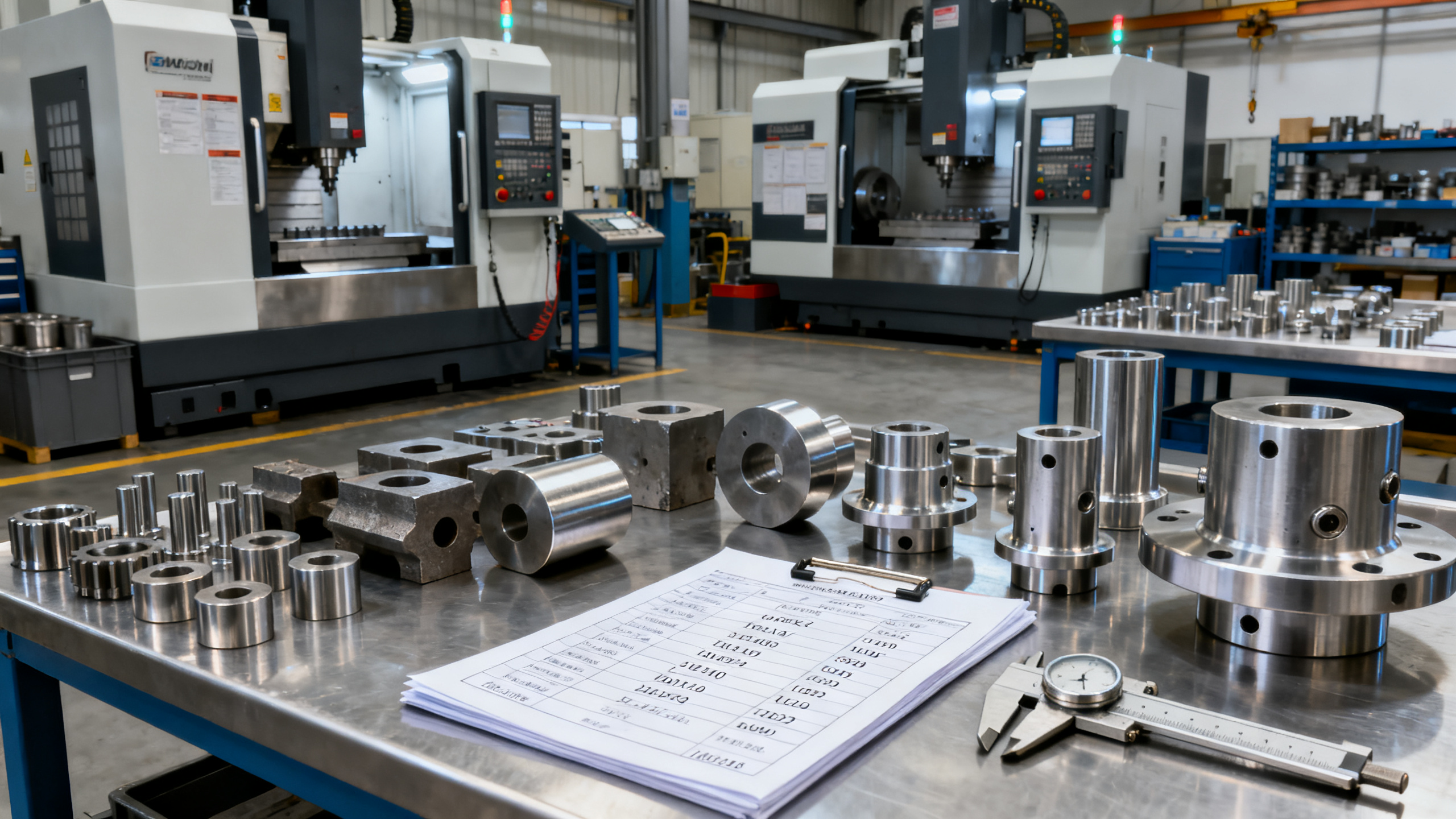
Choosing the right Components & Metals manufacturer can determine whether a project delivers long-term performance or costly setbacks. For researchers comparing suppliers, the real difference lies beyond price—material integrity, compliance, production precision, and supply reliability all shape industrial success. This article explores the qualities that distinguish strong manufacturers in today’s demanding global market.
In industrial procurement, a weak supplier can create chain reactions: delayed commissioning, failed inspections, premature wear, and unplanned replacement cycles. A strong Components & Metals manufacturer reduces those risks by combining engineering discipline, controlled production, and dependable communication from quotation to after-sales support.
For EPC contractors, facility managers, and sourcing teams, the evaluation process usually spans 4 core questions: Can the supplier meet specification, can it prove consistency, can it deliver on time, and can it support the product after shipment? The most capable manufacturers answer all 4 with evidence rather than promises.
Core traits of a strong Components & Metals manufacturer
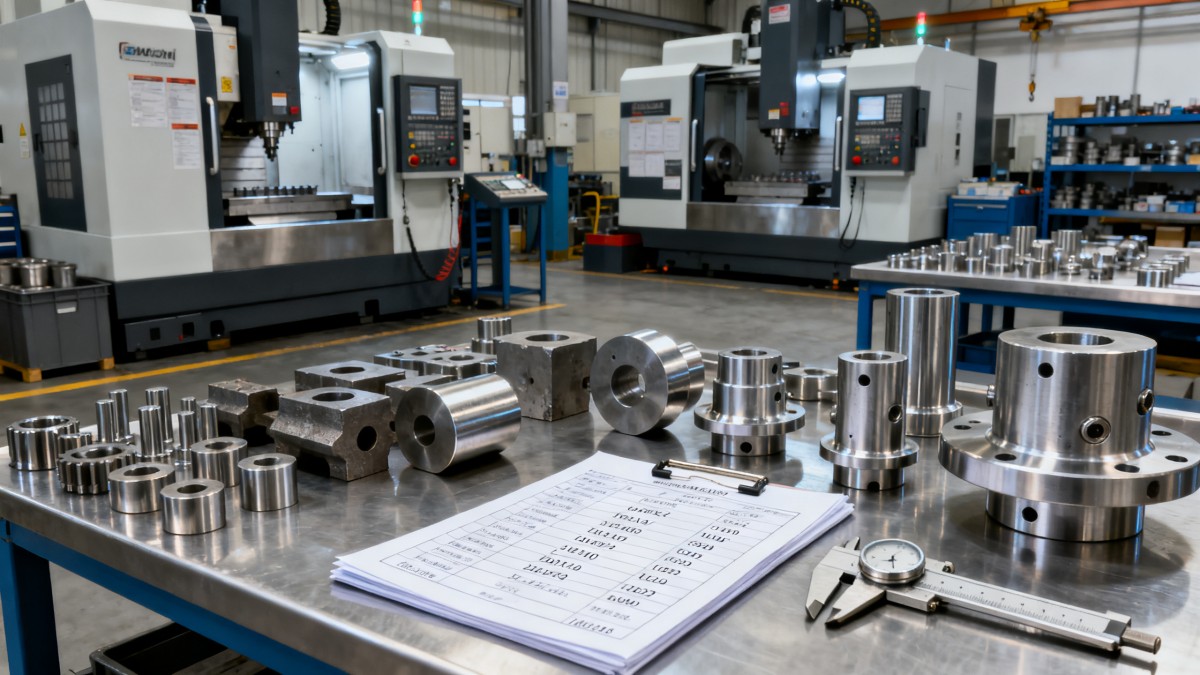
A reliable Components & Metals manufacturer stands out through repeatability. In heavy industry, one acceptable batch is not enough. Buyers need confidence that the 10th shipment will match the 1st in chemistry, hardness, dimensions, and finishing quality, especially when tolerances fall within ±0.05 mm to ±0.20 mm.
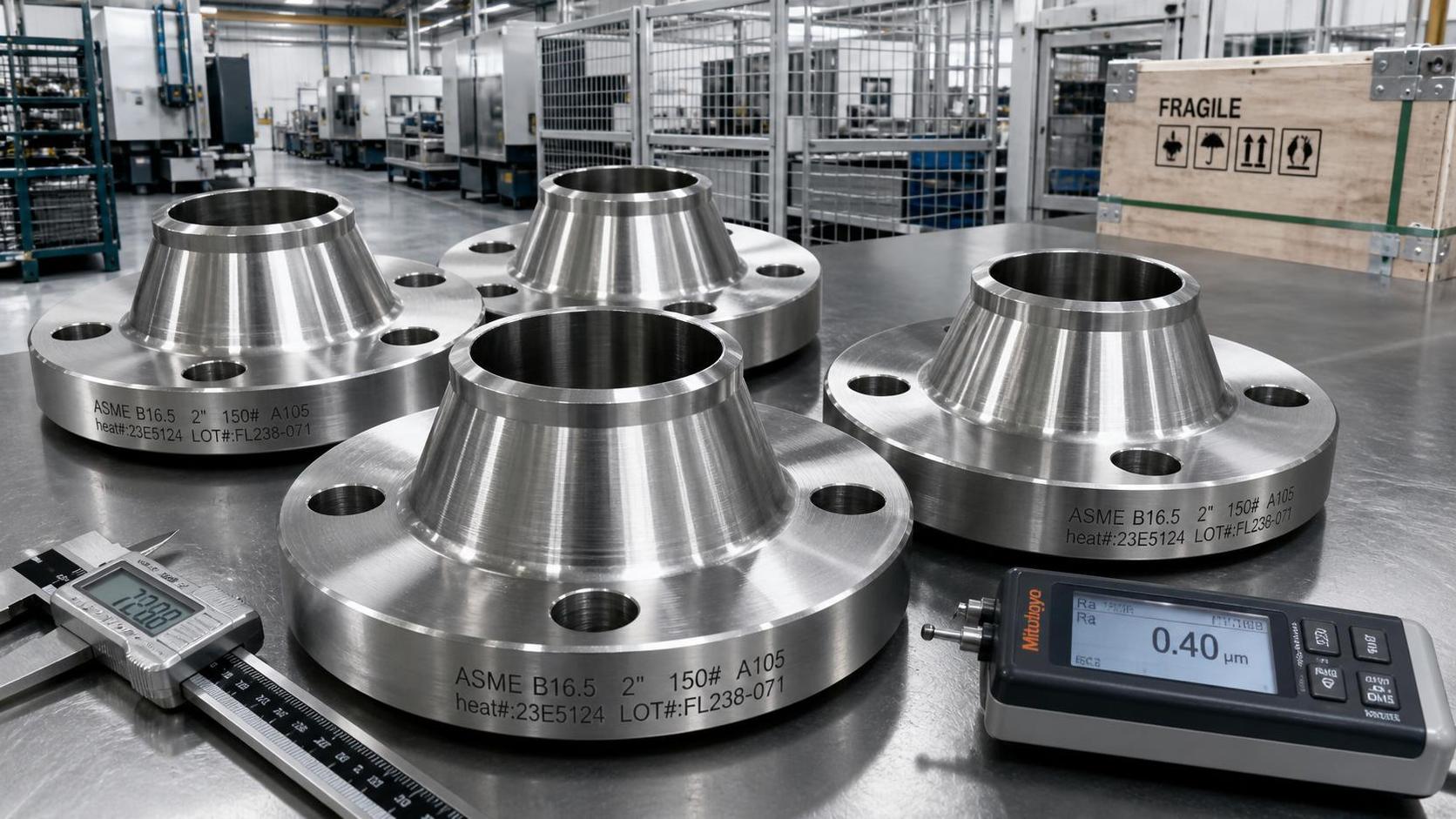
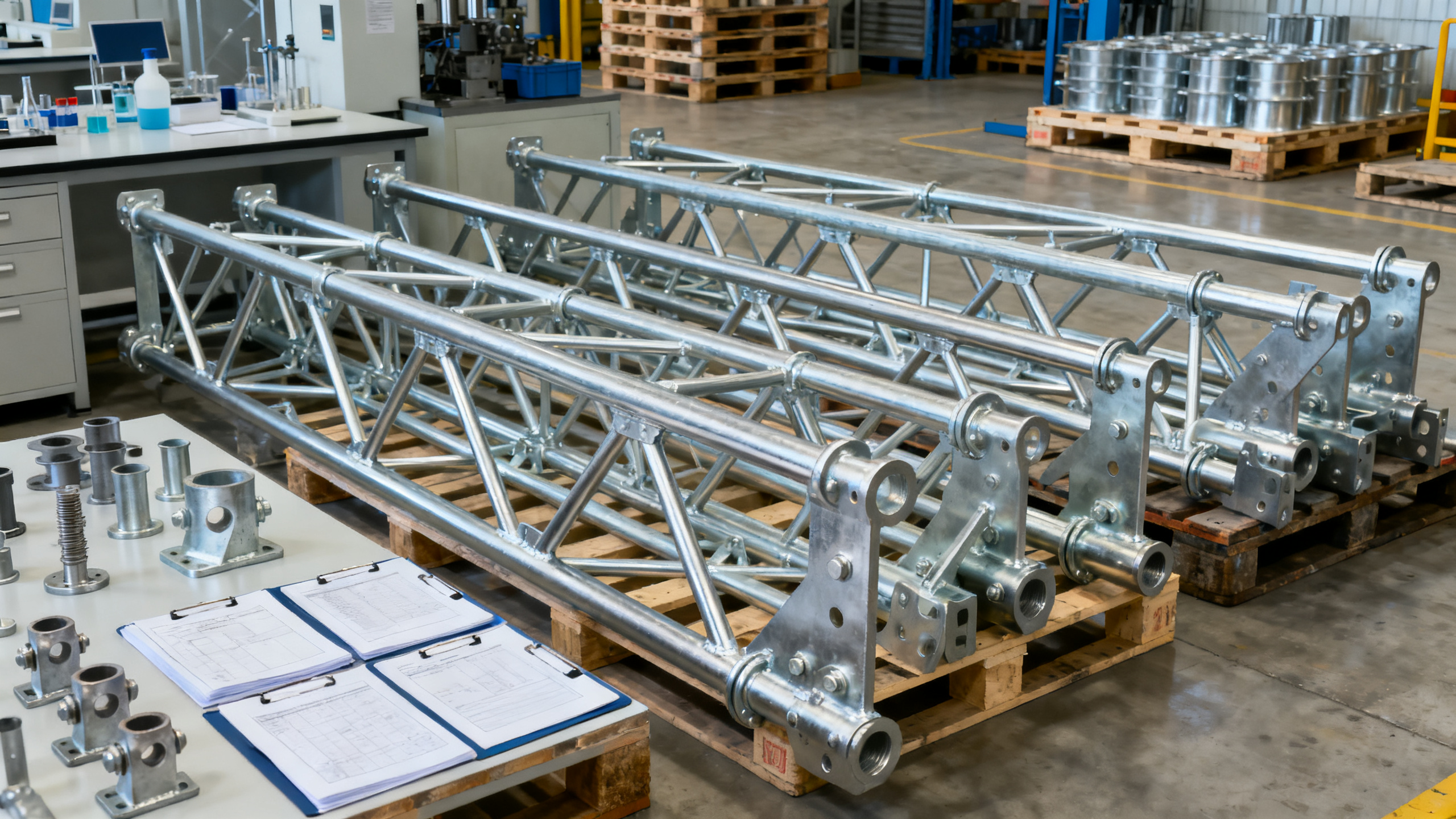
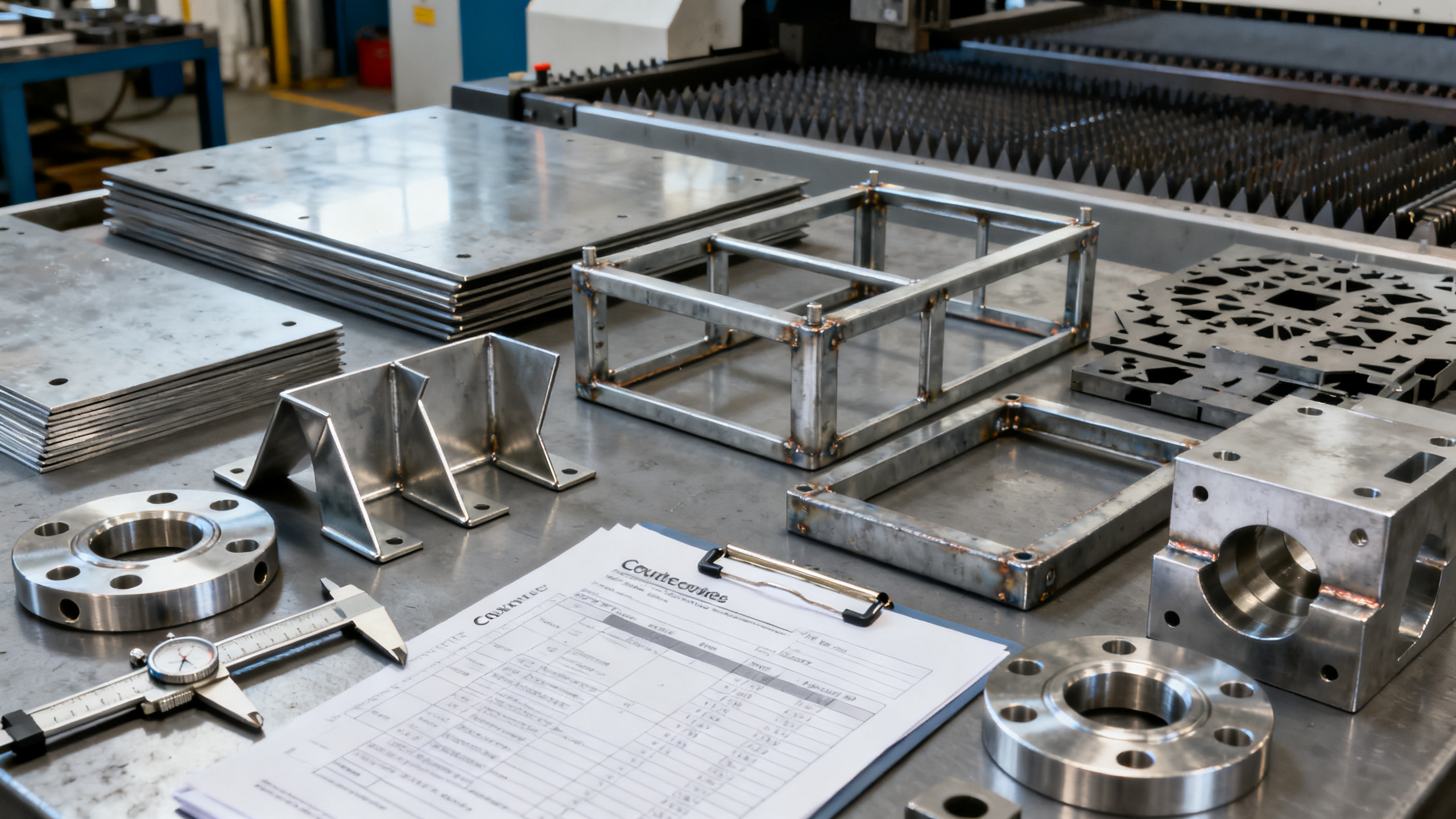
This matters across castings, forgings, machined parts, fabricated assemblies, and metal stock. Whether the application is a pump housing, structural bracket, fastener system, shaft, valve component, or corrosion-resistant plate, the manufacturer must show control over material input, process flow, and final inspection.
Material integrity starts before production
The first sign of a strong supplier is discipline in raw material sourcing. Good manufacturers do not simply buy metal by grade name. They verify heat numbers, maintain traceability records, and review mill test certificates for each lot. In many projects, traceability must be maintained for 12 to 36 months after delivery.
For critical environments, material selection affects lifecycle cost more than initial purchase price. Stainless steel, carbon steel, aluminum, copper alloys, and specialty metals all behave differently under heat, pressure, vibration, moisture, and chemical exposure. The right manufacturer can explain these trade-offs clearly and early.
What researchers should verify
- Availability of material certificates and heat traceability
- Control of hardness, tensile strength, and surface finish requirements
- Ability to process multiple grades without cross-contamination
- Documented inspection points for incoming, in-process, and final quality checks
Precision manufacturing is a systems issue
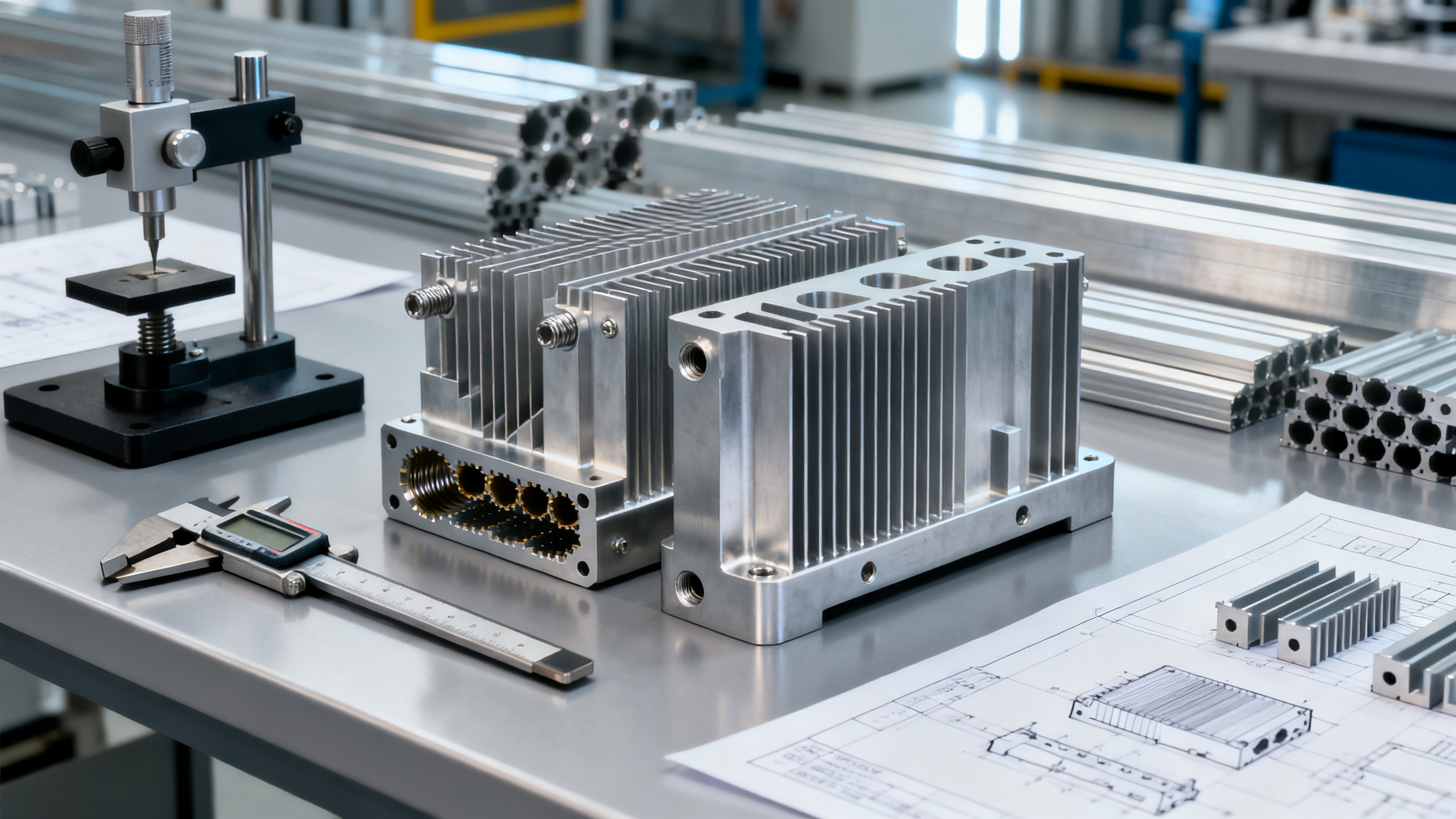
Precision is not only about advanced CNC machines. A strong Components & Metals manufacturer manages fixturing, tool wear, calibration schedules, operator training, and revision control. Even a 0.10 mm deviation can affect sealing performance, alignment, or assembly fit in high-load industrial systems.
Researchers should look for process maturity. That includes drawing review before production, first-article approval, in-process measurement checkpoints, and final dimensional reports. For custom parts, a first sample lead time of 7 to 21 days is common depending on tooling, material availability, and finishing requirements.
The table below summarizes practical differences between weak, average, and strong manufacturing capabilities in the components and metals supply chain.
The key takeaway is that strong manufacturers make quality visible. They do not ask buyers to trust the outcome blindly. They provide documented checkpoints that help procurement teams reduce technical ambiguity before purchase orders become operational risk.
Compliance is a commercial requirement, not paperwork
A dependable Components & Metals manufacturer understands that compliance affects market access, insurance exposure, and project approval. Depending on the product category, buyers may need support for CE-related documentation, ISO-based quality systems, RoHS considerations, or customer-specific test protocols.
The strongest suppliers know what they can certify, what they can test, and what must be validated by a third party. That distinction matters. Overstated compliance claims can create severe liability, especially in power, water treatment, process plants, and safety-sensitive installations.
How to evaluate supplier performance beyond price
Price comparisons often hide the true cost structure of industrial buying. A quote that is 8% lower can become 20% more expensive if it causes rework, missed installation windows, or emergency air freight. Researchers should assess total procurement risk over the full project cycle, not unit cost alone.
The most useful evaluation model includes 5 dimensions: technical capability, quality assurance, delivery reliability, documentation support, and responsiveness. If a supplier scores poorly in even 1 category, the risk may outweigh short-term savings.
Questions that reveal real capability
When screening a Components & Metals manufacturer, researchers should move beyond catalog language. Ask for process-specific answers. Can the supplier machine large and small batches economically? What is the normal MOQ range? How often are gauges calibrated? What is the standard response time for non-conformance issues—24 hours, 48 hours, or longer?
Useful supplier discussions also include practical scenarios. For example, if alloy availability changes, can the supplier propose equivalent grades? If a drawing revision arrives after tooling starts, what happens to cost and lead time? Strong manufacturers usually explain change management in 3 steps: technical review, cost impact assessment, and revised production release.
Recommended screening checklist
- Request sample documentation: inspection report, material certificate, packing list.
- Confirm tolerance capability for the most critical dimensions.
- Review average lead time by product type, such as 2 to 4 weeks for machined parts or 4 to 8 weeks for cast-and-machined assemblies.
- Ask how non-conforming parts are isolated, reported, and corrected.
- Verify whether the supplier supports preventive packaging for corrosion, impact, and mixed-load transport.
The following comparison table helps researchers prioritize the factors that typically separate an acceptable quote from a strong long-term sourcing option.
A strong Components & Metals manufacturer usually performs well because its processes are linked. Delivery reliability improves when sourcing, machining, finishing, packaging, and documentation are coordinated rather than managed as isolated functions.
Supply reliability is a hidden differentiator
For many buyers, reliability only becomes visible when something goes wrong. Yet stable supply is one of the clearest marks of manufacturing strength. Good suppliers identify long-lead materials early, communicate production bottlenecks, and recommend realistic order windows, often 30 to 60 days ahead for repeat industrial demand.
This is especially important for projects spanning multiple regions. Export packaging, customs documentation, anti-corrosion protection, and mode selection can change final delivery outcomes significantly. A manufacturer that understands logistics constraints can prevent damage, shortage claims, and line-side delays.
Engineering support improves sourcing outcomes
Strong manufacturers do more than build to print. They also help buyers refine manufacturability. In some cases, a small design change—such as adjusting a corner radius, standardizing hole sizes, or selecting a more available grade—can shorten production by 5 to 10 days and lower scrap risk.
For information researchers, this engineering support is a valuable signal. It shows the supplier understands practical production constraints and is capable of partnership, not only transaction. That becomes critical when projects scale from prototype to pilot batch to recurring production volumes.
Common sourcing mistakes and how to avoid them
One common mistake is choosing a Components & Metals manufacturer based on broad product range alone. A supplier may list dozens of categories but still lack deep control over the specific process your application requires, such as heat treatment sequencing, tight-tolerance machining, or corrosion-resistant finishing.
Another error is overlooking document quality. In global procurement, missing certificates, inconsistent labeling, or incomplete packing data can delay receiving, inspection, and customs clearance. These issues may add 3 to 7 days even when the physical goods are produced correctly.
Red flags during supplier research
- Quotations with no mention of tolerance, finish, or inspection scope
- Unclear answers on material traceability or test documentation
- Lead times that seem unusually short without explanation of capacity
- No process for handling drawing revisions or quality deviations
- Generic claims of compliance without defining applicable standards
A practical decision framework
Researchers can reduce uncertainty by scoring each Components & Metals manufacturer across 5 weighted categories: 30% technical fit, 25% quality control, 20% delivery reliability, 15% documentation, and 10% communication speed. The exact weighting may change, but the framework helps teams compare suppliers consistently.
It is also useful to separate prototype risk from serial production risk. A supplier that performs well on 20 pieces may struggle at 2,000 pieces if fixture strategy, process stability, or subcontractor coordination is weak. Capacity proof should match the order stage being evaluated.
Why strong manufacturers gain long-term preference
Over time, buyers favor suppliers that reduce friction. A strong Components & Metals manufacturer shortens clarification cycles, prevents avoidable defects, and supports future planning with better forecasts and revision control. That operational value often matters more than a narrow per-unit savings comparison.
In industrial sectors where equipment uptime, safety, and compliance matter, the manufacturer becomes part of the project’s risk management structure. The best suppliers understand this role and build trust through evidence, consistency, and technical transparency.
The difference between an average supplier and a strong Components & Metals manufacturer is rarely one dramatic feature. It is the combination of verified materials, precise process control, disciplined documentation, realistic lead times, and responsive engineering support. For researchers evaluating the market, those qualities offer a far clearer signal than price alone.
Global Industrial Core helps industrial buyers and sourcing teams assess suppliers with a sharper focus on compliance, reliability, and technical fit across mechanical components and metallurgy applications. If you are comparing manufacturers, planning a sourcing strategy, or reviewing procurement risk, contact us to explore tailored insights, evaluate supplier options, and learn more solutions for resilient industrial purchasing.
Technical Specifications
- How to Select Electronic Hotel Key Card Locks for Guest Rooms and Staff AreasAuthor :Safety Compliance Lead
- How to Select Lab Instruments for Reliable Chemical Analysis WorkflowsAuthor :Precision Metrology Expert
- How to Size a UPS for Server Rooms: Load, Runtime, and Redundancy FactorsAuthor :Grid Infrastructure Analyst
Expert Insights

Chief Security Architect
Dr. Thorne specializes in the intersection of structural engineering and digital resilience. He has advised three G7 governments on industrial infrastructure security.
Related Analysis
- Sep 17, 2026How to Select Electronic Hotel Key Card Locks for Guest Rooms and Staff AreasAuthor :Safety Compliance Lead
- Sep 16, 2026How to Select Lab Instruments for Reliable Chemical Analysis WorkflowsAuthor :Precision Metrology Expert
- Sep 15, 2026How to Size a UPS for Server Rooms: Load, Runtime, and Redundancy FactorsAuthor :Grid Infrastructure Analyst
Core Sector // 01
Security & Safety
- Stainless Steel Welded Tube Applications: Matching Tube Supply to Fabrication NeedsAuthor :Heavy Industry Strategist

- What Maintenance Do Furnace Components Need After 18 Months?Author :Heavy Industry Strategist

- How to Assess Metal Materials for Thermal Cycling in Power BoilersAuthor :Heavy Industry Strategist

- How to Evaluate Aluminum Extrusion Suppliers for Tight-Tolerance Components?Author :Heavy Industry Strategist

- How to Evaluate a Weld Neck Flange Manufacturer for High-Pressure Pipe ProjectsAuthor :Heavy Industry Strategist

- EU REACH Ban Hits Cr(VI)-Coated Steel ImportsAuthor :Heavy Industry Strategist
-Coated Steel Imports")
- How to Evaluate a Heat Sink Aluminum Profile Supplier for Custom Thermal ProjectsAuthor :Heavy Industry Strategist

- Industrial Metal Fabrication Components Price: What Drives Cost and How to Compare QuotesAuthor :Heavy Industry Strategist