Vietnam Sets Provisional Duties on Chinese Steel Profiles
Author
Date Published
Reading Time
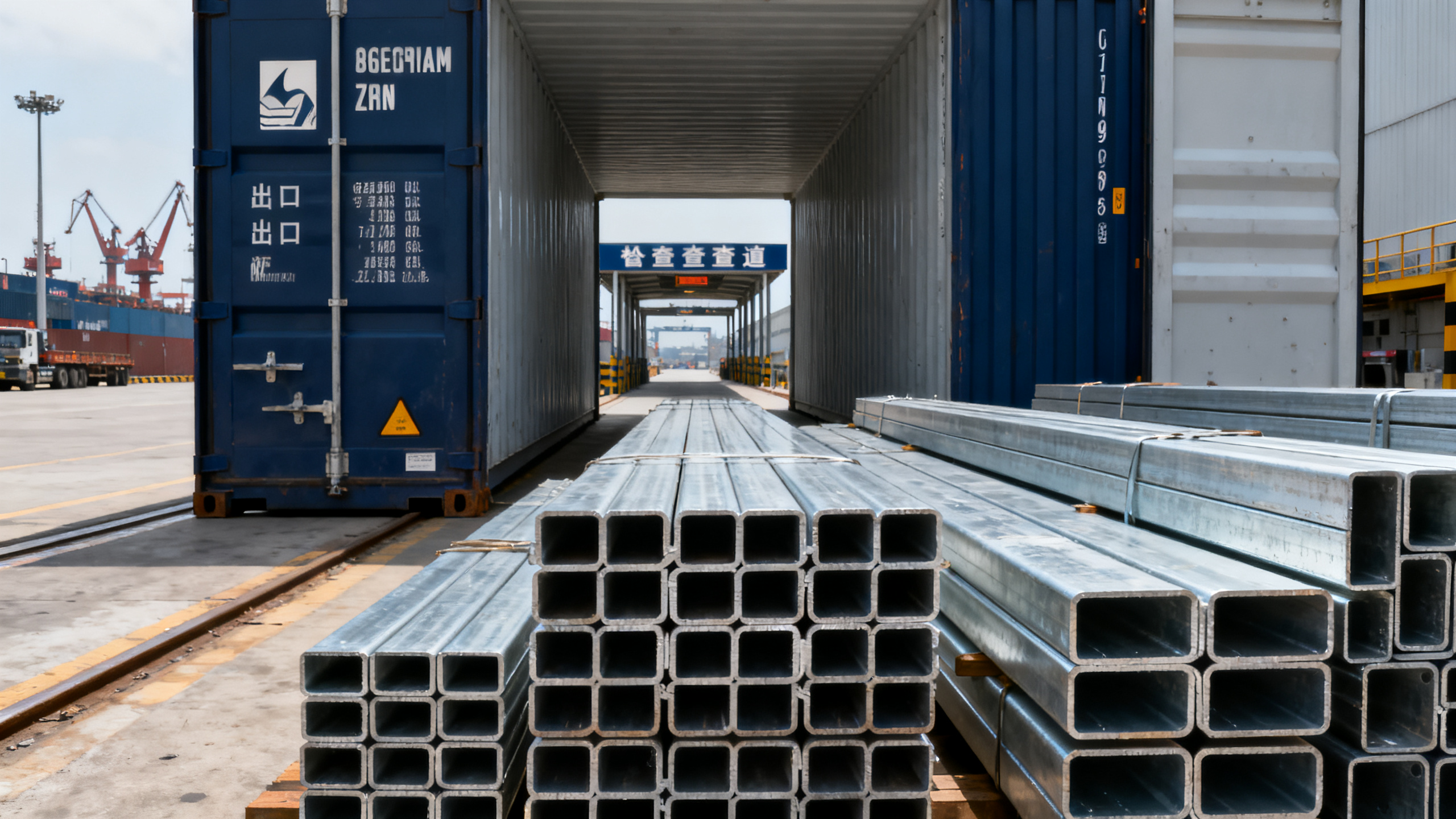
On 12 July 2026, Vietnam moved to apply provisional anti-dumping duties on imported steel profiles from China, putting immediate attention on cross-border steel trade, project procurement, and customs execution. For companies dealing in hollow sections and structural shapes under HS 7301-7308, the development matters not only because landed costs are rising, but also because longer clearance timelines can affect delivery planning and contract performance in the Vietnam market.
What the measure covers
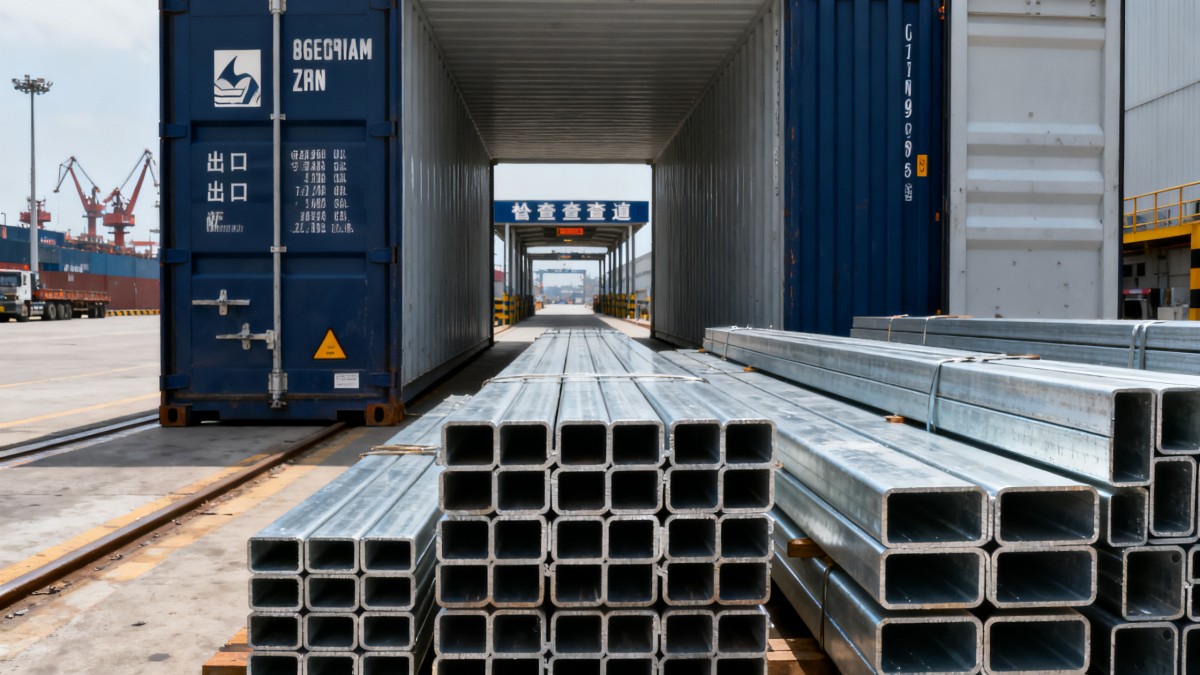
Vietnam’s Ministry of Industry and Trade (MOIT) has imposed provisional anti-dumping duties ranging from 18.7% to 32.4% on steel profiles originating in China, effective 12 July 2026. The products referenced fall under HS 7301-7308, and the measure specifically targets hollow sections and structural shapes. According to the information provided, the action was taken on the basis of claimed material injury to domestic producers in Vietnam. Importers in Vietnam are now facing higher landed costs as well as extended customs clearance timelines.
Where the pressure is likely to appear first
Imported steel trading flows face direct cost pressure
From an industry perspective, direct trading companies handling covered steel profiles are likely to feel the impact first because the duty applies at import stage. The most immediate pressure points are import pricing, order profitability, and shipment timing. What deserves closer attention is whether existing quotations, contracts, and delivery commitments can still hold under the new duty range and slower clearance process.
Procurement teams may need to reassess delivery assumptions
For buyers and procurement functions in Vietnam, the issue is not only a higher purchase cost. Extended customs timelines can also affect expected receipt dates for hollow sections and structural shapes. In practical terms, procurement planning, stock timing, and supplier communication become more sensitive when clearance duration becomes less predictable.
Manufacturing and project execution may see scheduling friction
Processing manufacturers and end-use businesses that depend on imported structural steel products may be affected through material arrival timing and cost pass-through. Analysis shows that even where the policy is applied at import level, downstream operations may still need to adjust production sequencing, delivery windows, or budgeting assumptions if covered products are part of committed schedules.
Supply chain service providers need closer document and clearance coordination
Logistics, customs, and related service providers may see the impact through documentation review, customs handling, and client coordination. Observably, when duties and clearance timelines change at the same time, service quality becomes tied more closely to classification accuracy, paperwork readiness, and communication on timing risks.
What companies should monitor now
Watch for any further official clarification
Because the measure is described as provisional, companies should closely monitor subsequent official language, scope interpretation, and any procedural updates issued in connection with the measure. The practical effect of a trade remedy often depends on how product coverage and implementation details are applied in actual import processing.
Review product scope against HS 7301-7308 exposure
Businesses should examine whether their traded or procured items fall within the referenced HS range and whether they match the targeted categories of hollow sections and structural shapes. This is a practical checkpoint for traders, buyers, and customs teams because exposure may depend on how goods are described and processed in documentation.
Recalculate landed cost and delivery commitments
What deserves closer attention is the combined effect of duties and slower clearance rather than tariff cost alone. Companies with active shipments, pending tenders, or fixed delivery schedules should reassess landed cost assumptions, lead times, and customer commitments in light of the newly effective measure.
Strengthen supplier and customer communication
For businesses already serving the Vietnam market, timely communication with suppliers, customers, and service providers is likely to matter more than broad strategy statements. Areas worth checking include documentation readiness, expected customs timing, order confirmation terms, and any need for contingency planning around delivery dates.
How this should be read at this stage
Observably, this development already has immediate commercial consequences because the duties are effective from 12 July 2026 and importers are facing higher landed costs and longer clearance timelines. At the same time, it is more appropriate to understand this as a live trade-policy development rather than a fully settled long-term outcome, because the information provided identifies the measure as provisional. Analysis shows that the strongest current signal is operational: companies exposed to Chinese steel profiles in Vietnam need to pay attention to execution, pricing, and timing now, while continuing to monitor how the measure develops.
Why the market still needs to follow it closely
The industry significance of this update lies in its direct effect on the flow of covered steel products into Vietnam and on the practical economics of importing them. It should not be overstated beyond the facts provided, but it also should not be treated as a routine administrative change. At present, it is more appropriate to understand the measure as an immediate short-term business adjustment with possible longer-term relevance if subsequent policy developments reinforce its direction.
Basis of this article
This article is based on the user-provided news title, event date, and event summary regarding Vietnam’s provisional anti-dumping duties on imported steel profiles from China. For this type of industry update, relevant source categories would typically include official government announcements, company disclosures, industry association information, authoritative media reporting, and trade or standards-related documents. A specific official source link was not provided in the input, so the underlying source trail still requires ongoing verification. Continued attention should be given to any later official clarification on scope, implementation, and follow-up developments.
Technical Specifications
- How to Select Electronic Hotel Key Card Locks for Guest Rooms and Staff AreasAuthor :Safety Compliance Lead
- How to Select Lab Instruments for Reliable Chemical Analysis WorkflowsAuthor :Precision Metrology Expert
- How to Size a UPS for Server Rooms: Load, Runtime, and Redundancy FactorsAuthor :Grid Infrastructure Analyst
Expert Insights

Chief Security Architect
Dr. Thorne specializes in the intersection of structural engineering and digital resilience. He has advised three G7 governments on industrial infrastructure security.
Related Analysis
- Sep 17, 2026How to Select Electronic Hotel Key Card Locks for Guest Rooms and Staff AreasAuthor :Safety Compliance Lead
- Sep 16, 2026How to Select Lab Instruments for Reliable Chemical Analysis WorkflowsAuthor :Precision Metrology Expert
- Sep 15, 2026How to Size a UPS for Server Rooms: Load, Runtime, and Redundancy FactorsAuthor :Grid Infrastructure Analyst
Core Sector // 01
Security & Safety
- Stainless Steel Welded Tube Applications: Matching Tube Supply to Fabrication NeedsAuthor :Heavy Industry Strategist

- What Maintenance Do Furnace Components Need After 18 Months?Author :Heavy Industry Strategist

- How to Assess Metal Materials for Thermal Cycling in Power BoilersAuthor :Heavy Industry Strategist

- How to Evaluate Aluminum Extrusion Suppliers for Tight-Tolerance Components?Author :Heavy Industry Strategist

- How to Evaluate a Weld Neck Flange Manufacturer for High-Pressure Pipe ProjectsAuthor :Heavy Industry Strategist

- EU REACH Ban Hits Cr(VI)-Coated Steel ImportsAuthor :Heavy Industry Strategist
-Coated Steel Imports")
- How to Evaluate a Heat Sink Aluminum Profile Supplier for Custom Thermal ProjectsAuthor :Heavy Industry Strategist

- Industrial Metal Fabrication Components Price: What Drives Cost and How to Compare QuotesAuthor :Heavy Industry Strategist