Morocco Extends Safeguards on HR Steel, Cuts China Quota by 23%
Author
Date Published
Reading Time
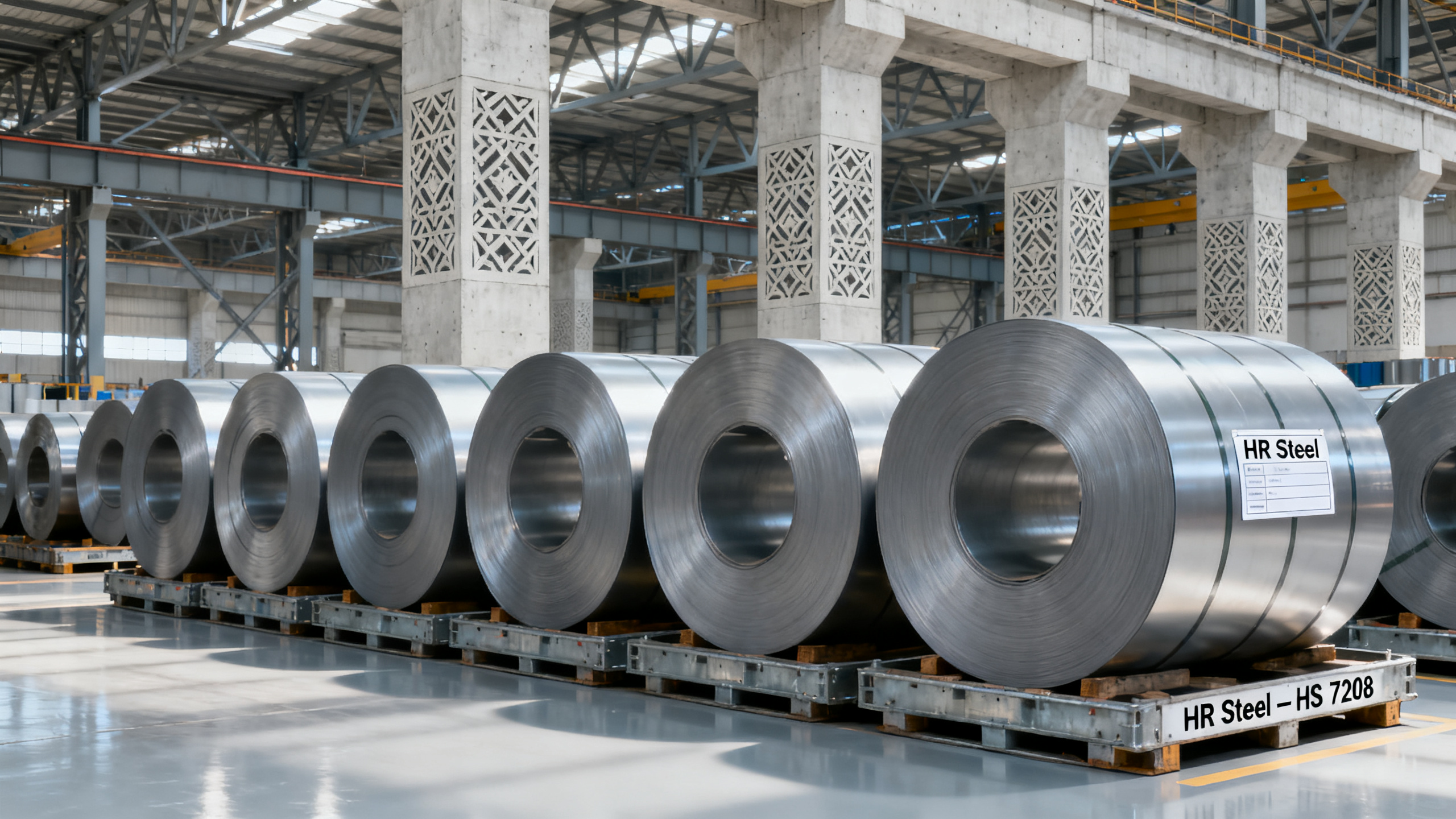
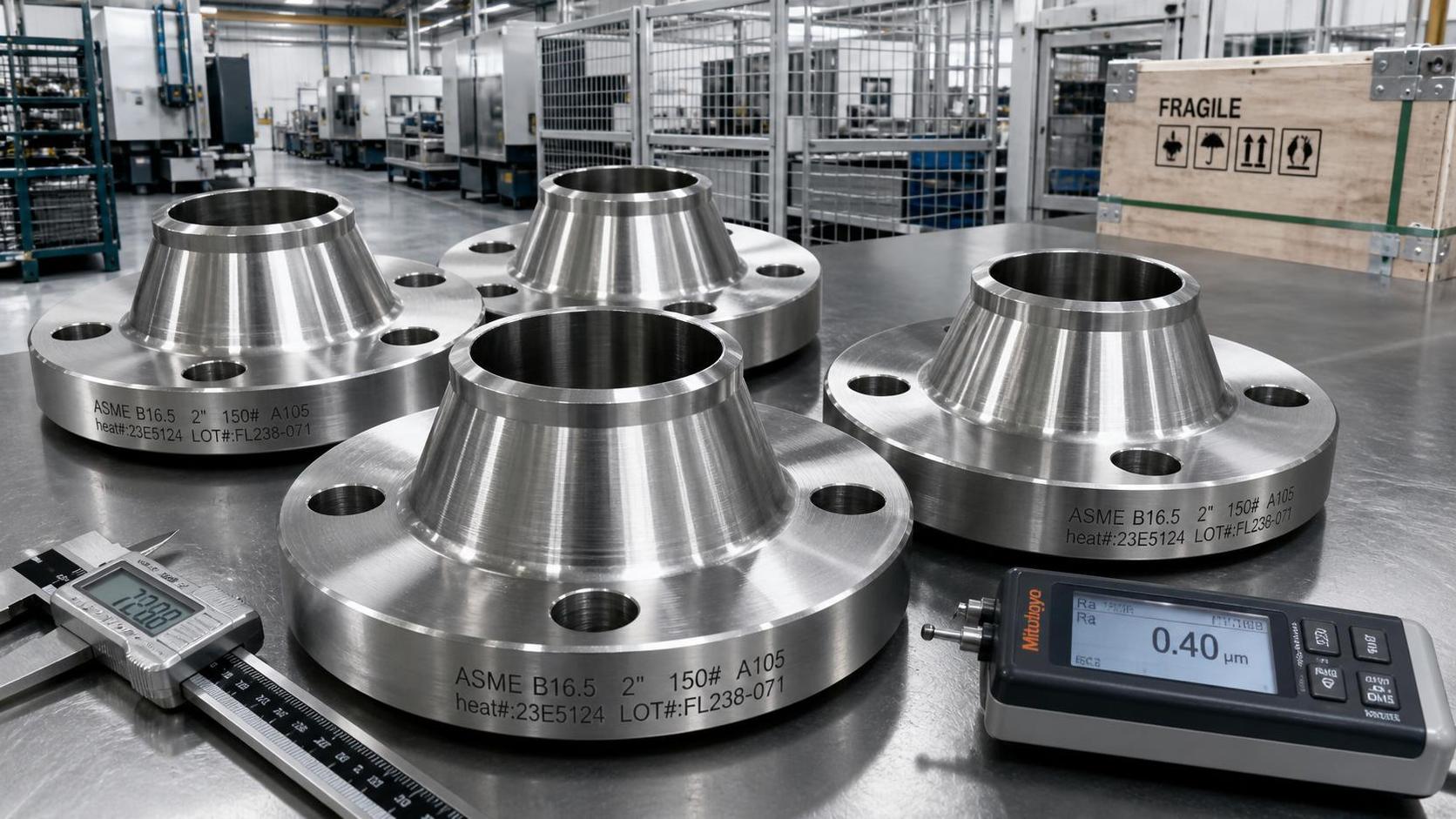
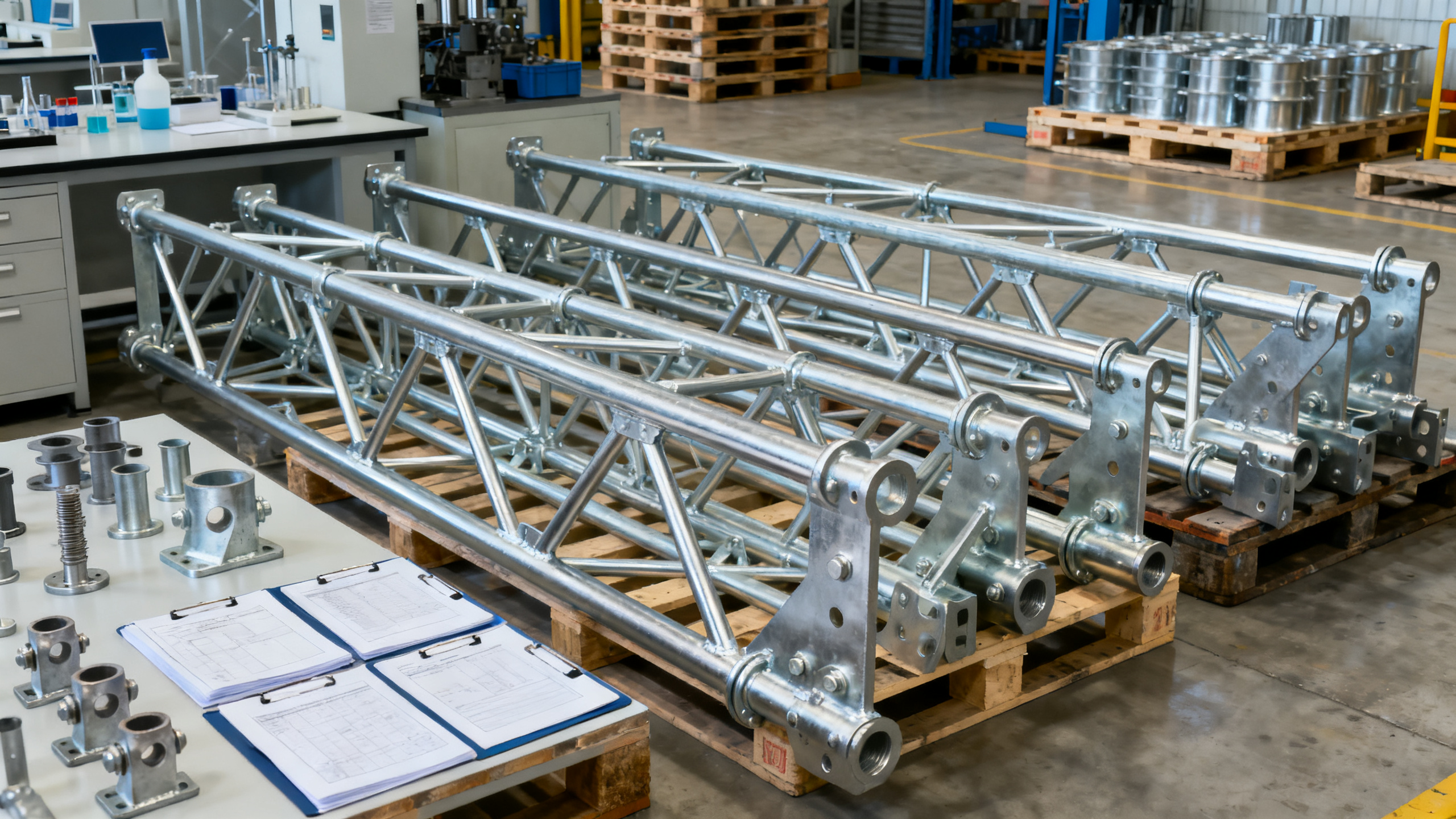
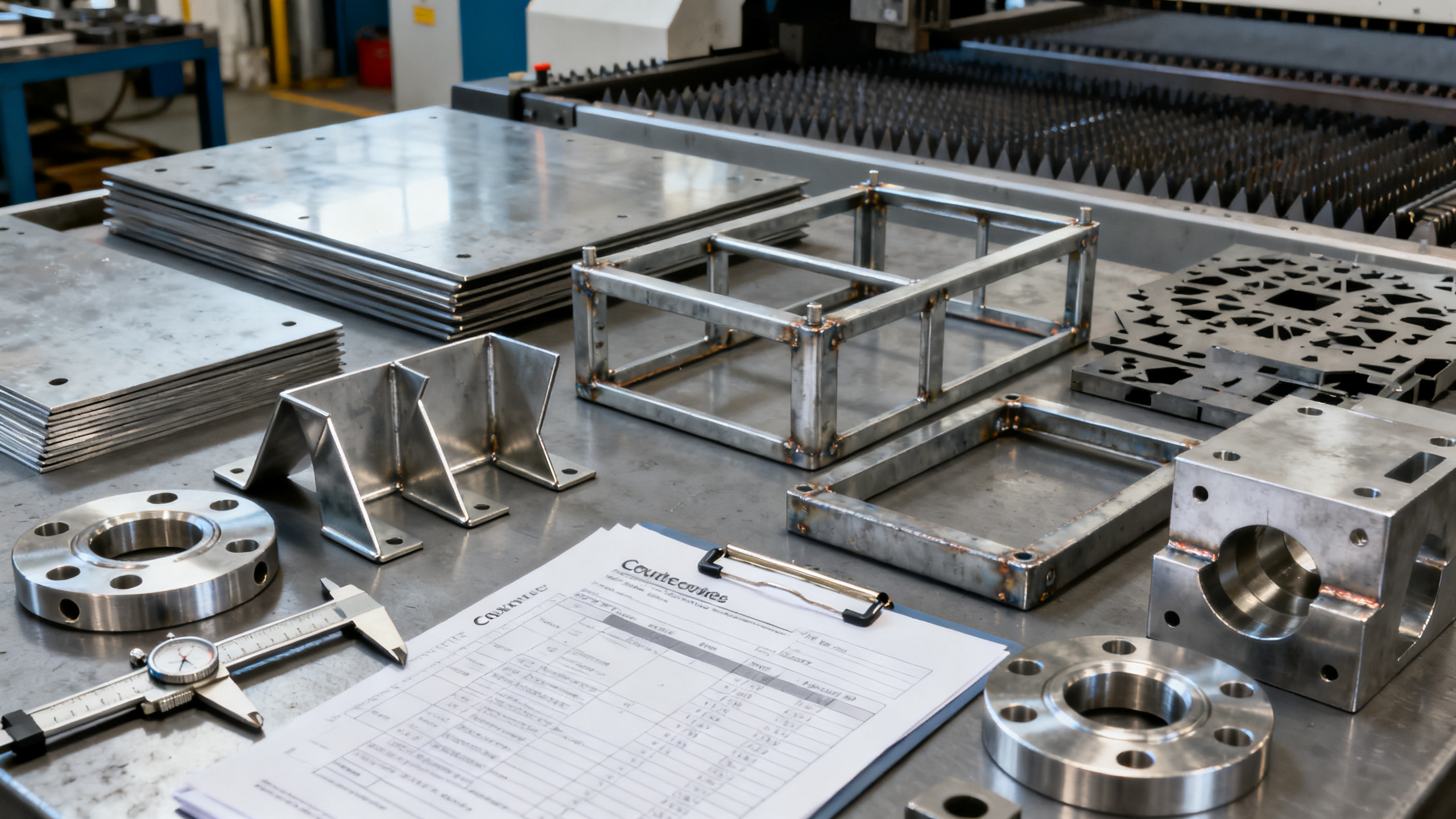
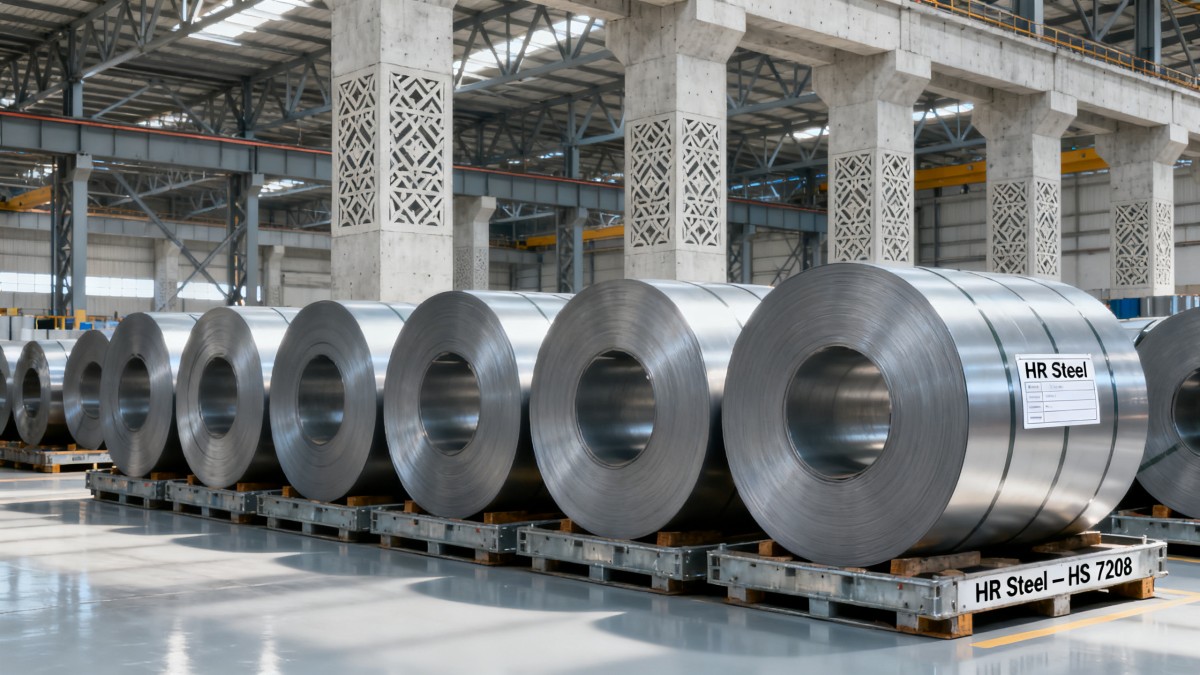
Morocco’s extension of safeguard measures on hot-rolled steel (HS 7208) — announced on May 21, 2026 — signals a tightening regulatory environment for Chinese metal exporters. The move directly affects downstream fabricated products reliant on this base material, including steel and metal profiles, bearings and seals, and power transmission components. Its timing coincides with regional trade recalibrations and growing scrutiny of intermediate goods imports in North Africa.
Event Overview
On May 21, 2026, the Moroccan government announced the extension of safeguard measures on hot-rolled steel originating from China (HS code 7208) through December 31, 2027. Concurrently, the annual import quota allocated to Chinese exporters was reduced by 23%. This adjustment applies specifically to raw and semi-finished hot-rolled steel products and triggers automatic quota reallocations across associated downstream categories under Morocco’s integrated tariff and safeguard framework.
Industries Affected
Direct trading enterprises: Chinese exporters of hot-rolled steel (HS 7208) face immediate quota compression, requiring revised shipment planning, tighter documentation compliance, and potential renegotiation of long-term contracts with Moroccan importers. The 23% reduction is applied at the customs clearance stage, increasing administrative friction and margin pressure.
Raw material procurement firms: Companies sourcing Chinese hot-rolled steel as input for local or regional fabrication — particularly those operating in Morocco, Algeria, or Tunisia — must now secure alternative supply channels or absorb higher landed costs. Lead times are likely to extend due to quota exhaustion risks and increased pre-clearance verification requirements.
Processing and manufacturing enterprises: Producers of steel & metal profiles, bearings & seals, and power transmission structures that rely on Chinese-sourced HR steel as a primary substrate confront dual pressures: rising input costs and constrained production scheduling. Since Morocco’s safeguard regime links quota eligibility to end-use declarations, manufacturers may need to reclassify or certify downstream outputs — adding operational complexity.
Supply chain service providers: Customs brokers, freight forwarders, and trade compliance consultants serving China–Maghreb metal flows will see heightened demand for quota monitoring, origin verification support, and HS code advisory services. The extension also raises the risk of retroactive duty assessments, increasing liability exposure for logistics intermediaries.
Key Considerations and Recommended Actions
Review and adjust export allocation strategies
Chinese hot-rolled steel exporters should reassess quota utilization rates across product subcategories (e.g., thickness, width, surface treatment) to prioritize high-margin, low-volume shipments ahead of annual quota exhaustion. Diversification into non-quota HS codes — where technically feasible and commercially viable — warrants technical validation.
Validate downstream traceability protocols
Manufacturers exporting steel & metal profiles or power transmission assemblies to Morocco must ensure full traceability from HR steel input to finished good, including mill test reports, heat numbers, and purchase invoices. Moroccan customs has indicated stricter enforcement of origin linkage rules effective July 2026.
Assess regional sourcing alternatives
Firms dependent on Chinese HR steel should benchmark availability and landed cost from EU, Turkey, and Egypt-based suppliers — especially given Morocco’s existing free trade agreements with these partners. Note: Turkish-origin HR steel remains exempt from safeguards but subject to anti-dumping duties in select grades.
Engage early with Moroccan trade associations
Participation in the Federation of Moroccan Exporters (FEMEX) and the National Metalworking Industry Association (ANIMETAL) offers access to advance notice of administrative guidance, quota reporting templates, and dispute resolution pathways — particularly valuable amid evolving implementation procedures.
Editorial Perspective / Industry Observation
Observably, Morocco’s decision reflects a broader regional trend: the shift from ad hoc trade defense instruments toward institutionalized, multi-year safeguard frameworks targeting intermediate industrial inputs. Unlike earlier single-product investigations, this extension embeds quota adjustments within a vertically integrated control mechanism — linking raw material imports to downstream fabrication outcomes. Analysis shows this structure incentivizes foreign investment in local finishing capacity rather than discouraging imports outright. From an industry standpoint, the 23% cut is less a punitive measure than a calibrated signal to accelerate localization — a dynamic already visible in recent FDI announcements by Chinese steel fabricators in Casablanca’s new Industrial Park Zone.
Conclusion
This safeguard extension does not represent an abrupt trade barrier but rather a formalized phase in Morocco’s industrial policy evolution. For stakeholders, the more consequential implication lies not in quota volume alone, but in the precedent it sets: upstream material controls are increasingly tied to verifiable downstream value addition. A measured, data-informed response — grounded in supply chain mapping and regulatory foresight — remains the most resilient path forward.
Source Attribution
Official announcement issued by the Moroccan Ministry of Industry and Trade, May 21, 2026 (Ref: MIT/SD/2026/084); confirmed via notification to the WTO Committee on Safeguards (G/SG/N/MAR/32). Implementation guidelines expected from the Moroccan Office of Industrial Property and Standards (OMPIC) by June 30, 2026. Ongoing monitoring recommended for quota allocation methodology updates and potential expansion to related HS codes (e.g., 7210, 7211) in Q3 2026.
Technical Specifications
- How to Select Electronic Hotel Key Card Locks for Guest Rooms and Staff AreasAuthor :Safety Compliance Lead
- How to Select Lab Instruments for Reliable Chemical Analysis WorkflowsAuthor :Precision Metrology Expert
- How to Size a UPS for Server Rooms: Load, Runtime, and Redundancy FactorsAuthor :Grid Infrastructure Analyst
Expert Insights

Chief Security Architect
Dr. Thorne specializes in the intersection of structural engineering and digital resilience. He has advised three G7 governments on industrial infrastructure security.
Related Analysis
- Sep 17, 2026How to Select Electronic Hotel Key Card Locks for Guest Rooms and Staff AreasAuthor :Safety Compliance Lead
- Sep 16, 2026How to Select Lab Instruments for Reliable Chemical Analysis WorkflowsAuthor :Precision Metrology Expert
- Sep 15, 2026How to Size a UPS for Server Rooms: Load, Runtime, and Redundancy FactorsAuthor :Grid Infrastructure Analyst
Core Sector // 01
Security & Safety
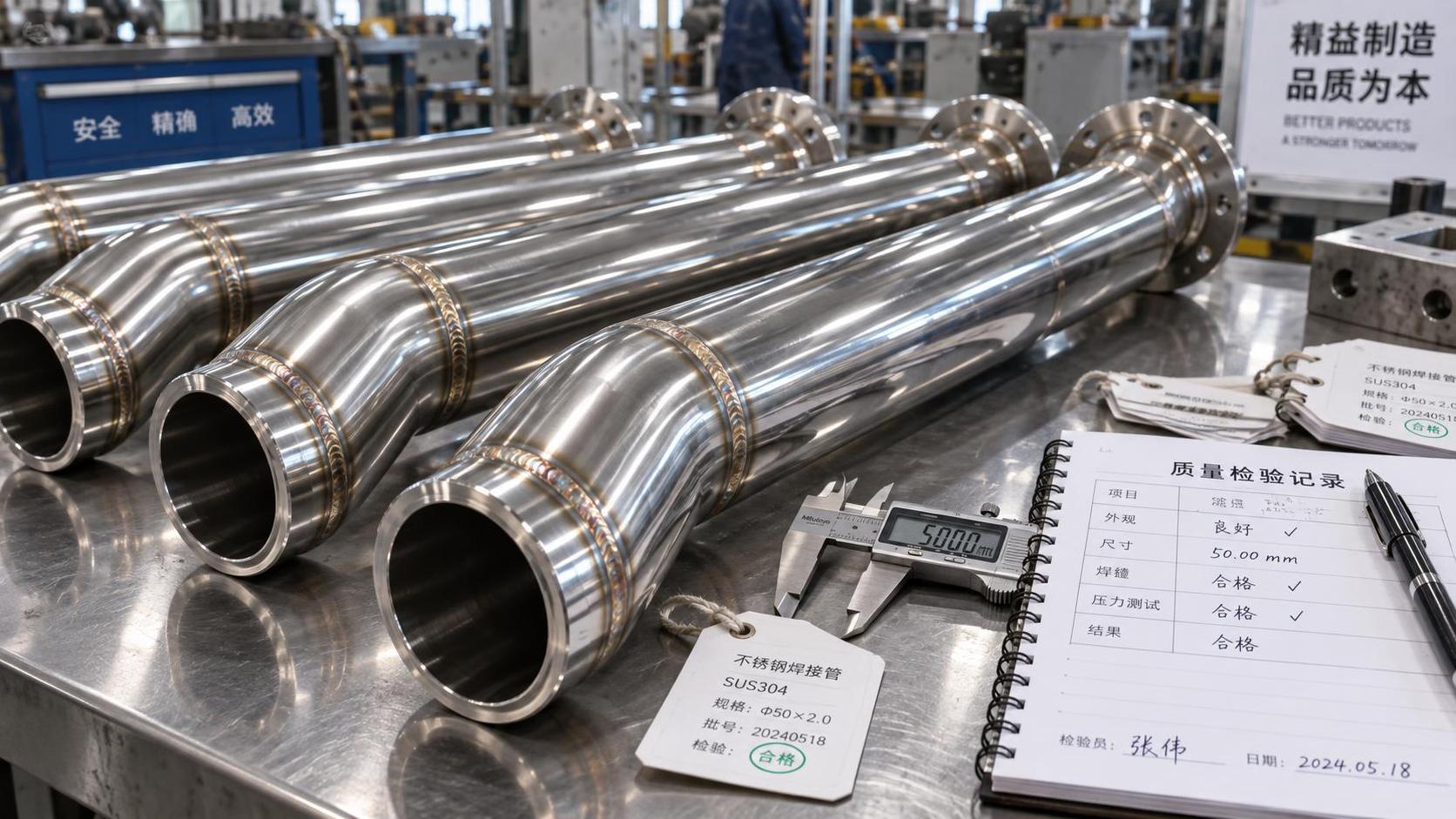
- Stainless Steel Welded Tube Applications: Matching Tube Supply to Fabrication NeedsAuthor :Heavy Industry Strategist

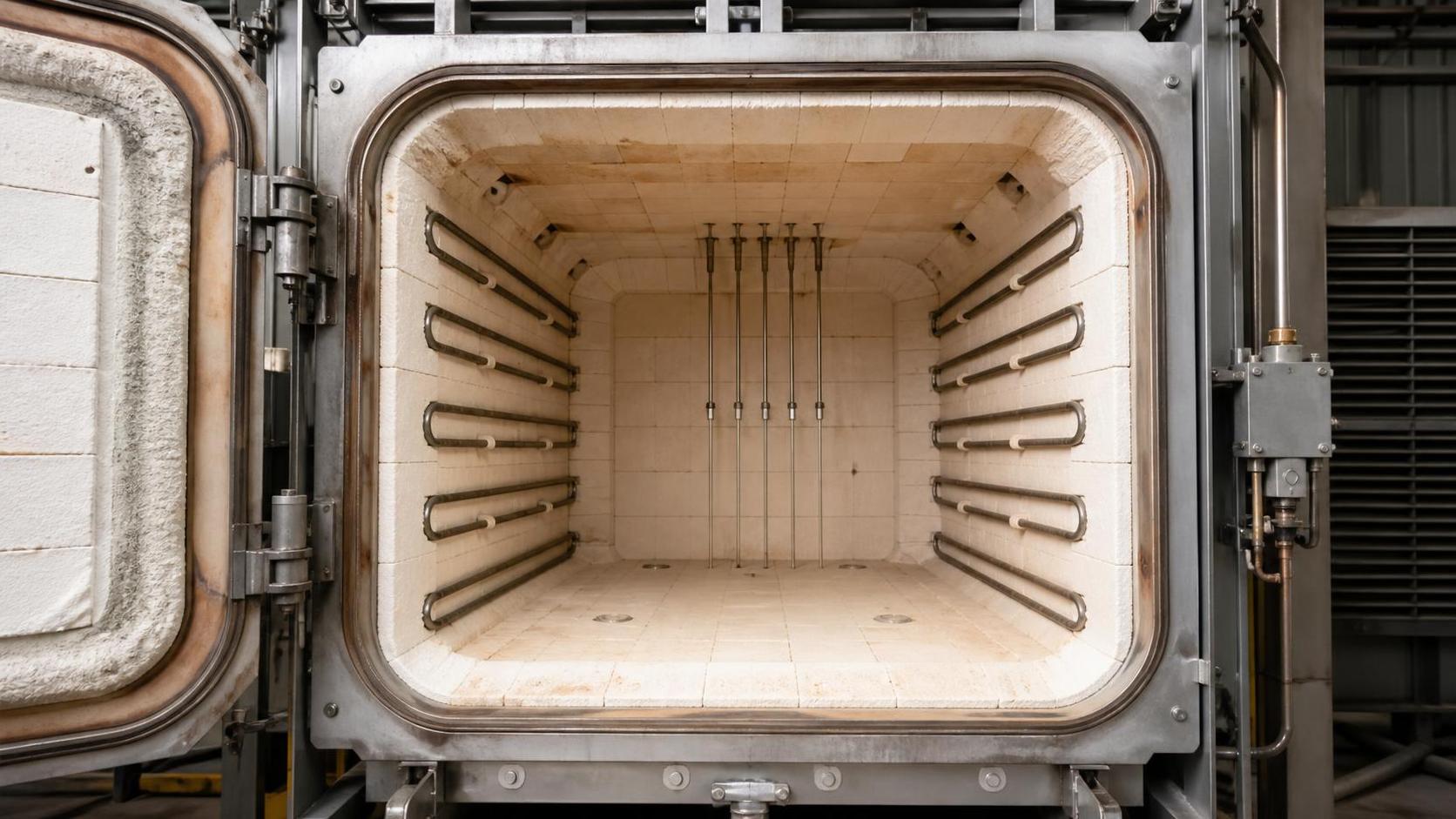
- What Maintenance Do Furnace Components Need After 18 Months?Author :Heavy Industry Strategist

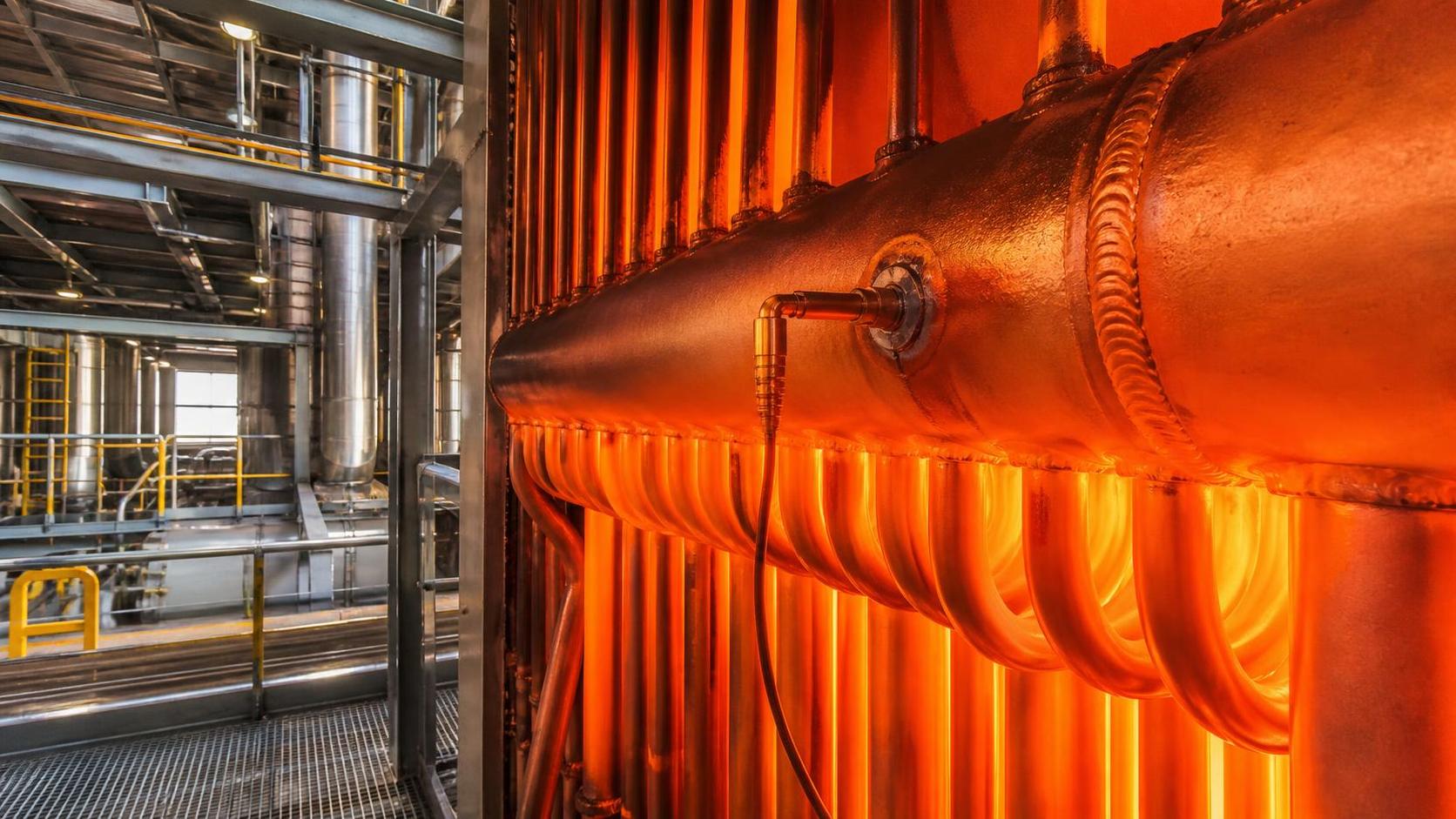
- How to Assess Metal Materials for Thermal Cycling in Power BoilersAuthor :Heavy Industry Strategist

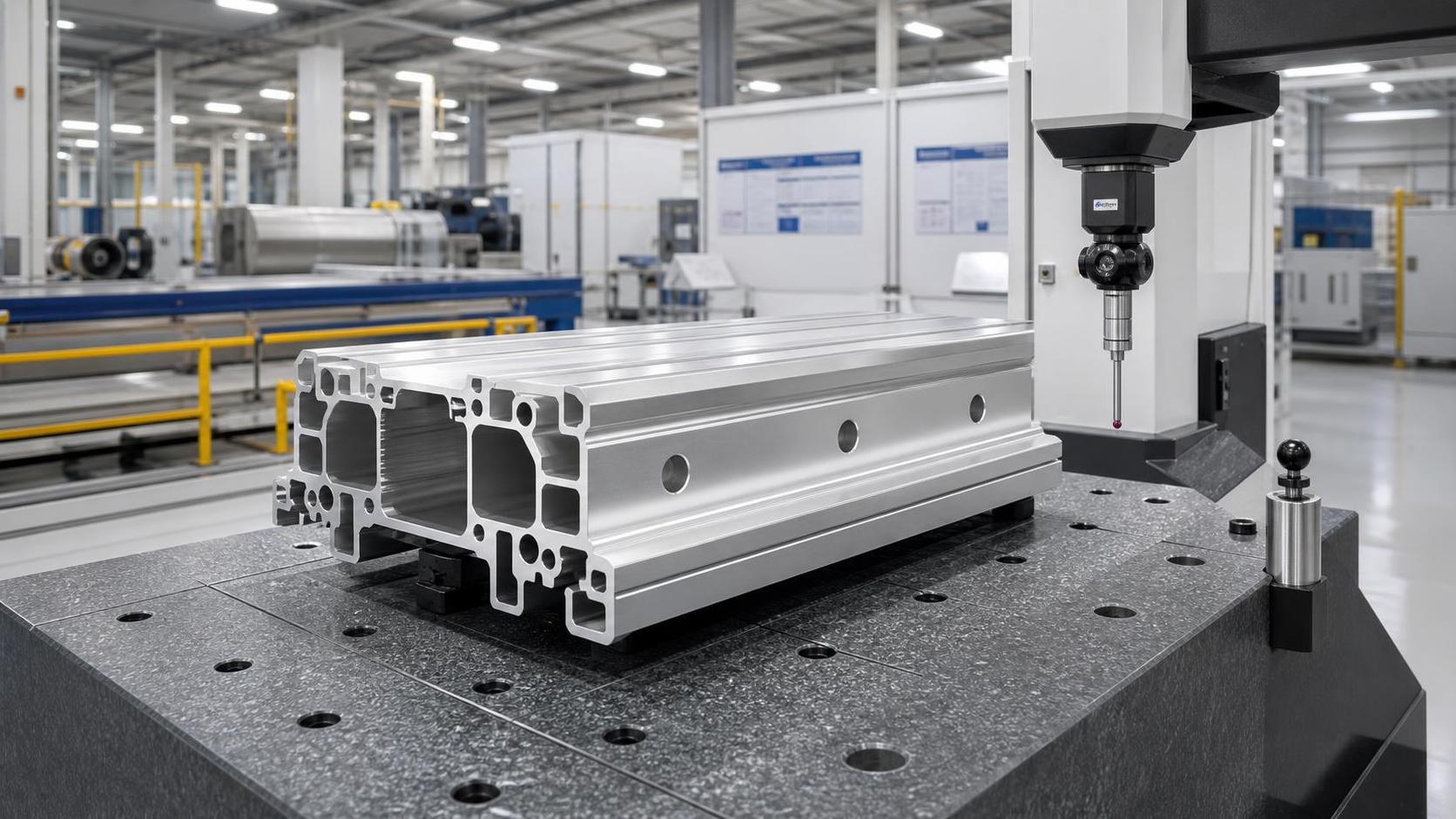
- How to Evaluate Aluminum Extrusion Suppliers for Tight-Tolerance Components?Author :Heavy Industry Strategist

- How to Evaluate a Weld Neck Flange Manufacturer for High-Pressure Pipe ProjectsAuthor :Heavy Industry Strategist

- EU REACH Ban Hits Cr(VI)-Coated Steel ImportsAuthor :Heavy Industry Strategist
-Coated Steel Imports")
- How to Evaluate a Heat Sink Aluminum Profile Supplier for Custom Thermal ProjectsAuthor :Heavy Industry Strategist

- Industrial Metal Fabrication Components Price: What Drives Cost and How to Compare QuotesAuthor :Heavy Industry Strategist