Engineering Material Selection Cost: What Drives Budget Changes in Product Design?
Author
Date Published
Reading Time

Engineering Material Selection Cost: What Drives Budget Changes in Product Design?

Engineering material selection cost rarely stays fixed from concept to launch. Early estimates often look reasonable, then change once testing, compliance, tooling, and supply constraints enter the picture.
That shift matters because material choice affects far more than purchase price. It influences manufacturability, product life, field safety, certification scope, maintenance intervals, and failure exposure.
In practical sourcing work, the real question is not only, “What does this material cost today?” It is, “What does this choice force the business to spend later?”
A sound engineering material selection cost review connects performance targets with process capability, regulatory expectations, and lifecycle economics. That is where budget changes become easier to explain and control.
Why Early Material Budgets Often Drift
At concept stage, teams usually compare material grades on raw price. That is useful, but incomplete. The larger cost movement appears when the design enters validation and manufacturing review.
A stainless steel housing, for example, may seem expensive against coated carbon steel. Yet corrosion exposure, cleaning chemicals, and service life can quickly reverse that initial comparison.
The same pattern shows up in polymers, copper alloys, engineered ceramics, elastomers, and structural metals. A lower unit price can trigger higher scrap, slower machining, or extra inspection.
From recent procurement patterns, the clearer signal is this: engineering material selection cost rises fastest when teams treat material choice as an isolated specification line.
The most common hidden cost drivers
- Design changes after prototype failure
- Material availability gaps across regions
- Extra certification and documentation needs
- Process changes in forming, welding, molding, or machining
- Unexpected maintenance or replacement frequency
- Supplier quality variation and incoming inspection load
Performance Requirements Set the First Cost Boundary
Every engineering material selection cost analysis should start with the service environment. Temperature, load, vibration, media exposure, UV, pressure, and wear determine the acceptable material window.
If that window is defined too loosely, teams over-specify. If it is defined too narrowly, later failures force redesign. Both outcomes distort budget forecasting.
Consider a component facing cyclic loading. The cheapest alloy may pass static strength targets, yet fail fatigue requirements. That single mismatch can multiply testing and tooling costs.
In sealed electrical systems, material compatibility with heat, flame, and insulation performance can carry equal weight. This also means engineering material selection cost is tied to risk tolerance, not just procurement pressure.
Questions that sharpen the requirement baseline
- What failure mode causes the greatest operational loss?
- Which property is critical: strength, conductivity, corrosion resistance, weight, or stability?
- What conditions are continuous, and which are only peak events?
- Can a lower-cost grade still meet the actual service envelope?
Compliance and Certification Can Change the Budget Fast
For industrial products, engineering material selection cost often rises when compliance enters the discussion. CE, UL, ISO, RoHS, REACH, pressure directives, and fire standards can narrow approved options quickly.
A material with strong technical performance may still fail documentation needs. Missing traceability, inconsistent mill certificates, or incomplete test history can create approval delays and requalification expense.
This is especially visible in safety-critical sectors. Valve components, cable insulation, sensor housings, and protective enclosures all face material scrutiny beyond simple mechanical fit.
In actual business reviews, the better approach is to price the compliance pathway early. That includes testing scope, records, supplier declarations, and regional certification differences.
Typical compliance-related cost additions
- Third-party lab testing
- Material traceability systems
- Batch-level documentation review
- Alternative supplier qualification
- Rework caused by nonconforming material lots
Manufacturing Reality Often Reshapes Engineering Material Selection Cost
A material that looks efficient on paper may perform poorly on the shop floor. That is where engineering material selection cost becomes a production economics issue.
Some metals increase tool wear. Some polymers shrink unpredictably. Some composites require tighter storage control or slower cure cycles. Each factor changes throughput and defect rates.
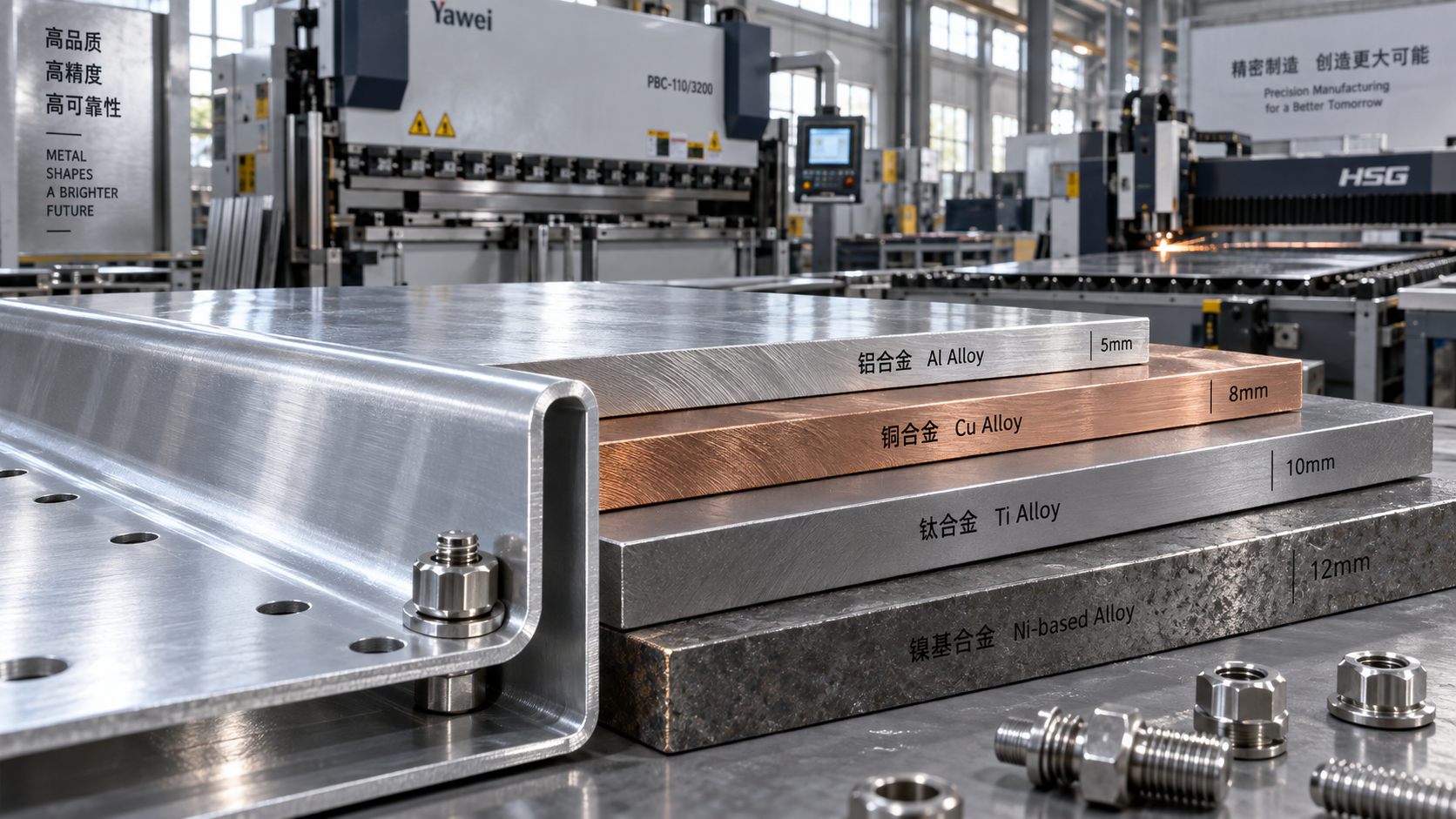
Weldability, machinability, formability, and surface finish requirements should be priced alongside raw material cost. Ignoring them usually pushes budget overruns into later production phases.
More importantly, process capability varies by supplier. A grade that works for one manufacturer may be costly for another because equipment, tolerances, and operator familiarity differ.
A practical comparison table
Supply Chain Volatility Is Now Part of Material Costing
Material decisions used to center on engineering fit and nominal price. Today, engineering material selection cost also depends on geography, freight exposure, energy markets, and supplier concentration.
Nickel, copper, specialty polymers, and processed alloys have all shown how quickly pricing can move. A technically ideal grade becomes risky when lead time uncertainty blocks production planning.
That is why many sourcing teams now compare primary and secondary material paths. The goal is not compromise. The goal is controlled flexibility without new compliance exposure.
A robust engineering material selection cost review should include regional substitutes, approved alternates, safety stock logic, and supplier financial stability.
Lifecycle Value Usually Tells the Real Story
When technical teams debate material options, the discussion often gets stuck on purchase cost. That misses the bigger issue: lifetime operating value.
Engineering material selection cost should account for maintenance intervals, failure probability, downtime impact, energy efficiency, and disposal obligations. These factors often outweigh the initial quote.
For example, a higher-grade seal material may reduce leakage events. That saves inspection labor, avoids contamination risk, and protects adjacent equipment. The budget benefit appears after installation, not before.
This also means low-cost materials are not automatically poor choices. They work well when the duty cycle, inspection access, and replacement strategy support them.
A simple decision framework
- Define the real service environment.
- Screen materials against compliance and safety standards.
- Test manufacturability with suppliers early.
- Model lifecycle cost, not only unit price.
- Keep one approved backup material where practical.
How to Keep Budget Changes Under Control
The most effective way to manage engineering material selection cost is to make material review cross-functional from the start. Design, quality, manufacturing, and sourcing need the same assumptions.
Shortlisting by data works better than debating by habit. Compare candidate materials on mechanical fit, compliance burden, process impact, supply resilience, and lifecycle risk in one matrix.
In actual programs, cost stability improves when teams freeze material specifications only after pilot feedback. That reduces late-stage substitution and protects qualification work already completed.
Engineering material selection cost will always move as products mature. The difference is whether those changes arrive as planned tradeoffs or expensive surprises.
The strongest decisions usually come from balancing performance, standards, and sourcing reality at the same time. That approach keeps budgets credible and products durable in the field.
Technical Specifications
- Air Handling Unit Supplier Checklist: Performance Data, Lead Times, and SupportAuthor :Environmental Engineering Director
- Buying Fiberglass Water Tanks Wholesale: Compare Quotes and Delivery CostsAuthor :Environmental Engineering Director
- Choosing an XLPE Power Cable Supplier: Test Reports, Traceability, and Lead TimesAuthor :Grid Infrastructure Analyst
Expert Insights

Chief Security Architect
Dr. Thorne specializes in the intersection of structural engineering and digital resilience. He has advised three G7 governments on industrial infrastructure security.
Related Analysis
- Oct 19, 2026Air Handling Unit Supplier Checklist: Performance Data, Lead Times, and SupportAuthor :Environmental Engineering Director
- Oct 18, 2026Buying Fiberglass Water Tanks Wholesale: Compare Quotes and Delivery CostsAuthor :Environmental Engineering Director
- Oct 17, 2026Choosing an XLPE Power Cable Supplier: Test Reports, Traceability, and Lead TimesAuthor :Grid Infrastructure Analyst
Core Sector // 01
Security & Safety
- How to Specify Steel Heavy-Duty Corner Guards for Loading Bays and High-Traffic AreasAuthor :Heavy Industry Strategist

- Selecting Non-Ferrous Metal Plates for Corrosion, Weight, and Formability RequirementsAuthor :Heavy Industry Strategist

- Stainless Steel Welded Tube Applications: Matching Tube Supply to Fabrication NeedsAuthor :Heavy Industry Strategist

- What Maintenance Do Furnace Components Need After 18 Months?Author :Heavy Industry Strategist

- How to Assess Metal Materials for Thermal Cycling in Power BoilersAuthor :Heavy Industry Strategist

- How to Evaluate Aluminum Extrusion Suppliers for Tight-Tolerance Components?Author :Heavy Industry Strategist

- How to Evaluate a Weld Neck Flange Manufacturer for High-Pressure Pipe ProjectsAuthor :Heavy Industry Strategist

- EU REACH Ban Hits Cr(VI)-Coated Steel ImportsAuthor :Heavy Industry Strategist
-Coated Steel Imports")