How to Evaluate Resilient Infrastructure Components for Critical Utility Projects
Author
Date Published
Reading Time
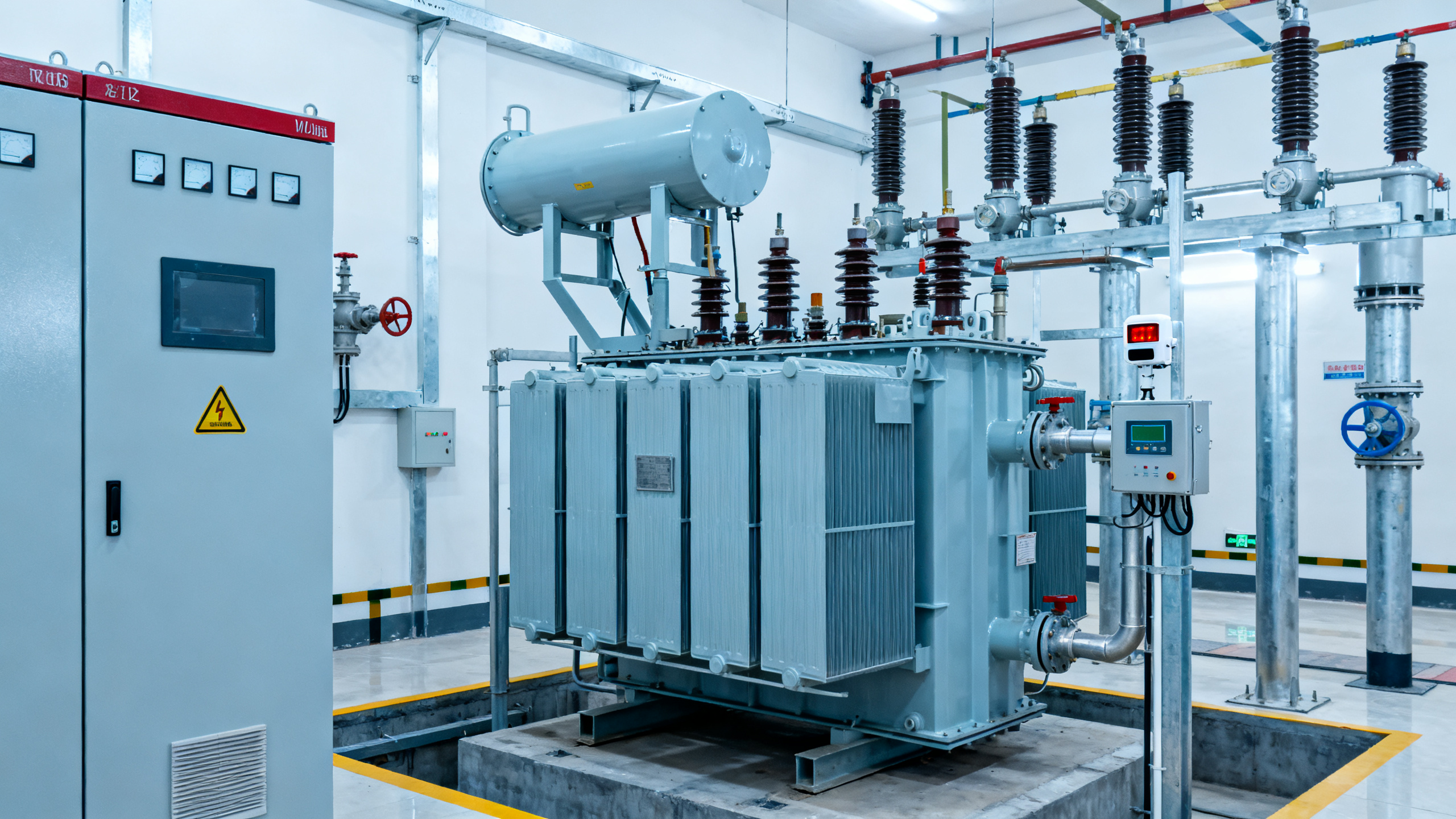
Evaluating resilient infrastructure components for critical utility projects starts with a simple reality: failure carries consequences far beyond repair cost. Power interruptions, water loss, safety incidents, compliance breaches, and schedule overruns often trace back to component decisions made too early, too quickly, or with incomplete operating data.
That is why resilient infrastructure components should be judged as long-life assets within an integrated system. In utility environments, the right choice depends on lifecycle durability, standards compliance, supply continuity, maintainability, and fit for harsh service conditions, not just on the lowest bid.
Across heavy industry, this topic has become more urgent as utility networks face tighter regulations, aging assets, climate stress, cyber-physical risk, and rising expectations for operational uptime. Decisions now need a broader lens, especially where electrical, mechanical, environmental, and safety systems intersect.
What Resilience Means in Utility Component Selection
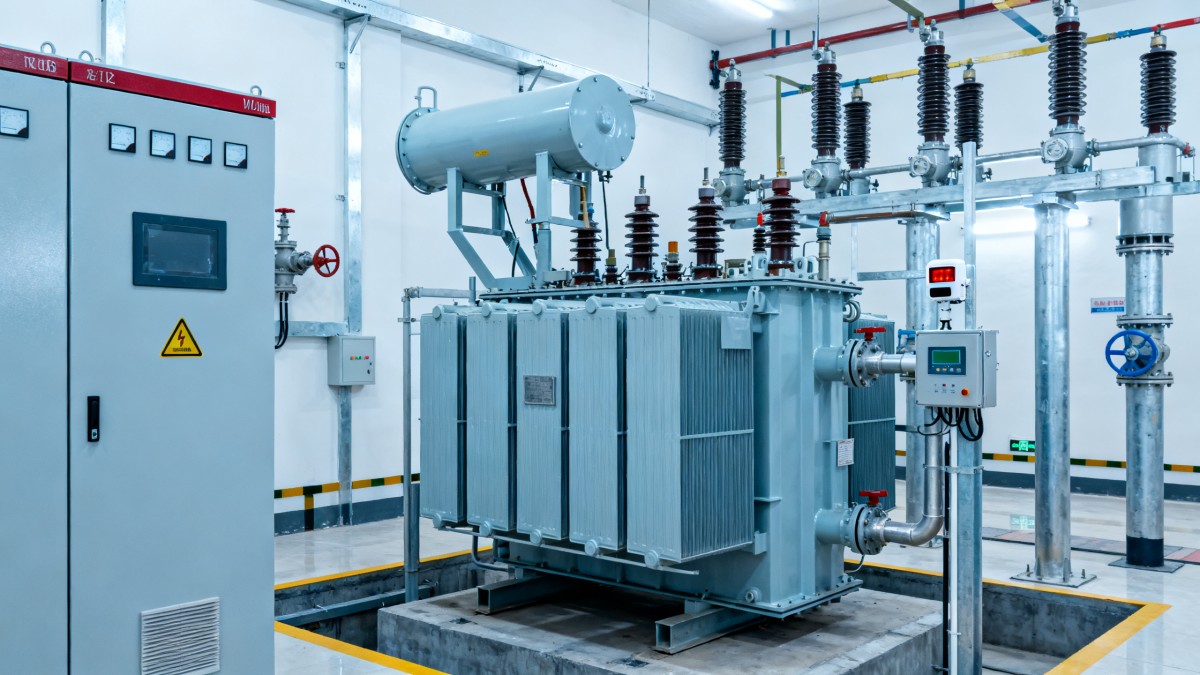
In this context, resilience is not a vague quality claim. It describes the ability of a component to perform reliably under variable loads, adverse environments, maintenance delays, supply disruption, and abnormal operating events without causing broader system instability.
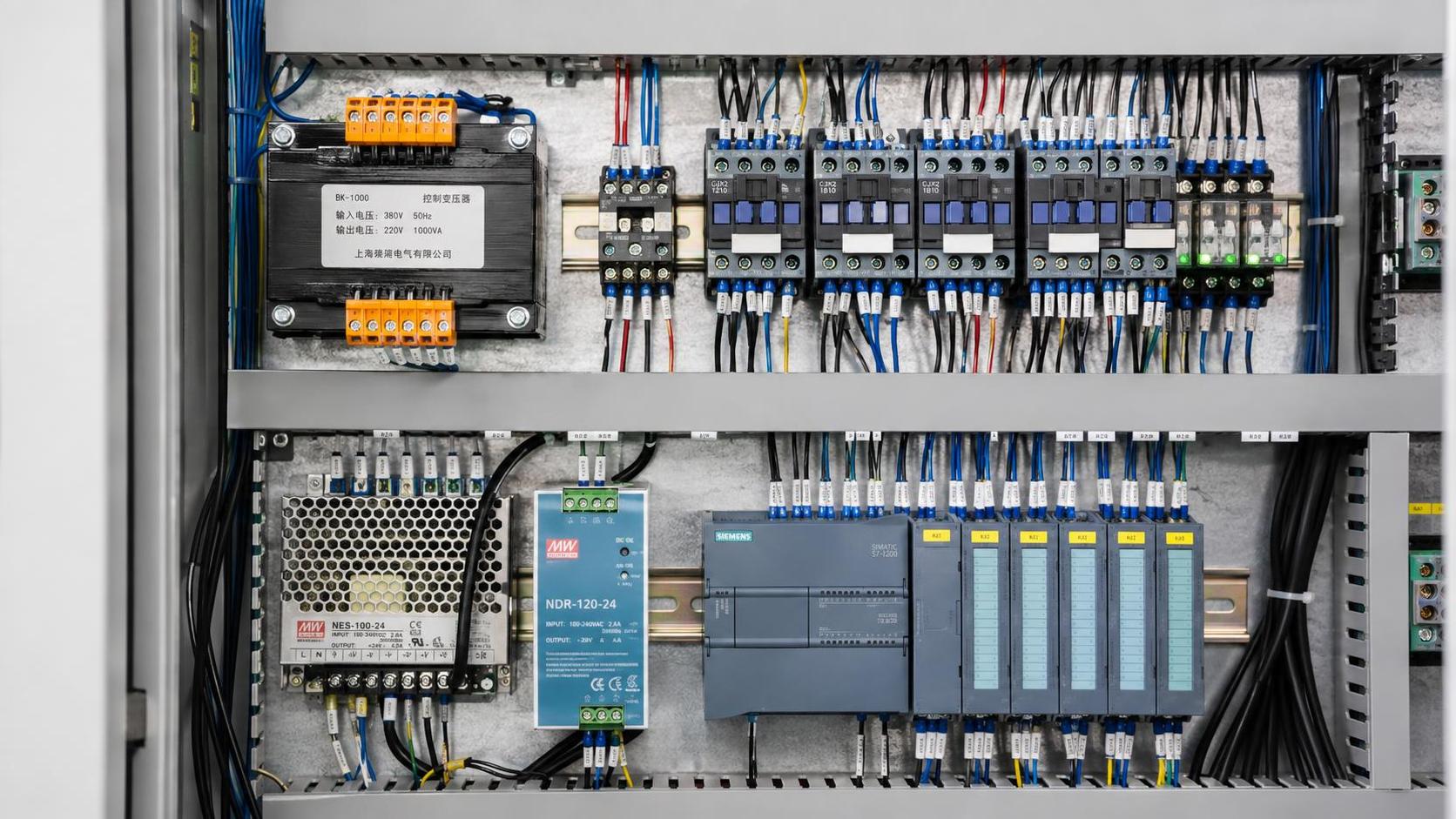
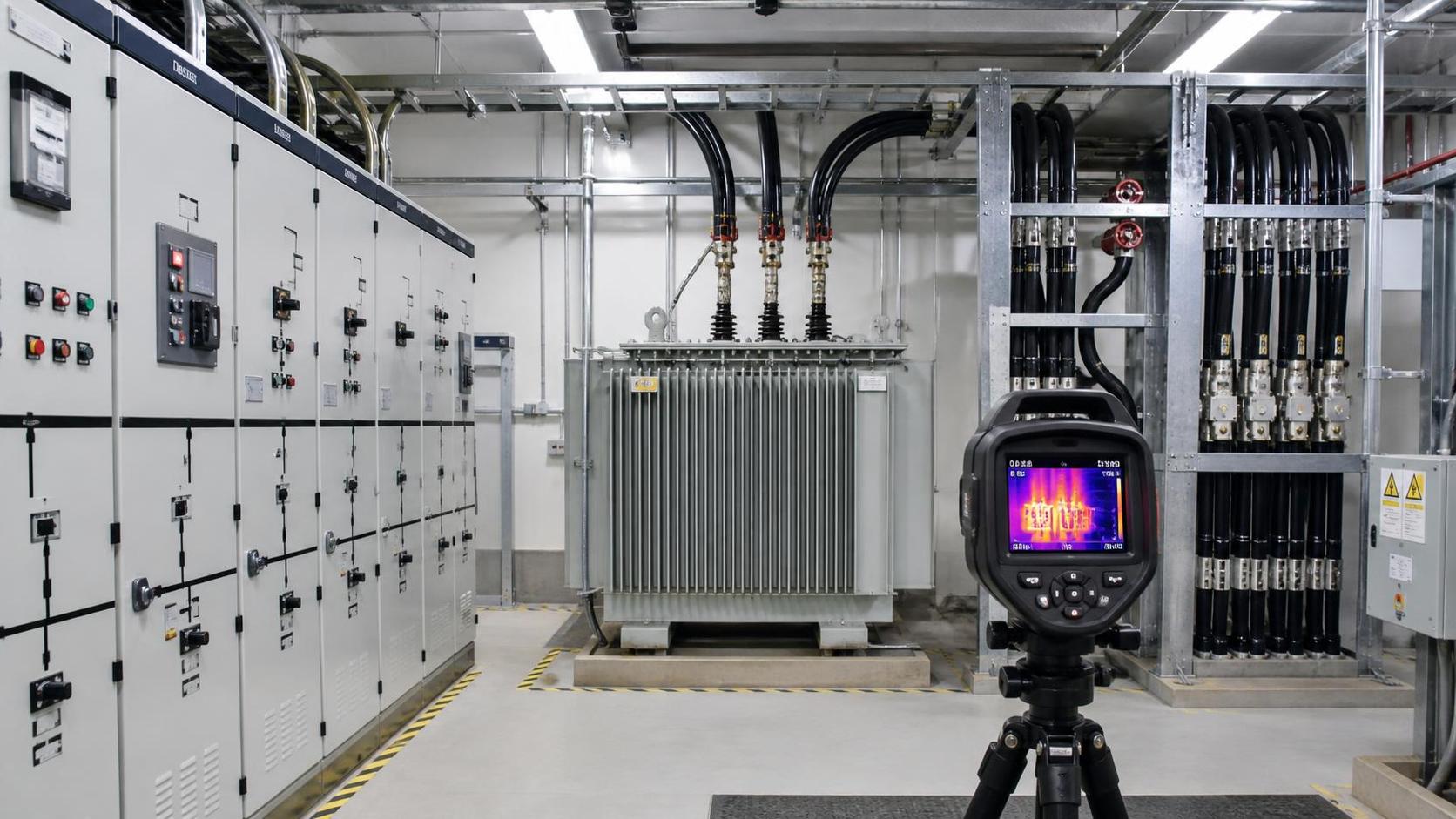
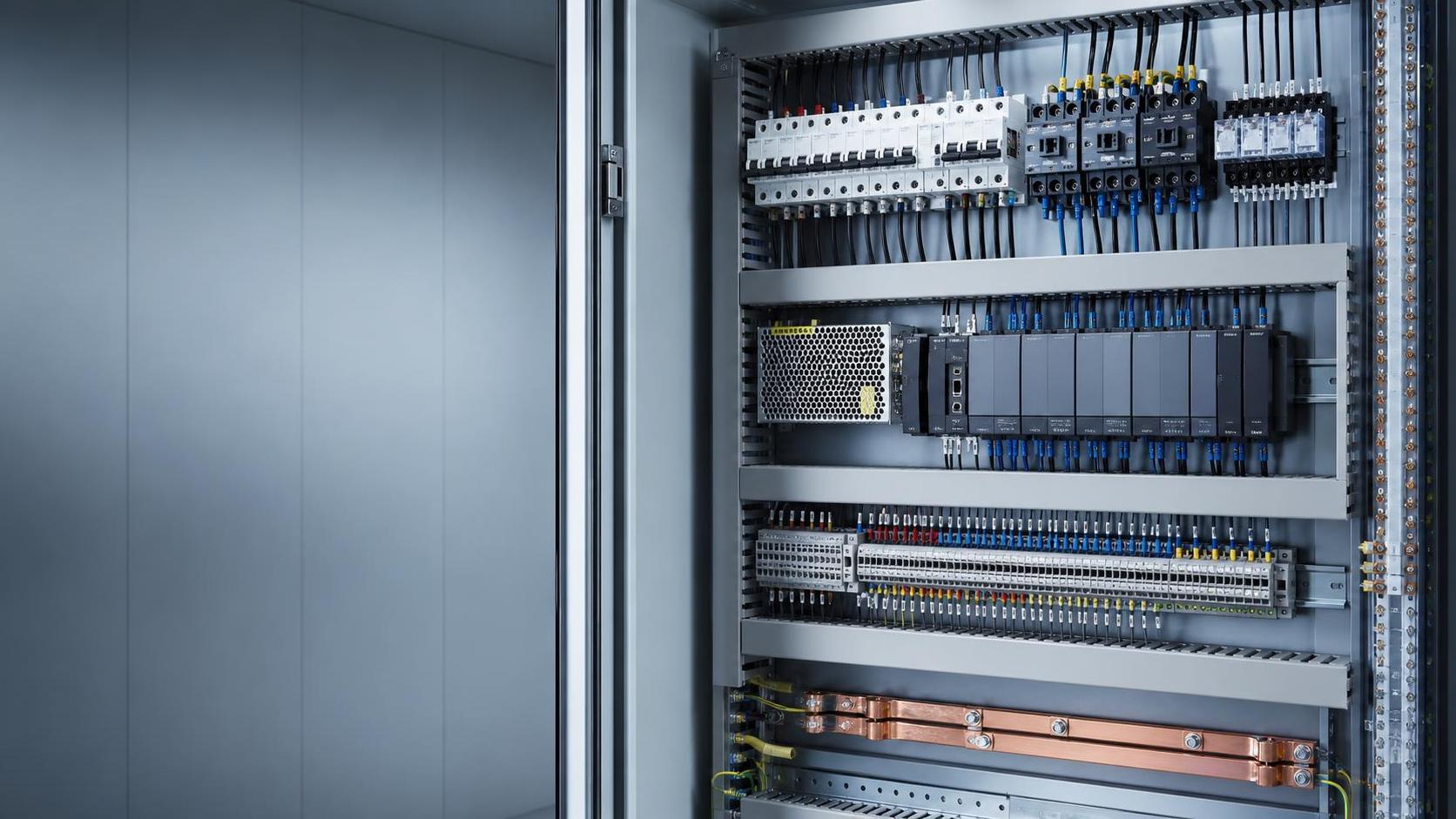
Resilient infrastructure components may include switchgear, transformers, valves, actuators, sensors, enclosures, pipe supports, corrosion-resistant alloys, sealing systems, control cabinets, grounding hardware, filtration units, and monitoring instruments.
The common thread is system consequence. A failed fastener in a high-vibration setting, an instrument drift issue in a treatment process, or a degraded seal in a substation enclosure can all create outsized downstream impact.
This is where a source such as Global Industrial Core adds value. Its cross-disciplinary focus mirrors how utility projects are actually delivered, where safety, measurement accuracy, electrical reliability, environmental exposure, and metallurgy cannot be evaluated in isolation.
Why the Industry Is Paying Closer Attention
Utility infrastructure is being pushed harder than before. Facilities are expected to operate longer, recover faster, and remain compliant across expanding reporting and safety requirements.
At the same time, capital projects face tighter timelines and more fragmented supply chains. A component once treated as interchangeable may now carry serious schedule and performance risk.
Several trends explain the shift:
- More severe weather and site exposure are accelerating corrosion, flooding, temperature cycling, and mechanical fatigue.
- Grid modernization and automation increase dependence on accurate instruments, clean power quality, and reliable control interfaces.
- Compliance scrutiny makes certification gaps, undocumented substitutions, and traceability failures harder to absorb.
- Lifecycle budgets are under pressure, making premature replacement and maintenance-heavy selections less acceptable.
As a result, resilient infrastructure components are now part of broader risk governance. Selection affects commissioning certainty, asset life, insurance exposure, and long-term operating stability.
A Practical Evaluation Framework
A useful review process moves from operating reality to technical fit, then to supplier confidence and lifecycle economics. That order matters because specification language alone rarely captures field stress in full.
1. Start with service conditions, not catalog claims
Ambient temperature, humidity, chemical exposure, salt content, altitude, vibration, pressure variation, contamination load, and expected duty cycles should define the evaluation baseline.
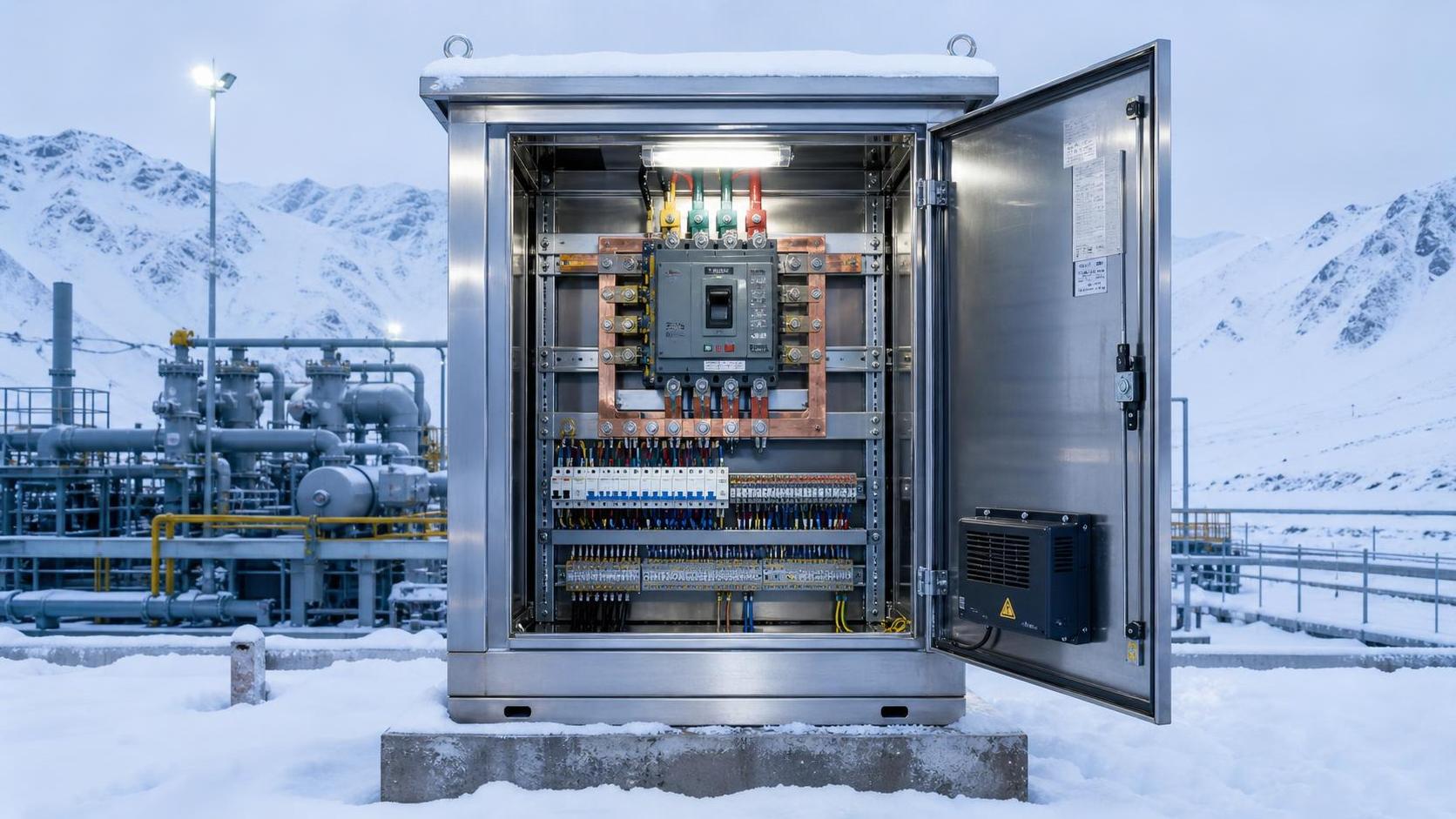
A component that performs well in controlled indoor service may fail early in exposed utility yards, coastal plants, wastewater environments, or remote pump stations.
2. Verify compliance beyond the label
CE, UL, ISO, IEC, NEMA, ASTM, and project-specific utility standards should be checked against actual installation requirements. Certification logos are only the starting point.
More important is whether the test basis, material grade, enclosure rating, insulation class, tolerances, and installation assumptions match the intended operating environment.
3. Look at failure modes and consequences
Not all failures carry equal weight. A noncritical accessory can tolerate replacement. A control sensor feeding protective logic cannot. The evaluation should rank components by consequence of failure, detectability, and recovery time.
4. Test supply chain resilience
Lead time, second-source availability, regional stocking, raw material exposure, fabrication concentration, and documentation quality all affect project resilience.
A technically suitable part can still become a project liability if replacement units, spares, or certified alternates are unavailable during commissioning or early operations.
5. Evaluate maintainability and data visibility
Resilient infrastructure components should support inspection, calibration, cleaning, replacement, and condition monitoring without excessive shutdown complexity.
Where possible, preference should go to selections that improve diagnostics, spare standardization, and field service clarity.
Where Component Resilience Commonly Breaks Down
Many problems do not come from dramatic design errors. They come from small mismatches between actual service conditions and assumed conditions during procurement.
This is why resilient infrastructure components should be reviewed with field operations, maintenance, quality, and compliance inputs, not only design intent.
How Evaluation Criteria Change by Component Type
The same decision logic applies across utility projects, but the emphasis shifts by asset category.
Electrical and power grid elements
Switching endurance, thermal performance, short-circuit rating, ingress protection, insulation coordination, and arc safety become central. Downtime consequence is often immediate and visible.
Instruments and measurement devices
Accuracy under disturbance matters as much as nominal accuracy. Calibration stability, signal integrity, diagnostics, and compatibility with control architecture deserve close review.
Mechanical and metallurgical components
Wear rate, fatigue resistance, pressure containment, coating life, seal compatibility, and tolerance retention often determine real durability more than brochure performance.
Environmental and safety-related systems
Containment integrity, exposure resistance, fail-safe behavior, and audit-ready documentation carry added weight because regulatory failure may outlast the technical event itself.
Questions That Improve Procurement Decisions
Good evaluation often depends on asking better questions before award. These questions tend to expose weak assumptions quickly.
- What verified field evidence supports performance in comparable duty conditions?
- Which standards were used for testing, and do they reflect actual installation stress?
- What are the known failure modes, and how are they detected early?
- Can the component be maintained with existing tools, skills, and spare strategies?
- What happens if the primary supplier experiences a lead-time spike or material shortage?
- Are there certification, traceability, or revision-control gaps that could affect approval?
These questions move the discussion from price comparison to decision quality. That is usually where long-term project value is won or lost.
Using a More Reliable Evidence Base
Utility teams rarely struggle because information is missing entirely. More often, they struggle because the information is fragmented across vendor sheets, test documents, prior project notes, and changing compliance requirements.
A stronger approach is to combine technical documentation with operating context and independent review. Platforms such as Global Industrial Core are useful here because they connect sourcing decisions to safety, measurement, electrical, environmental, and mechanical realities.
That kind of editorial discipline matters when comparing resilient infrastructure components that appear similar on paper but differ in certification depth, material integrity, service history, or lifecycle burden.
From Evaluation to Action
The most effective next step is to create a component review matrix tied to actual project conditions. Include operating stress, compliance requirements, failure consequence, maintenance burden, supplier resilience, and evidence quality.
From there, shortlist resilient infrastructure components that meet both technical and operational thresholds, then test assumptions with field history, documentation checks, and cross-functional review before final selection.
Critical utility projects rarely fail because one specification was missing. They fail when interconnected risks are underestimated. Evaluating resilient infrastructure components with a disciplined, evidence-based framework helps prevent that gap and supports assets built to hold under pressure.
Technical Specifications
- How to Select Electronic Hotel Key Card Locks for Guest Rooms and Staff AreasAuthor :Safety Compliance Lead
- How to Select Lab Instruments for Reliable Chemical Analysis WorkflowsAuthor :Precision Metrology Expert
- How to Size a UPS for Server Rooms: Load, Runtime, and Redundancy FactorsAuthor :Grid Infrastructure Analyst
Expert Insights

Chief Security Architect
Dr. Thorne specializes in the intersection of structural engineering and digital resilience. He has advised three G7 governments on industrial infrastructure security.
Related Analysis
- Sep 17, 2026How to Select Electronic Hotel Key Card Locks for Guest Rooms and Staff AreasAuthor :Safety Compliance Lead
- Sep 16, 2026How to Select Lab Instruments for Reliable Chemical Analysis WorkflowsAuthor :Precision Metrology Expert
- Sep 15, 2026How to Size a UPS for Server Rooms: Load, Runtime, and Redundancy FactorsAuthor :Grid Infrastructure Analyst
Core Sector // 01
Security & Safety
- How to Size a UPS for Server Rooms: Load, Runtime, and Redundancy FactorsAuthor :Grid Infrastructure Analyst

- How to Choose a Step-Down Transformer for a Control Panel: Key Sizing FactorsAuthor :Grid Infrastructure Analyst

- How Often Should Overseas Power Systems Undergo Safety Inspections?Author :Grid Infrastructure Analyst

- How to Choose Panels for Extreme-Cold Industrial Sites?Author :Grid Infrastructure Analyst

- What Should a Cross-Border EPC Equipment Procurement Reference Include?Author :Grid Infrastructure Analyst

- How to Compare Low-Voltage Equipment for Panel IntegrationAuthor :Grid Infrastructure Analyst

- IEC-Compliant Power Infrastructure: Key Design and Verification RequirementsAuthor :Grid Infrastructure Analyst

- Updated EN 61000-6-4:2026 Raises EMC Compliance Bar for EU-Bound Industrial EquipmentAuthor :Grid Infrastructure Analyst