Morocco Extends Safeguard Measures on Hot-Rolled Steel from China
Author
Date Published
Reading Time
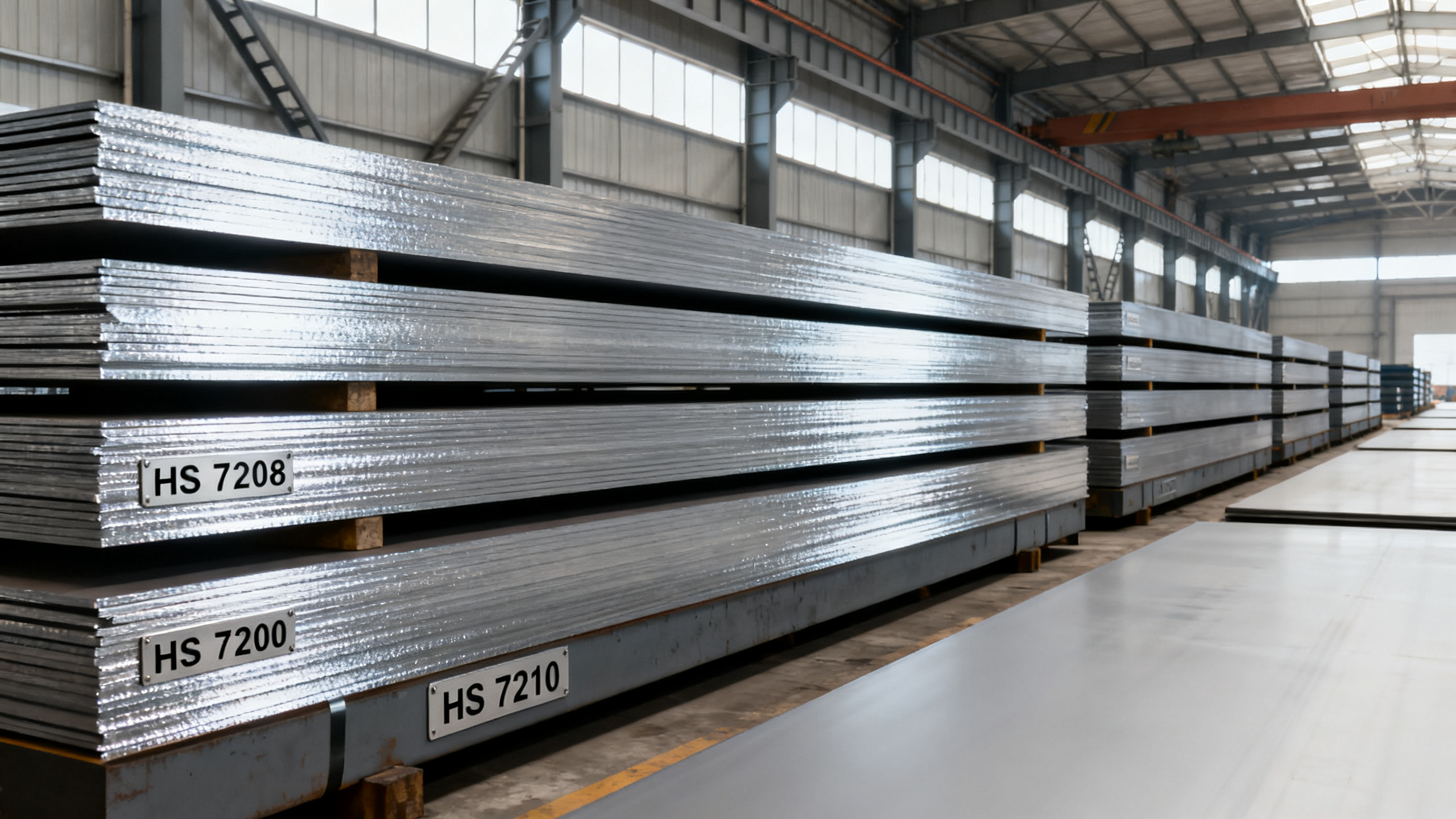
Morocco extended safeguard measures on hot-rolled steel products (HS codes 7208/7210) imported from China on May 8, 2026, prolonging the regime until December 31, 2027 and reducing the annual quota by 15%. This development directly affects Chinese exporters of steel and metal profiles—particularly those supplying structural bridge components, substation support frames, and industrial dust collector housings—to the Moroccan market. Importers, fabricators, and downstream equipment manufacturers in North Africa are now adjusting procurement strategies, making this a high-relevance update for export-oriented steel fabricators, international trade compliance teams, and supply chain planners serving the infrastructure and energy sectors.
Event Overview
On May 8, 2026, the Government of Morocco announced the extension of safeguard measures on hot-rolled steel originating from China (HS 7208 and 7210). The measures—originally introduced under WTO-consistent safeguard provisions—will remain in force through December 31, 2027. Concurrently, the annual import quota allocated to Chinese exporters has been reduced by 15% compared to the prior period. The decision applies specifically to hot-rolled flat-rolled products and impacts downstream fabricated goods classified under steel & metal profiles.
Industries Affected
Export-Oriented Steel Fabricators
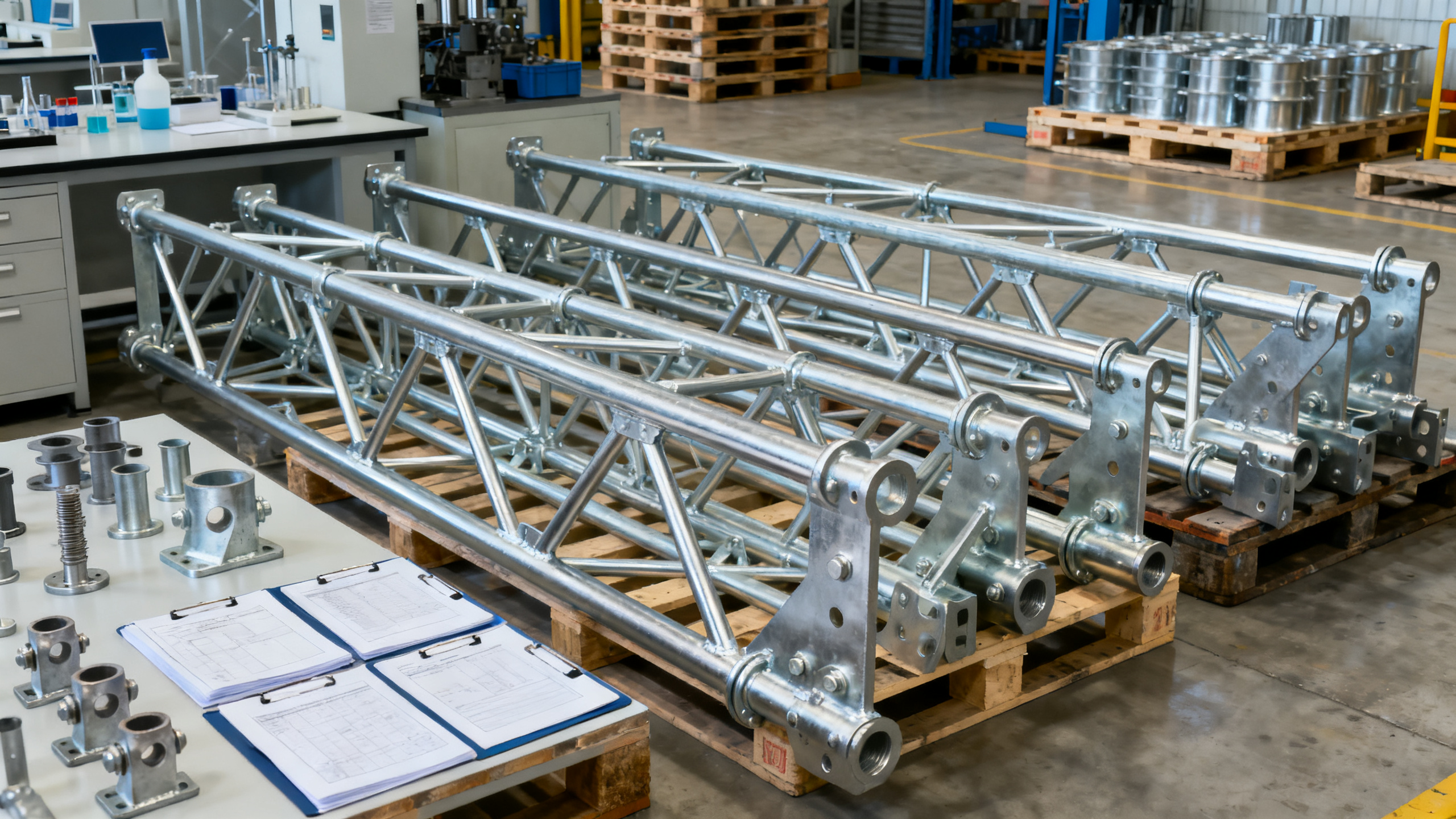
Manufacturers producing structural bridge components, substation support frames, and industrial dust collector housings face immediate constraints: the tightened quota limits shipment volume into Morocco, while the extended timeline signals sustained regulatory pressure beyond 2026. Export revenue predictability declines, and order fulfillment windows may narrow as quotas fill earlier in the calendar year.
International Trading Companies Handling Steel Products
Firms acting as intermediaries between Chinese producers and Moroccan importers must now manage stricter documentation, real-time quota tracking, and potential delays in customs clearance. The 15% quota cut increases competition for remaining allocation slots, raising administrative overhead and margin pressure on transaction-based business models.
Downstream Equipment Assemblers & EPC Contractors
Companies integrating steel profiles into turnkey infrastructure or power projects in Morocco—especially those with fixed-price contracts—face cost volatility. Sourcing alternatives (e.g., Turkish or Egyptian suppliers) often carry higher landed costs or longer lead times, affecting project timelines and profitability.
Supply Chain & Certification Service Providers
Third-party labs and certification bodies supporting export compliance are seeing increased demand for salt spray testing (ASTM B117), zinc coating adhesion verification (e.g., ISO 2409), and regional conformity assessments (e.g., IMANOR recognition). These services are no longer optional for market access but prerequisites for quota eligibility review.
What Relevant Enterprises Should Monitor and Do Now
Track official quota allocation notices and tariff line updates from Moroccan customs
The Ministry of Industry and Trade is expected to publish quarterly quota utilization reports and clarify whether the 15% reduction applies uniformly across all HS subheadings or selectively by product grade or thickness. Exporters should subscribe to official notifications and verify alignment with their actual export classifications.
Validate technical compliance for key downstream applications
Given observed importer shifts toward Turkish and Egyptian sources, enhanced focus on corrosion resistance—specifically zinc layer adhesion strength and 500+ hour neutral salt spray performance—is becoming a de facto commercial requirement. Suppliers should confirm test reports meet EN ISO 1461 or equivalent and are recognized by Moroccan technical authorities.
Distinguish between policy signal and operational impact
The extension reflects ongoing trade defense posture—not necessarily new evidence of injury—but the 15% quota cut is an enforceable, quantified constraint. Businesses should treat the quota reduction as binding for planning purposes, while treating broader geopolitical implications (e.g., future scope expansion) as speculative until formally announced.
Prepare contingency sourcing and certification pathways
For firms with active Moroccan projects, pre-qualifying alternative suppliers in Turkey or Egypt—and securing parallel test reports and IMANOR-aligned certifications—can reduce time-to-market risk. Simultaneously, initiating dual-certification processes (e.g., ISO 9001 + IMANOR Product Certificate) for existing Chinese production lines may preserve long-term competitiveness.
Editorial Perspective / Industry Observation
Observably, this extension functions less as a surprise escalation and more as a procedural continuation of an established safeguard regime—consistent with Morocco’s prior WTO notifications and domestic trade remedy practice. Analysis shows the 15% quota adjustment is modest in absolute terms but symbolically significant: it confirms that Chinese hot-rolled steel continues to trigger volume-sensitive scrutiny in key African markets. From an industry perspective, the move is better understood as a signal of tightening technical and procedural gatekeeping—not just quantitative restriction. It underscores that compliance is increasingly multidimensional: quota access now coexists with intensified expectations around material certification, traceability, and regional standards alignment. Continued monitoring is warranted not only for Morocco but also as a potential precedent for similar actions in other Maghreb or ECOWAS jurisdictions considering parallel safeguards.
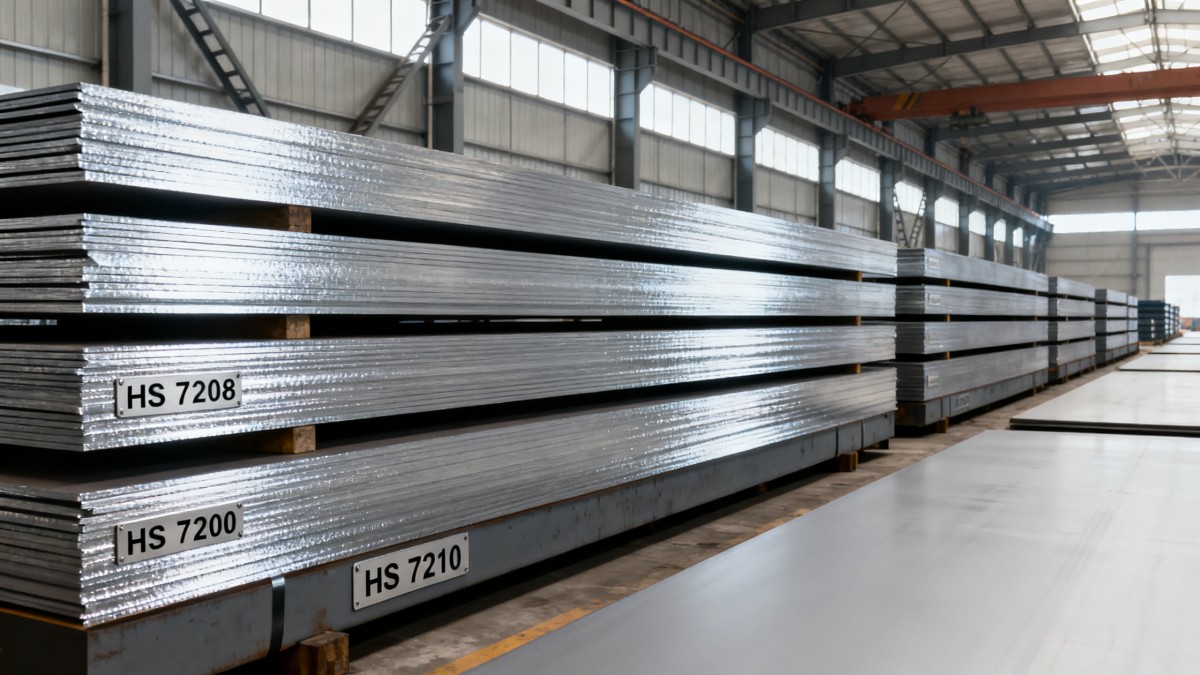
In summary, Morocco’s decision represents a calibrated reinforcement of existing trade discipline—not a sudden barrier shift—but its cumulative effect reshapes commercial priorities for Chinese steel profile exporters. The emphasis has shifted from volume optimization to technical readiness and regulatory agility. Current conditions favor enterprises that treat certification, testing, and quota logistics as integrated operational functions rather than isolated compliance tasks.
Source: Official announcement by the Ministry of Industry and Trade of Morocco, dated May 8, 2026. Quota reduction percentage and end date confirmed in the published decree. Further implementation details—including allocation methodology and verification procedures—are pending official guidance and remain under observation.
Technical Specifications
- How to Select Electronic Hotel Key Card Locks for Guest Rooms and Staff AreasAuthor :Safety Compliance Lead
- How to Select Lab Instruments for Reliable Chemical Analysis WorkflowsAuthor :Precision Metrology Expert
- How to Size a UPS for Server Rooms: Load, Runtime, and Redundancy FactorsAuthor :Grid Infrastructure Analyst
Expert Insights

Chief Security Architect
Dr. Thorne specializes in the intersection of structural engineering and digital resilience. He has advised three G7 governments on industrial infrastructure security.
Related Analysis
- Sep 17, 2026How to Select Electronic Hotel Key Card Locks for Guest Rooms and Staff AreasAuthor :Safety Compliance Lead
- Sep 16, 2026How to Select Lab Instruments for Reliable Chemical Analysis WorkflowsAuthor :Precision Metrology Expert
- Sep 15, 2026How to Size a UPS for Server Rooms: Load, Runtime, and Redundancy FactorsAuthor :Grid Infrastructure Analyst
Core Sector // 01
Security & Safety
- Stainless Steel Welded Tube Applications: Matching Tube Supply to Fabrication NeedsAuthor :Heavy Industry Strategist

- What Maintenance Do Furnace Components Need After 18 Months?Author :Heavy Industry Strategist

- How to Assess Metal Materials for Thermal Cycling in Power BoilersAuthor :Heavy Industry Strategist

- How to Evaluate Aluminum Extrusion Suppliers for Tight-Tolerance Components?Author :Heavy Industry Strategist

- How to Evaluate a Weld Neck Flange Manufacturer for High-Pressure Pipe ProjectsAuthor :Heavy Industry Strategist

- EU REACH Ban Hits Cr(VI)-Coated Steel ImportsAuthor :Heavy Industry Strategist
-Coated Steel Imports")
- How to Evaluate a Heat Sink Aluminum Profile Supplier for Custom Thermal ProjectsAuthor :Heavy Industry Strategist

- Industrial Metal Fabrication Components Price: What Drives Cost and How to Compare QuotesAuthor :Heavy Industry Strategist