Stainless Steel Angle Steel Procurement: Decisions Buyers Should Make Before Ordering
Author
Date Published
Reading Time
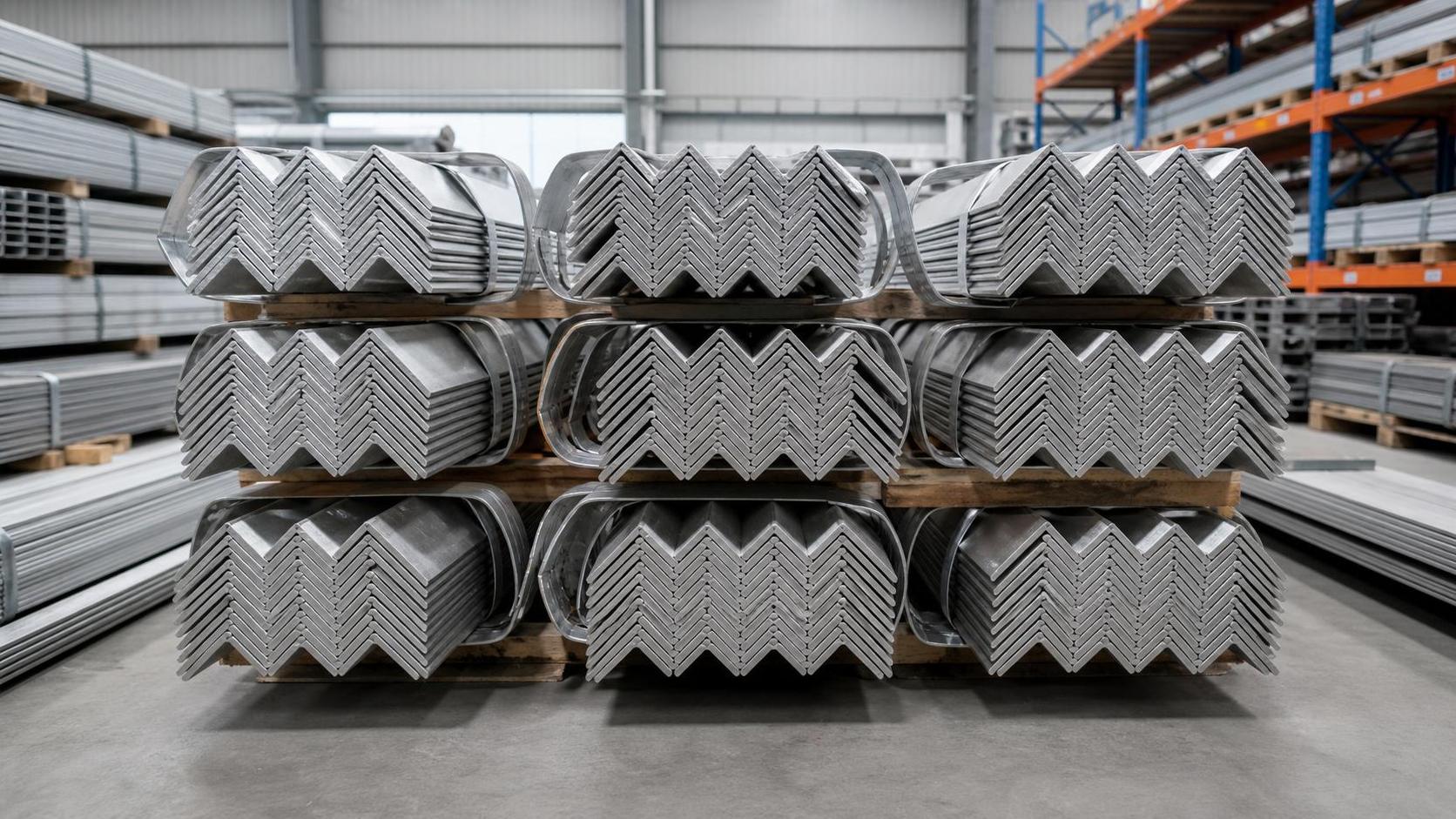
Angle profiles look simple at first glance: two legs, one corner, a size table, and a material grade. In real procurement, however, small differences in grade, leg length, thickness, surface, straightness, packing, and project use can change whether the material is accepted smoothly or creates extra cutting, welding, polishing, or installation work. For buyers comparing suppliers, Stainless Steel Angle Steel should be purchased as a functional profile, not just a commodity item in a price list.
This procurement guide is written for distributors, fabrication shops, construction-material buyers, equipment manufacturers, architectural metalwork companies, and project purchasing teams. It explains how to build a clearer order decision before sending an inquiry, how to compare supplier quotations, and how to reduce common risks in international sourcing. The goal is not to overcomplicate a standard profile purchase. The goal is to make sure the final material matches the application, processing route, and delivery condition expected by the buyer.
Start With the Use Case, Not the Size Table
Many angle steel inquiries begin with size and quantity. That is understandable, because leg length and thickness are the most visible dimensions. Yet the first procurement question should be: where will the angle be used? A stainless angle used in an architectural railing system may have different priorities from an angle used inside industrial equipment, a structural bracket, a food-processing frame, a marine support component, or a general fabrication assembly.
Use case affects grade choice, surface expectation, tolerance sensitivity, and packaging. If the angle will be visible after installation, surface marks and appearance may matter. If it will be welded into a frame, weldability, straightness, and fit-up become more important. If it is exposed to wet or mildly corrosive environments, grade suitability and finish discipline deserve closer review. A buyer who only sends dimensions may receive a fast quotation, but the quote may not solve the real procurement problem.
Grade Choice and Environment
Stainless steel is selected for corrosion resistance, appearance, and durability, but not all stainless grades are used for the same conditions. Buyers should avoid selecting a grade only because it is familiar. The environment, cleaning method, exposure level, and final customer expectations should guide the conversation. Indoor decorative work, general fabrication, food-related equipment, coastal installations, and chemical-adjacent equipment may require different levels of review.
For export purchasing, the safest approach is to write the intended environment into the inquiry. A supplier can then confirm availability and suggest whether the requested grade is aligned with the application. Buyers should not rely on vague phrases such as "good stainless quality." They should describe whether the material is for indoor use, outdoor use, visible parts, structural support, welded frames, humid environments, or resale stock.
Equal Angle, Unequal Angle, and Dimensional Control
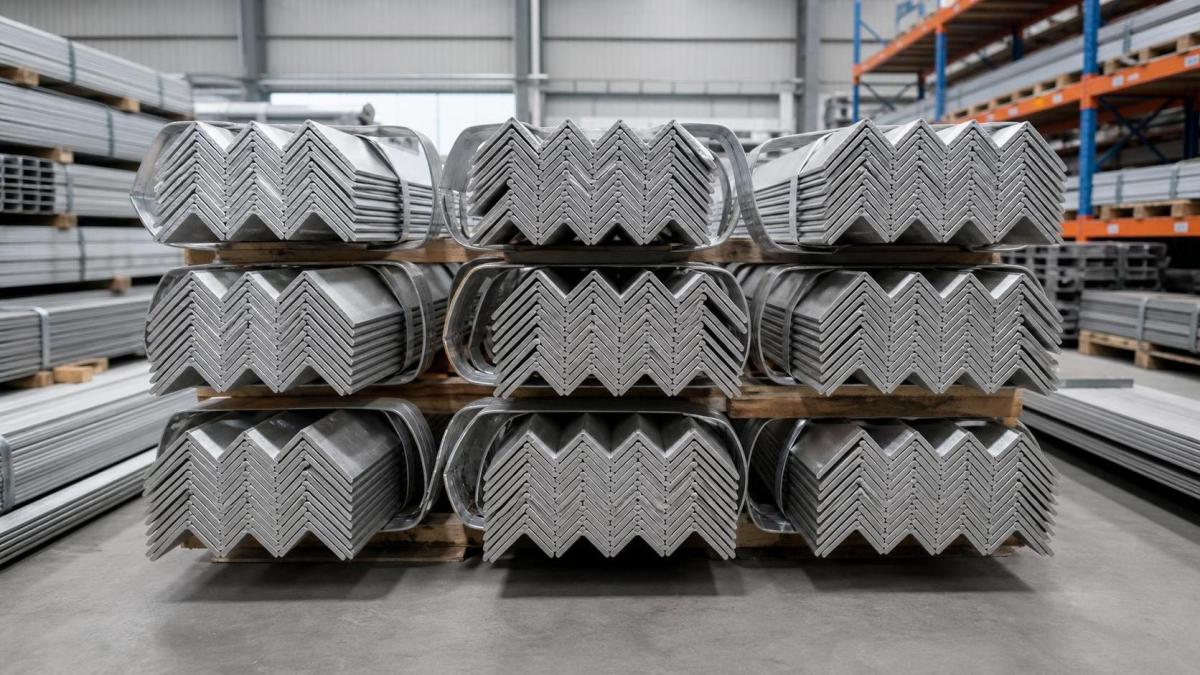
Procurement teams should clarify whether they need equal angle or unequal angle profiles. Equal angle has two legs of the same size, while unequal angle has different leg dimensions. This distinction affects design fit, load path, installation, and downstream cutting. Even if the project drawing appears simple, the buyer should confirm the exact size notation, thickness, length, and tolerance expectation.
Dimensional control matters most when the material will be cut into repeat components, assembled into frames, or aligned with other parts. Straightness, corner consistency, and edge condition can influence fabrication speed. If the angle will be drilled, slotted, welded, polished, or assembled with other components, buyers should share those processing requirements before confirming the order.
Surface Finish and Appearance Risk
Surface finish is a frequent source of misunderstanding in profile purchasing. Some stainless angle orders are for industrial use, where normal handling marks may be acceptable. Others are for visible rails, trims, frames, brackets, or architectural parts, where the final customer expects a cleaner surface. The same phrase can mean different things to a supplier, distributor, and end user.
Buyers should define whether the surface is visible, whether polishing will be done later, whether protective wrapping is required, and whether minor handling marks are acceptable. Photos can help, but they should not replace written expectations. When appearance matters, the buyer should include surface requirements in the order discussion before shipment rather than using them as a complaint after delivery.
Supplier Evaluation Beyond Unit Price
Price is important, but it should not be the only decision point. A strong supplier comparison includes availability, size range, grade options, delivery timing, packaging method, communication clarity, document accuracy, and ability to answer application questions. If two quotations look similar, the better supplier may be the one that provides clearer size confirmation, better packing details, and more realistic delivery communication.
Buyers should also check whether the supplier can support repeat orders. For distributors, repeat supply is crucial because customers expect familiar sizes and consistent material descriptions. For manufacturers, repeat supply helps maintain stable fabrication routines. When a supplier can only offer one shipment but cannot clarify future availability, buyers should factor that risk into the procurement decision.
A useful decision habit is to compare the total order outcome rather than the first quoted line. Material that arrives clearly labeled, properly bundled, and aligned with the fabrication plan can save receiving time, cutting time, and customer-service effort. In contrast, a slightly cheaper shipment may become less attractive if the buyer must re-sort mixed bundles, polish unexpected marks, or delay production while confirming missing details.
Documentation, Labels, and Traceability
International buyers should not overlook documentation. The invoice, packing list, product description, bundle labels, and shipment marks should align with the agreed specification. Long profiles may be stored in a warehouse with other steel products, so clear marking helps receiving teams identify grade, size, quantity, and order reference. Poor labels can create warehouse delays, especially when several similar profiles arrive together.
Traceability is also useful for resale and project allocation. A distributor may need to split a shipment across several customers. A fabricator may need to match incoming material to a production batch. Clear labels and organized packing reduce the chance of mixing sizes or grades, which can be costly once material has been cut or installed.
Procurement Checklist Before Confirming an Order
- Define the final use: visible metalwork, structural support, equipment frame, bracket, resale stock, or general fabrication.
- Confirm grade, equal or unequal profile type, leg dimensions, thickness, length, and tolerance expectation.
- State whether the surface is decorative, industrial, polished later, or hidden after installation.
- Explain cutting, drilling, welding, polishing, or assembly requirements before quotation.
- Ask about bundle size, profile protection, loading method, labels, and export packaging.
- Check whether documents and labels will match the purchase order description.
- Use a smaller trial order when the material will enter a new production process or end-use market.
- Evaluate suppliers by communication clarity, repeat supply, and packaging discipline, not only unit price.
FAQ
Is stainless angle steel only used for construction?
No. It can be used in construction, architectural metalwork, equipment frames, brackets, fabrication assemblies, decorative parts, and industrial support structures. The best specification depends on the end use.
Why should buyers explain the application when requesting a quote?
The application helps the supplier understand grade suitability, surface expectation, tolerance sensitivity, and packaging needs. A quote based only on size and quantity may miss important production or installation requirements.
Should buyers use a specific product page as the landing page?
Yes. A specific product page is more relevant when the article focuses on one product type. It gives readers a direct reference and keeps the anchor text aligned with the material being discussed.
What is the most common procurement risk?
The most common risk is treating angle steel as a simple dimension-and-price purchase. Grade, surface, straightness, processing route, packaging, and documentation can all affect the final business result.
Technical Specifications
- How to Select Electronic Hotel Key Card Locks for Guest Rooms and Staff AreasAuthor :Safety Compliance Lead
- How to Select Lab Instruments for Reliable Chemical Analysis WorkflowsAuthor :Precision Metrology Expert
- How to Size a UPS for Server Rooms: Load, Runtime, and Redundancy FactorsAuthor :Grid Infrastructure Analyst
Expert Insights

Chief Security Architect
Dr. Thorne specializes in the intersection of structural engineering and digital resilience. He has advised three G7 governments on industrial infrastructure security.
Related Analysis
- Sep 17, 2026How to Select Electronic Hotel Key Card Locks for Guest Rooms and Staff AreasAuthor :Safety Compliance Lead
- Sep 16, 2026How to Select Lab Instruments for Reliable Chemical Analysis WorkflowsAuthor :Precision Metrology Expert
- Sep 15, 2026How to Size a UPS for Server Rooms: Load, Runtime, and Redundancy FactorsAuthor :Grid Infrastructure Analyst
Core Sector // 01
Security & Safety
- Stainless Steel Welded Tube Applications: Matching Tube Supply to Fabrication NeedsAuthor :Heavy Industry Strategist

- What Maintenance Do Furnace Components Need After 18 Months?Author :Heavy Industry Strategist

- How to Assess Metal Materials for Thermal Cycling in Power BoilersAuthor :Heavy Industry Strategist

- How to Evaluate Aluminum Extrusion Suppliers for Tight-Tolerance Components?Author :Heavy Industry Strategist

- How to Evaluate a Weld Neck Flange Manufacturer for High-Pressure Pipe ProjectsAuthor :Heavy Industry Strategist

- EU REACH Ban Hits Cr(VI)-Coated Steel ImportsAuthor :Heavy Industry Strategist
-Coated Steel Imports")
- How to Evaluate a Heat Sink Aluminum Profile Supplier for Custom Thermal ProjectsAuthor :Heavy Industry Strategist

- Industrial Metal Fabrication Components Price: What Drives Cost and How to Compare QuotesAuthor :Heavy Industry Strategist