US Tightens Origin Checks on Steel Profiles
Author
Date Published
Reading Time
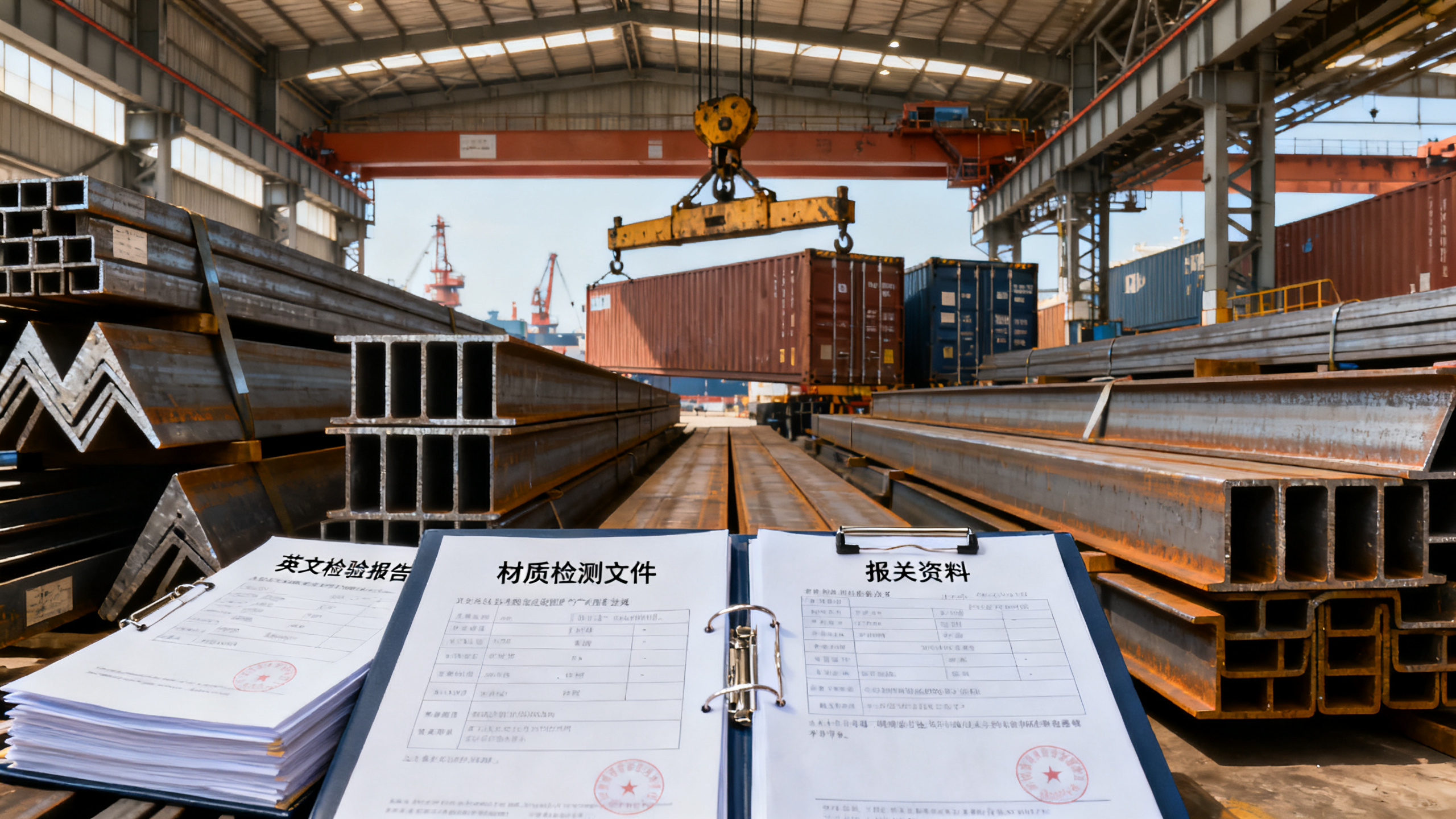
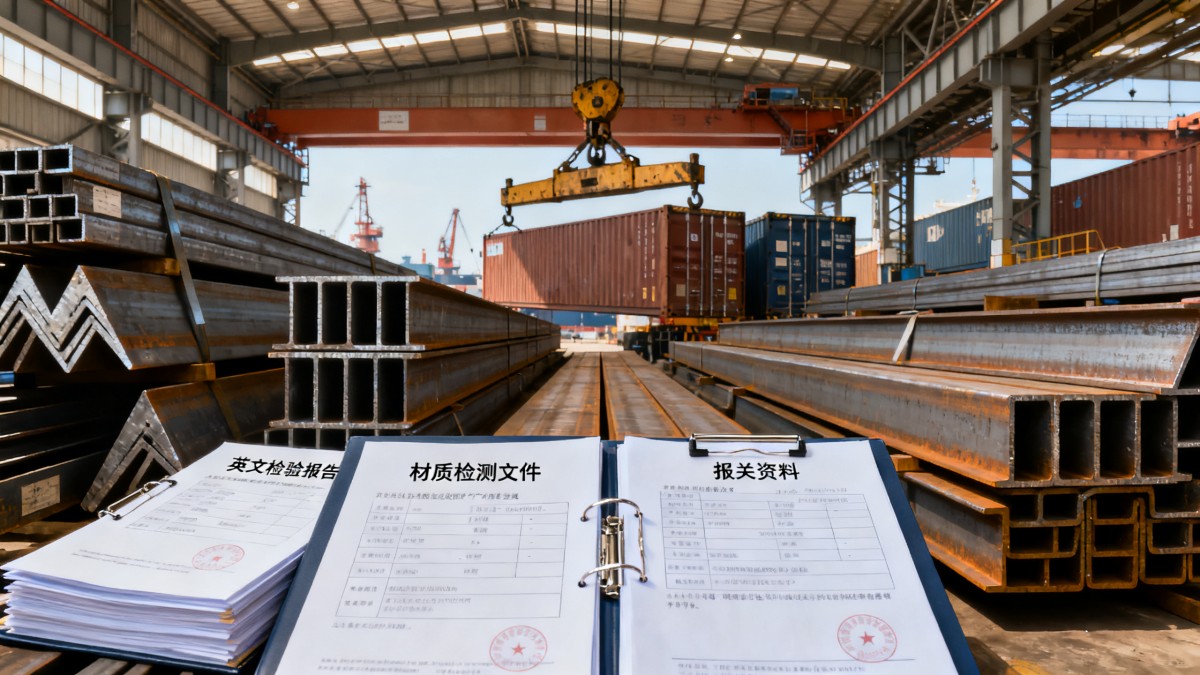
On July 12, 2026, U.S. Customs and Border Protection (CBP) began stricter origin verification for imported steel profiles under HS codes 7301-7308, covering products such as H-beams, angle steel, and channel steel. For importers, exporters, distributors, and supply chain service providers involved in China- and Vietnam-linked shipments to the U.S., the change matters because it adds new documentary expectations and is likely to affect customs timing, documentation workflows, and supplier coordination.
What CBP Has Confirmed
According to the provided event information, CBP has launched an enhanced origin verification process for imported steel profiles under HS codes 7301-7308 effective July 12, 2026. Importers are required to provide a full supply chain declaration together with a third-party metallurgical composition test report. The measure is aimed at a recent increase in transshipment through Southeast Asia. The same information indicates that this will significantly raise documentation costs and customs clearance time for exporters in China and Vietnam delivering to the U.S. market. Distributors are also expected to request material reports issued by ISO/IEC 17025 accredited laboratories from their suppliers in advance.
Where the Pressure Will Appear in Day-to-Day Trade
Export documentation will become a front-end issue
From an industry perspective, direct trading companies shipping steel profiles to the U.S. may feel the first impact in document preparation rather than in product specification itself. Because the new verification focuses on origin and requires a full-chain declaration plus third-party testing, the operational burden is likely to shift earlier in the shipment cycle. What deserves closer attention is whether exporters can assemble consistent origin records and laboratory-backed material documentation before cargo is presented for customs review.
Distributors will need earlier supplier coordination
For distributors, the practical issue is less about policy interpretation and more about whether suppliers can provide the required material reports on time. The provided information specifically points to ISO/IEC 17025 accredited laboratory reports, which means distributors may need to move document collection upstream in their procurement process. The main exposure here is delay risk if documentation is requested only after purchase orders are already moving toward shipment.
Supply chain service providers may face longer file review cycles
Observably, customs brokers, logistics coordinators, and related service providers could be affected through longer pre-clearance checks and higher document verification workloads. Even without adding new confirmed rules beyond the supplied information, the requirement for more complete origin and composition records suggests that shipment handling may become more document-sensitive. Service providers will need to track whether files are complete before cargo reaches the customs stage.
U.S. buyers may need to watch delivery timing more closely
For procurement teams and end users buying imported steel profiles, the likely effect is on delivery predictability. Analysis shows that when customs verification becomes stricter and supporting records become more demanding, shipment scheduling and supplier confirmation tend to require closer follow-up. The immediate concern is not a confirmed supply disruption, but a higher need for advance visibility into compliance readiness.
What Companies Should Be Checking Now
Review whether product lines fall within HS 7301-7308
A practical first step is to confirm whether current shipments to the U.S. include steel profiles covered by HS codes 7301-7308, especially H-beams, angle steel, and channel steel. Businesses should align internal trade, sales, and logistics teams around which orders may require the additional origin and composition documentation.
Confirm the document chain before shipment booking
What deserves closer attention is the sequence of paperwork preparation. A full supply chain declaration and a third-party metallurgical composition test report are now central to customs handling under the provided event description. For companies trading from China or Vietnam into the U.S., that means document readiness should be checked before shipment execution rather than during clearance.
Verify laboratory credentials with suppliers
The supplied information specifically highlights ISO/IEC 17025 accredited laboratory reports. In practice, distributors and import-side buyers should verify early whether suppliers can provide test reports from laboratories meeting that accreditation requirement. This is a narrow but important compliance point because the document itself is part of the expected verification package.
Separate policy signal from shipment execution risk
Analysis shows that companies should distinguish between the headline policy message and the operational effect on each order. The policy signal is stricter scrutiny of origin claims for relevant steel profiles, while the execution risk lies in incomplete records, longer customs processing, and supplier-side lag in producing acceptable reports. That distinction matters for customer communication, lead-time planning, and order acceptance decisions.
Why This Looks Like More Than a One-Off Filing Change
Observably, this development is better understood as a compliance tightening signal rather than a routine paperwork adjustment. The provided information links the action to rising Southeast Asia transshipment concerns, which indicates that origin traceability is the core issue under scrutiny. At the same time, it is still more appropriate to understand this as an evolving trade-control dynamic that requires continued observation, because the supplied facts confirm stricter checks and added documentation needs but do not by themselves establish the full long-term commercial outcome.
How the Market Should Read This for Now
From an industry perspective, the immediate meaning of this update is clear: origin evidence and material verification are becoming more important in U.S.-bound steel profile trade involving China and Vietnam. The most reasonable reading at this stage is not that market conditions have been definitively reshaped, but that compliance preparation now plays a larger role in shipment reliability. For companies across trading, distribution, and logistics functions, this is best treated as an operational and documentation signal that deserves near-term action and ongoing monitoring.
Basis of This Article and What Still Needs Watching
This article is based on the user-provided news title, event date, and event summary related to CBP's enhanced origin verification for steel profiles. For this type of industry development, commonly relevant source categories may include official customs announcements, company disclosures, trade association updates, authoritative media reporting, and standards-related documents. A specific official source link was not provided in the input, so further verification remains necessary. Follow-up attention should focus on any subsequent official wording, implementation detail, or practical clarification affecting document scope, review standards, and clearance handling.
Technical Specifications
- How to Select Electronic Hotel Key Card Locks for Guest Rooms and Staff AreasAuthor :Safety Compliance Lead
- How to Select Lab Instruments for Reliable Chemical Analysis WorkflowsAuthor :Precision Metrology Expert
- How to Size a UPS for Server Rooms: Load, Runtime, and Redundancy FactorsAuthor :Grid Infrastructure Analyst
Expert Insights

Chief Security Architect
Dr. Thorne specializes in the intersection of structural engineering and digital resilience. He has advised three G7 governments on industrial infrastructure security.
Related Analysis
- Sep 17, 2026How to Select Electronic Hotel Key Card Locks for Guest Rooms and Staff AreasAuthor :Safety Compliance Lead
- Sep 16, 2026How to Select Lab Instruments for Reliable Chemical Analysis WorkflowsAuthor :Precision Metrology Expert
- Sep 15, 2026How to Size a UPS for Server Rooms: Load, Runtime, and Redundancy FactorsAuthor :Grid Infrastructure Analyst
Core Sector // 01
Security & Safety
- Stainless Steel Welded Tube Applications: Matching Tube Supply to Fabrication NeedsAuthor :Heavy Industry Strategist

- What Maintenance Do Furnace Components Need After 18 Months?Author :Heavy Industry Strategist

- How to Assess Metal Materials for Thermal Cycling in Power BoilersAuthor :Heavy Industry Strategist

- How to Evaluate Aluminum Extrusion Suppliers for Tight-Tolerance Components?Author :Heavy Industry Strategist

- How to Evaluate a Weld Neck Flange Manufacturer for High-Pressure Pipe ProjectsAuthor :Heavy Industry Strategist

- EU REACH Ban Hits Cr(VI)-Coated Steel ImportsAuthor :Heavy Industry Strategist
-Coated Steel Imports")
- How to Evaluate a Heat Sink Aluminum Profile Supplier for Custom Thermal ProjectsAuthor :Heavy Industry Strategist

- Industrial Metal Fabrication Components Price: What Drives Cost and How to Compare QuotesAuthor :Heavy Industry Strategist