Deep Foundation Engineering Systems Explained: Types, Load Paths, and Best-Fit Applications
Author
Date Published
Reading Time
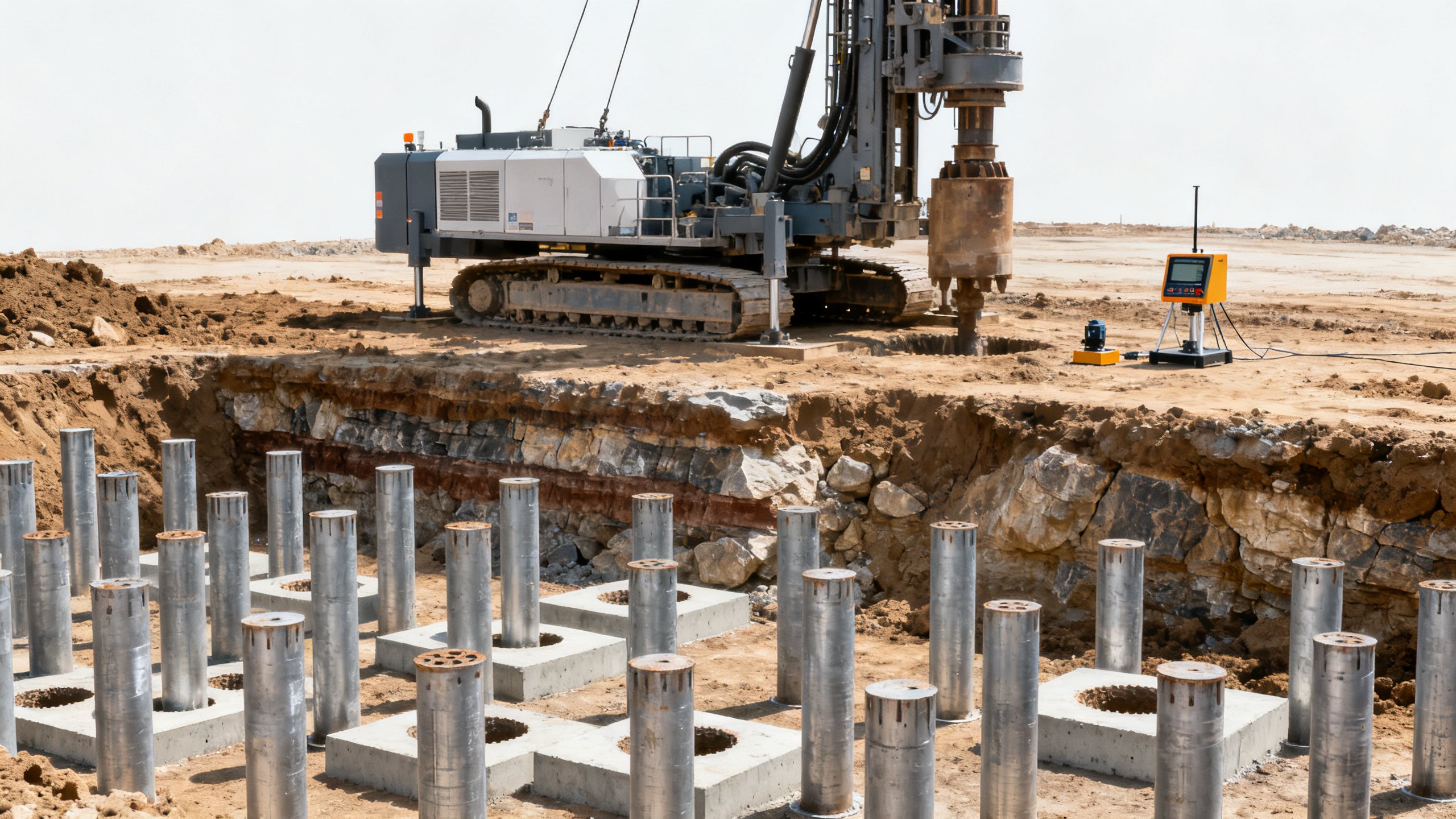
Deep foundation engineering systems sit below the visible structure, yet they often decide whether a project performs as designed for decades or drifts into avoidable settlement, vibration, and remediation risk.
That matters more now because industrial assets are getting heavier, sites are getting tighter, and tolerance for failure is shrinking across energy, transport, utilities, processing, and environmental infrastructure.
For teams managing schedule, compliance, and capital exposure, the subject is not only geotechnical. It is also about procurement logic, construction sequencing, inspection planning, and long-term asset resilience.
Why Deep Foundation Choices Carry Strategic Weight
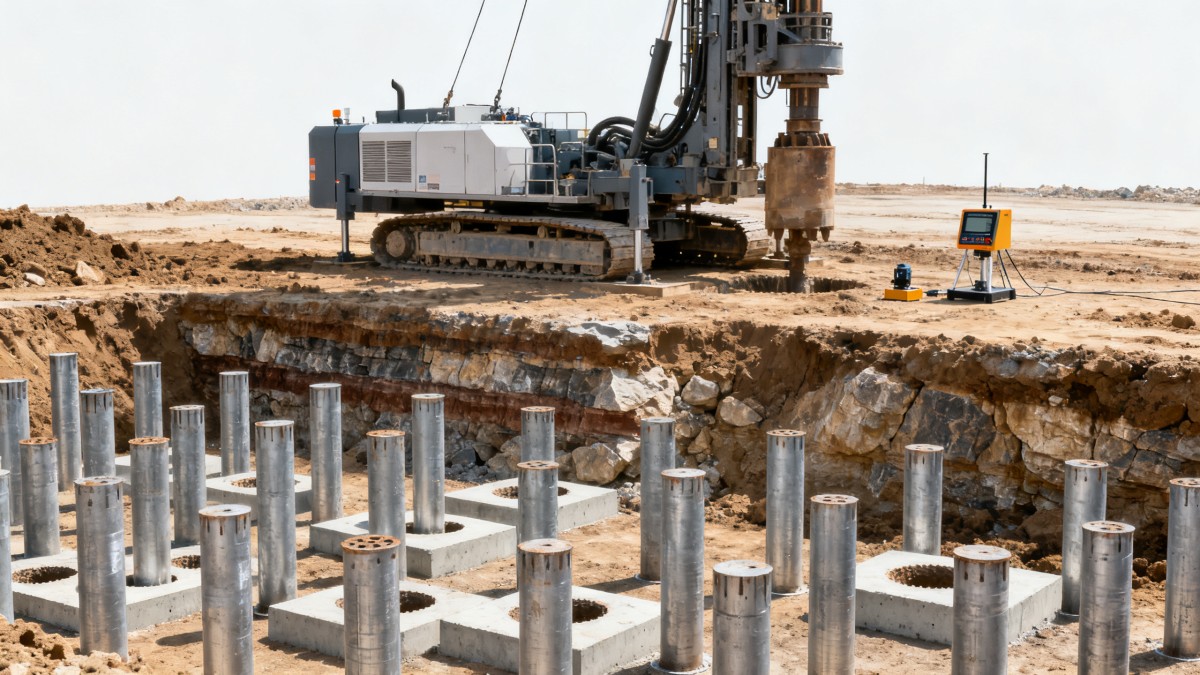
In practical terms, deep foundation engineering systems transfer structural loads to stronger soil or rock at depth when shallow foundations cannot deliver reliable performance.
They are common where surface soils are weak, compressible, expansive, liquefiable, or vulnerable to scour. They also appear where uplift, lateral loading, and fatigue matter as much as vertical bearing.
Industrial projects rarely have the luxury of choosing foundations on first cost alone. A lower bid loses value quickly if it increases noise restrictions, spoils disposal, testing delays, or difficult rework.
This is why Global Industrial Core frames foundation decisions within a wider system view. Ground behavior connects directly with safety, instrumentation, power reliability, environmental controls, and material performance.
A Working View of Types and Load Paths
The main families of deep foundation engineering systems are piles, drilled shafts, caissons, barrettes, micropiles, and specialized anchors or hybrid assemblies.
The basic distinction is simple. Some systems rely heavily on end bearing. Others rely on shaft friction. Many real designs use both, with the balance changing by soil profile and loading condition.
Driven and bored pile systems
Driven steel, precast concrete, and timber piles displace soil during installation. They can offer strong quality control, fast production, and measurable driving resistance during construction.
Bored piles, also called drilled shafts in many markets, remove soil and create a cast-in-place element. They suit large column loads, variable diameters, and dense urban sites where vibration is constrained.
Micropiles and anchors
Micropiles are smaller diameter elements, often grouted and reinforced with steel bars or casing. They are useful where access is limited, headroom is low, or an existing asset must remain in operation.
Anchors and tension piles address uplift from wind, hydrostatic pressure, thermal forces, or equipment dynamics. In many facilities, uplift capacity is a hidden governing criterion.
How the load actually moves
The table looks straightforward, but load path decisions also shape pile cap geometry, reinforcement density, testing method, and inspection hold points.
What the Industry Is Watching More Closely
The market is paying closer attention to performance verification, not just design assumptions. Owners increasingly want measurable installation records, static or dynamic testing, and traceable material certification.
That aligns with broader expectations around CE, UL, ISO, and project-specific quality systems. Deep foundation engineering systems now sit inside a tighter compliance chain than many teams assume at tender stage.
Environmental pressure is rising too. Noise, spoil handling, groundwater management, carbon intensity, and contamination control all influence foundation selection, especially on brownfield and coastal sites.
Another shift is digital verification. Load tests, inclinometers, strain gauges, settlement markers, and data logging are making foundation performance easier to track, but they also expose weak assumptions faster.
Where Each System Tends to Fit Best
Best-fit applications depend on more than bearing capacity. Construction access, environmental permits, neighboring assets, equipment loads, and future expansion plans often change the answer.
Heavy industrial facilities
Process plants, refineries, and large manufacturing lines often combine static building loads with machine-induced vibration. Here, stiffness, settlement compatibility, and fatigue resistance deserve early attention.
Driven steel piles can work well in repetitive modules. Drilled shafts may be preferred for isolated heavy columns or turbine foundations where larger diameters reduce element count.
Transport and civil infrastructure
Bridges, viaducts, ports, and retaining structures face lateral loads, scour, and cyclic demand. Load path reliability under changing water and traffic conditions becomes central.
In these settings, deep foundation engineering systems are often chosen as part of a durability strategy, not just a geotechnical fix.
Energy, power, and environmental assets
Substations, tanks, transmission structures, pump stations, and water treatment facilities frequently require uplift control, corrosion resistance, and strict tolerance for differential settlement.
That is where material selection, coatings, cathodic protection, and monitoring tie foundation design directly to electrical and environmental performance.
How to Judge Suitability Before Procurement Locks In
A common mistake is treating foundation type selection as finished once the geotechnical report is issued. In reality, design intent still needs to survive constructability, logistics, and verification.
A more dependable review usually includes the following checks.
- Confirm the governing load cases, including uplift, lateral forces, cyclic loading, and accidental conditions.
- Test whether the assumed load path matches actual stratigraphy, groundwater variation, and seasonal change.
- Review installation tolerances against superstructure sensitivity and equipment alignment needs.
- Check corrosion exposure, stray current risk, and compatibility with long-life asset standards.
- Define acceptance testing early, including static load tests, integrity tests, driving records, or instrumentation plans.
- Price disposal, dewatering, noise mitigation, and permit obligations alongside the foundation element itself.
These checks reduce the gap between design-stage optimism and field-stage reality. They also make supplier comparisons more meaningful, especially when methods look similar on paper.
Risk Signals That Deserve Early Attention
Several warning signs tend to appear before foundation problems become visible in the structure.
- Geotechnical investigation spacing is too wide for variable ground conditions.
- Temporary works assumptions conflict with permanent foundation sequencing.
- Procurement documents specify capacity but not proof method.
- Nearby operations restrict vibration, access hours, or spoil transport.
- Foundation monitoring is planned after installation instead of during critical stages.
From a commercial standpoint, these are not minor details. They affect claims exposure, commissioning dates, and confidence in long-term performance data.
A Practical Next Step for Better Decisions
The strongest use of deep foundation engineering systems starts with a structured comparison, not a default preference for one method.
Map each candidate system against load path, installation constraints, verification method, durability exposure, and life-cycle risk. Then compare that matrix with actual project tolerances and handover requirements.
For organizations working across complex industrial portfolios, this is also where a technical intelligence source like GIC becomes useful. Independent interpretation of standards, materials, test data, and field evidence helps sharpen decisions before cost and schedule become harder to move.
When the ground profile is uncertain, the best next action is usually clear: refine the investigation, tighten the acceptance criteria, and make sure the selected foundation system can prove performance as well as promise it.
Technical Specifications
- How to Select Electronic Hotel Key Card Locks for Guest Rooms and Staff AreasAuthor :Safety Compliance Lead
- How to Select Lab Instruments for Reliable Chemical Analysis WorkflowsAuthor :Precision Metrology Expert
- How to Size a UPS for Server Rooms: Load, Runtime, and Redundancy FactorsAuthor :Grid Infrastructure Analyst
Expert Insights

Chief Security Architect
Dr. Thorne specializes in the intersection of structural engineering and digital resilience. He has advised three G7 governments on industrial infrastructure security.
Related Analysis
- Sep 17, 2026How to Select Electronic Hotel Key Card Locks for Guest Rooms and Staff AreasAuthor :Safety Compliance Lead
- Sep 16, 2026How to Select Lab Instruments for Reliable Chemical Analysis WorkflowsAuthor :Precision Metrology Expert
- Sep 15, 2026How to Size a UPS for Server Rooms: Load, Runtime, and Redundancy FactorsAuthor :Grid Infrastructure Analyst
Core Sector // 01
Security & Safety
- Stainless Steel Welded Tube Applications: Matching Tube Supply to Fabrication NeedsAuthor :Heavy Industry Strategist

- What Maintenance Do Furnace Components Need After 18 Months?Author :Heavy Industry Strategist

- How to Assess Metal Materials for Thermal Cycling in Power BoilersAuthor :Heavy Industry Strategist

- How to Evaluate Aluminum Extrusion Suppliers for Tight-Tolerance Components?Author :Heavy Industry Strategist

- How to Evaluate a Weld Neck Flange Manufacturer for High-Pressure Pipe ProjectsAuthor :Heavy Industry Strategist

- EU REACH Ban Hits Cr(VI)-Coated Steel ImportsAuthor :Heavy Industry Strategist
-Coated Steel Imports")
- How to Evaluate a Heat Sink Aluminum Profile Supplier for Custom Thermal ProjectsAuthor :Heavy Industry Strategist

- Industrial Metal Fabrication Components Price: What Drives Cost and How to Compare QuotesAuthor :Heavy Industry Strategist