China Customs Starts Real-Time Steel Export Tracking
Author
Date Published
Reading Time

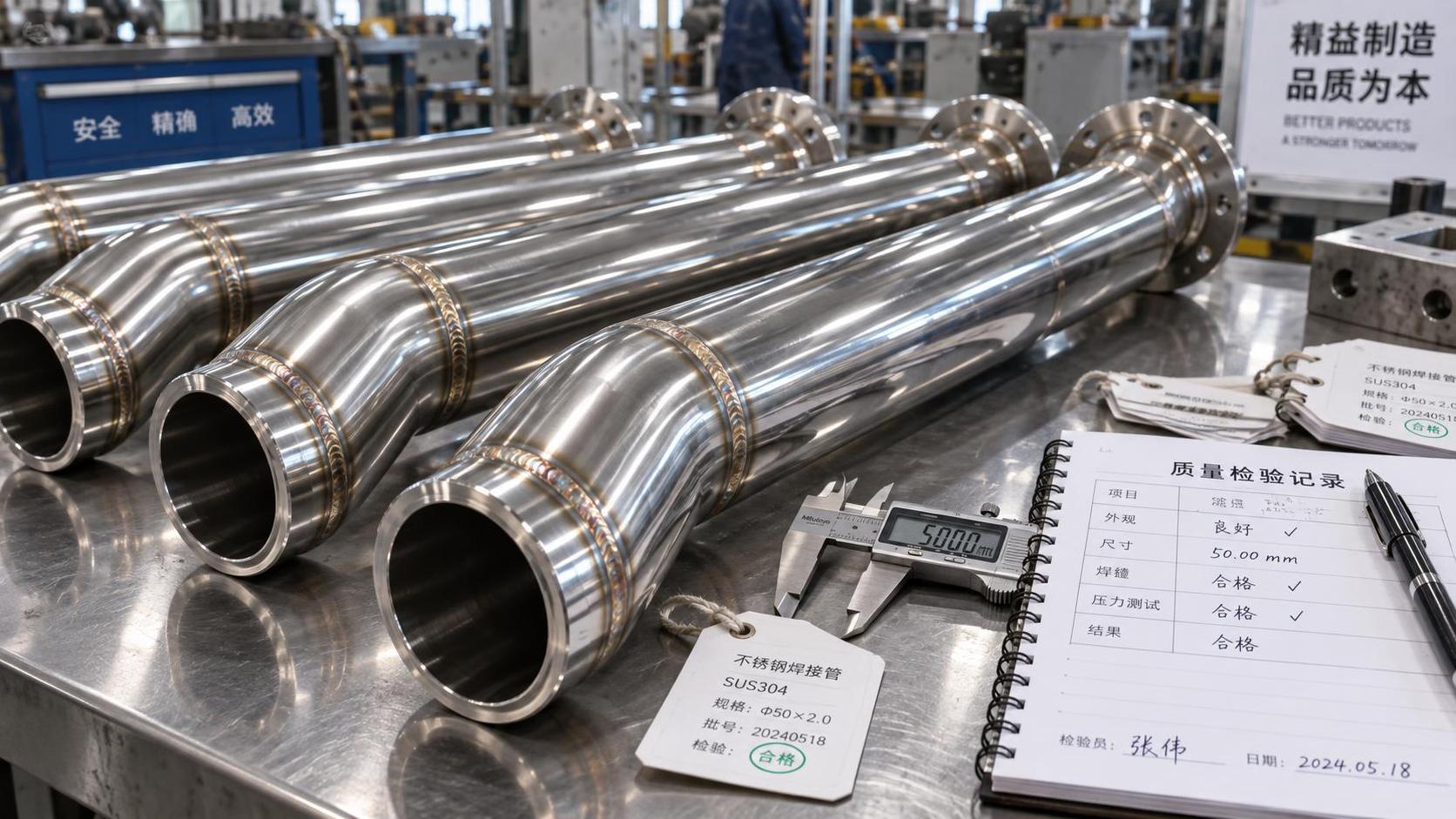
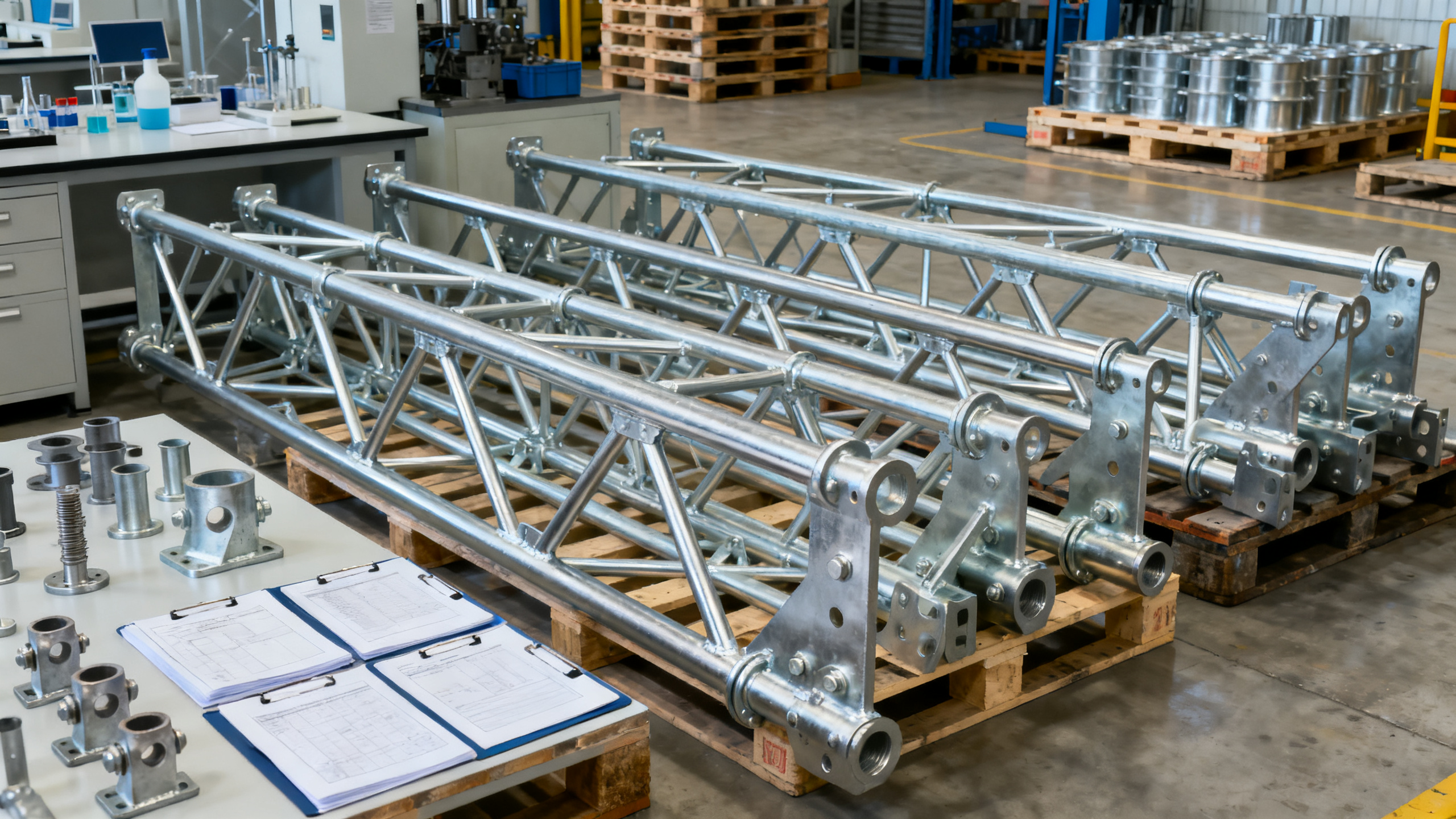
On July 12, 2026, China Customs put a new real-time traceability requirement into operation for exported steel and metal profiles, turning document submission into a pre-customs condition for covered products such as hot-rolled coils, H-beams, and stainless steel pipes. For exporters, traders, processors, inspection-related service providers, and overseas buyers managing delivery schedules, the development is worth close attention because it links customs filing to material certificates, third-party inspection records, destination-country information, and a data-based warning mechanism tied to export credit signals.
What the new customs platform now requires
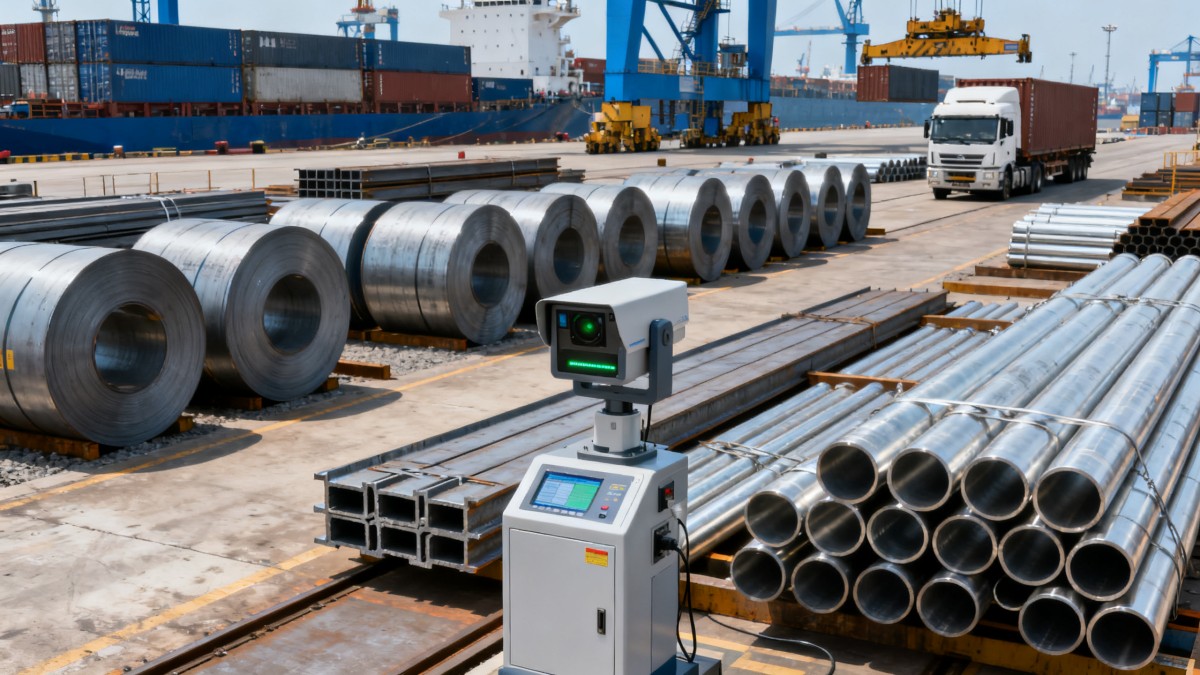
According to the provided event information, the General Administration of Customs of China launched the Steel & Metal Profiles Export Traceability Platform at 00:00 on 2026-07-12. The platform applies to exports of products including hot-rolled coils, H-beams, and stainless steel pipes, among other profiles.
Before customs declaration, exporters are required to upload material certificates, third-party inspection reports, and information on the final destination country. The system also automatically compares submitted trade flows with UN Comtrade data. Where abnormal flow patterns are identified, the platform will trigger a warning tied to export credit downgrading.
Where the rule change is likely to be felt first
Pre-declaration pressure for exporters and trading companies
From an industry perspective, exporters and direct trading companies are the first group affected because the new requirement sits before customs declaration rather than after shipment. The practical impact is likely to appear in document preparation, internal review timing, product-to-document matching, and destination disclosure. What deserves closer attention is whether existing shipment booking and declaration schedules leave enough time to complete document collection and upload without delaying dispatch.
More document coordination for mills and processors
Analysis shows that manufacturers and processing companies connected to export orders may face stronger requests for consistent upstream records. If customs filing now depends on material certificates and third-party inspection reports being ready in advance, the pressure may shift upstream to product traceability, batch alignment, and report readiness. For covered steel categories, suppliers may need to pay closer attention to whether technical and quality documents can be issued in a form that supports export filing without rework.
Inspection and compliance service providers move closer to delivery timing
Third-party inspection bodies and other compliance-related service providers may also see a more time-sensitive role. The event information confirms that third-party inspection reports must be uploaded before declaration, which means report availability can become part of the shipment path rather than a background quality file. Observably, this creates a closer connection between testing documentation and export execution, especially where buyers, sellers, and logistics teams are working against fixed delivery windows.
Buyers and supply chain coordinators may need to revisit destination handling
For overseas buyers, procurement teams, and supply chain coordinators, the requirement to provide final destination country information introduces an additional compliance-sensitive field in the export process. Analysis shows that any mismatch between sales routing, consignee planning, and declared end destination may draw greater scrutiny once trade-flow comparison is automated. This does not by itself confirm a broader enforcement outcome, but it does indicate that destination transparency is becoming more operationally important in steel export execution.
What companies should review now
Check whether current export files are declaration-ready
Companies handling covered steel exports should review whether material certificates, third-party inspection reports, and destination information are available in a consistent and retrievable form before customs filing begins. Based on the provided information, the key issue is not general compliance theory but whether required files can actually be uploaded in time for each shipment.
Reconfirm how destination information is managed across teams
What deserves closer attention is the handling of final destination country data across sales, logistics, customs, and customer communication. Where destination information changes late in the order cycle, companies may need tighter internal controls to reduce the risk of inconsistencies between commercial documents and traceability submissions.
Watch for execution language and filing interpretation
The available information confirms the platform launch and the core upload requirements, but it does not provide further operational detail on filing standards, document format interpretation, or follow-up treatment of warnings. It is therefore more appropriate to monitor subsequent official wording and execution practice rather than assume a fully settled operating standard from the outset.
Assess shipment timing and supplier responsiveness
Analysis shows that companies with tight delivery commitments should pay attention to whether upstream suppliers, inspection partners, and export teams can respond quickly enough when a filing package is incomplete. In practice, the main exposure may arise in order release timing, declaration sequencing, and document correction cycles rather than in contract language alone.
Why this looks like an execution signal, not just a policy note
Observably, this development is more than a general statement of regulatory intent because the platform is described as having gone live at a specific time and because the submission obligation is linked directly to pre-declaration behavior. At the same time, analysis should remain measured: the provided information does not establish how broadly warnings will be applied in practice, how customs officers will interpret edge cases, or how market participants will adapt their workflows over time.
From an industry perspective, the stronger signal is that steel export traceability, document integrity, and destination disclosure are moving closer to frontline customs processing. That makes this worth following as an implemented control point, while leaving room for continued observation on how strictly and uniformly it is executed.
How the market may best read this stage
The most balanced reading of this event is that a concrete compliance step has already entered the export process for certain steel and metal profile shipments, and that affected companies should treat it as an operational requirement rather than a distant policy discussion. At the same time, it would be premature to turn this into a broad conclusion about all downstream market effects, because the provided information does not yet define the full enforcement rhythm, commercial response, or adjustment cost across the supply chain.
Current attention is best placed on documentation readiness, destination consistency, inspection-report availability, and any emerging execution feedback from actual filings. In that sense, this is more appropriate to understand as an implemented rule change with continuing observation needed around how it will be applied in day-to-day trade practice.
Basis of this article and what still needs verification
This article is generated from the user-provided news title, event date, and event summary. Typical source types relevant to developments of this kind may include official notices, releases from customs or trade authorities, information from regulatory bodies, industry association updates, standard-setting documents, and reporting by authoritative media.
No specific official source link was provided in the input, so the exact official publication path still needs to be verified on an ongoing basis. Analysis also indicates that the market should continue watching for any further policy detail, filing guidance, compliance interpretation, tender-document changes, industry feedback, and evidence of how companies are implementing the new requirement in practice.
Technical Specifications
- How to Select Electronic Hotel Key Card Locks for Guest Rooms and Staff AreasAuthor :Safety Compliance Lead
- How to Select Lab Instruments for Reliable Chemical Analysis WorkflowsAuthor :Precision Metrology Expert
- How to Size a UPS for Server Rooms: Load, Runtime, and Redundancy FactorsAuthor :Grid Infrastructure Analyst
Expert Insights

Chief Security Architect
Dr. Thorne specializes in the intersection of structural engineering and digital resilience. He has advised three G7 governments on industrial infrastructure security.
Related Analysis
- Sep 17, 2026How to Select Electronic Hotel Key Card Locks for Guest Rooms and Staff AreasAuthor :Safety Compliance Lead
- Sep 16, 2026How to Select Lab Instruments for Reliable Chemical Analysis WorkflowsAuthor :Precision Metrology Expert
- Sep 15, 2026How to Size a UPS for Server Rooms: Load, Runtime, and Redundancy FactorsAuthor :Grid Infrastructure Analyst
Core Sector // 01
Security & Safety
- Stainless Steel Welded Tube Applications: Matching Tube Supply to Fabrication NeedsAuthor :Heavy Industry Strategist

- What Maintenance Do Furnace Components Need After 18 Months?Author :Heavy Industry Strategist

- How to Assess Metal Materials for Thermal Cycling in Power BoilersAuthor :Heavy Industry Strategist

- How to Evaluate Aluminum Extrusion Suppliers for Tight-Tolerance Components?Author :Heavy Industry Strategist

- How to Evaluate a Weld Neck Flange Manufacturer for High-Pressure Pipe ProjectsAuthor :Heavy Industry Strategist

- EU REACH Ban Hits Cr(VI)-Coated Steel ImportsAuthor :Heavy Industry Strategist
-Coated Steel Imports")
- How to Evaluate a Heat Sink Aluminum Profile Supplier for Custom Thermal ProjectsAuthor :Heavy Industry Strategist

- Industrial Metal Fabrication Components Price: What Drives Cost and How to Compare QuotesAuthor :Heavy Industry Strategist