How to Choose Stainless Steel Bar Without Creating Costly Processing Risks
Author
Date Published
Reading Time
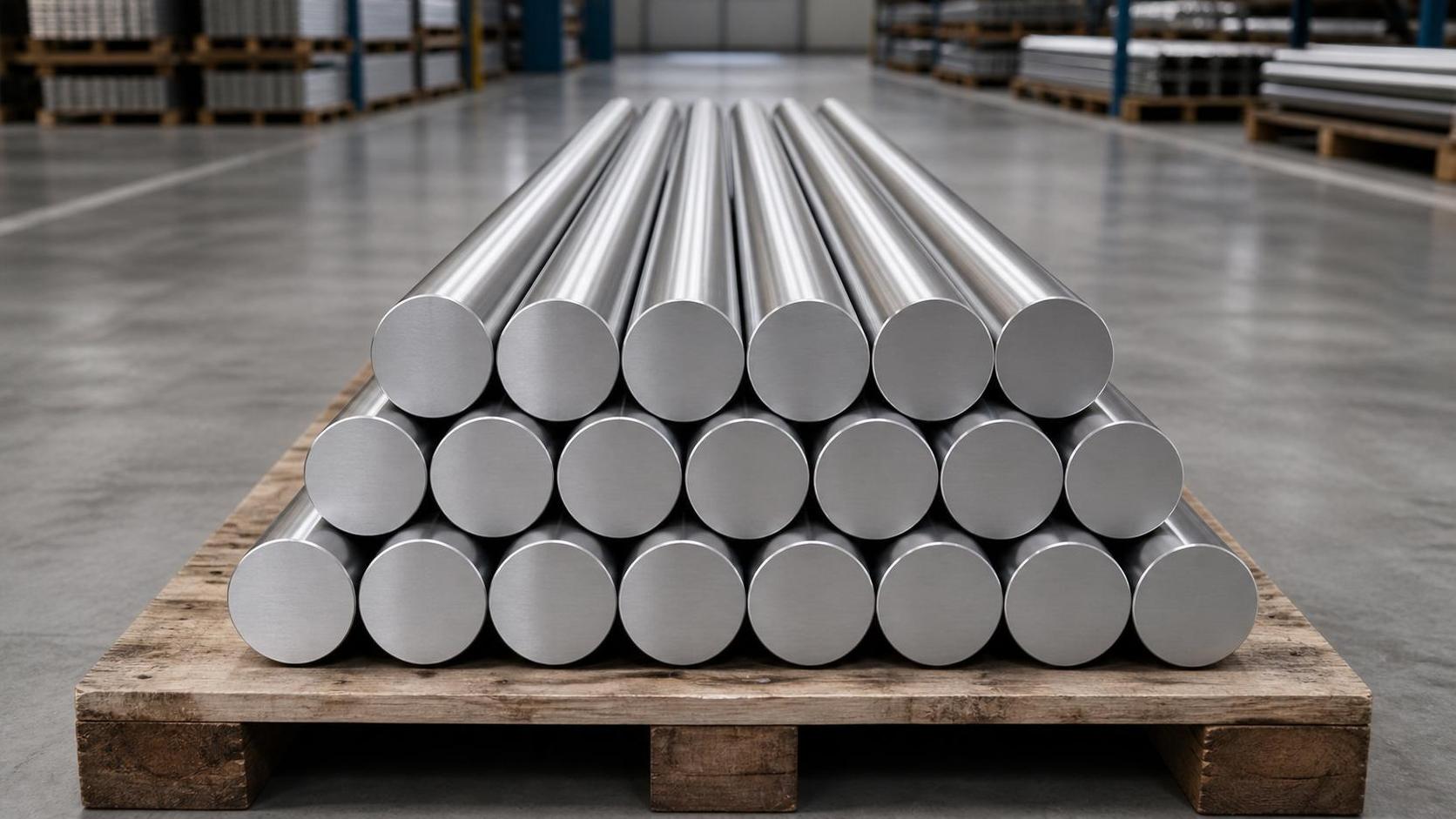
Stainless long products are often purchased with a short specification line, but the actual buying decision is rarely simple. For importers, machining shops, fabricators, valve and fastener producers, equipment builders, and distributors, Stainless Steel Bar must be evaluated by grade, shape, diameter, surface finish, straightness, tolerance, cutting method, packaging, and the downstream process it will enter after arrival.
This broader evaluation matters because stainless bar is usually not the final product. It is a working material that may be turned, milled, drilled, threaded, polished, welded, cut into blanks, or assembled into components. If a buyer selects only by price and nominal grade, hidden costs can appear later as machining delays, excessive scrap, inconsistent surface appearance, warehouse sorting problems, or disputes over whether the material suits the intended application. A better selection process connects the material to the job it needs to perform.
Why Stainless Bar Selection Requires More Than a Grade Name
Grade names are useful, but they do not describe the whole purchase. A common stainless grade can be supplied in different shapes, conditions, surfaces, sizes, and tolerance levels. A round bar intended for precision turning may need a different conversation from a flat bar used in general fabrication. A polished decorative component may require surface control that is less important for a hidden structural bracket. A marine, chemical, food equipment, or architectural environment may also change the buyer's corrosion-resistance expectations.
Buyers should therefore treat the grade as the first filter, not the final decision. After choosing a grade family, the next questions are: what will the bar become, how will it be processed, what surface is acceptable, what dimensional range is needed, and how sensitive is the finished part to straightness or tolerance variation? These questions help prevent the common mistake of purchasing material that looks correct on the invoice but performs poorly in production.
Start With the Final Application
The most practical selection method begins with the final application. Stainless bar used for shafts, pins, valve stems, fasteners, flanges, handles, food-processing components, railings, or decorative parts does not always share the same priorities. A shaft may require better straightness and machining consistency. A decorative rod may need a cleaner surface. A threaded component may need reliable machinability and size stability. A food-contact component may require careful attention to grade suitability and finishing discipline.
When a buyer explains the final use, the supplier has a better chance to recommend a relevant option. If the buyer only asks for a size and a grade, the quotation may be fast but incomplete. For international trade, this lack of detail becomes more risky because replacement or rework can be expensive after goods arrive at the destination port.
Shape, Size, and Tolerance: The Details That Affect Production
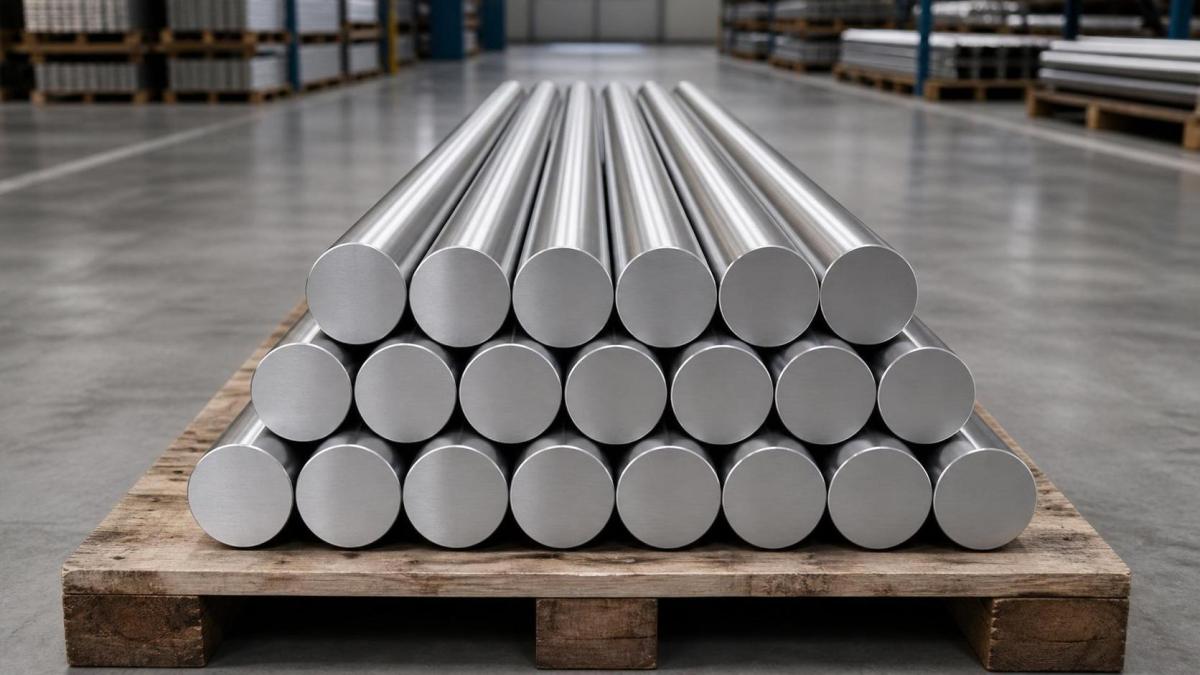
Stainless bar can be purchased as round bar, square bar, flat bar, hex bar, or other long-product forms depending on the supplier's range. The shape should match the customer's processing method. Round bar is common for turned parts, shafts, pins, and machined components. Flat and square bars are often used in fabrication, frames, brackets, and structural or decorative details. Hex bar can reduce machining time for fastener or fitting applications where the final geometry matches the supplied shape.
Diameter or width is only one part of the size conversation. Buyers should also confirm length, straightness expectation, tolerance, cut-to-length needs, bundle weight, and whether the bar will be machined from stock or directly assembled after cutting. If the downstream process is sensitive, even small differences can change tool wear, cycle time, or finished-part yield. A careful inquiry saves time because it helps the supplier understand whether the order is ordinary stock material or closer to a precision-processing requirement.
Surface Finish and Handling Expectations
Surface condition should be discussed early, especially when the bar is used for visible parts. Some applications can accept normal industrial surface condition because the material will be machined, ground, or polished later. Other applications require a cleaner appearance from the start. If the buyer's customer is sensitive to scratches, stains, or visible handling marks, that expectation should be written into the inquiry instead of assumed after delivery.
Handling is part of surface control. Stainless steel may resist corrosion better than many plain carbon steels, but it still needs sensible storage and transport discipline. Bars should be protected from avoidable abrasion, mixed storage confusion, moisture exposure where relevant, and rough loading. Packaging should match the route, not only the product. Long-distance export shipments require bundling, marking, and protection that keep the material identifiable and manageable when it reaches the buyer's warehouse.
Machining and Fabrication Considerations
Many stainless bar purchases are driven by machining and fabrication needs. In these cases, buyers should think beyond the purchase order and consider how the material behaves during production. Machinability, hardness condition, straightness, and consistency can influence tool life and output. If the bar is used for repeat parts, the buyer should pay attention to repeat-order stability, not only the first shipment.
Fabricators should also consider welding, bending, drilling, and finishing requirements. Some buyers need material that will be cut and welded into assemblies; others need bars that will be polished after machining. A supplier cannot evaluate these needs unless the inquiry explains the process. Providing the process does not make the order complicated; it makes the quotation more useful.
Supplier Evaluation for International Buyers
For cross-border procurement, supplier evaluation should include communication quality as well as material range. A useful supplier should be able to confirm product form, size range, grade, surface description, packaging method, shipment documentation, and realistic delivery discussion. The buyer should look for clear answers rather than broad claims. When a supplier asks about the end use, that is often a positive sign because it shows the supplier is trying to reduce mismatch risk.
Buyers should also check how the supplier describes the product page and supporting documents. Product photos, specification descriptions, packing information, and label clarity can all support a smoother order. For distributors, this information helps sales teams explain the material to their own customers. For manufacturers, it helps purchasing and production teams confirm that the incoming material matches the intended process.
Selection Checklist Before Placing an Order
- Define the final part or application before selecting the grade and shape.
- Confirm whether round, flat, square, hex, or another bar form best fits the processing route.
- State size, length, tolerance, straightness, and cut-to-length expectations when relevant.
- Clarify whether the surface is visible, decorative, functional, or only a machining allowance.
- Explain machining, drilling, threading, polishing, welding, or assembly requirements.
- Review export packaging, bundle weight, labeling, and warehouse handling needs.
- Request documentation and product photos when introducing a new supplier or size range.
- Use a trial quantity when the material will enter a sensitive or high-volume production line.
FAQ
Is stainless round bar the same as stainless rod?
In many trade conversations, stainless round bar and stainless rod may be used similarly, but buyers should still confirm diameter, length, surface condition, tolerance, and intended use. The exact wording can vary by supplier and market.
Why should buyers mention the processing method?
The processing method helps the supplier understand whether the order is for general stock, machining, decorative use, fabrication, or precision components. This can affect the recommended shape, surface, tolerance, and packaging.
Should the buyer choose a specific product page or a category page as the landing page?
A specific product page is stronger when the article focuses on one product type. It creates a clearer connection between the buyer guidance, the anchor text, and the material being evaluated.
What is the most common selection risk?
The most common risk is assuming that grade and diameter are enough. For many orders, surface finish, straightness, tolerance, processing route, and packaging can be just as important to the final business result.
Editorial Review Note
This article is buyer-facing selection guidance for stainless long products. It avoids fabricated prices, unsupported performance claims, invented customer cases, and unverified certification statements.
Technical Specifications
- Air Handling Unit Supplier Checklist: Performance Data, Lead Times, and SupportAuthor :Environmental Engineering Director
- Buying Fiberglass Water Tanks Wholesale: Compare Quotes and Delivery CostsAuthor :Environmental Engineering Director
- Choosing an XLPE Power Cable Supplier: Test Reports, Traceability, and Lead TimesAuthor :Grid Infrastructure Analyst
Expert Insights

Chief Security Architect
Dr. Thorne specializes in the intersection of structural engineering and digital resilience. He has advised three G7 governments on industrial infrastructure security.
Related Analysis
- Oct 19, 2026Air Handling Unit Supplier Checklist: Performance Data, Lead Times, and SupportAuthor :Environmental Engineering Director
- Oct 18, 2026Buying Fiberglass Water Tanks Wholesale: Compare Quotes and Delivery CostsAuthor :Environmental Engineering Director
- Oct 17, 2026Choosing an XLPE Power Cable Supplier: Test Reports, Traceability, and Lead TimesAuthor :Grid Infrastructure Analyst
Core Sector // 01
Security & Safety
- How to Specify Steel Heavy-Duty Corner Guards for Loading Bays and High-Traffic AreasAuthor :Heavy Industry Strategist

- Selecting Non-Ferrous Metal Plates for Corrosion, Weight, and Formability RequirementsAuthor :Heavy Industry Strategist

- Stainless Steel Welded Tube Applications: Matching Tube Supply to Fabrication NeedsAuthor :Heavy Industry Strategist

- What Maintenance Do Furnace Components Need After 18 Months?Author :Heavy Industry Strategist

- How to Assess Metal Materials for Thermal Cycling in Power BoilersAuthor :Heavy Industry Strategist

- How to Evaluate Aluminum Extrusion Suppliers for Tight-Tolerance Components?Author :Heavy Industry Strategist

- How to Evaluate a Weld Neck Flange Manufacturer for High-Pressure Pipe ProjectsAuthor :Heavy Industry Strategist

- EU REACH Ban Hits Cr(VI)-Coated Steel ImportsAuthor :Heavy Industry Strategist
-Coated Steel Imports")