Where industrial ecology solutions reduce electrical project risk
Author
Date Published
Reading Time
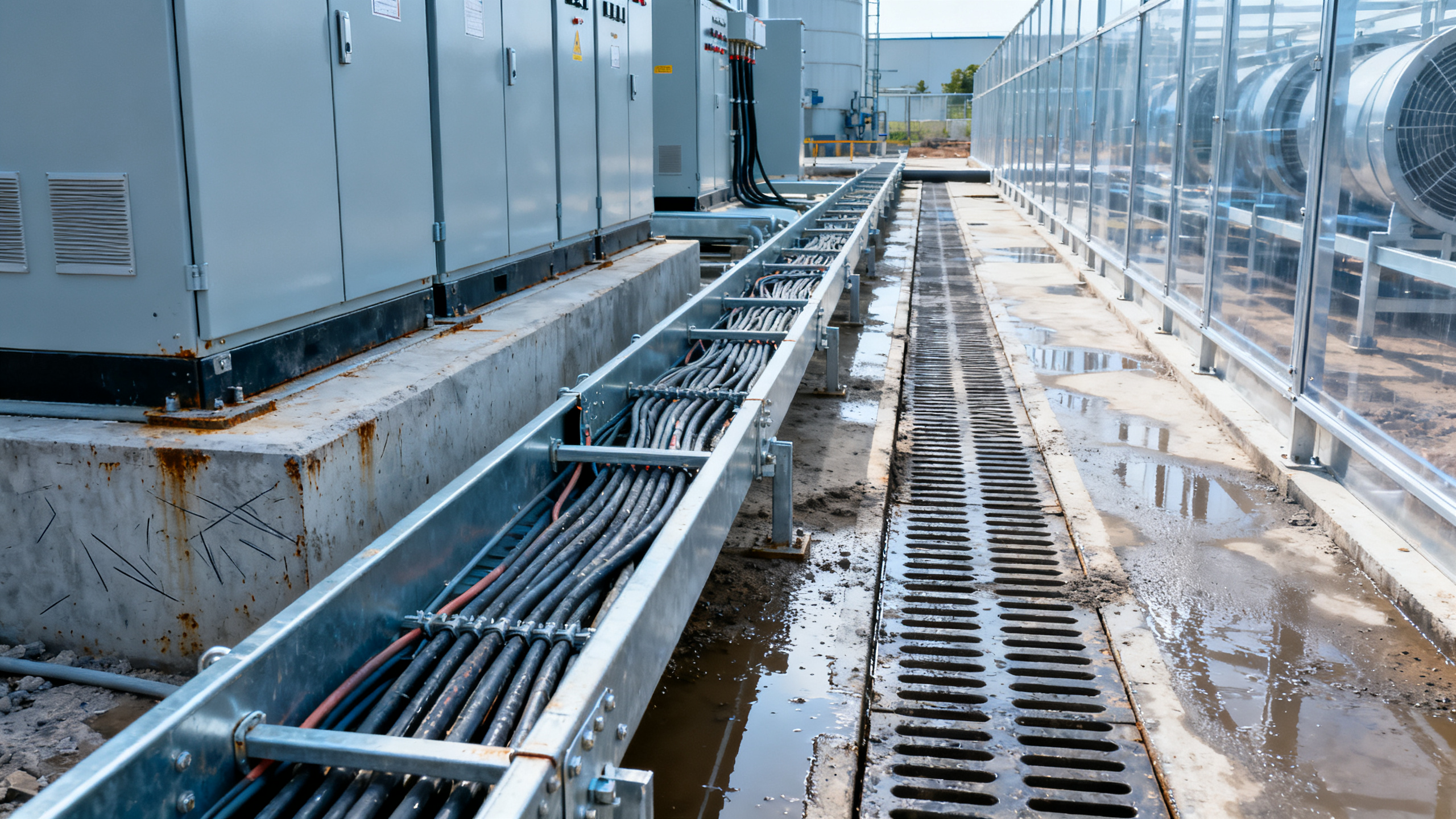
For enterprise decision-makers, electrical project risk is no longer confined to cost or schedule—it now includes compliance, resilience, and environmental accountability. This is where industrial ecology solutions for electrical infrastructure create measurable value, helping organizations reduce operational vulnerability, strengthen long-term asset performance, and align engineering decisions with stricter global standards and procurement expectations.
Why electrical project risk is expanding beyond engineering scope
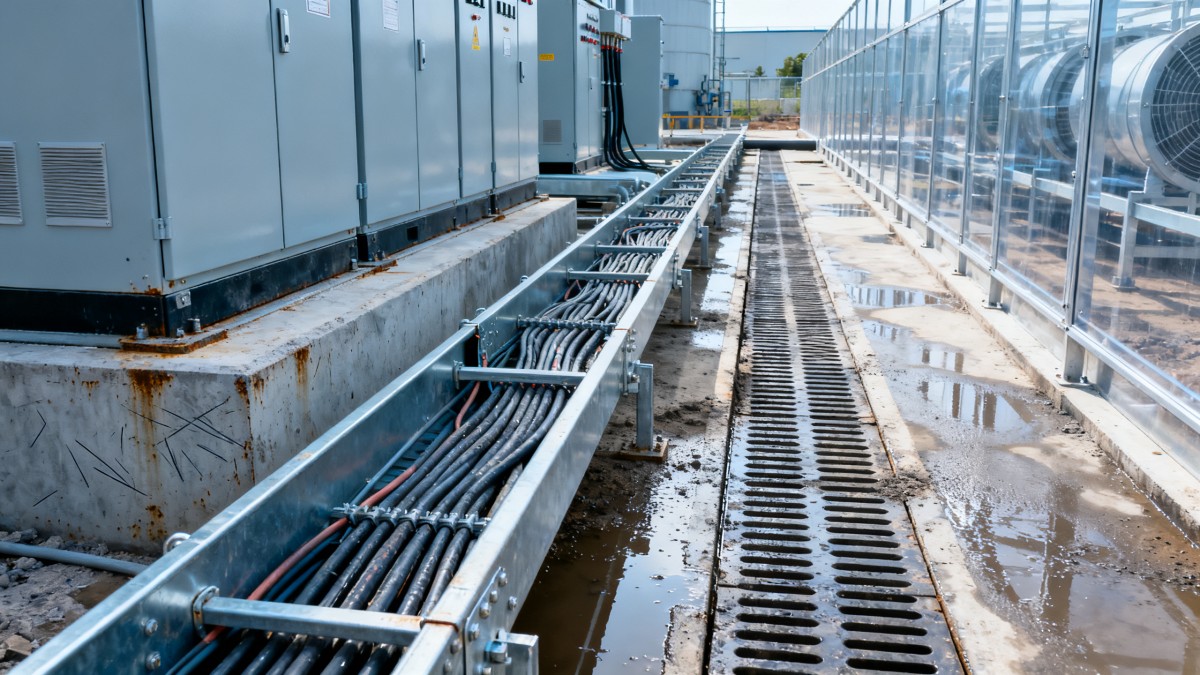
In complex industrial environments, electrical infrastructure is no longer evaluated as an isolated technical package. Power distribution, grounding, switchgear protection, cable routing, emissions control, water management, waste handling, and site safety increasingly interact as one operational system. When these interfaces are poorly managed, risk rises across the full project lifecycle.
For decision-makers in EPC, plant operations, and strategic procurement, the practical question is not whether sustainability matters. The real question is where industrial ecology solutions for electrical infrastructure reduce measurable risk. In most projects, the answer appears in permitting, asset durability, shutdown avoidance, maintenance planning, and supplier qualification.
An industrial ecology perspective treats environmental performance, resource efficiency, and electrical reliability as linked design variables. That matters in heavy industry, logistics hubs, utilities, processing sites, and mixed-use industrial campuses where one weak subsystem can delay commissioning or trigger compliance issues after startup.
- Permitting risk grows when drainage, hazardous material handling, and electrical layouts are reviewed separately instead of as one infrastructure plan.
- Operational risk increases when equipment selection ignores ambient temperature, dust load, corrosion exposure, runoff patterns, or ventilation constraints.
- Procurement risk rises when suppliers can quote components, but cannot support documentation for CE, UL, ISO-related workflows, traceability, or installation compatibility.
What industrial ecology solutions for electrical infrastructure actually include
The term covers more than low-carbon messaging. In practical industrial procurement, industrial ecology solutions for electrical infrastructure refer to integrated methods that reduce environmental impact while improving reliability, service life, maintainability, and compliance readiness across electrical assets.
Core solution categories
- Material and enclosure strategy: corrosion-resistant housings, recyclable metals, lower-impact insulation options, and coatings selected for harsh industrial exposure.
- Site ecology integration: cable trench design, runoff control, thermal management, and containment systems that reduce contamination and water ingress risk.
- Energy and power quality management: architectures that reduce loss, improve efficiency, and lower thermal stress on transformers, switchboards, and drives.
- Lifecycle maintenance planning: designs that simplify inspection access, component replacement, documentation control, and end-of-life segregation.
This integrated view is particularly relevant where industrial sites face dust, moisture, vibration, chemical exposure, flood risk, or strict wastewater and emissions controls. In such settings, environmental misalignment often becomes an electrical failure issue long before it appears on a sustainability report.
Where these solutions reduce risk most: key industrial scenarios
The value of industrial ecology solutions for electrical infrastructure becomes clearer when assessed by application scenario. Enterprise buyers should map solution fit to operational exposure, regulatory context, and asset criticality rather than selecting by component price alone.
The table shows a recurring pattern: the greatest risk reduction does not come from one premium component, but from better coordination between environment, layout, maintenance, and electrical design. This is why many capital projects now assess ecological fit during front-end engineering, not after procurement.
How to compare conventional design and ecology-led electrical planning
Many procurement teams still evaluate bids around capex, delivery time, and nominal ratings. That method can miss downstream cost drivers. A comparison framework helps leadership identify where industrial ecology solutions for electrical infrastructure improve total project outcomes.
For executive teams, this comparison often reframes the business case. A lower purchase price may become less attractive if it introduces rework, permit delay, poor maintainability, or accelerated enclosure replacement in harsh environments.
What procurement leaders should verify before approving a solution
Not every environmentally positioned product supports industrial-grade performance. Procurement should test whether industrial ecology solutions for electrical infrastructure are documented, implementable, and compatible with site conditions.
Practical supplier assessment checklist
- Ask how the supplier addresses corrosion, contamination, thermal load, and ingress for the exact installation environment rather than for generic indoor service.
- Verify whether material choices, sealing methods, and mounting details support the expected cleaning regime, weather pattern, and maintenance cycle.
- Confirm that compliance documents, test records, and technical files can be supplied in a format suitable for EPC documentation and owner review.
- Evaluate replacement lead times, spare strategy, and compatibility with existing switchgear, cable systems, grounding arrangements, and monitoring infrastructure.
- Request clarity on installation limitations, service access, and failure modes instead of relying only on headline performance claims.
This is where a specialist intelligence partner adds value. GIC helps buyers connect electrical and ecological criteria within one sourcing framework, reducing the risk of selecting a technically compliant component that performs poorly in the real operating environment.
Which standards and compliance issues deserve early attention
Compliance risk often appears late because teams assume electrical standards alone are enough. In reality, industrial ecology solutions for electrical infrastructure may touch product safety, environmental handling, site-specific regulations, and documentation traceability at the same time.
Key areas to review
- Electrical safety and conformity: project teams commonly align with frameworks such as CE, UL, and relevant ISO-supported management systems depending on market and application.
- Ingress and environmental exposure: ratings should reflect moisture, dust, washdown, corrosive atmosphere, UV exposure, and temperature cycling.
- Material and waste handling: component selection may affect disposal routes, hazardous substance management, and maintenance segregation procedures.
- Documentation integrity: drawings, bill of materials, test records, and supplier declarations should support auditability across procurement and handover.
For multinational projects, compliance mapping should start before tender finalization. Early alignment avoids expensive substitutions, repeated approval cycles, and late-stage engineering changes that disrupt commissioning schedules.
Common mistakes that increase cost even when the initial bid looks attractive
Several recurring procurement mistakes undermine otherwise well-funded projects. These errors usually happen when electrical design decisions are separated from environmental realities or when teams underestimate the cost of maintenance access and compliance revisions.
- Choosing enclosure or cable protection strategies based on catalog data without checking local dust, moisture, and cleaning exposure.
- Treating drainage, trenching, and runoff control as civil issues only, even though they directly influence cable degradation and electrical fault probability.
- Approving alternate materials without reviewing lifecycle consequences, corrosion behavior, or replacement frequency.
- Buying from multiple vendors without documentation alignment, creating gaps in traceability and inconsistent commissioning records.
These are not theoretical issues. In industrial settings, a small mismatch in ingress protection, cabinet location, or material compatibility can trigger repeated downtime, unplanned service labor, and shortened asset life. That is why risk-aware buyers increasingly look for integrated sourcing intelligence rather than isolated component quotations.
How GIC supports better sourcing and lower decision risk
Global Industrial Core operates at the point where procurement, engineering, safety, and environmental performance intersect. For enterprise buyers, the advantage is not simply access to product information. It is access to structured, decision-ready intelligence across electrical and power grid systems, environment and ecology, safety compliance, instrumentation, and foundational industrial components.
What this means in practice
- You can evaluate industrial ecology solutions for electrical infrastructure against real procurement constraints such as delivery windows, documentation completeness, and project interfaces.
- You can compare sourcing paths across compliance expectations, site exposure conditions, and maintainability requirements instead of relying on price-first filtering.
- You can reduce internal review friction by aligning environmental, electrical, and operational criteria before final supplier shortlisting.
For decision-makers managing capex-heavy or mission-critical infrastructure, that translates into faster technical validation and fewer surprises between design approval and operational handover.
FAQ: what enterprise buyers often ask before moving forward
Are industrial ecology solutions for electrical infrastructure only relevant for new greenfield projects?
No. They are highly relevant in brownfield retrofits, energy upgrades, enclosure replacement programs, utility modernization, and plant resilience projects. Existing sites often benefit more because hidden environmental-electrical conflicts are already causing maintenance cost, inefficiency, or compliance pressure.
How should buyers justify the added cost of ecology-led specifications?
The business case is usually strongest when framed through avoided downtime, reduced replacement frequency, smoother permitting, lower rework, and improved inspection readiness. Instead of asking whether a solution costs more upfront, ask whether it lowers the probability of shutdowns, premature corrosion, water ingress, or late compliance changes.
What procurement data should be requested from suppliers?
Request operating environment assumptions, material details, ingress-related design information, maintenance recommendations, compatibility notes, documentation packages, and relevant conformity support. If the supplier cannot explain where the product should not be used, the risk review is incomplete.
Which projects benefit most from early consultation?
Projects with aggressive delivery schedules, strict owner specifications, cross-border compliance demands, harsh environments, or multiple package vendors benefit the most. Early consultation is also valuable where facility managers expect long service life and limited shutdown windows.
Why choose us for high-stakes electrical and industrial ecology decisions
When electrical reliability, environmental exposure, and procurement complexity converge, generic sourcing advice is rarely enough. GIC supports enterprise decision-makers with cross-functional industrial insight designed for high-consequence infrastructure environments.
You can contact GIC to discuss parameter confirmation for site conditions, solution selection for industrial ecology solutions for electrical infrastructure, expected delivery timelines, documentation and certification expectations, replacement or retrofit strategy, sample support where applicable, and quotation alignment across technical and compliance requirements.
If your team is balancing uptime risk, budget discipline, and global compliance pressure, a structured review before final sourcing can prevent costly downstream corrections. GIC helps you evaluate what fits, what conflicts, and what deserves deeper technical verification before commitment.
Technical Specifications
- How to Select an Emissions Monitoring System Analyzer for Compliance ReportingAuthor :Precision Metrology Expert
- How to Select an Access Control Management System for Multi-Site FacilitiesAuthor :Safety Compliance Lead
- Portable Gas Monitor Calibration: How Often Is It Needed for Safe Confined-Space Work?Author :Precision Metrology Expert
Expert Insights

Chief Security Architect
Dr. Thorne specializes in the intersection of structural engineering and digital resilience. He has advised three G7 governments on industrial infrastructure security.
Related Analysis
- Sep 21, 2026How to Select an Emissions Monitoring System Analyzer for Compliance ReportingAuthor :Precision Metrology Expert
- Sep 20, 2026How to Select an Access Control Management System for Multi-Site FacilitiesAuthor :Safety Compliance Lead
- Sep 19, 2026Portable Gas Monitor Calibration: How Often Is It Needed for Safe Confined-Space Work?Author :Precision Metrology Expert
Core Sector // 01
Security & Safety
- How to Size a UPS for Server Rooms: Load, Runtime, and Redundancy FactorsAuthor :Grid Infrastructure Analyst

- How to Choose a Step-Down Transformer for a Control Panel: Key Sizing FactorsAuthor :Grid Infrastructure Analyst

- How Often Should Overseas Power Systems Undergo Safety Inspections?Author :Grid Infrastructure Analyst

- How to Choose Panels for Extreme-Cold Industrial Sites?Author :Grid Infrastructure Analyst

- What Should a Cross-Border EPC Equipment Procurement Reference Include?Author :Grid Infrastructure Analyst

- How to Compare Low-Voltage Equipment for Panel IntegrationAuthor :Grid Infrastructure Analyst

- IEC-Compliant Power Infrastructure: Key Design and Verification RequirementsAuthor :Grid Infrastructure Analyst

- Updated EN 61000-6-4:2026 Raises EMC Compliance Bar for EU-Bound Industrial EquipmentAuthor :Grid Infrastructure Analyst