Electrical & Power solutions for aging industrial facilities
Author
Date Published
Reading Time
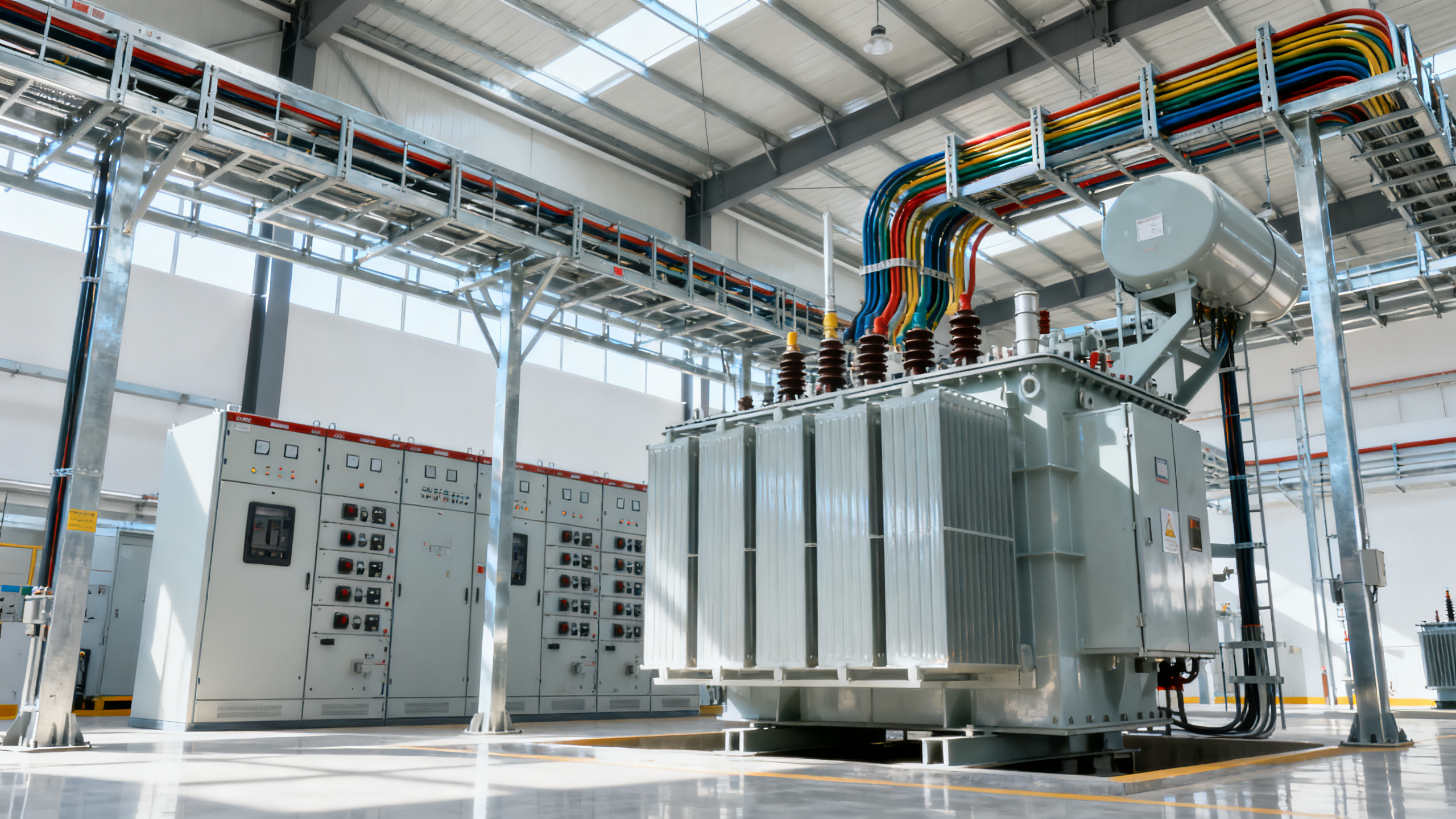
Aging industrial facilities face growing risks from obsolete infrastructure, rising downtime, and tightening compliance demands. Effective Electrical & Power solutions help project leaders modernize critical systems, improve operational resilience, and control lifecycle costs without disrupting production. This article explores practical strategies for upgrading legacy power environments with safety, efficiency, and long-term performance in mind.
Why aging plants can no longer delay Electrical & Power solutions
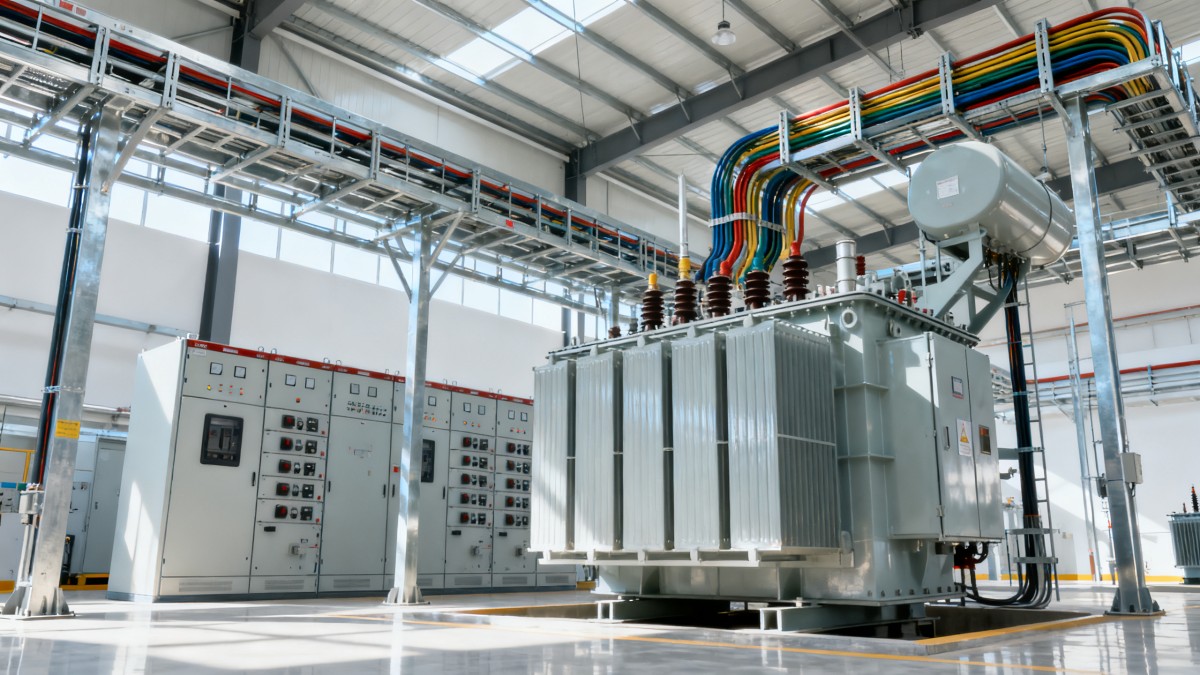
For project managers and engineering leads, the problem is rarely just old equipment. The larger issue is system interdependence. An aging switchboard affects motor control. A weak grounding network increases instrumentation error. An overloaded feeder can compromise HVAC, process lines, and safety systems at the same time. In older facilities, electrical assets often outlive their design assumptions while production loads keep expanding.
That is why Electrical & Power solutions in mature industrial sites must be approached as an operational risk program, not a simple replacement exercise. In the combined industrial landscape, facilities may include process manufacturing, warehousing, utilities, materials handling, environmental control systems, and mixed-voltage distribution. Each layer introduces different performance constraints, shutdown windows, and compliance obligations.
Global Industrial Core supports this decision environment by focusing on the foundational systems behind industrial continuity. For EPC contractors, facility managers, and procurement directors, the value is in connecting technical due diligence with sourcing judgment. The result is a more disciplined path to modernization: identify critical failure points, sequence upgrades around production, and align components with safety, reliability, and certification requirements.
- Legacy distribution architecture may no longer match current connected loads, especially after years of line expansion and equipment additions.
- Maintenance records are often incomplete, making it difficult to predict failure patterns or confirm spare parts compatibility.
- Safety and compliance expectations have tightened, particularly around isolation, arc flash, earthing, labeling, and protective coordination.
- Planned outages are expensive, so project teams must phase Electrical & Power solutions without creating new bottlenecks.
What problems should project leaders assess first?
Before selecting products or issuing RFQs, teams need a disciplined baseline. The first question is not which component to buy. It is where operational exposure is concentrated. In older plants, electrical failures typically emerge in a few recurring zones: incoming power distribution, protection devices, cable systems, motor control centers, backup power assets, and monitoring blind spots.
A practical audit should connect physical asset condition with business consequence. A feeder serving a noncritical area may tolerate deferred replacement. A transformer linked to continuous process loads may not. This distinction helps project leaders protect budget while avoiding false economies.
High-priority risk indicators in legacy facilities
The following table helps frame where Electrical & Power solutions usually deliver the fastest operational value in aging industrial environments.
This comparison shows why a condition-led upgrade plan is stronger than age-based replacement alone. Some assets remain serviceable with monitoring and targeted refurbishment, while others create disproportionate business risk and should move to the front of the capital plan.
Which Electrical & Power solutions fit different upgrade scenarios?
Not every facility needs a full electrical rebuild. In many cases, the right strategy is to match the intervention level to site criticality, budget, and outage constraints. Project leaders usually work across three upgrade paths: targeted remediation, phased modernization, and architecture redesign.
1. Targeted remediation
This route fits plants where the base distribution structure is still viable but several weak points are driving maintenance burden. Common measures include replacing selected breakers, upgrading protection relays, reterminating damaged cable joints, improving earthing continuity, and installing power quality monitoring. It is often the lowest-disruption path when shutdown windows are narrow.
2. Phased modernization
This is often the most practical Electrical & Power solutions model for mixed-use industrial sites. Teams sequence work by critical load groups, replace obsolete panels in stages, add digital metering, and rationalize protection settings. The goal is to reduce risk incrementally while preserving production continuity and cash flow control.
3. Architecture redesign
Where load growth, safety gaps, or repeated failures indicate structural limits, redesign becomes necessary. That may involve new sub-distribution arrangements, revised feeder topology, improved redundancy, new motor control strategy, integrated backup power logic, or relocation of sensitive loads. This approach requires stronger front-end engineering but creates the clearest long-term resilience gains.
- Choose remediation when failures are localized and core capacity remains acceptable.
- Choose phased modernization when asset age is broad but capital and outage timing must be managed carefully.
- Choose redesign when the site no longer supports future load, compliance, or continuity requirements.
How to compare options without losing control of budget and schedule
Project managers often face a difficult trade-off. The cheapest option may increase downtime risk. The most advanced option may exceed practical ROI. A disciplined comparison framework helps keep Electrical & Power solutions aligned with business reality rather than vendor preference.
The table below compares common upgrade models using criteria that matter in real industrial delivery programs.
This comparison helps procurement and engineering teams build a decision case that can be defended internally. It also creates a clearer conversation with suppliers about scope, staging, and acceptable trade-offs.
Cost questions that deserve early attention
- How much production loss does one unplanned outage hour create for the site or process line?
- Will a lower-cost component create future sourcing risk because of certification mismatch or poor spare part availability?
- Can temporary power, modular skids, or staged installation reduce shutdown cost enough to justify a stronger upgrade package?
- Are maintenance labor and testing intervals being counted in lifecycle cost, not just purchase price?
What technical and compliance factors matter most in procurement?
In industrial sourcing, Electrical & Power solutions cannot be judged on headline specifications alone. Project leaders need to confirm whether the proposed equipment suits the actual duty profile, fault levels, environmental conditions, and regulatory framework of the facility. Procurement errors often happen when catalog values are accepted without checking field context.
Core evaluation points
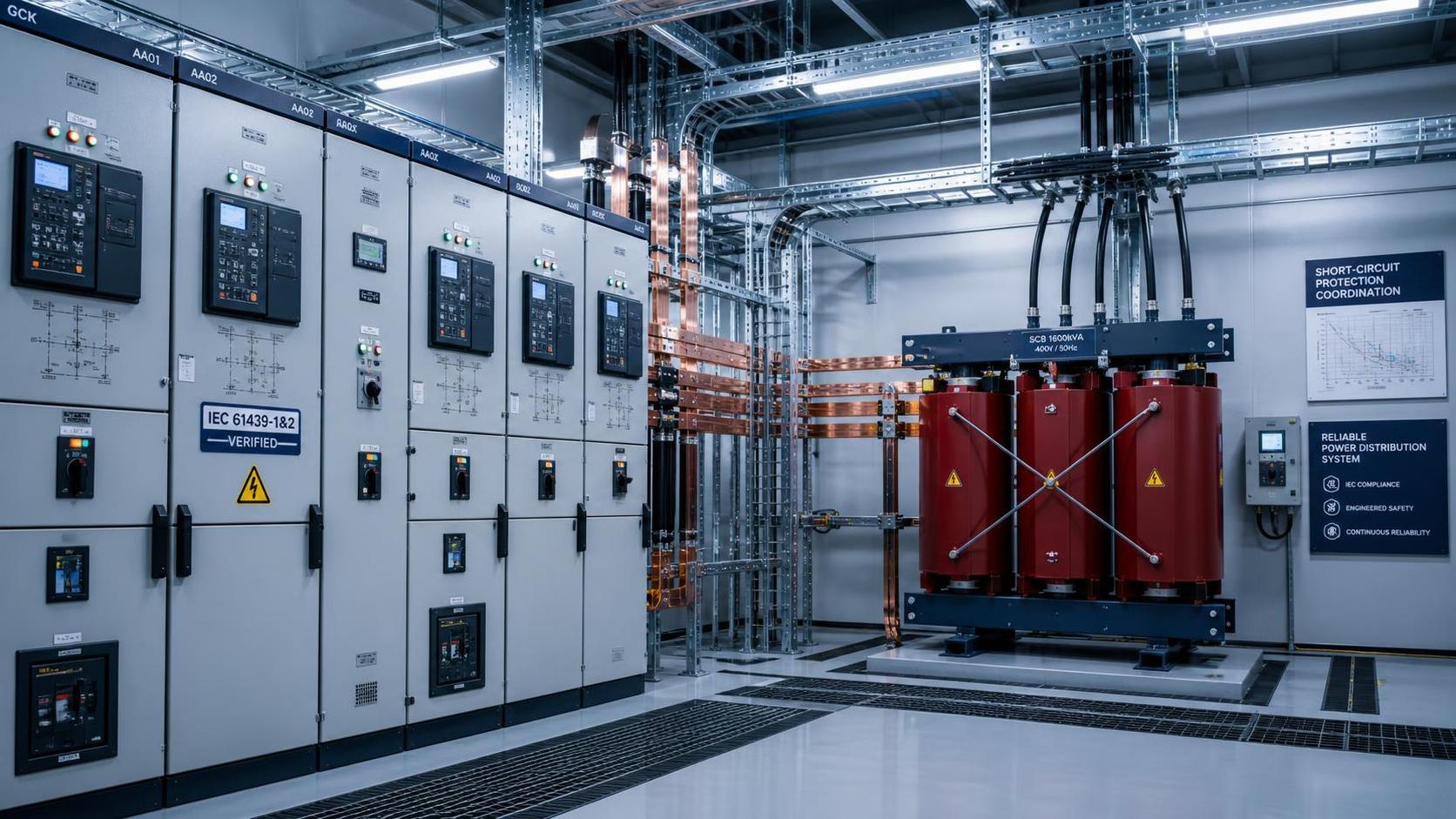
- Voltage class, short-circuit rating, and protection coordination must align with the existing network and future expansion allowances.
- Thermal performance should reflect ambient temperature, enclosure conditions, ventilation, and load diversity, especially in older equipment rooms.
- Ingress protection, corrosion resistance, and material selection matter in dusty, humid, chemical, or outdoor industrial settings.
- Compatibility with existing automation, SCADA, energy monitoring, and maintenance workflows should be checked before final selection.
- Documentation quality matters: drawings, test reports, installation instructions, labeling plans, and spare parts lists should be complete and reviewable.
Compliance areas that frequently affect project delivery
The next table summarizes common compliance checkpoints that influence sourcing, approval, installation, and commissioning of Electrical & Power solutions.
For multi-country supply programs, these checkpoints are especially important. GIC’s value in such projects lies in helping buyers connect compliance language, technical review, and sourcing decisions early, before purchase orders lock the team into avoidable risk.
How should implementation be staged to avoid production disruption?
Even well-selected Electrical & Power solutions can fail at the execution stage if sequencing is weak. The best implementation plans reduce technical uncertainty before shutdown begins. That means validating drawings, isolating interfaces, preparing temporary power where needed, and locking in hold points for testing and approval.
A practical delivery sequence
- Conduct a field verification survey to confirm installed conditions, cable routes, load profiles, and panel dimensions against legacy documents.
- Rank loads by criticality and define which systems require zero interruption, short interruption, or can tolerate planned downtime.
- Develop a phased cutover plan with fallback scenarios, temporary supply options, and clear isolation responsibilities.
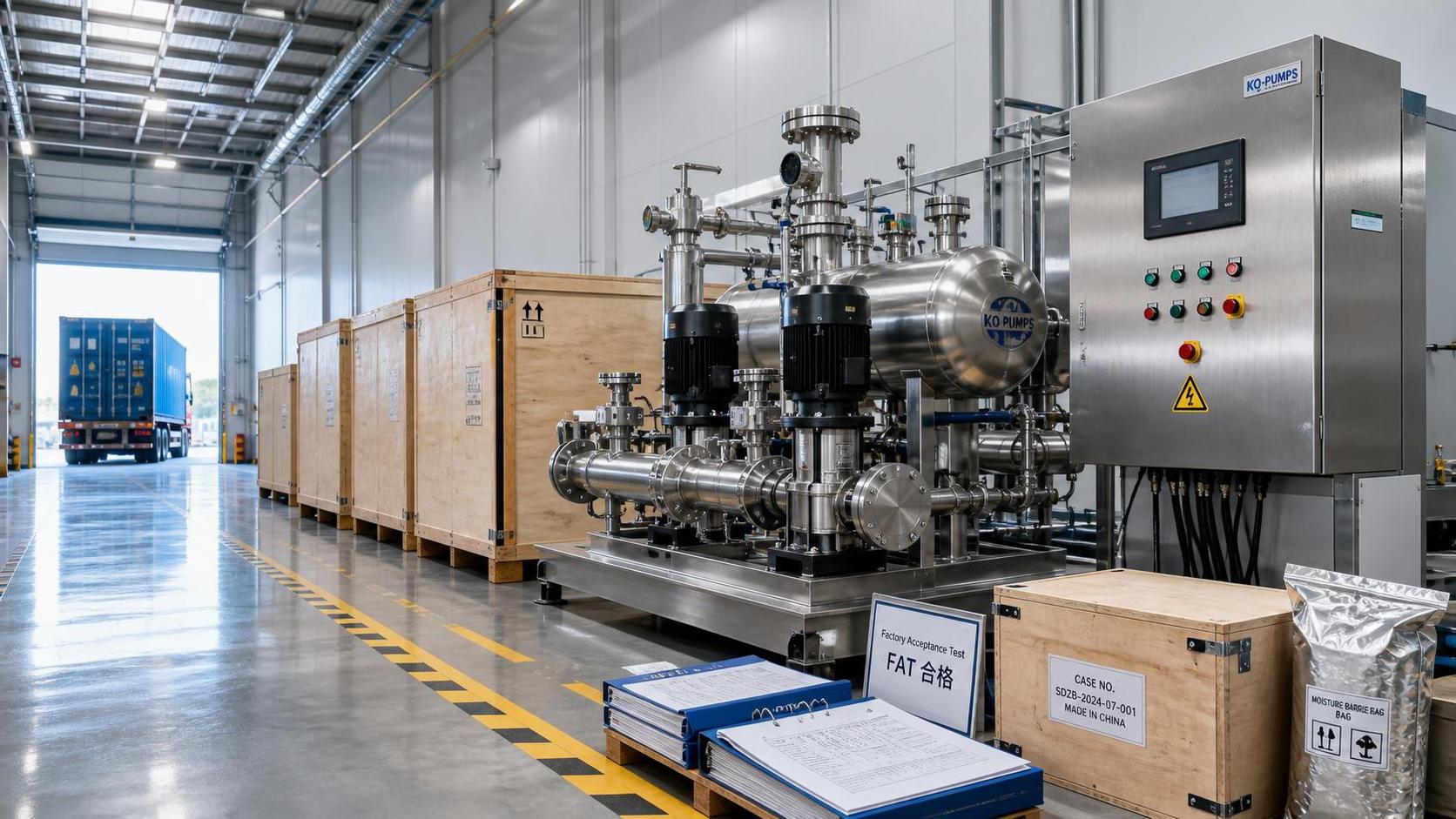
- Preassemble and factory-check major packages where possible to reduce site installation time and interface errors.
- Complete commissioning with protection checks, thermal review, labeling confirmation, and as-built document closure before final handover.
This staged method is particularly useful for facilities that cannot absorb long outages. It helps project leaders protect both schedule and stakeholder confidence while still moving the electrical backbone toward modern performance standards.
Common mistakes when buying Electrical & Power solutions for old facilities
Many upgrade programs run over budget not because the equipment is wrong in principle, but because one critical assumption was missed. Legacy facilities punish assumptions. Drawings may be outdated. Actual load may differ from nameplate values. Existing clearances may not fit new assemblies. Spare parts strategy may be ignored until after commissioning.
- Mistaking component replacement for system modernization. Replacing panels without checking protection coordination can shift risk rather than remove it.
- Buying on unit price alone. Lower upfront cost may create higher downtime exposure, longer lead times, or limited certification acceptance.
- Underestimating documentation needs. Missing drawings, unclear labeling, and incomplete test records delay energization and future maintenance.
- Ignoring maintainability. If technicians cannot safely access, isolate, inspect, and replace parts, reliability gains may erode quickly.
FAQ: decisions project managers often need to make quickly
How do I know whether to refurbish or replace electrical equipment?
Start with failure consequence, spare part availability, safety condition, and compatibility with current load demand. If the asset remains mechanically sound, has supportable components, and can meet protection and isolation needs, refurbishment may be reasonable. If OEM support is weak, fault duty margins are poor, or compliance gaps are significant, replacement becomes the safer path.
Which Electrical & Power solutions are usually most urgent in older industrial sites?
High urgency usually centers on switchgear with obsolete breakers, overloaded feeders, degraded cables, weak grounding, and unverified backup power arrangements. Monitoring upgrades are also valuable because they reveal hidden problems before a major shutdown occurs.
What should be included in an RFQ for industrial power upgrades?
Include existing system data, expected load profile, fault level assumptions, environmental conditions, required documentation, inspection and test expectations, certification requirements, preferred delivery sequence, and any outage constraints. A stronger RFQ produces more comparable bids and fewer scope disputes later.
How can I reduce project risk when production cannot stop?
Use phased cutovers, temporary power planning, factory preassembly, and detailed interface checks. Also require suppliers to support commissioning logic, not just equipment delivery. For constrained sites, the integration plan is often as important as the hardware itself.
Why choose us for industrial Electrical & Power solutions planning and sourcing insight
Global Industrial Core is built for decision-makers responsible for high-stakes industrial infrastructure. Our focus is not limited to product descriptions. We connect technical review, compliance context, sourcing logic, and operational practicality across Electrical & Power solutions and adjacent industrial systems. That matters when projects involve mixed environments, cross-border procurement, or legacy assets with incomplete documentation.
If you are planning upgrades in an aging plant, you can engage GIC around specific decision points rather than broad, unfocused discussions. Typical consultation areas include parameter confirmation for distribution equipment, comparative selection of upgrade paths, delivery cycle planning for critical components, phased implementation logic, documentation expectations, certification-related questions, and supplier communication for quotation alignment.
You can also consult on practical issues that often slow projects down: how to structure a better RFQ, how to compare offers with different technical assumptions, how to prepare for sample evaluation or factory inspection, and how to balance capital limits against downtime risk. For project managers and engineering leaders under schedule pressure, that clarity can shorten internal approval time and improve procurement confidence.
When your facility needs Electrical & Power solutions that are safe, scalable, and realistic for live industrial operations, GIC provides the technical and sourcing perspective to move from uncertainty to an actionable plan.
Technical Specifications
- How to Select an Emissions Monitoring System Analyzer for Compliance ReportingAuthor :Precision Metrology Expert
- How to Select an Access Control Management System for Multi-Site FacilitiesAuthor :Safety Compliance Lead
- Portable Gas Monitor Calibration: How Often Is It Needed for Safe Confined-Space Work?Author :Precision Metrology Expert
Expert Insights

Chief Security Architect
Dr. Thorne specializes in the intersection of structural engineering and digital resilience. He has advised three G7 governments on industrial infrastructure security.
Related Analysis
- Sep 21, 2026How to Select an Emissions Monitoring System Analyzer for Compliance ReportingAuthor :Precision Metrology Expert
- Sep 20, 2026How to Select an Access Control Management System for Multi-Site FacilitiesAuthor :Safety Compliance Lead
- Sep 19, 2026Portable Gas Monitor Calibration: How Often Is It Needed for Safe Confined-Space Work?Author :Precision Metrology Expert
Core Sector // 01
Security & Safety
- How to Size a UPS for Server Rooms: Load, Runtime, and Redundancy FactorsAuthor :Grid Infrastructure Analyst

- How to Choose a Step-Down Transformer for a Control Panel: Key Sizing FactorsAuthor :Grid Infrastructure Analyst

- How Often Should Overseas Power Systems Undergo Safety Inspections?Author :Grid Infrastructure Analyst

- How to Choose Panels for Extreme-Cold Industrial Sites?Author :Grid Infrastructure Analyst

- What Should a Cross-Border EPC Equipment Procurement Reference Include?Author :Grid Infrastructure Analyst

- How to Compare Low-Voltage Equipment for Panel IntegrationAuthor :Grid Infrastructure Analyst

- IEC-Compliant Power Infrastructure: Key Design and Verification RequirementsAuthor :Grid Infrastructure Analyst

- Updated EN 61000-6-4:2026 Raises EMC Compliance Bar for EU-Bound Industrial EquipmentAuthor :Grid Infrastructure Analyst