EU EN 61000-4-30:2026 Class A PQ Monitoring Mandatory for Industrial Transformers & Circuit Breakers
Author
Date Published
Reading Time
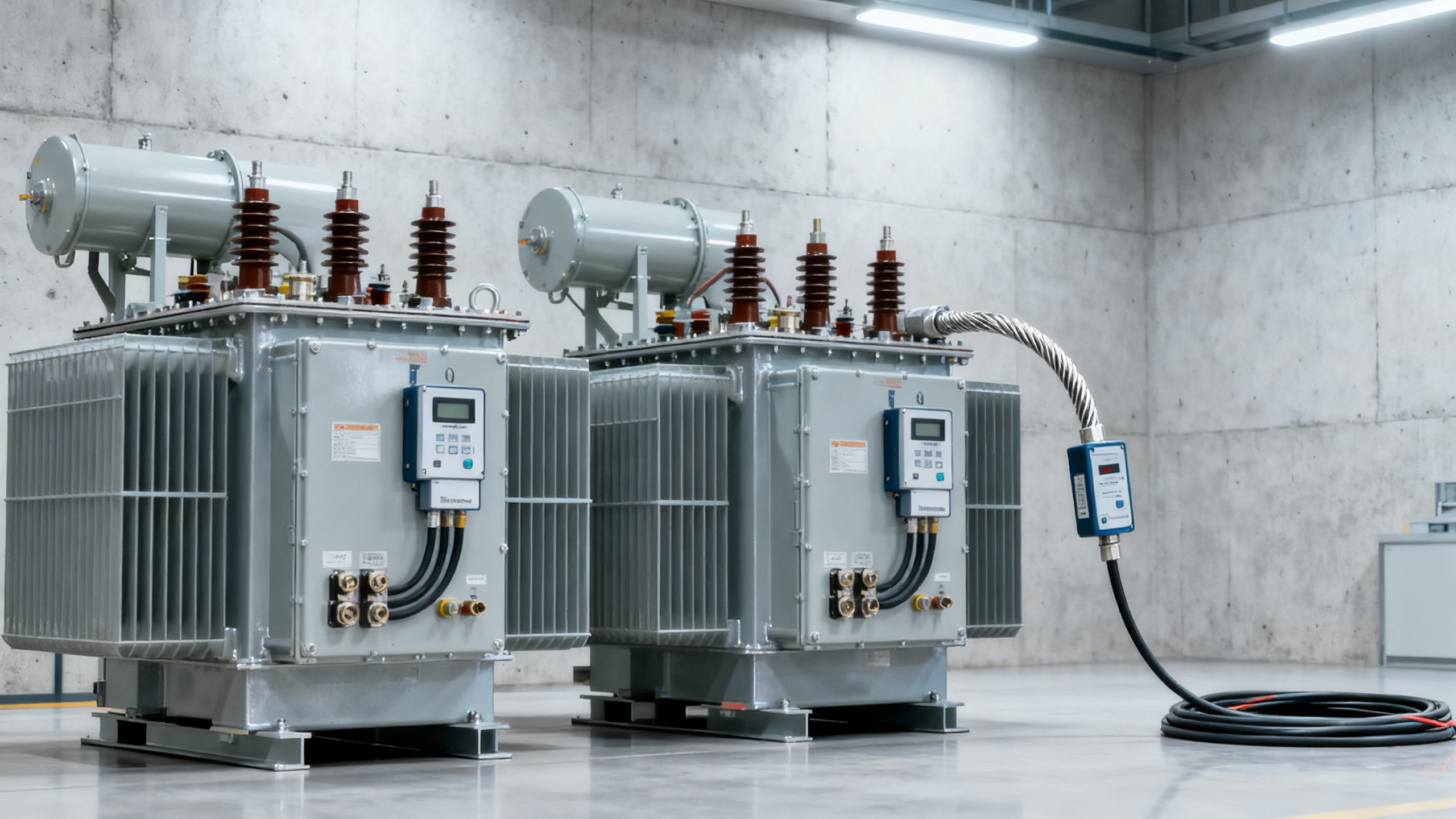
On 8 May 2026, the European Union will enforce EN 61000-4-30:2026, upgrading electromagnetic compatibility (EMC) requirements for power quality (PQ) monitoring devices from Class S to Class A. This change directly affects manufacturers and exporters of industrial transformers, smart circuit breakers, and other medium- and high-voltage distribution equipment destined for the EU market — particularly those integrating embedded PQ monitoring modules.
Event Overview
The European standard EN 61000-4-40:2026 enters into force on 8 May 2026. It mandates that PQ monitoring functionality embedded in industrial transformers and intelligent circuit breakers must comply with Class A accuracy per EN 61000-4-30. For the first time, the standard requires 72-hour continuous recording of voltage total harmonic distortion (THDv) as part of type testing. Products lacking pre-integrated hardware interfaces compatible with Class A verification — or unable to supply third-party Class A type test reports — will be denied customs clearance in the EU.
Industries Affected by Segment
Direct Exporters of Medium- and High-Voltage Distribution Equipment
These companies supply transformers, smart circuit breakers, and related switchgear directly to EU-based utilities, system integrators, or OEMs. They are affected because compliance is now tied to device-level embedded monitoring — not just standalone PQ analyzers. Impact manifests in product certification timelines, technical documentation requirements, and potential redesign cycles for legacy models without Class A-ready signal conditioning or sampling architecture.
Manufacturers Integrating Embedded Monitoring Modules
This includes suppliers of ASICs, SoCs, or firmware stacks used in transformer condition monitoring units or digital trip units of circuit breakers. Their impact stems from tighter analog front-end (AFE) specifications and real-time data logging requirements. The 72-hour THDv continuous recording mandate implies extended memory buffers, precise clock stability, and calibrated anti-aliasing filters — all falling under Class A validation scope.
Supply Chain Service Providers (Certification & Testing Labs)
Labs accredited for EN 61000-4-30 testing must demonstrate updated Class A capability, including traceable THDv measurement across full operating temperature and voltage ranges. Demand for Class A-type testing services is expected to rise sharply ahead of the 2026 deadline, potentially causing scheduling bottlenecks and longer lead times for report issuance.
Key Points for Enterprises and Practitioners to Monitor and Address
Confirm alignment with official EU harmonised standards list
Although EN 61000-4-30:2026 takes effect on 8 May 2026, its inclusion in the Official Journal of the European Union (OJEU) as a harmonised standard under the EMC Directive (2014/30/EU) remains pending. Enterprises should monitor the OJEU publication status, as only harmonised versions confer presumption of conformity.
Verify hardware readiness for Class A THDv recording in new designs
For products entering development or pre-production phases before May 2026, ensure analog signal paths meet Class A amplitude accuracy (±0.2% for voltage), sampling rate (≥10.24 kS/s minimum), and time-domain stability requirements. Legacy designs relying on Class S-grade ADCs or uncalibrated reference circuits may require component-level revision.
Secure third-party Class A type test reports prior to shipment
Customs authorities may request valid Class A test reports at entry. Exporters should initiate testing well in advance — especially given limited global capacity for full-spectrum Class A PQ validation. Reports must explicitly cover 72-hour continuous THDv recording under representative load and grid disturbance conditions.
Review contractual obligations with EU customers
Many EU utility procurement contracts already reference EN 61000-4-30 Class A. Exporters should audit existing agreements to identify clauses requiring retroactive compliance, delivery delays due to retesting, or liability for non-conforming batches post-2026.
Editorial Perspective / Industry Observation
Observably, this update signals a structural shift in EU regulatory expectations — from treating PQ monitoring as an optional diagnostic feature to embedding it as a mandatory, verifiable safety-critical function within primary distribution assets. Analysis shows the THDv recording requirement reflects growing emphasis on grid resilience and distributed energy resource (DER) integration, where harmonic propagation must be quantified over extended operational windows. From an industry perspective, this is less a one-off compliance checkpoint and more an early indicator of tightening interoperability and transparency norms across the EU’s evolving smart grid infrastructure. Continued attention is warranted as national market surveillance authorities begin enforcement activities post-2026.
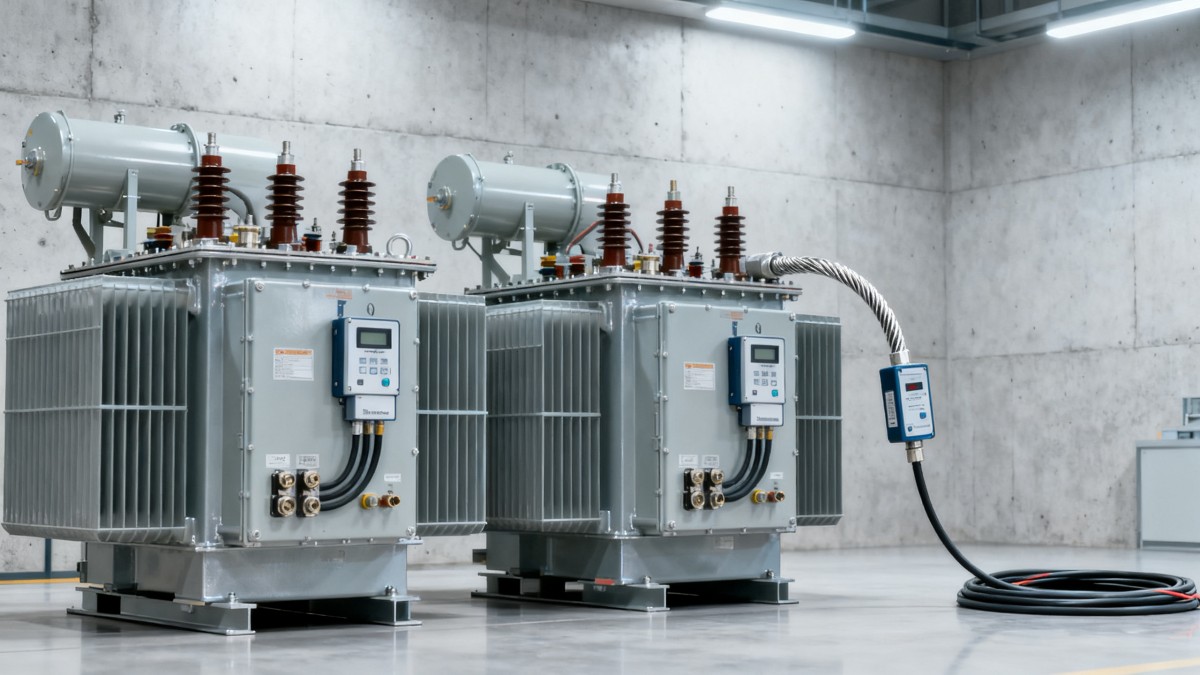
In summary, EN 61000-4-30:2026 represents a material escalation in technical accountability for embedded power quality monitoring — moving beyond laboratory snapshots to real-world, sustained performance verification. It is best understood not as a standalone amendment, but as a foundational requirement for future grid-code-aligned equipment in the EU. Current readiness hinges less on broad strategic pivots and more on targeted hardware validation, documentation discipline, and proactive engagement with accredited testing bodies.
Source: CENELEC EN 61000-4-30:2026 (published 2025); EU Commission draft notice on harmonisation under Directive 2014/30/EU (pending OJEU publication).
Noted for ongoing observation: Final inclusion date in the Official Journal of the European Union and any transitional provisions announced by Member State market surveillance authorities.
Technical Specifications
- How to Select an Emissions Monitoring System Analyzer for Compliance ReportingAuthor :Precision Metrology Expert
- How to Select an Access Control Management System for Multi-Site FacilitiesAuthor :Safety Compliance Lead
- Portable Gas Monitor Calibration: How Often Is It Needed for Safe Confined-Space Work?Author :Precision Metrology Expert
Expert Insights

Chief Security Architect
Dr. Thorne specializes in the intersection of structural engineering and digital resilience. He has advised three G7 governments on industrial infrastructure security.
Related Analysis
- Sep 21, 2026How to Select an Emissions Monitoring System Analyzer for Compliance ReportingAuthor :Precision Metrology Expert
- Sep 20, 2026How to Select an Access Control Management System for Multi-Site FacilitiesAuthor :Safety Compliance Lead
- Sep 19, 2026Portable Gas Monitor Calibration: How Often Is It Needed for Safe Confined-Space Work?Author :Precision Metrology Expert
Core Sector // 01
Security & Safety
- How to Size a UPS for Server Rooms: Load, Runtime, and Redundancy FactorsAuthor :Grid Infrastructure Analyst

- How to Choose a Step-Down Transformer for a Control Panel: Key Sizing FactorsAuthor :Grid Infrastructure Analyst

- How Often Should Overseas Power Systems Undergo Safety Inspections?Author :Grid Infrastructure Analyst

- How to Choose Panels for Extreme-Cold Industrial Sites?Author :Grid Infrastructure Analyst

- What Should a Cross-Border EPC Equipment Procurement Reference Include?Author :Grid Infrastructure Analyst

- How to Compare Low-Voltage Equipment for Panel IntegrationAuthor :Grid Infrastructure Analyst

- IEC-Compliant Power Infrastructure: Key Design and Verification RequirementsAuthor :Grid Infrastructure Analyst

- Updated EN 61000-6-4:2026 Raises EMC Compliance Bar for EU-Bound Industrial EquipmentAuthor :Grid Infrastructure Analyst