How industrial ecology can affect electrical infrastructure lifespan
Author
Date Published
Reading Time
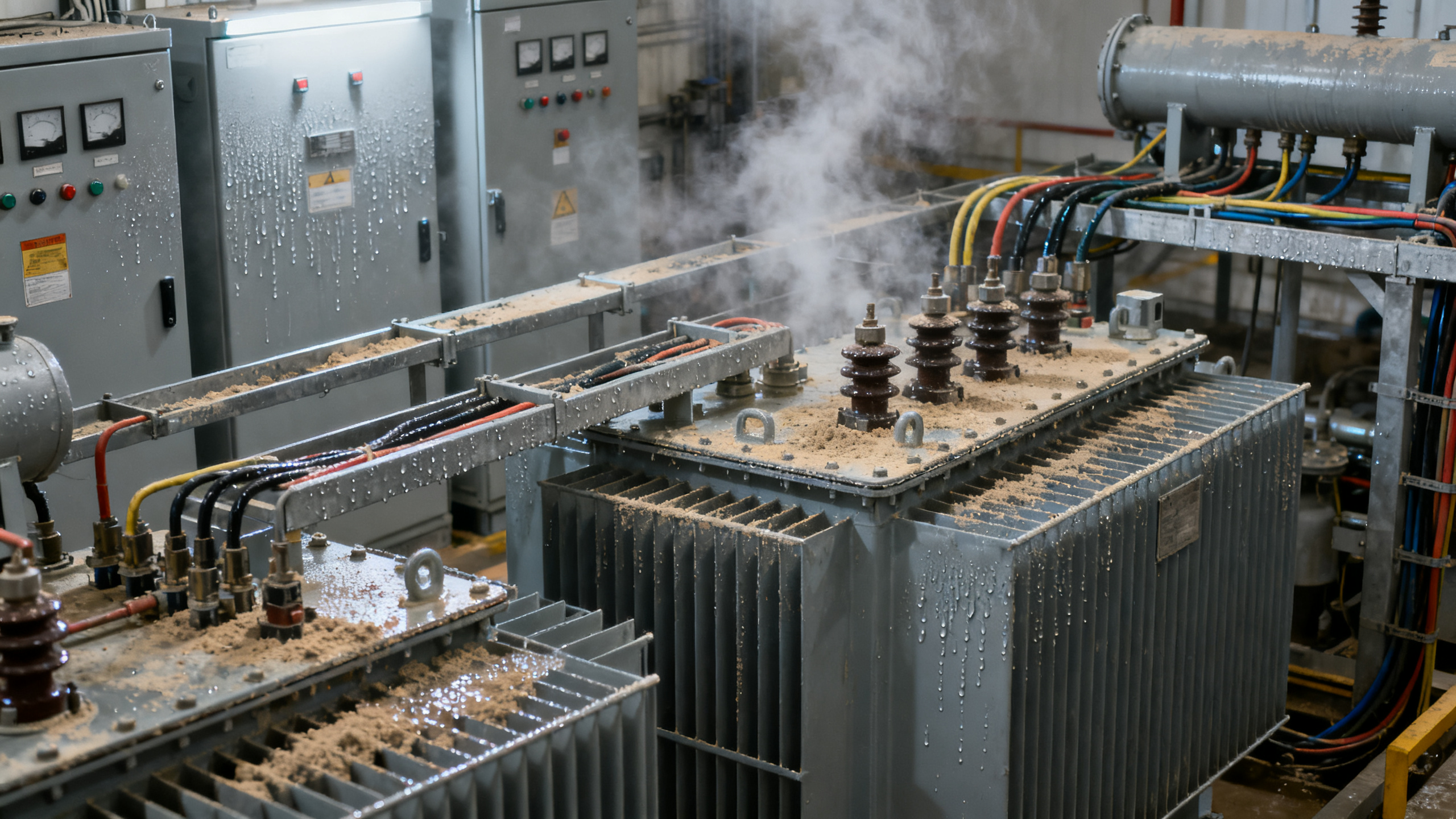
From corrosion and airborne contaminants to heat, humidity, and chemical exposure, the industrial ecology impact on electrical infrastructure can quietly shorten asset lifespan and raise operational risk. In industrial and mixed-use operating environments, electrical systems do not age in isolation. Switchgear, cable trays, transformers, terminals, sensors, panels, busbars, grounding systems, and control cabinets all interact with the surrounding ecology of dust, moisture, vibration, process emissions, cleaning agents, and thermal cycling. Understanding the industrial ecology impact on electrical infrastructure is essential for reducing premature failure, improving maintenance timing, and protecting long-term reliability.
A structured review helps separate visible wear from hidden environmental stress. It also supports better decisions on enclosure selection, insulation strategy, corrosion control, ventilation, inspection intervals, and replacement planning. Rather than waiting for outages, hotspots, insulation breakdown, or nuisance trips, facilities can use a practical framework to identify how site conditions affect electrical infrastructure lifespan and what actions will extend service life.
Why the industrial environment must be assessed systematically
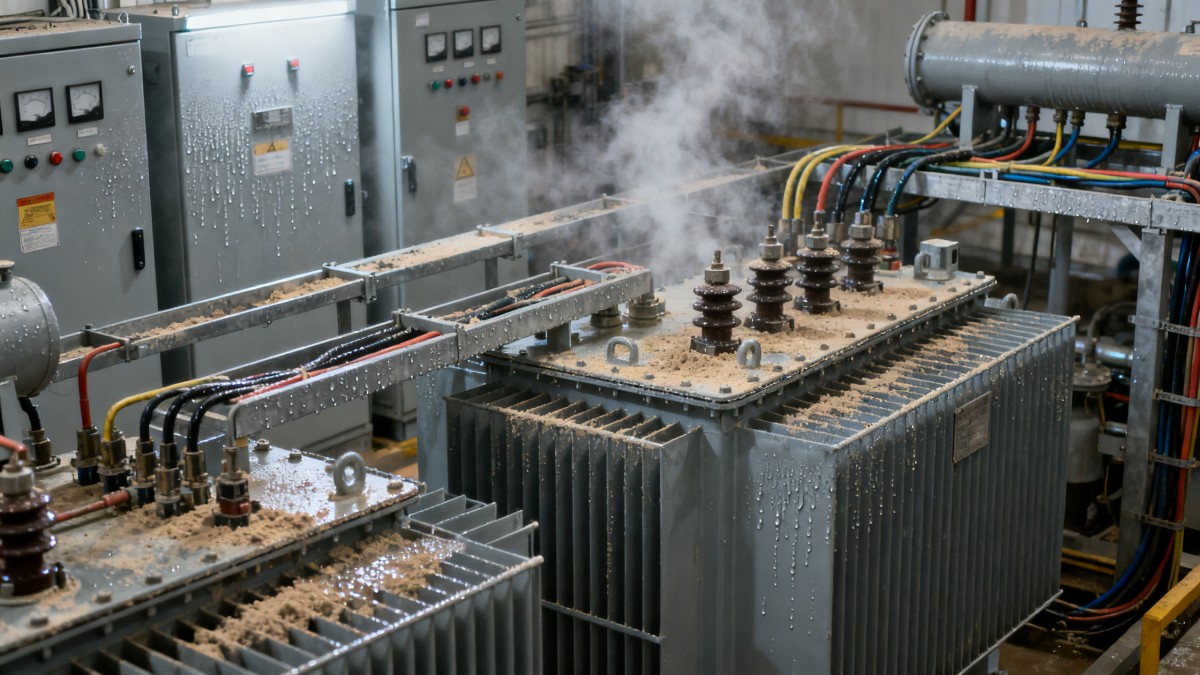
The industrial ecology impact on electrical infrastructure is rarely caused by one factor alone. More often, lifespan loss comes from combined stressors: humidity plus dust, heat plus overload, corrosive vapor plus poor sealing, or vibration plus loose terminations. A checklist-based assessment is valuable because it turns broad environmental concerns into specific inspection points that can be verified, documented, and prioritized.
This approach is especially useful across broad industrial settings where electrical assets support production, utilities, material handling, treatment systems, and safety functions. It improves comparability between areas, reveals where protective design no longer matches actual exposure, and makes the industrial ecology impact on electrical infrastructure measurable instead of anecdotal.
Core points to review when evaluating electrical infrastructure lifespan
Use the following items to evaluate how environmental conditions are influencing performance, maintenance burden, and expected service life. Each point addresses a common pathway through which the industrial ecology impact on electrical infrastructure becomes a practical reliability issue.
- Map all zones with elevated moisture, washdown activity, condensation risk, or seasonal humidity swings that can degrade insulation, increase tracking, and accelerate corrosion inside enclosures.
- Identify airborne contaminants such as conductive dust, salt particles, carbon fines, metal debris, and oily mist that can settle on live parts and reduce dielectric strength.
- Check whether ambient temperatures, radiant process heat, and poor cabinet ventilation are causing thermal aging in cables, breakers, drives, transformers, and electronic control components.
- Review exposure to corrosive gases, chemical vapors, cleaning agents, and acid or alkaline aerosols that may attack copper, aluminum, plated surfaces, and sealing materials.
- Inspect enclosure ratings, gasket condition, door sealing, drain and breather performance, and evidence of ingress that indicates the installed protection level is insufficient.
- Evaluate cable routing near steam lines, vibrating machinery, sharp supports, wet trenches, and chemical process areas where mechanical and environmental stress combine.
- Confirm that grounding and bonding connections remain tight, clean, and corrosion-free, especially in outdoor, coastal, underground, or chemically aggressive locations.
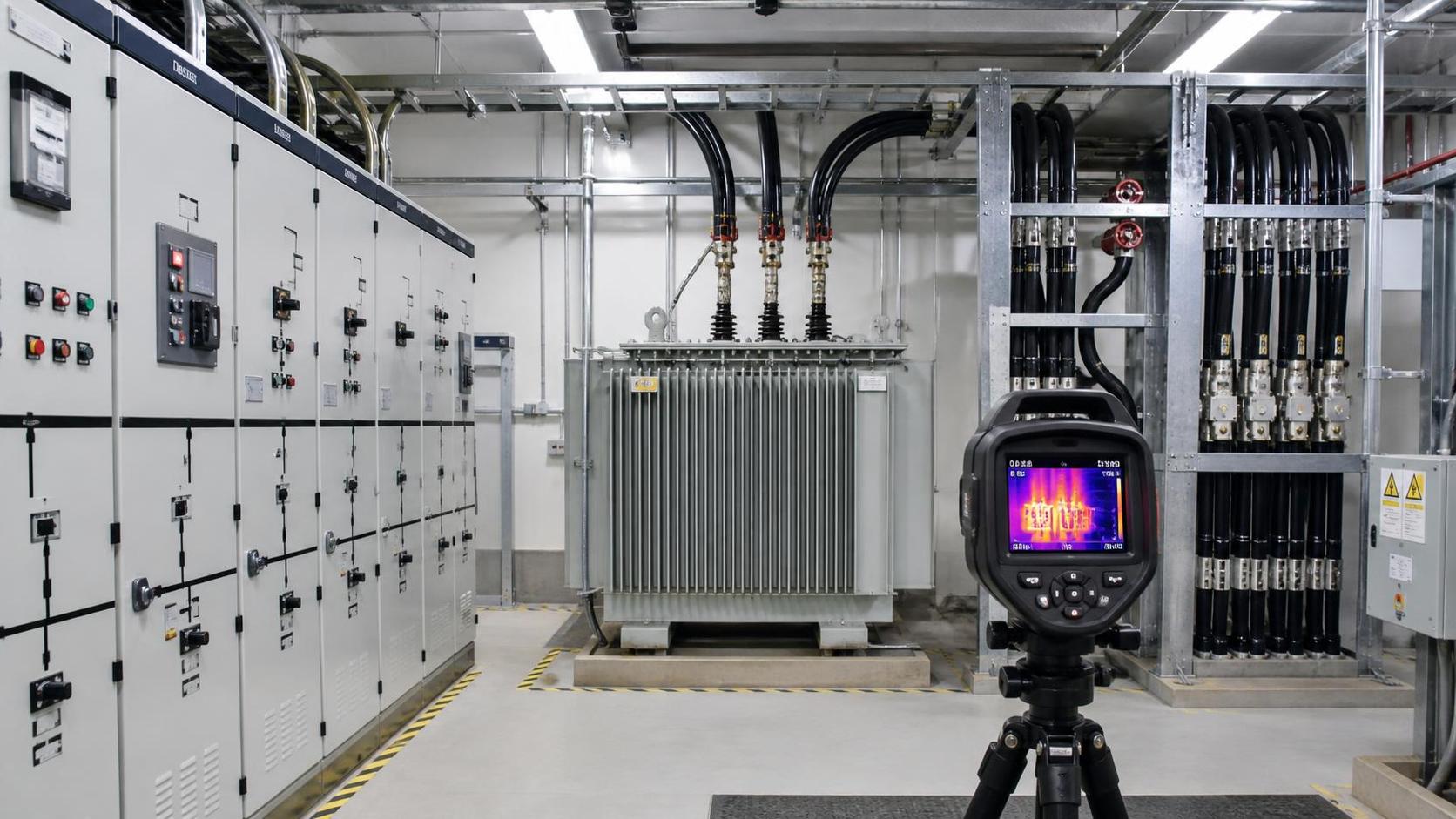
- Use thermography and power quality review to determine whether environmental stress is increasing resistance, unbalancing loads, or worsening heat buildup at critical terminations.
- Compare actual maintenance intervals with site exposure severity; equipment in dirty, wet, or corrosive zones often needs inspection frequencies beyond generic manufacturer schedules.
- Document repeated nuisance trips, sensor drift, insulation alarms, fan failures, and terminal discoloration as early indicators of industrial ecology impact on electrical infrastructure.
How specific environmental factors shorten service life
Moisture and condensation
Water ingress is not limited to obvious leaks. Condensation inside panels, junction boxes, and cable compartments can form when warm humid air meets cooler surfaces, especially during shutdowns or nighttime temperature drops. Over time, this promotes insulation degradation, corrosion at terminals, and false readings in measurement and control devices. In many facilities, the industrial ecology impact on electrical infrastructure begins with unnoticed internal moisture rather than external flooding.
Dust and particulate accumulation
Industrial dust is not only a housekeeping issue. Conductive or hygroscopic particles can bridge insulation gaps, retain moisture, block cooling paths, and create hotspots on busbars, contactors, drives, and power supplies. Fine dust also impairs fans and filters, raising cabinet temperatures. Where powder handling, grinding, bulk solids transfer, or combustion residues are present, dust control becomes a direct lifespan factor.
Corrosive atmospheres
Sulfur compounds, chlorides, ammonia, solvents, and process vapors can attack metallic surfaces long before visible structural damage appears. Corrosion raises contact resistance, weakens grounding integrity, damages connector plating, and compromises enclosure hardware. The industrial ecology impact on electrical infrastructure is especially severe where high humidity and corrosive chemistry are present together, because moisture accelerates electrochemical attack.
Heat and thermal cycling
Elevated temperature remains one of the most predictable drivers of reduced electrical infrastructure lifespan. Cable insulation hardens, electronic components age faster, and loose connections worsen under repeated expansion and contraction. Thermal cycling can also degrade gasket elasticity and create micro-openings for contaminant ingress. Even when load levels appear acceptable, local heat from nearby furnaces, steam systems, rooftops, or enclosed utility rooms can significantly reduce asset life.
Considerations for different operating scenarios
Outdoor utility and yard installations
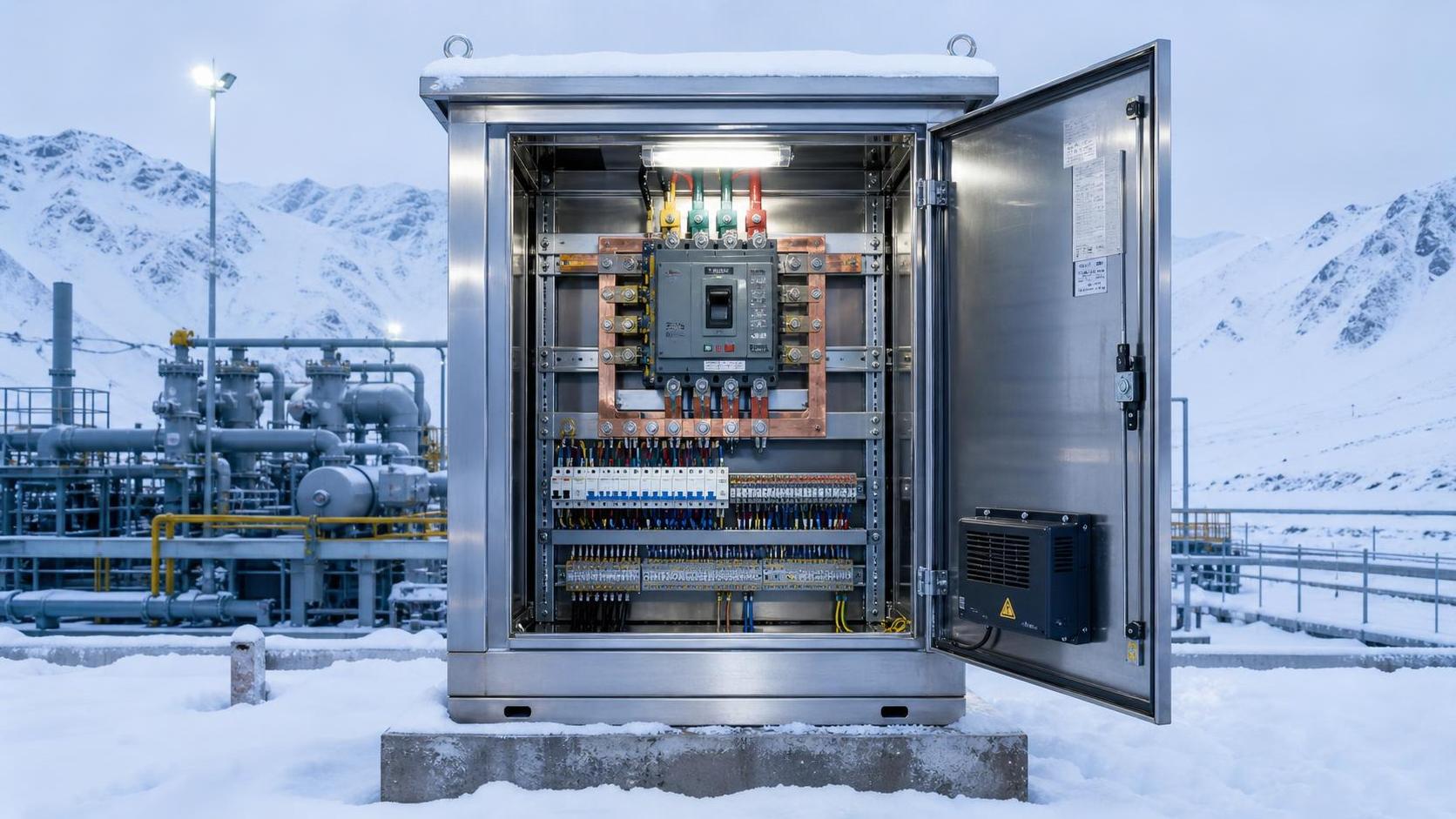
Outdoor panels, transformers, lighting systems, and cable terminations face UV exposure, rain, airborne salts, dust storms, and seasonal temperature variation. The industrial ecology impact on electrical infrastructure in these areas often appears as degraded seals, rusted fasteners, moisture intrusion, and reduced insulation reliability.
Key checks include enclosure integrity, sun shielding, drain function, anti-condensation heating where needed, and corrosion-resistant hardware. Grounding components should also be reviewed carefully because buried and exposed connections age differently under weather and soil conditions.
Process areas with chemical exposure
Where cleaning chemicals, solvents, acids, alkalis, or treatment agents are used, electrical infrastructure may fail from gradual material incompatibility rather than overload. Cable jackets can embrittle, labels may disappear, and terminal surfaces may corrode beneath seemingly intact assemblies.
In these zones, material selection matters as much as electrical rating. Review conduit type, stainless or coated hardware, chemical-resistant seals, and whether purge, isolation, or relocation is more effective than frequent replacement.
High-dust production and handling zones
Material transfer points, crushing areas, bagging lines, mills, and bulk storage systems generate fine particulate that enters cabinets during maintenance, cooling cycles, or poor sealing. The industrial ecology impact on electrical infrastructure here is often cumulative and underestimated because failure occurs after months of thermal stress and contamination buildup.
Frequent filter checks, controlled cabinet pressurization where appropriate, and cleaning methods that do not force contaminants deeper into equipment are critical. Inspection should focus on heat sinks, fans, relays, and control electronics.
Mixed-use buildings with industrial utilities
Not all risk lies in heavy process zones. Utility corridors, pump rooms, rooftops, service basements, and mechanical-electrical interfaces in mixed-use industrial properties often experience humidity, intermittent leaks, heat loading, and poor ventilation. These spaces can produce hidden electrical aging that only becomes visible during peak demand or emergency operation.
Review life-safety circuits, backup power components, transfer equipment, and control panels in these support areas with the same discipline applied to process-critical assets.
Commonly overlooked issues that increase failure risk
One frequent oversight is assuming the original enclosure rating still matches current use conditions. Process changes, ventilation modifications, nearby equipment additions, or altered cleaning practices can create a new exposure profile without any formal redesign.
Another common mistake is treating visible corrosion as cosmetic. In reality, slight oxidation at lugs, glands, hinges, and grounding points can indicate a broader industrial ecology impact on electrical infrastructure that also affects hidden conductive interfaces.
Maintenance teams also sometimes replace failed components without recording the surrounding ecology. If the root issue is condensation, chemical ingress, or dust loading, the same failure pattern will repeat regardless of component quality.
A further risk is relying on generic manufacturer lifespan assumptions. Standard service life data may not apply in corrosive, wet, or thermally unstable environments. Site-specific conditions should shape inspection intervals and replacement forecasting.
Practical steps to reduce the industrial ecology impact on electrical infrastructure
Start with environmental zoning. Divide the site into exposure categories such as dry-clean, humid, corrosive, dusty, outdoor-weathered, and heat-stressed. Then assign electrical assets to each zone and compare the installed protection approach with real operating conditions.
Next, combine visual inspections with condition-based tools. Infrared thermography, insulation resistance testing, partial discharge assessment where relevant, corrosion mapping, and enclosure ingress checks provide a clearer picture than routine walk-throughs alone. This helps quantify the industrial ecology impact on electrical infrastructure before failures escalate.
It is also useful to align maintenance with environmental triggers rather than calendar dates only. For example, monsoon periods, winter condensation seasons, shutdown washdowns, or peak dust campaigns may justify temporary increases in inspection frequency. Small changes such as heater installation, improved cabinet breathing, upgraded seals, coated terminals, rerouted cables, or better local ventilation can yield meaningful lifespan gains.
Final takeaways and next actions
The industrial ecology impact on electrical infrastructure is a lifecycle issue, not just a maintenance issue. Environmental stress affects reliability, safety, energy efficiency, shutdown risk, and capital planning at the same time. A disciplined review of moisture, contamination, corrosion, heat, enclosure performance, and asset location can reveal why equipment is aging faster than expected.
The most effective next step is to build a site-specific register of electrical assets by exposure severity, note recurring failure symptoms, and prioritize corrective actions where ecology and criticality overlap. When the industrial ecology impact on electrical infrastructure is assessed early and managed consistently, service life can be extended, outages reduced, and infrastructure performance made more resilient under real industrial conditions.
Technical Specifications
- How to Select an Emissions Monitoring System Analyzer for Compliance ReportingAuthor :Precision Metrology Expert
- How to Select an Access Control Management System for Multi-Site FacilitiesAuthor :Safety Compliance Lead
- Portable Gas Monitor Calibration: How Often Is It Needed for Safe Confined-Space Work?Author :Precision Metrology Expert
Expert Insights

Chief Security Architect
Dr. Thorne specializes in the intersection of structural engineering and digital resilience. He has advised three G7 governments on industrial infrastructure security.
Related Analysis
- Sep 21, 2026How to Select an Emissions Monitoring System Analyzer for Compliance ReportingAuthor :Precision Metrology Expert
- Sep 20, 2026How to Select an Access Control Management System for Multi-Site FacilitiesAuthor :Safety Compliance Lead
- Sep 19, 2026Portable Gas Monitor Calibration: How Often Is It Needed for Safe Confined-Space Work?Author :Precision Metrology Expert
Core Sector // 01
Security & Safety
- How to Size a UPS for Server Rooms: Load, Runtime, and Redundancy FactorsAuthor :Grid Infrastructure Analyst

- How to Choose a Step-Down Transformer for a Control Panel: Key Sizing FactorsAuthor :Grid Infrastructure Analyst

- How Often Should Overseas Power Systems Undergo Safety Inspections?Author :Grid Infrastructure Analyst

- How to Choose Panels for Extreme-Cold Industrial Sites?Author :Grid Infrastructure Analyst

- What Should a Cross-Border EPC Equipment Procurement Reference Include?Author :Grid Infrastructure Analyst

- How to Compare Low-Voltage Equipment for Panel IntegrationAuthor :Grid Infrastructure Analyst

- IEC-Compliant Power Infrastructure: Key Design and Verification RequirementsAuthor :Grid Infrastructure Analyst

- Updated EN 61000-6-4:2026 Raises EMC Compliance Bar for EU-Bound Industrial EquipmentAuthor :Grid Infrastructure Analyst