When Electrical & Power manufacturer support matters most
Author
Date Published
Reading Time
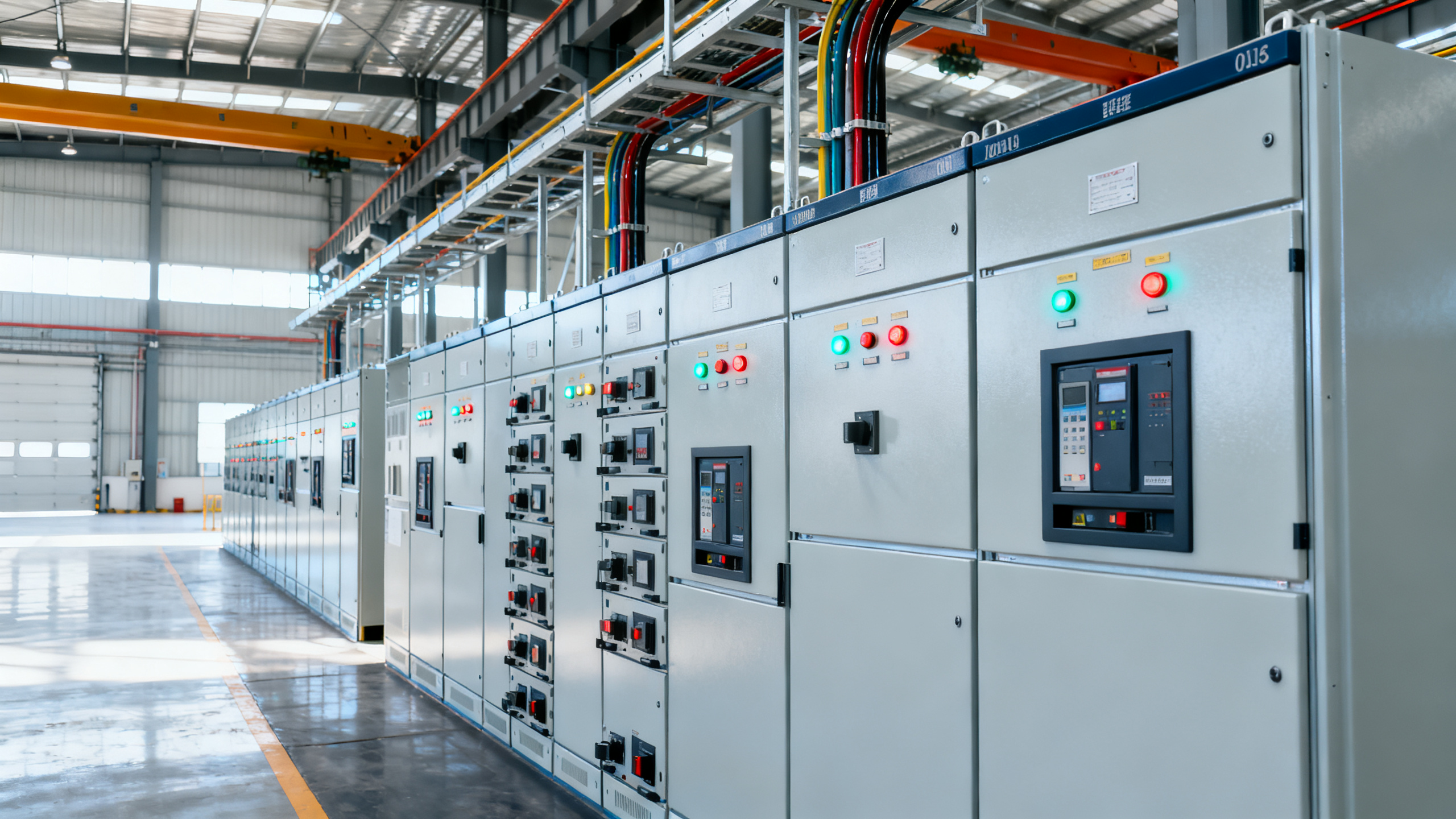
When uptime, compliance, and operational safety are on the line, choosing the right Electrical & Power manufacturer becomes far more than a purchasing decision. For operators and end users working in demanding industrial environments, dependable technical support, proven product reliability, and fast response during critical moments can directly affect performance, risk, and continuity. That is exactly when manufacturer support matters most.
Why does Electrical & Power manufacturer support become critical in real operating conditions?
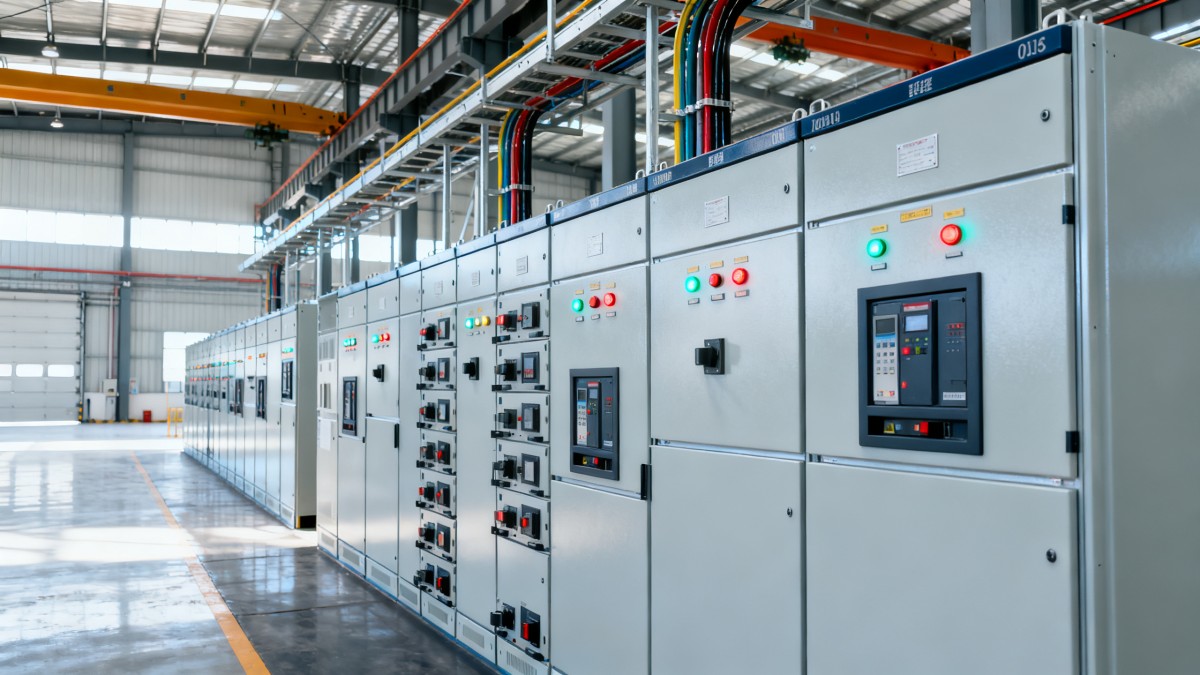
In industrial settings, the real value of an Electrical & Power manufacturer is often revealed only after installation. During procurement, many products can appear similar on paper. Voltage ratings, enclosure levels, and compliance claims may look acceptable across several suppliers. But when a control panel overheats, a protection relay trips unexpectedly, or a power distribution component fails during peak load, operators quickly discover whether the manufacturer can actually support safe recovery and stable operation.
This matters across the broader industrial landscape, from process plants and utilities to commercial facilities, warehouses, transport infrastructure, and mixed-use industrial operations. End users are not only asking whether a product works. They are asking whether replacement parts are available, whether documentation is complete, whether a technician can interpret fault signals, and whether support teams understand compliance obligations in the target market.
For operators, poor manufacturer support usually shows up in practical ways:
- Longer downtime because troubleshooting depends on guesswork rather than clear technical guidance.
- Higher safety exposure when protection settings, installation instructions, or maintenance procedures are incomplete.
- Unexpected compliance issues if documentation does not adequately support CE, UL, ISO-related procurement requirements, or project file verification.
- Rising lifecycle cost caused by mismatched parts, delayed replacements, or difficult integration with existing systems.
Global Industrial Core (GIC) addresses this challenge by examining the broader support ecosystem around electrical and power products, not just the hardware itself. For EPC teams, facility managers, and industrial procurement leaders, that means clearer visibility into what an Electrical & Power manufacturer should provide before, during, and after commissioning.
What support should operators expect from an Electrical & Power manufacturer?
A capable Electrical & Power manufacturer should support the full asset lifecycle. That begins with specification review and continues through installation, commissioning, maintenance, fault analysis, and replacement planning. Operators should not accept vague statements such as “technical support available on request” without defining scope and response expectations.
Core support areas that affect uptime
- Pre-sales application review, including load conditions, ambient temperature, ingress protection, fault levels, and interface compatibility.
- Commissioning guidance for wiring checks, protection settings, grounding verification, startup sequences, and safe energization.
- Technical documentation such as datasheets, wiring diagrams, operation manuals, maintenance intervals, and spare part lists.
- After-sales troubleshooting with defined escalation paths for field faults, abnormal alarms, temperature rise, nuisance tripping, or communication failures.
- Lifecycle support, including obsolescence planning, retrofit recommendations, and cross-reference options for replacement parts.
The table below helps operators compare support expectations when evaluating an Electrical & Power manufacturer for industrial use.
The difference between these two support models is not minor. In a live facility, it can determine whether a power issue is resolved in hours or expands into a costly shutdown event.
Which operating scenarios expose weak manufacturer support fastest?
Some operating environments are especially unforgiving. In these cases, the strength of an Electrical & Power manufacturer becomes visible very quickly because there is little room for documentation gaps, poor communication, or slow technical feedback.
High-risk scenarios for end users
- Facilities with continuous production, where even a short power interruption disrupts process stability, product quality, or safety systems.
- Outdoor or harsh-environment installations exposed to dust, moisture, vibration, temperature variation, or corrosive conditions.
- Retrofit projects where new equipment must interface with legacy switchgear, control systems, or mixed-standard installations.
- Sites with strict audit or documentation requirements, where missing certificates, manuals, or maintenance records can delay acceptance.
- Remote locations where on-site technical resources are limited and support must be accurate the first time.
GIC’s industry focus is especially useful here because electrical and power decisions rarely stand alone. Power distribution affects safety systems, process instruments, environmental control equipment, and mechanical assets. When one component is selected without considering the whole operating chain, operators inherit the consequences. A well-supported manufacturer helps reduce that mismatch.
The following scenario matrix shows where support depth matters most for different industrial applications.
Operators can use this matrix during selection meetings to shift the conversation away from unit price alone and toward operational continuity, compliance readiness, and risk reduction.
How should you evaluate an Electrical & Power manufacturer before purchase?
A practical evaluation process should test both product fit and support capability. Many users focus heavily on electrical ratings but overlook service responsiveness, documentation depth, and compatibility support until problems occur. A better approach is to qualify the manufacturer against operational needs from the start.
A procurement checklist for operators and technical buyers
- Confirm the actual operating environment: indoor or outdoor installation, ambient temperature range, humidity, contamination level, and vibration exposure.
- Review electrical conditions: nominal voltage, fault current, load profile, duty cycle, starting current, harmonics, and protection coordination.
- Check interoperability: control interfaces, communication protocols if relevant, termination arrangements, panel space, and grounding requirements.
- Request support details in writing: response times, spare part strategy, warranty scope, troubleshooting process, and escalation path.
- Verify document readiness: installation guide, commissioning checklist, test references, material declarations if needed, and certificate availability.
This is where GIC adds decision value. Instead of leaving buyers with disconnected product claims, GIC helps frame the questions that matter to mission-critical procurement: what could fail, what must be documented, what replacement risk exists, and what support burden will fall on the operator after handover.
Warning signs during supplier evaluation
- Technical answers remain generic even after specific load and site conditions are shared.
- The Electrical & Power manufacturer cannot clearly explain spare part lead times or product lifecycle status.
- Compliance documents are incomplete, outdated, or inconsistent across product variants.
- No structured troubleshooting process exists for installed equipment.
These signals do not always mean the product is unusable. They do mean the burden of risk may shift from the manufacturer to your operations team.
What technical and compliance factors should not be overlooked?
In electrical and power applications, support quality is closely tied to technical clarity. If specifications are incomplete or poorly interpreted, equipment may still operate initially but fail under real duty conditions. That is why operators should connect support discussions to concrete technical and compliance checkpoints.
Technical points that often drive field problems
- Thermal performance under enclosure conditions rather than open-air ratings alone.
- Short-circuit withstand and protective coordination across upstream and downstream devices.
- Ingress protection and material suitability for wet, dusty, or corrosive sites.
- Termination design, cable bending space, and installation tolerances inside crowded panels.
- Maintenance accessibility, especially for inspection, replacement, torque checks, and cleaning.
On the compliance side, operators should look for practical alignment with recognized market requirements such as CE, UL, and ISO-related documentation frameworks where applicable to the project. The goal is not to collect paperwork for its own sake. The goal is to ensure the supplied equipment can pass customer review, site acceptance, and ongoing operational scrutiny.
A strong Electrical & Power manufacturer will usually help clarify which documents are available, what they cover, and what project-side responsibilities remain. That distinction matters because some compliance gaps originate not in the product itself, but in unclear assembly, installation, or application boundaries.
Is the lowest purchase price really the lowest operating cost?
Not always. For many facilities, the visible purchase price is only one part of the cost picture. If support is weak, the site may absorb higher engineering hours, more emergency procurement, longer repair windows, and increased stockholding to compensate for uncertainty. That turns a low-price purchase into a high-cost operating decision.
Typical hidden costs when support is poor
- Extra labor for diagnosis because manuals, settings, and fault guidance are incomplete.
- Production loss during delayed replacement or prolonged shutdown investigation.
- Redundant spare inventory purchased to hedge against uncertain supply or obsolescence.
- Rework costs when equipment is technically compatible in theory but difficult to install or commission in practice.
For operators under budget pressure, this does not mean the most expensive supplier is automatically the right one. It means each Electrical & Power manufacturer should be evaluated on lifecycle value: technical fit, response quality, support scope, documentation completeness, and realistic replacement strategy.
FAQ: what do users and operators ask most often?
How do I know whether an Electrical & Power manufacturer is suitable for harsh industrial environments?
Start with the real environment, not the catalog headline. Check enclosure protection, temperature limits, material suitability, duty cycle, and maintenance access. Then ask whether the manufacturer can explain how those ratings apply inside your panel, on your site, and under your load conditions. A supplier that only repeats datasheet values may not be giving enough application support.
What should I ask before placing an order?
Ask for confirmation of electrical fit, installation requirements, available documents, spare part lead times, warranty boundaries, and fault support process. If the project has compliance requirements, request the relevant documentation early. Operators should also ask whether there are known replacement or obsolescence considerations for the selected range.
Why does documentation matter so much if the product already works?
Because operation is only one phase of the asset lifecycle. Documentation supports safe installation, audit readiness, routine maintenance, troubleshooting, training, and replacement. When an incident occurs during a shutdown window, accurate wiring data and maintenance guidance can save valuable time.
Can GIC help if I am comparing multiple suppliers rather than buying immediately?
Yes. GIC is positioned to help industrial buyers and operators structure supplier comparisons around technical risk, compliance needs, application fit, and support capability. That is particularly useful when the apparent differences between suppliers are small in price but large in operational consequences.
Why choose us when Electrical & Power manufacturer support matters most?
Global Industrial Core supports industrial decision-makers by connecting product evaluation with real operational demands. Our perspective is built around the systems that power, protect, and sustain industrial infrastructure, which means we look beyond isolated specifications and focus on how equipment performs in the wider environment of compliance, maintenance, safety, and continuity.
If you are reviewing an Electrical & Power manufacturer for a new project, retrofit, or replacement program, you can consult GIC on practical topics that affect outcomes:
- Parameter confirmation for load, environment, and installation conditions.
- Product selection support based on application risk and operational priorities.
- Delivery cycle review and spare part planning for critical assets.
- Compliance and documentation checks aligned with project expectations.
- Custom solution discussion for retrofit compatibility, harsh environments, or mixed-system integration.
- Quotation communication support with a clearer view of lifecycle implications, not just initial price.
When uptime is critical, selection mistakes become operating problems. A better-supported decision today can reduce avoidable downtime tomorrow. If you need help comparing suppliers, clarifying requirements, or narrowing down the right Electrical & Power manufacturer for your operating conditions, GIC provides a more structured starting point for confident action.
Technical Specifications
- How to Select an Emissions Monitoring System Analyzer for Compliance ReportingAuthor :Precision Metrology Expert
- How to Select an Access Control Management System for Multi-Site FacilitiesAuthor :Safety Compliance Lead
- Portable Gas Monitor Calibration: How Often Is It Needed for Safe Confined-Space Work?Author :Precision Metrology Expert
Expert Insights

Chief Security Architect
Dr. Thorne specializes in the intersection of structural engineering and digital resilience. He has advised three G7 governments on industrial infrastructure security.
Related Analysis
- Sep 21, 2026How to Select an Emissions Monitoring System Analyzer for Compliance ReportingAuthor :Precision Metrology Expert
- Sep 20, 2026How to Select an Access Control Management System for Multi-Site FacilitiesAuthor :Safety Compliance Lead
- Sep 19, 2026Portable Gas Monitor Calibration: How Often Is It Needed for Safe Confined-Space Work?Author :Precision Metrology Expert
Core Sector // 01
Security & Safety
- How to Size a UPS for Server Rooms: Load, Runtime, and Redundancy FactorsAuthor :Grid Infrastructure Analyst

- How to Choose a Step-Down Transformer for a Control Panel: Key Sizing FactorsAuthor :Grid Infrastructure Analyst

- How Often Should Overseas Power Systems Undergo Safety Inspections?Author :Grid Infrastructure Analyst

- How to Choose Panels for Extreme-Cold Industrial Sites?Author :Grid Infrastructure Analyst

- What Should a Cross-Border EPC Equipment Procurement Reference Include?Author :Grid Infrastructure Analyst

- How to Compare Low-Voltage Equipment for Panel IntegrationAuthor :Grid Infrastructure Analyst

- IEC-Compliant Power Infrastructure: Key Design and Verification RequirementsAuthor :Grid Infrastructure Analyst

- Updated EN 61000-6-4:2026 Raises EMC Compliance Bar for EU-Bound Industrial EquipmentAuthor :Grid Infrastructure Analyst