DIN EN 61558-2-16:2026 Enforced Early in Germany for Industrial Control Transformers
Author
Date Published
Reading Time
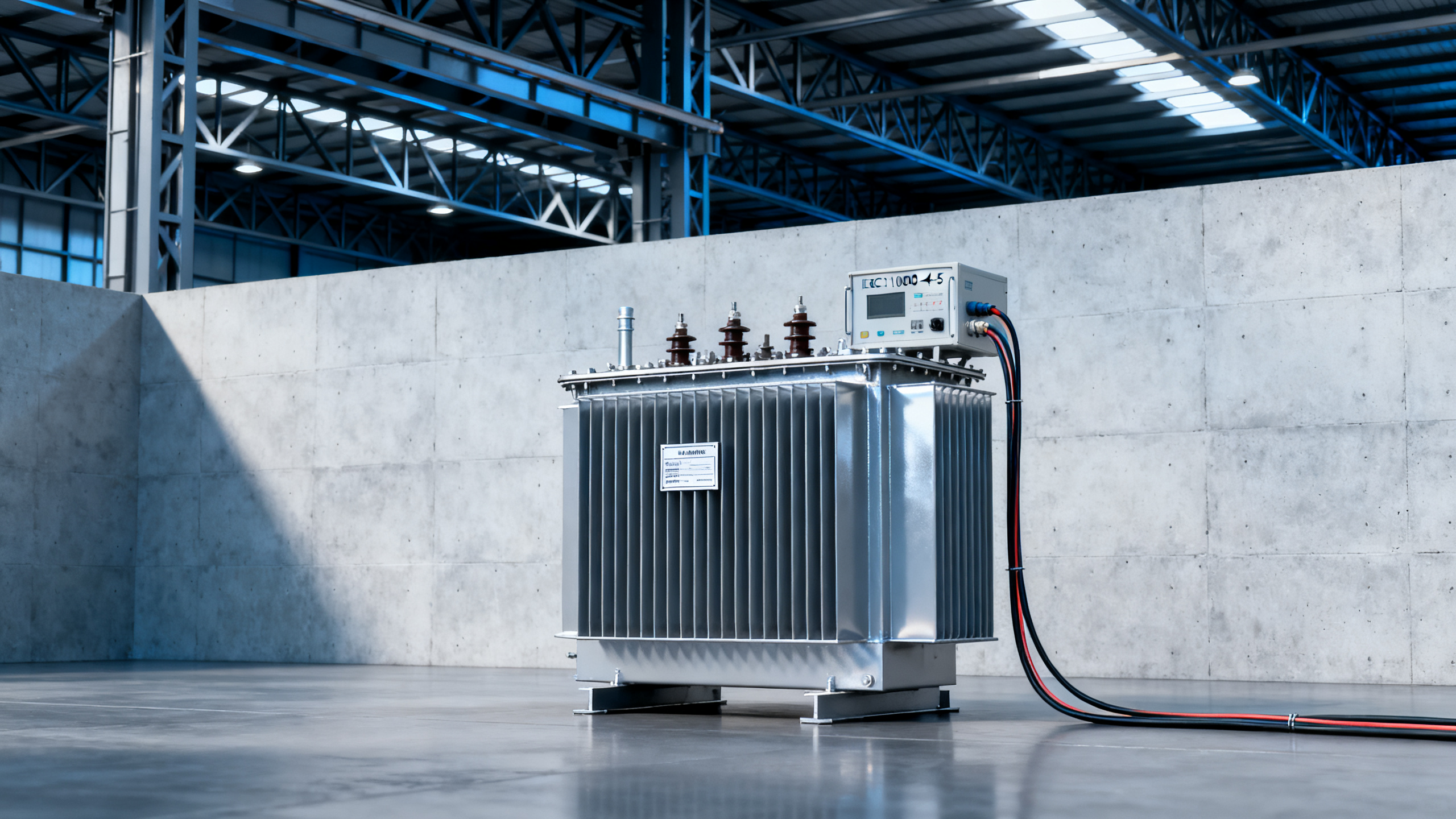
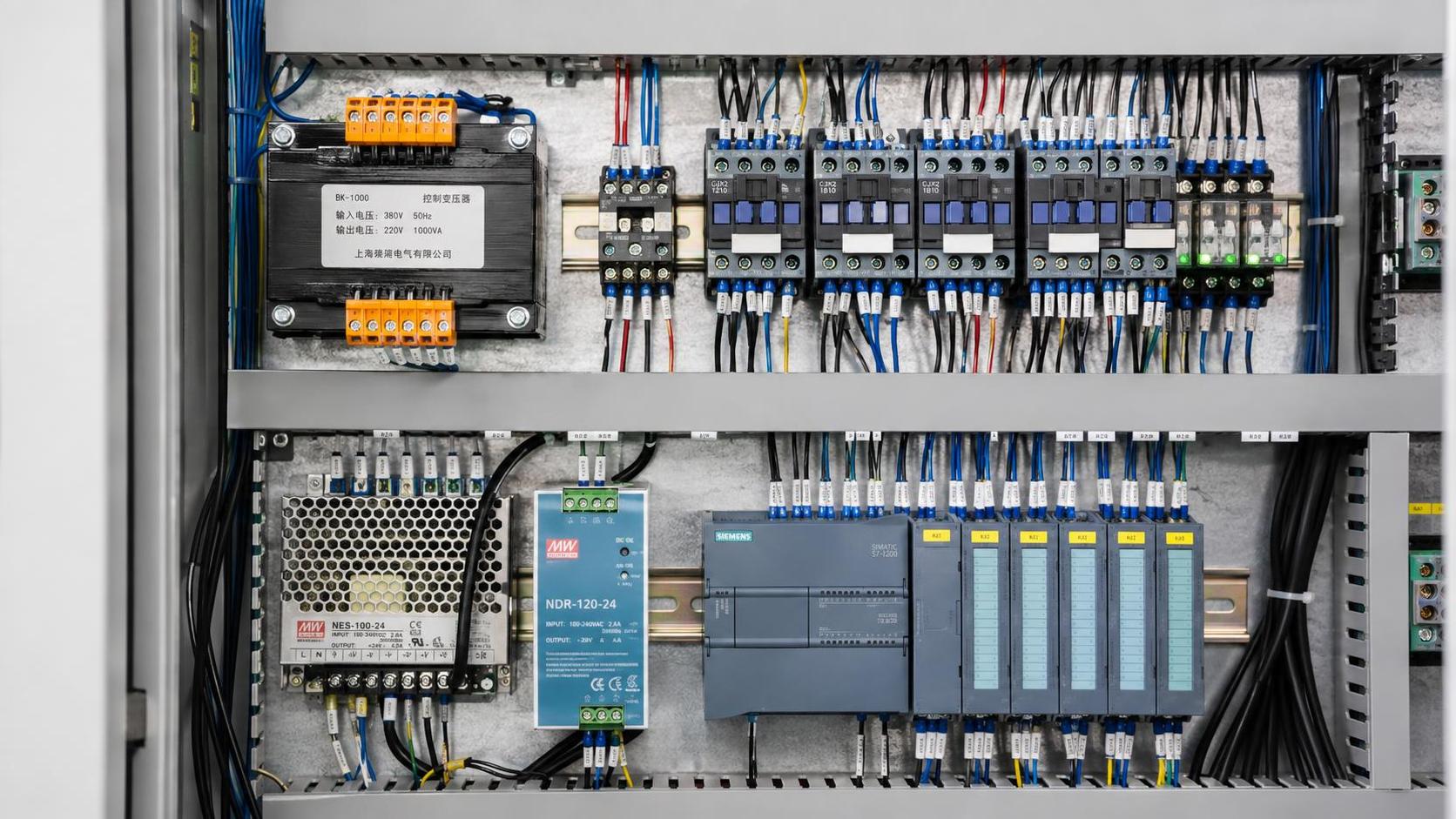
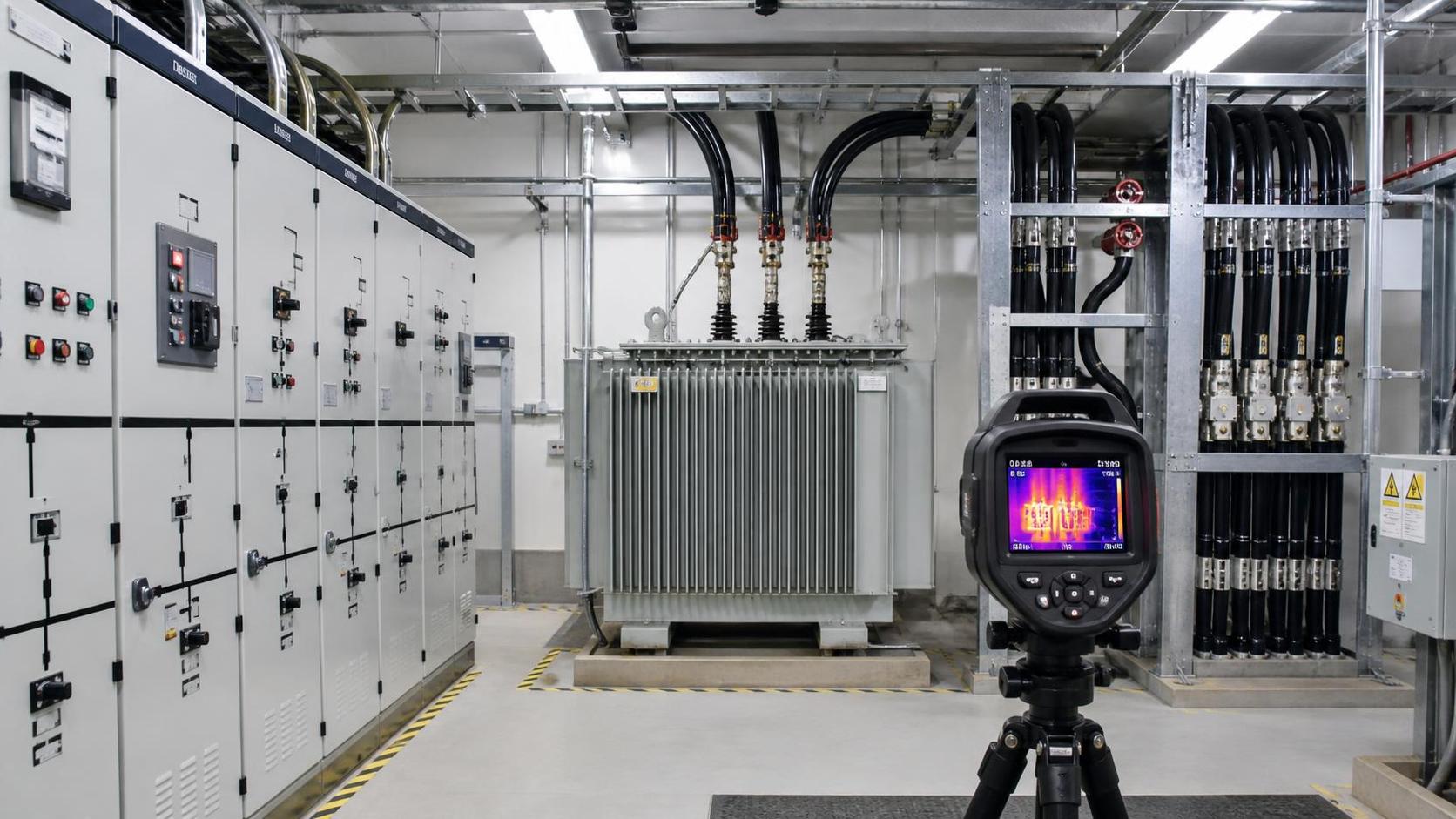
On 7 May 2026, the German Institute for Standardization (DIN) announced the early enforcement of DIN EN 61558-2-16:2026 — effective 1 August 2026 instead of the originally scheduled 1 December 2026. This update introduces a mandatory 10 kV lightning surge immunity requirement (IEC 61000-4-5 Level 4, 10 kV/40 Ω) for industrial control transformers (including dry-type and oil-immersed types). Exporters of transformers and switchgear from China to German-speaking markets must now reassess product design, testing schedules, and compliance documentation — making this a high-priority development for power equipment manufacturers, exporters, and certification service providers.
Event Overview
The German Institute for Standardization (DIN) issued an official notice on 7 May 2026 confirming the accelerated implementation of DIN EN 61558-2-16:2026, moving its mandatory date forward to 1 August 2026. The revised standard adds a requirement for industrial control transformers to maintain functional operation during a 10 kV lightning surge test per IEC 61000-4-5 Level 4 (10 kV/40 Ω). This applies to both dry-type and oil-immersed transformer designs intended for industrial control applications.
Industries Affected by This Change
Direct Exporters (China-based)
Exporters shipping transformers and switchgear to Germany, Austria, and Switzerland are directly impacted because conformity with DIN EN 61558-2-16:2026 is required for CE marking and market access. Non-compliant units risk customs rejection or post-market withdrawal after 1 August 2026.
Manufacturers (OEMs & Contract Producers)
Manufacturers producing industrial control transformers — especially those supplying OEMs for automation, process control, or machine-building sectors — must revise electrical insulation coordination, surge protection integration, and type-test protocols. Design iterations may be needed to meet the 10 kV surge withstand criterion without derating or performance loss.
Certification & Testing Service Providers
Laboratories accredited for EN 61558 series testing must verify capability for IEC 61000-4-5 Level 4 (10 kV/40 Ω) surge testing on transformer units. Clients will require updated test reports referencing the accelerated standard version and test date alignment with the new deadline.
Supply Chain & Procurement Teams
Procurement managers sourcing components (e.g., surge arresters, insulation materials, core laminations) must ensure material specifications support the enhanced surge resilience. Lead times for retesting or redesign may compress delivery windows for Q3 2026 orders.
What Enterprises and Practitioners Should Focus On Now
Monitor Official Updates from DIN and Notified Bodies
Analysis shows that DIN’s announcement does not yet include transitional provisions or grandfathering clauses. Enterprises should track updates from German Notified Bodies (e.g., TÜV Rheinland, VDE Testing Institute) regarding accepted test evidence, retrospective validation, and interpretation of ‘continuous operation’ under surge stress.
Prioritise Type Testing for High-Risk Product Lines
Observably, dry-type transformers with compact windings and lower inter-winding capacitance may face higher vulnerability to 10 kV surge coupling. Firms should identify models with recent certifications under older editions (e.g., DIN EN 61558-2-16:2017) and schedule Level 4 surge testing before mid-July 2026 to avoid delays.
Distinguish Between Policy Signal and Operational Deadline
This change is a binding regulatory deadline — not a guidance update. From industry perspective, it reflects tightening electromagnetic compatibility (EMC) expectations for safety-critical power components in industrial environments. Compliance cannot be deferred based on prior approvals or legacy test reports.
Adjust Procurement and Communication Timelines Immediately
Current more appropriate action includes revising internal test planning calendars, informing EU importers of revised certification timelines, and verifying that contract manufacturing agreements allocate responsibility for surge-related redesign costs. Delays beyond mid-July may jeopardise August shipments.
Editorial Perspective / Industry Observation
Observably, this early enforcement signals a broader shift toward harmonising surge immunity requirements across industrial power components in the EU — particularly where equipment interfaces with outdoor cabling or ungrounded control networks. Analysis suggests it is less a standalone anomaly and more a precursor to similar updates in related standards (e.g., EN 61800-3 for drives, EN 62040-2 for UPS systems). From industry angle, the compressed timeline indicates growing regulatory emphasis on real-world resilience over theoretical safety margins — meaning future compliance efforts will increasingly hinge on empirical surge testing rather than calculation-based design alone.
Concluding, this update is not merely a technical revision but a concrete operational milestone affecting product release cycles, certification budgets, and cross-border logistics planning. It is best understood not as a one-time adjustment, but as a marker of accelerating EMC expectations for industrial power infrastructure in the D-A-CH region.
Information Source: German Institute for Standardization (DIN), official notice dated 7 May 2026. Note: Transitional arrangements, if any, remain pending confirmation from DIN and EU Commission guidance — this aspect requires ongoing monitoring.
Technical Specifications
- How to Select an Emissions Monitoring System Analyzer for Compliance ReportingAuthor :Precision Metrology Expert
- How to Select an Access Control Management System for Multi-Site FacilitiesAuthor :Safety Compliance Lead
- Portable Gas Monitor Calibration: How Often Is It Needed for Safe Confined-Space Work?Author :Precision Metrology Expert
Expert Insights

Chief Security Architect
Dr. Thorne specializes in the intersection of structural engineering and digital resilience. He has advised three G7 governments on industrial infrastructure security.
Related Analysis
- Sep 21, 2026How to Select an Emissions Monitoring System Analyzer for Compliance ReportingAuthor :Precision Metrology Expert
- Sep 20, 2026How to Select an Access Control Management System for Multi-Site FacilitiesAuthor :Safety Compliance Lead
- Sep 19, 2026Portable Gas Monitor Calibration: How Often Is It Needed for Safe Confined-Space Work?Author :Precision Metrology Expert
Core Sector // 01
Security & Safety
- How to Size a UPS for Server Rooms: Load, Runtime, and Redundancy FactorsAuthor :Grid Infrastructure Analyst

- How to Choose a Step-Down Transformer for a Control Panel: Key Sizing FactorsAuthor :Grid Infrastructure Analyst

- How Often Should Overseas Power Systems Undergo Safety Inspections?Author :Grid Infrastructure Analyst

- How to Choose Panels for Extreme-Cold Industrial Sites?Author :Grid Infrastructure Analyst

- What Should a Cross-Border EPC Equipment Procurement Reference Include?Author :Grid Infrastructure Analyst

- How to Compare Low-Voltage Equipment for Panel IntegrationAuthor :Grid Infrastructure Analyst

- IEC-Compliant Power Infrastructure: Key Design and Verification RequirementsAuthor :Grid Infrastructure Analyst

- Updated EN 61000-6-4:2026 Raises EMC Compliance Bar for EU-Bound Industrial EquipmentAuthor :Grid Infrastructure Analyst