DIN EN 61558-2-16:2026 Lightning Test Rules Published
Author
Date Published
Reading Time
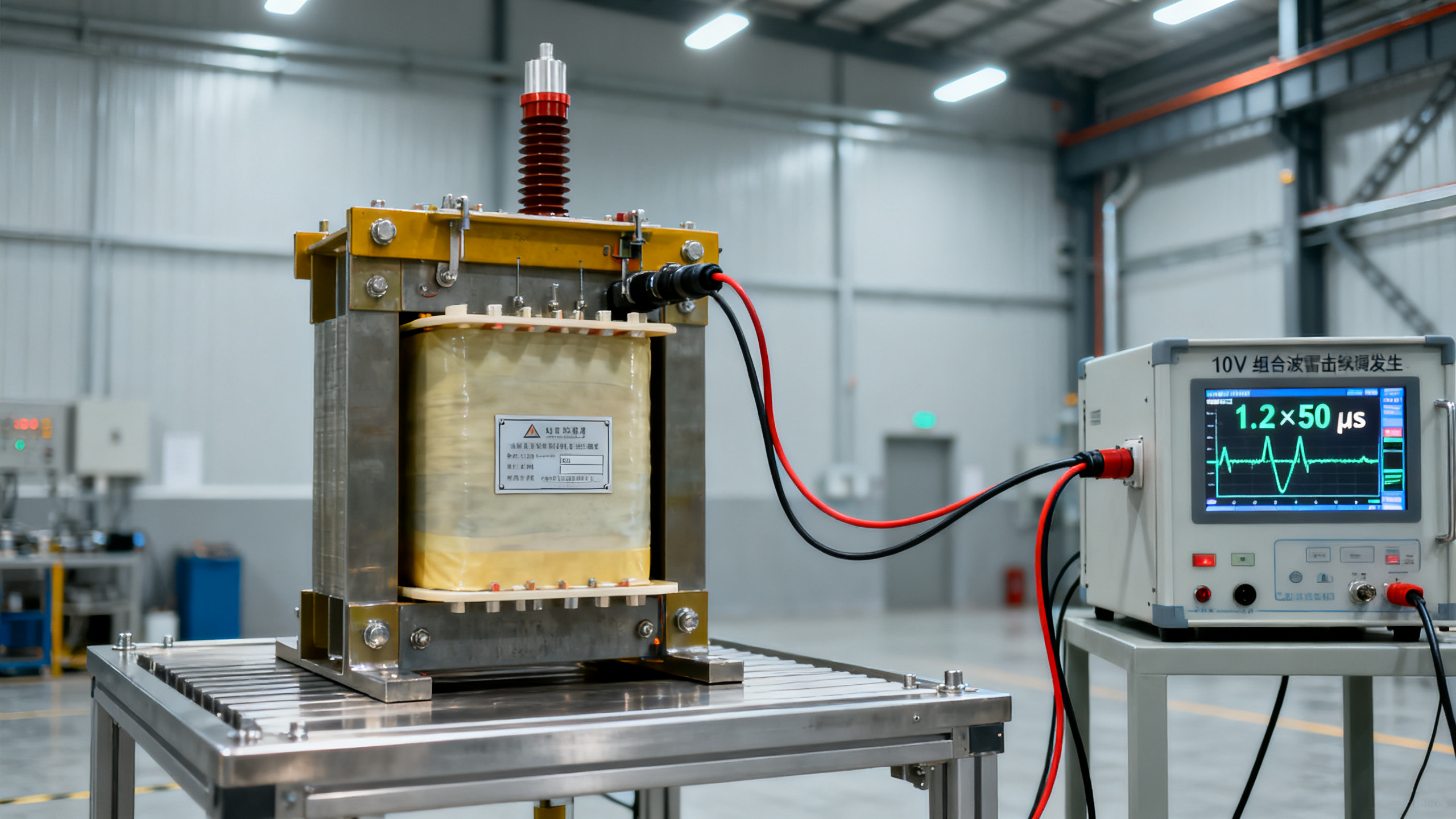
On May 8, 2026, the German Institute for Standardization (DIN) released DIN EN 61558-2-16:2026, specifying updated lightning impulse test requirements for industrial control transformers. The revised standard mandates a 10 kV open-circuit voltage / 1.2×50 μs combination wave surge test—upgraded from the previous 8 kV requirement—and requires testing in fully assembled, operational condition. Exporters supplying industrial control transformers to Germany or other EU markets applying this standard, as well as manufacturers supporting CCC-certified supply chains, must now reassess compliance timelines and test readiness.
Event Overview
The German Institute for Standardization (DIN) officially published DIN EN 61558-2-16:2026 on May 8, 2026. This edition clarifies that industrial control transformers must withstand a 10 kV / 1.2×50 μs combination wave surge under open-circuit conditions, and that the test must be performed on the complete unit—not on components alone. On the same day, China’s CCC certification bodies—including China Quality Certification Center (CQC) and China Electric Equipment Inspection Institute (CESI)—opened dedicated application channels for this updated test. However, initial test slots are scheduled no earlier than September 2026.
Industries Affected by Segment
Direct Exporters to EU Markets
These enterprises face immediate regulatory alignment pressure: DIN EN 61558-2-16:2026 is harmonized under the EU Low Voltage Directive and may be referenced in CE conformity assessments for industrial control equipment. A failure to meet the new 10 kV surge requirement could delay market access or trigger post-market surveillance actions.
Manufacturers of Industrial Control Transformers
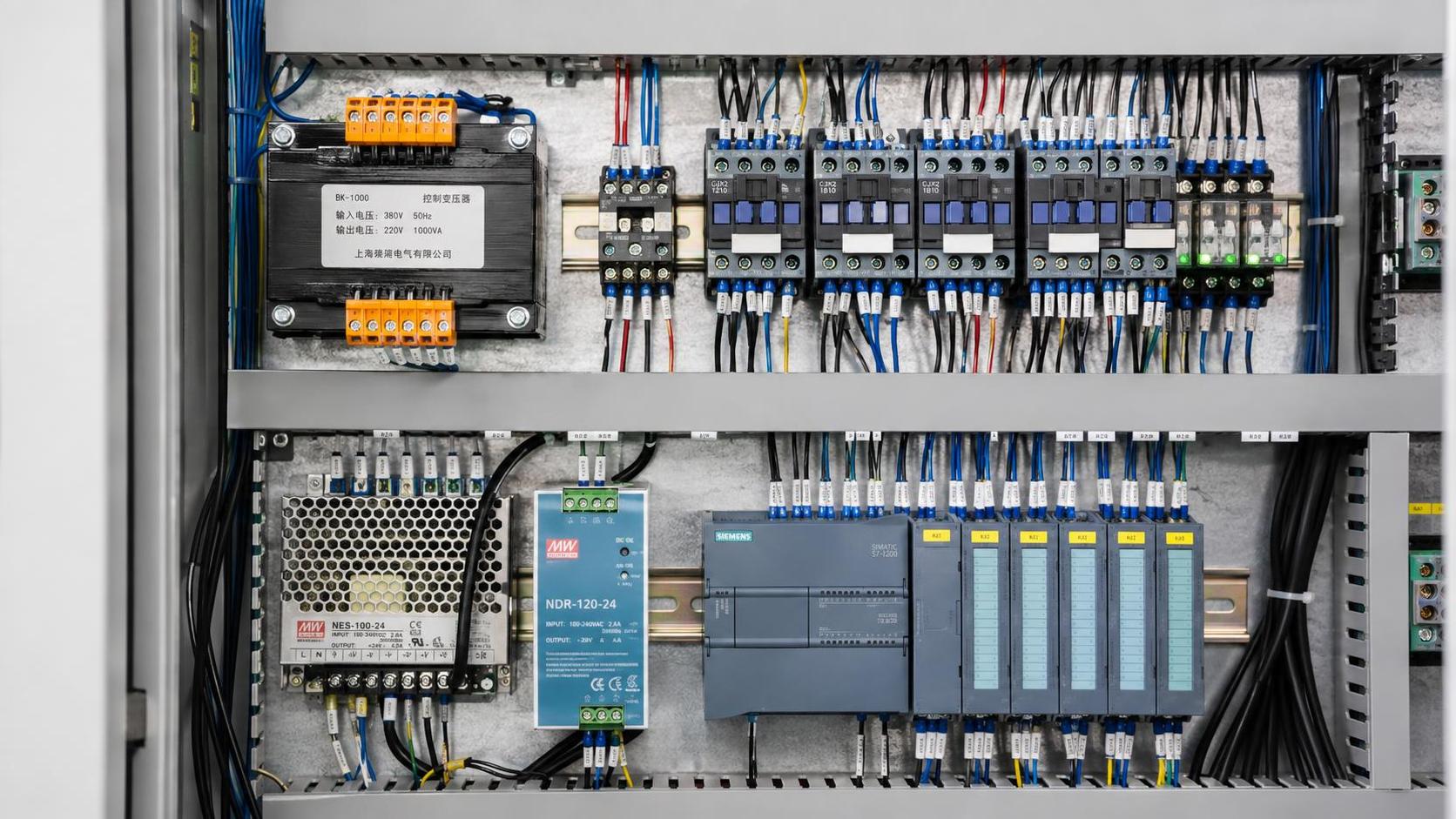
Design and production processes are directly impacted. The higher surge voltage level (10 kV vs. prior 8 kV) may necessitate revised insulation coordination, creepage/clearance validation, and requalification of winding structures or potting materials. Testing in the fully assembled state further increases complexity compared to subassembly-level verification.
CCC-Certified Supply Chain Participants
Firms holding or pursuing CCC certification for transformer-based control systems must now address this update as part of their certified product scope. Since CQC and CESI have launched special受理 (acceptance) procedures, any pending or newly submitted CCC applications involving industrial control transformers will be evaluated against this version unless explicitly grandfathered—a status not yet confirmed by official guidance.
Third-Party Testing and Certification Service Providers
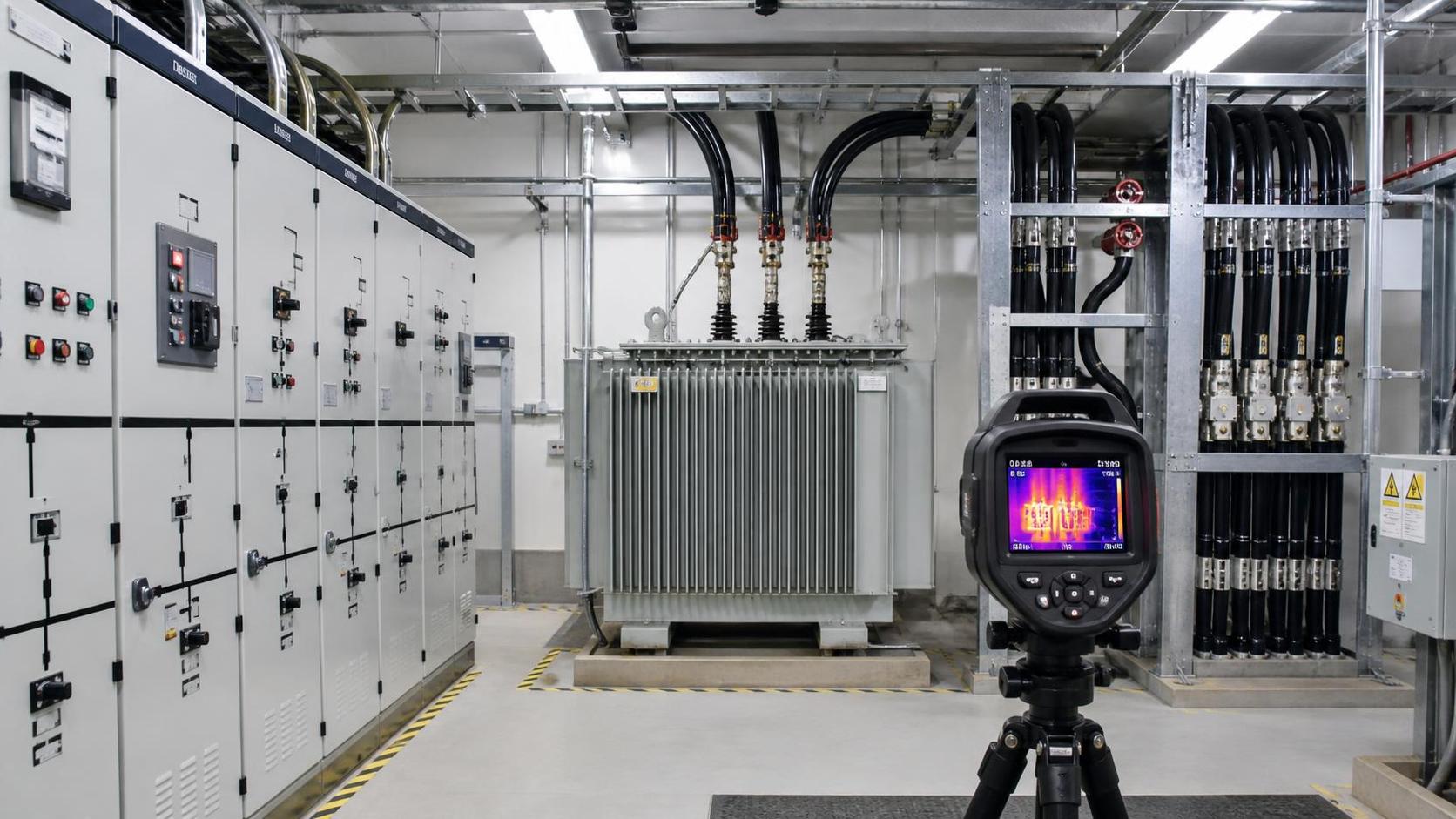
Laboratories accredited for EN 61558 series testing must verify capability for the updated 10 kV combination wave test setup—including waveform accuracy, grounding configuration, and test sequence compliance per Clause 19.2 of DIN EN 61558-2-16:2026. Capacity constraints are already evident, given reported September 2026 slot availability.
Key Points for Enterprises and Practitioners
Monitor official interpretations from DIN, CENELEC, and CCC authorities
While DIN EN 61558-2-16:2026 is published, transitional provisions—such as grace periods, grandfathering of existing certificates, or alignment with IEC 61558-2-16 Ed. 3.0—are not yet detailed in publicly available documents. Stakeholders should track updates from national standards bodies and certification agencies before finalizing compliance plans.
Prioritize pre-testing for high-volume or time-sensitive export SKUs
Given confirmed September 2026 earliest test scheduling at CCC-accredited labs, companies planning Q4 2026 shipments to EU markets should initiate internal pre-testing now—using calibrated 10 kV / 1.2×50 μs surge generators—to identify design or layout vulnerabilities early. This reduces risk of late-stage redesign or certification delays.
Distinguish between regulatory adoption and enforcement timing
Analysis shows that DIN EN 61558-2-16:2026 becomes mandatory only upon incorporation into the Official Journal of the European Union (OJEU) as a harmonized standard. Its current publication reflects technical alignment—not automatic legal enforceability. Similarly, CCC’s special acceptance channel signals procedural readiness, not an immediate deadline for all existing certificates.
Update supplier communication and procurement specifications
Manufacturers sourcing transformer cores, bobbins, or insulation materials should revise technical specifications to reference the 10 kV surge withstand requirement and full-unit test condition. Procurement contracts for new designs should include clauses requiring supplier validation reports aligned with DIN EN 61558-2-16:2026 Clause 19.
Editorial Perspective / Industry Observation
Observably, this update functions primarily as a technical signal—not yet an enforced mandate—highlighting tightening resilience expectations for industrial power components in safety-critical environments. From an industry perspective, the shift from 8 kV to 10 kV reflects growing recognition of real-world surge exposure in factory automation and renewable energy integration scenarios. Current more appropriate understanding is that DIN EN 61558-2-16:2026 marks the start of a 12–18 month transition cycle, during which harmonization status, national transposition, and CCC implementation rules will evolve. Sustained monitoring is warranted—not urgent overhaul.
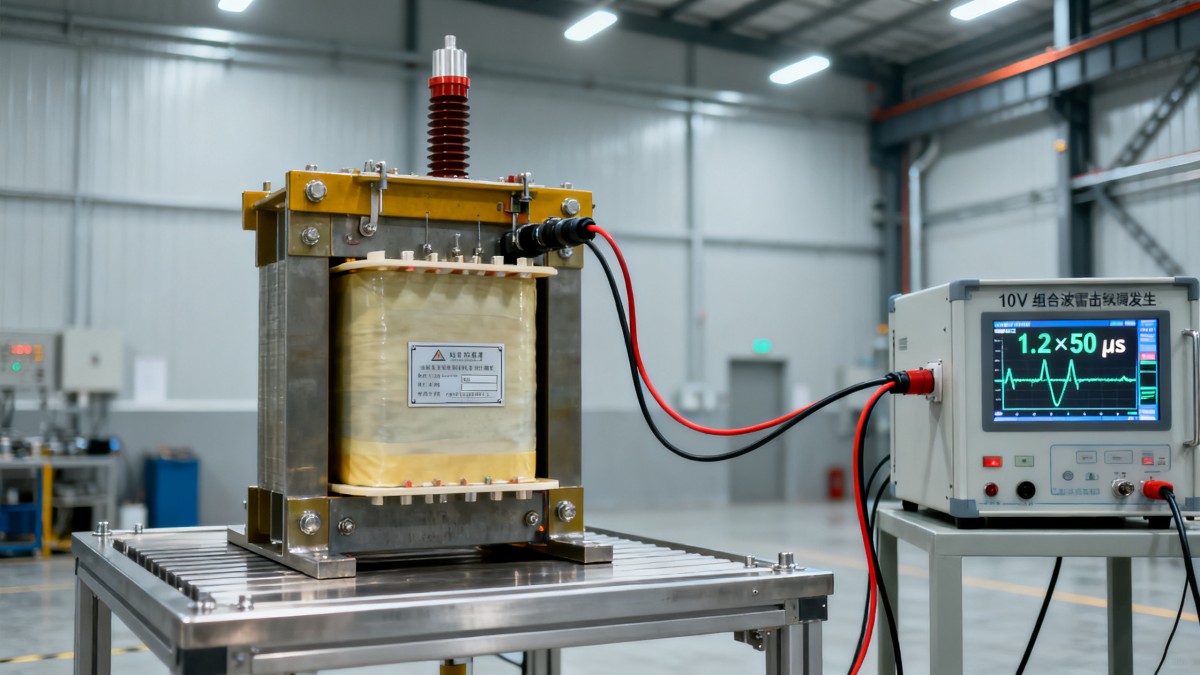
In summary, DIN EN 61558-2-16:2026 introduces a measurable escalation in surge immunity requirements for industrial control transformers, with tangible implications for export compliance, product design, and certification logistics. Its significance lies less in immediate enforcement and more in its role as a leading indicator of converging global expectations for electromagnetic robustness in industrial equipment. At present, it is best understood as a procedural milestone requiring proactive assessment—not reactive compliance.
Source: German Institute for Standardization (DIN), China Quality Certification Center (CQC), China Electric Equipment Inspection Institute (CESI).
Noted for ongoing observation: Harmonization status in the Official Journal of the European Union (OJEU); formal CCC transition policy announcements; and any technical corrigenda to DIN EN 61558-2-16:2026 issued within six months of publication.
Technical Specifications
- How to Select an Emissions Monitoring System Analyzer for Compliance ReportingAuthor :Precision Metrology Expert
- How to Select an Access Control Management System for Multi-Site FacilitiesAuthor :Safety Compliance Lead
- Portable Gas Monitor Calibration: How Often Is It Needed for Safe Confined-Space Work?Author :Precision Metrology Expert
Expert Insights

Chief Security Architect
Dr. Thorne specializes in the intersection of structural engineering and digital resilience. He has advised three G7 governments on industrial infrastructure security.
Related Analysis
- Sep 21, 2026How to Select an Emissions Monitoring System Analyzer for Compliance ReportingAuthor :Precision Metrology Expert
- Sep 20, 2026How to Select an Access Control Management System for Multi-Site FacilitiesAuthor :Safety Compliance Lead
- Sep 19, 2026Portable Gas Monitor Calibration: How Often Is It Needed for Safe Confined-Space Work?Author :Precision Metrology Expert
Core Sector // 01
Security & Safety
- How to Size a UPS for Server Rooms: Load, Runtime, and Redundancy FactorsAuthor :Grid Infrastructure Analyst

- How to Choose a Step-Down Transformer for a Control Panel: Key Sizing FactorsAuthor :Grid Infrastructure Analyst

- How Often Should Overseas Power Systems Undergo Safety Inspections?Author :Grid Infrastructure Analyst

- How to Choose Panels for Extreme-Cold Industrial Sites?Author :Grid Infrastructure Analyst

- What Should a Cross-Border EPC Equipment Procurement Reference Include?Author :Grid Infrastructure Analyst

- How to Compare Low-Voltage Equipment for Panel IntegrationAuthor :Grid Infrastructure Analyst

- IEC-Compliant Power Infrastructure: Key Design and Verification RequirementsAuthor :Grid Infrastructure Analyst

- Updated EN 61000-6-4:2026 Raises EMC Compliance Bar for EU-Bound Industrial EquipmentAuthor :Grid Infrastructure Analyst