What reliable electrical infrastructure components suppliers provide
Author
Date Published
Reading Time
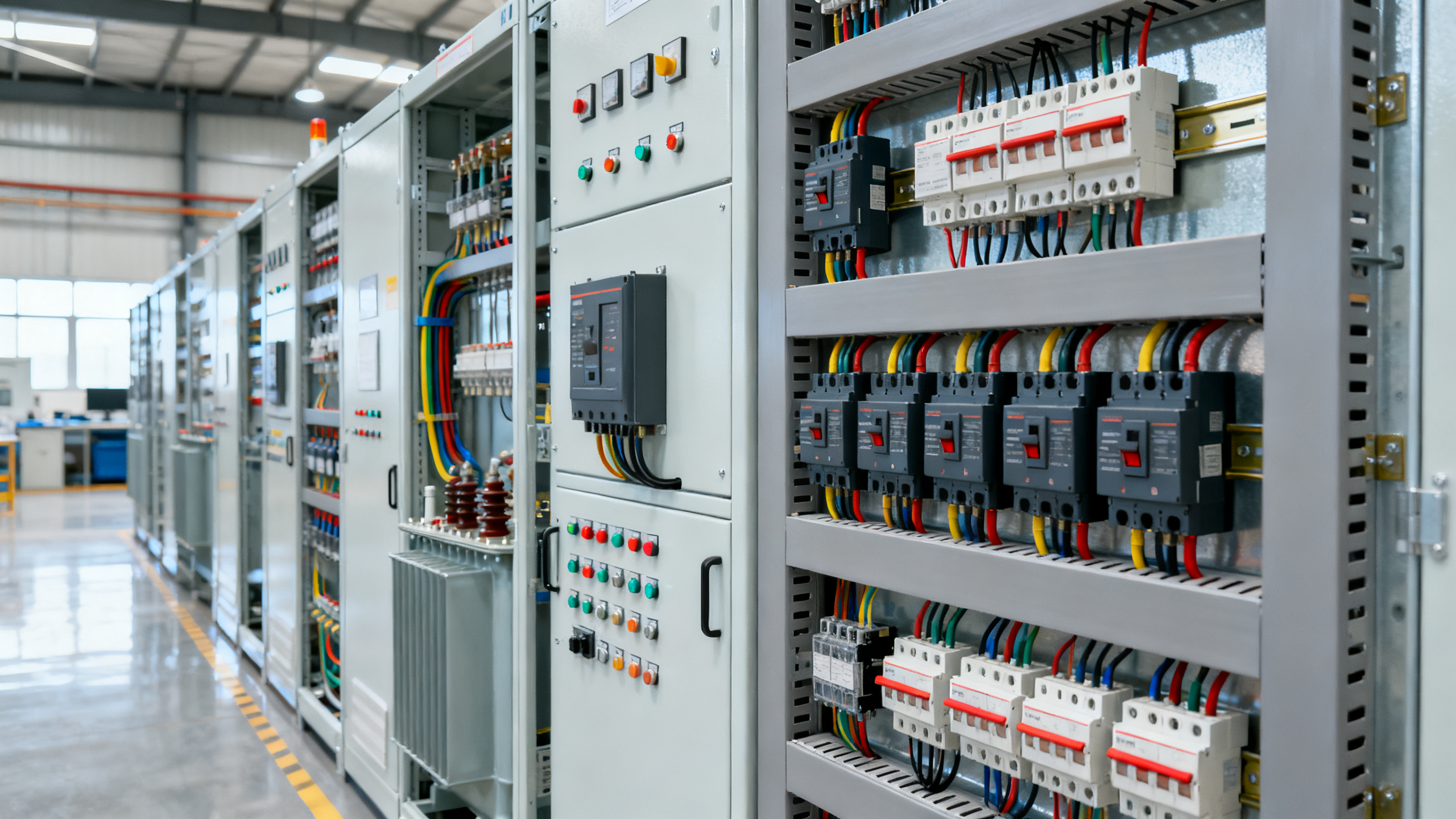
Choosing reliable electrical infrastructure components suppliers is a high-stakes decision for procurement teams responsible for safety, uptime, and compliance. From switchgear and transformers to connectors and protection systems, every component must perform under demanding conditions. This guide helps buyers evaluate supplier credibility, certification strength, product consistency, and long-term sourcing value with greater confidence.
Why do electrical infrastructure components suppliers matter so much in industrial procurement?
For procurement teams, the supplier is not simply a source of parts. In electrical infrastructure, suppliers directly influence plant safety, system stability, maintenance cost, and project delivery schedules. A weak supplier can introduce hidden risks such as inconsistent insulation quality, poor material traceability, delayed documentation, or non-compliant protection devices. In heavy industry, commercial buildings, utilities, and EPC projects, these failures can trigger downtime, safety incidents, rework, and regulatory exposure.
Reliable electrical infrastructure components suppliers typically support a broad ecosystem of products used in distribution and control systems. This may include circuit breakers, relays, busbars, cable accessories, enclosures, terminals, surge protection devices, transformers, meters, sensors, and grounding components. Because these parts interact inside a larger electrical architecture, procurement should evaluate suppliers based on system compatibility and lifecycle performance, not just piece-price.
This is why experienced buyers increasingly favor suppliers that can demonstrate engineering support, documented compliance, repeatable production quality, and responsiveness during commissioning and after-sales service. The right supplier reduces operational uncertainty and helps procurement move from reactive purchasing to risk-managed sourcing.
What should buyers check first when screening electrical infrastructure components suppliers?
The first screening step should focus on supplier legitimacy and technical fit. Many suppliers appear competitive on paper, but procurement teams need evidence that they can consistently serve industrial environments with the required voltage class, environmental protection level, and certification profile. A credible review should start with five questions: Are they certified? Are their products tested? Can they provide traceability? Do they understand your application? Can they support long-term supply continuity?
A practical prequalification review often includes:
- Company registration, export capability, and manufacturing or authorized distribution status
- Quality management credentials such as ISO 9001
- Relevant product compliance such as CE, UL, IEC, RoHS, or local grid approvals
- Access to type test reports, routine inspection records, and material certifications
- Proven references in similar sectors, such as utilities, oil and gas, manufacturing, or infrastructure projects
- Clear warranty, lead time, spare parts, and technical support commitments
Procurement teams should also verify whether the supplier’s documentation is consistent and current. Outdated certificates, incomplete datasheets, or vague testing claims are early warning signs. Trusted electrical infrastructure components suppliers tend to provide structured technical files quickly because their internal processes are already aligned with buyer due diligence.
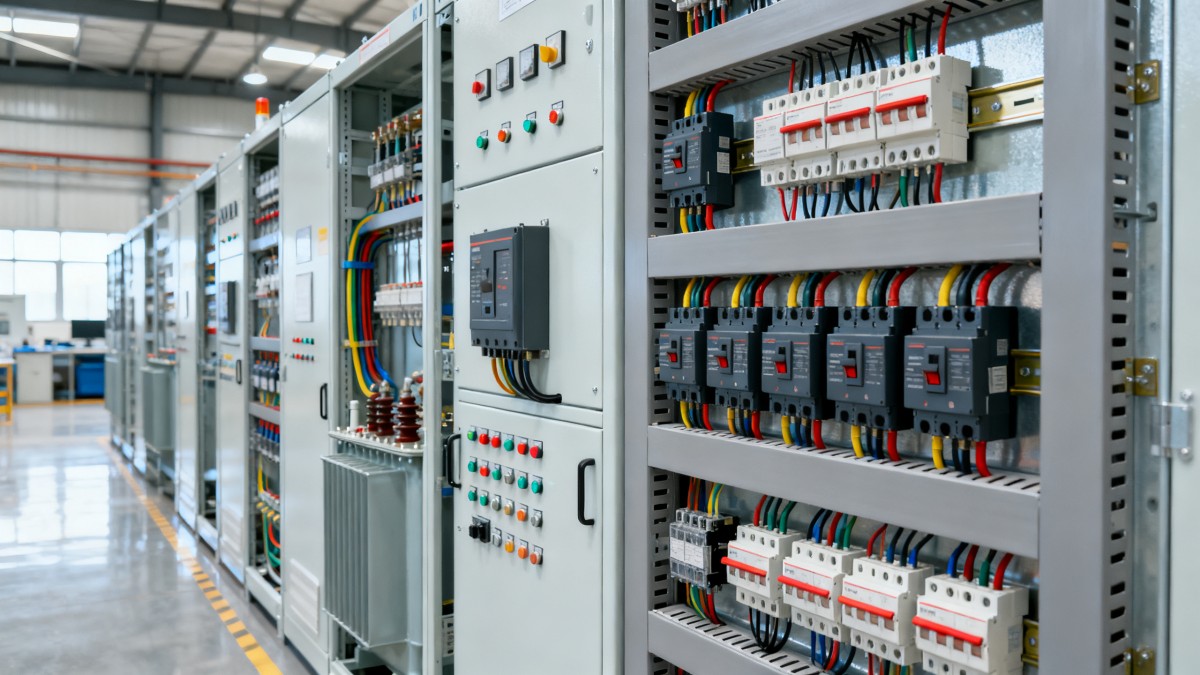
How can you tell whether a supplier is truly reliable and not just good at sales?
Reliability is best judged through evidence across quality, engineering, delivery, and service. A polished catalog does not prove manufacturing discipline. Procurement teams should look for signals that reveal operational maturity. For example, a reliable supplier can explain failure modes, recommend suitable derating for real conditions, and provide documented quality controls for critical dimensions, insulation systems, and protective functions.
Ask for batch traceability, incoming material inspection methods, and final inspection routines. If the supplier manufactures switchgear accessories or protection devices, request details on temperature rise testing, dielectric performance, short-circuit withstand data, ingress protection validation, and endurance tests where applicable. If they supply connectors or terminals, ask about plating thickness, contact resistance stability, vibration performance, and corrosion resistance. Reliable electrical infrastructure components suppliers usually answer these questions precisely rather than with broad assurances.
Site audits, third-party inspections, or video factory walkthroughs can further strengthen supplier validation. Even when travel is limited, buyers can request process maps, calibration records, photos of testing equipment, and sample inspection reports. A supplier’s willingness to open its processes often says more than its marketing claims.
Which certifications and documents are most important for procurement teams?
The exact documentation depends on the product category and destination market, but some requirements are consistently important. Procurement should separate management certifications from product certifications. ISO 9001 confirms a quality management framework, but it does not by itself prove a breaker, connector, or enclosure is compliant for your application. Product-level compliance and test evidence remain essential.
Commonly requested documents include declarations of conformity, type test reports, routine test records, inspection certificates, material data sheets, calibration records, and installation manuals. For exported projects, buyers may also need country-specific approvals, customs documentation, and packaging standards for long-distance shipping. In critical applications, traceability down to lot number or heat number can be decisive.
The best electrical infrastructure components suppliers do not treat documentation as an afterthought. They understand that procurement, engineering, quality assurance, and site teams all rely on accurate technical records to reduce project risk.
How should buyers compare suppliers beyond price?
Price matters, but total value matters more. The lowest quote can become the most expensive option if it causes installation delays, high failure rates, or frequent replacements. Procurement teams should compare suppliers across total cost of ownership. This includes service life, energy efficiency, maintenance intervals, replacement compatibility, packaging protection, logistics reliability, and technical support quality.
For example, a slightly higher-priced terminal block or protection device from a stronger supplier may reduce panel assembly issues, minimize field failures, and simplify future expansion. In large projects, those advantages often outweigh a small purchase-price difference. Buyers should also consider whether the supplier can maintain stable specifications across multiple production batches. Engineering changes without notice can create serious problems during repeat procurement.
A practical comparison scorecard may include technical compliance, commercial terms, manufacturing control, lead time reliability, logistics performance, documentation quality, responsiveness, and after-sales support. This method helps procurement teams assess electrical infrastructure components suppliers objectively rather than relying only on initial quotation gaps.
What are the most common mistakes when choosing electrical infrastructure components suppliers?
One common mistake is assuming that all compliant-looking products are functionally equivalent. In reality, products can vary significantly in conductor material, insulation grade, tolerances, sealing performance, short-circuit capability, or operating temperature range. Another mistake is relying only on certificates without checking whether the exact model, rating, and production site are covered.
Buyers also underestimate the risk of supply instability. A supplier may offer attractive pricing for a pilot order but lack the production planning, inventory discipline, or raw material resilience needed for long-term contracts. Procurement should ask how the supplier manages component shortages, quality escapes, engineering changes, and urgent replacement requests.
Another frequent error is ignoring application context. Components used in coastal environments, dusty plants, outdoor substations, tunnels, or high-vibration industrial sites need specific protection characteristics. Electrical infrastructure components suppliers that understand environmental exposure, duty cycle, installation constraints, and maintenance access can recommend more suitable options than general trading firms with limited engineering depth.
When is it smarter to work with a specialized supplier instead of a broad-line vendor?
A broad-line vendor may be useful for simple consolidation purchasing, especially when the products are standardized and low risk. However, specialized suppliers become more valuable when applications are technically demanding, compliance requirements are strict, or downtime costs are high. This is especially true for switchgear internals, metering assemblies, surge protection, cable terminations, grounding systems, and other performance-critical electrical items.
Specialized electrical infrastructure components suppliers often provide deeper product knowledge, better custom adaptation, and more reliable problem-solving during design review and commissioning. They are also more likely to understand test standards in detail and communicate technical limitations honestly. For procurement teams supporting EPC delivery or large industrial maintenance programs, this specialization can reduce approval delays and improve installation success.
That said, the best choice depends on project complexity. If your sourcing objective involves a mix of standard consumables and critical infrastructure hardware, a dual-source strategy may work well: use larger vendors for routine items and vetted specialists for critical electrical components where performance and compliance cannot be compromised.
What questions should procurement teams ask before moving to RFQ, trial order, or long-term cooperation?
Before requesting final quotes or signing supply agreements, procurement should clarify the operational details that affect long-term success. Start with product fit: what standards apply, what site conditions matter, what performance margins are required, and what documentation must ship with the goods? Then move to supply assurance: what is the normal lead time, what stock is held, what is the minimum order policy, and how are urgent orders handled?
It is also wise to ask about nonconformance management. How does the supplier investigate claims? How quickly are corrective actions issued? Can they support root-cause analysis with technical evidence? Strong electrical infrastructure components suppliers usually have a structured process for CAPA, inspection containment, and replacement planning. That is a major trust signal for procurement teams working under uptime and compliance pressure.
Finally, confirm commercial and technical governance. Establish approved model lists, revision control methods, packaging requirements, labeling rules, Incoterms, and acceptance criteria. These details may seem procedural, but they prevent many of the disputes and delays that damage project execution.
How should buyers summarize the best approach?
The best procurement outcomes come from treating supplier selection as a risk and performance decision, not just a price exercise. Reliable electrical infrastructure components suppliers should demonstrate verified compliance, stable manufacturing quality, clear technical documentation, dependable delivery, and responsive support throughout the product lifecycle. Buyers who apply a structured evaluation process are better positioned to reduce failure risk, protect project schedules, and secure stronger long-term value.
If you need to confirm a specific sourcing path, it is smart to first discuss required standards, application conditions, certification scope, testing evidence, lead times, traceability, spare parts strategy, and claim-handling procedures. Those questions will quickly show which electrical infrastructure components suppliers are prepared for serious industrial cooperation and which are only competing on surface-level pricing.
Technical Specifications
- How to Select an Emissions Monitoring System Analyzer for Compliance ReportingAuthor :Precision Metrology Expert
- How to Select an Access Control Management System for Multi-Site FacilitiesAuthor :Safety Compliance Lead
- Portable Gas Monitor Calibration: How Often Is It Needed for Safe Confined-Space Work?Author :Precision Metrology Expert
Expert Insights

Chief Security Architect
Dr. Thorne specializes in the intersection of structural engineering and digital resilience. He has advised three G7 governments on industrial infrastructure security.
Related Analysis
- Sep 21, 2026How to Select an Emissions Monitoring System Analyzer for Compliance ReportingAuthor :Precision Metrology Expert
- Sep 20, 2026How to Select an Access Control Management System for Multi-Site FacilitiesAuthor :Safety Compliance Lead
- Sep 19, 2026Portable Gas Monitor Calibration: How Often Is It Needed for Safe Confined-Space Work?Author :Precision Metrology Expert
Core Sector // 01
Security & Safety
- How to Size a UPS for Server Rooms: Load, Runtime, and Redundancy FactorsAuthor :Grid Infrastructure Analyst

- How to Choose a Step-Down Transformer for a Control Panel: Key Sizing FactorsAuthor :Grid Infrastructure Analyst

- How Often Should Overseas Power Systems Undergo Safety Inspections?Author :Grid Infrastructure Analyst

- How to Choose Panels for Extreme-Cold Industrial Sites?Author :Grid Infrastructure Analyst

- What Should a Cross-Border EPC Equipment Procurement Reference Include?Author :Grid Infrastructure Analyst

- How to Compare Low-Voltage Equipment for Panel IntegrationAuthor :Grid Infrastructure Analyst

- IEC-Compliant Power Infrastructure: Key Design and Verification RequirementsAuthor :Grid Infrastructure Analyst

- Updated EN 61000-6-4:2026 Raises EMC Compliance Bar for EU-Bound Industrial EquipmentAuthor :Grid Infrastructure Analyst