Mechanical Components for Heavy Machinery: Types, Loads, and Failure Risks
Author
Date Published
Reading Time
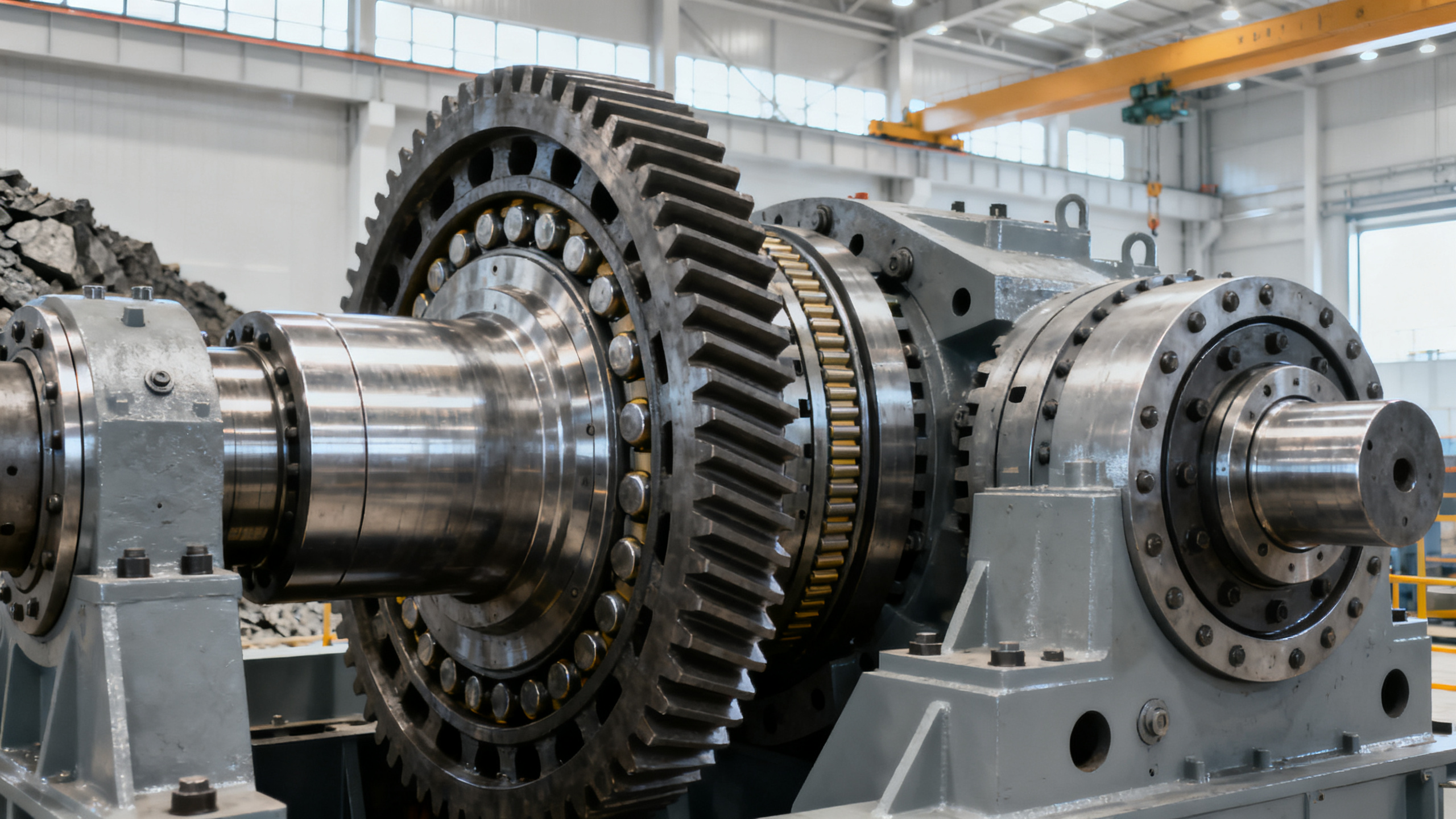
Mechanical components for heavy machinery sit at the center of industrial reliability. When excavators, crushers, presses, conveyors, turbines, or lifting systems fail, the problem often begins in load transfer, wear surfaces, or fatigue-prone interfaces rather than in the machine as a whole.
That is why component selection deserves close technical scrutiny. In high-consequence environments, a bearing, shaft, gear, coupling, or fastener is not a commodity item. It is a load-bearing decision tied to uptime, compliance, safety margins, and lifecycle cost.
Across infrastructure, mining, power, marine, material handling, and process industries, the same pattern appears. Mechanical performance is shaped by operating loads, installation quality, material choice, lubrication control, and the real conditions that procurement documents sometimes understate.
Where these components matter most
Mechanical components for heavy machinery are the physical links that convert power into motion, motion into force, and force into useful work. They include both obvious moving parts and less visible structural interfaces that keep the system aligned and stable.
In practice, these parts operate under high torque, impact loading, abrasive contamination, thermal cycling, and irregular duty patterns. A component may look adequate on paper, yet fail early when exposed to overload peaks, poor sealing, or vibration resonance.
This is one reason the topic matters across the broader industrial sector. Global Industrial Core emphasizes that foundational engineering decisions must be judged through compliance, resilience, and field performance, not only unit price or catalog specifications.
Main types of mechanical components for heavy machinery
The category is broad, but several component groups appear repeatedly in heavy-duty equipment and industrial infrastructure.
Power transmission elements
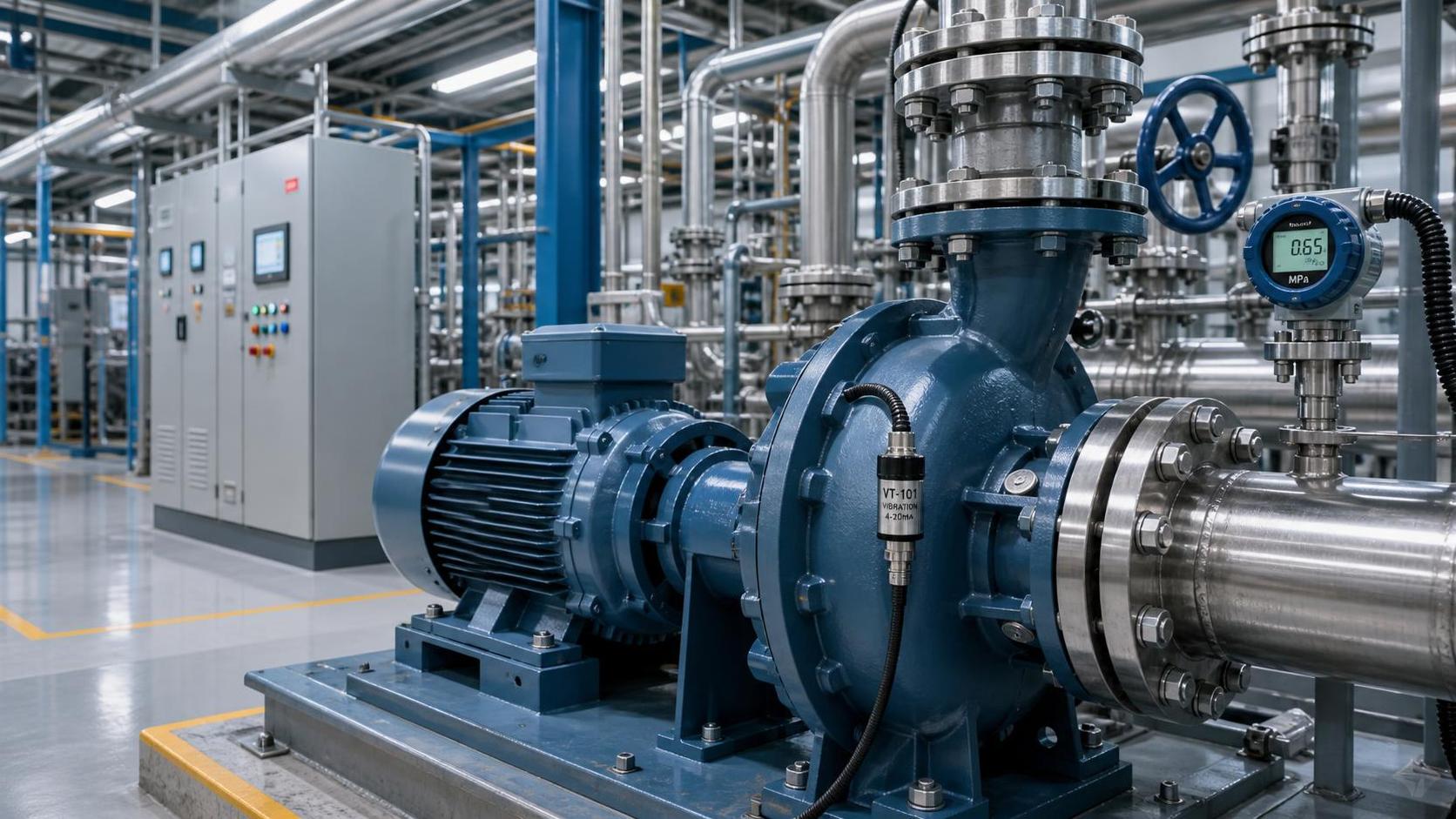
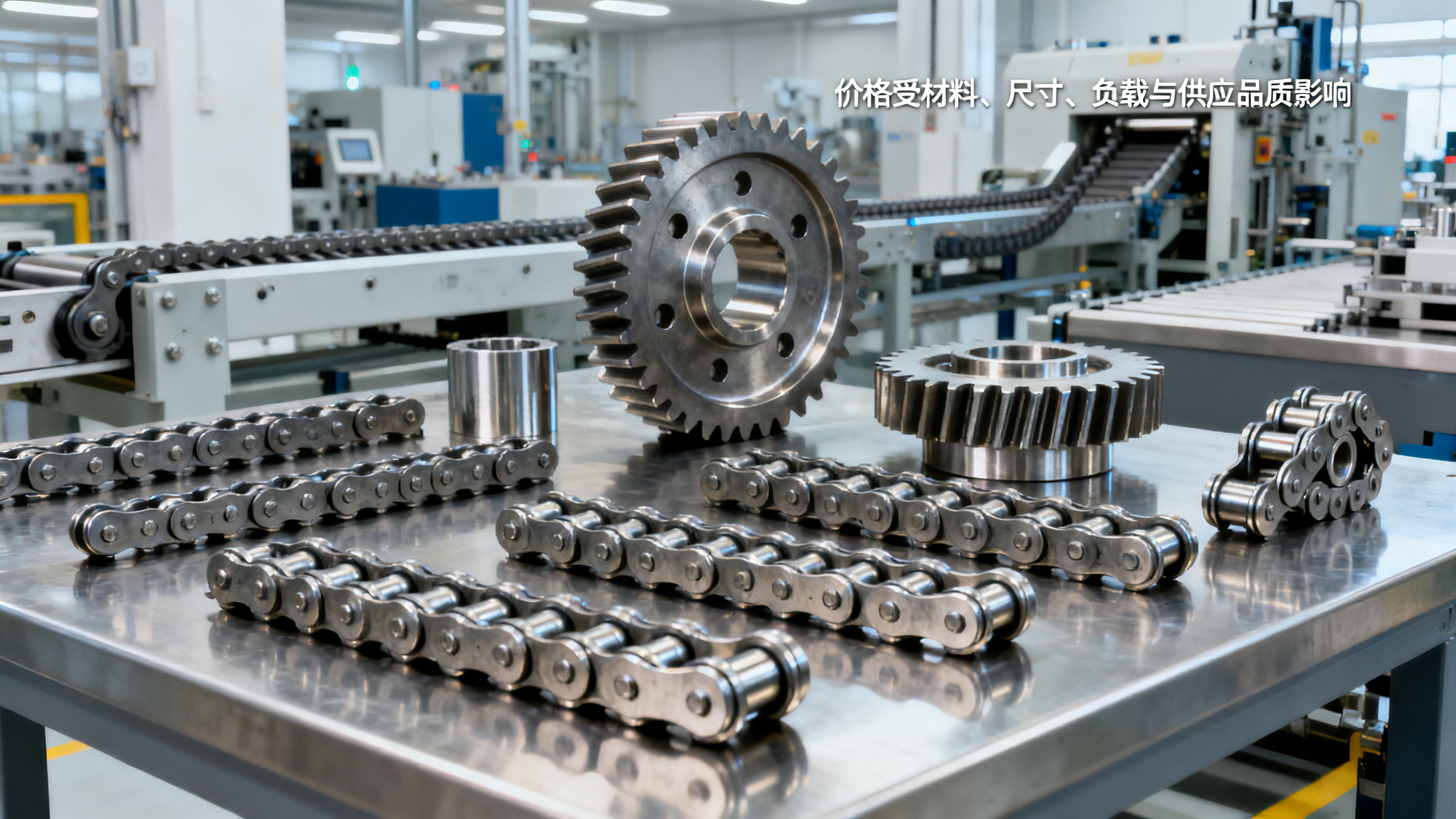
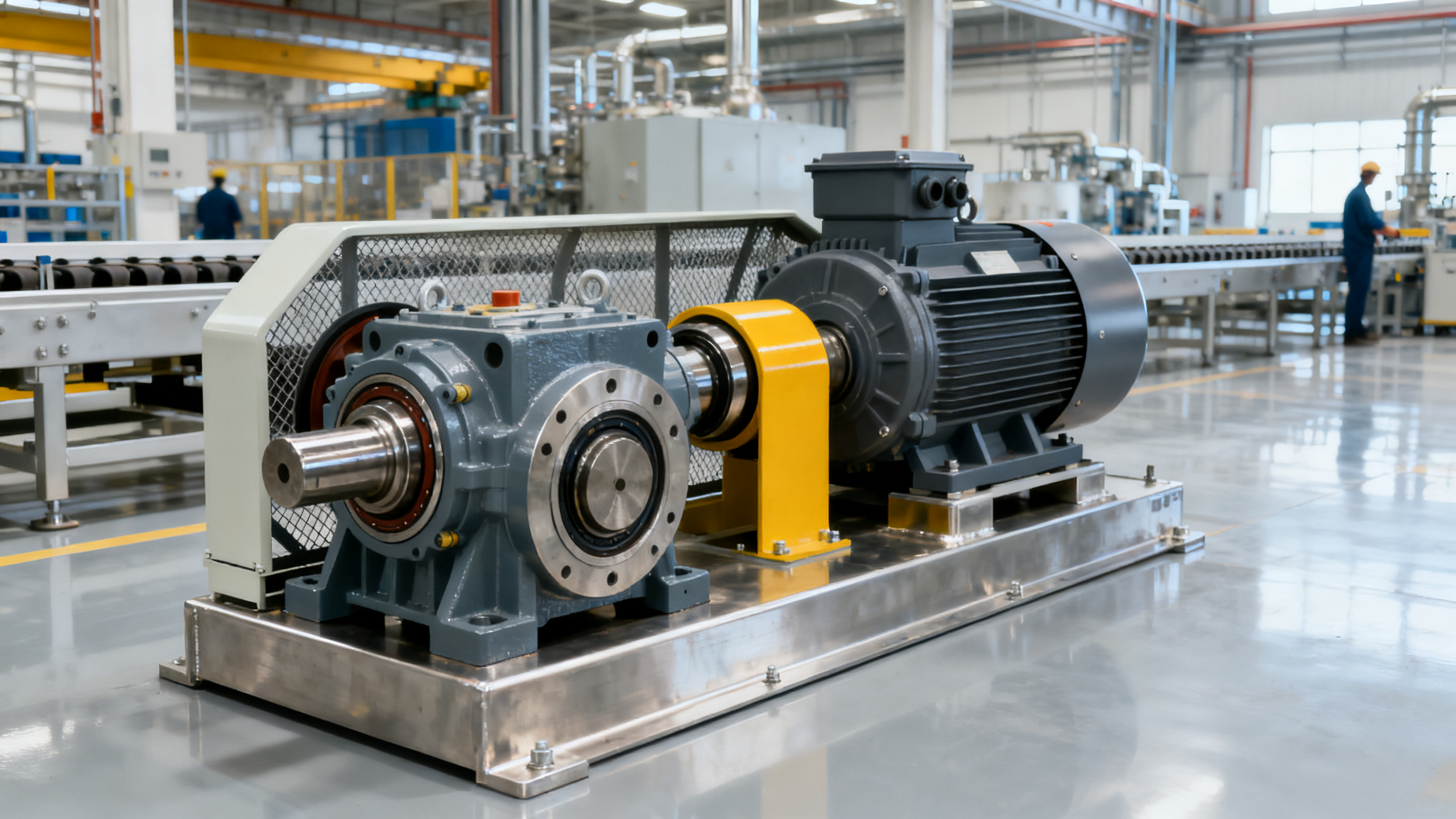
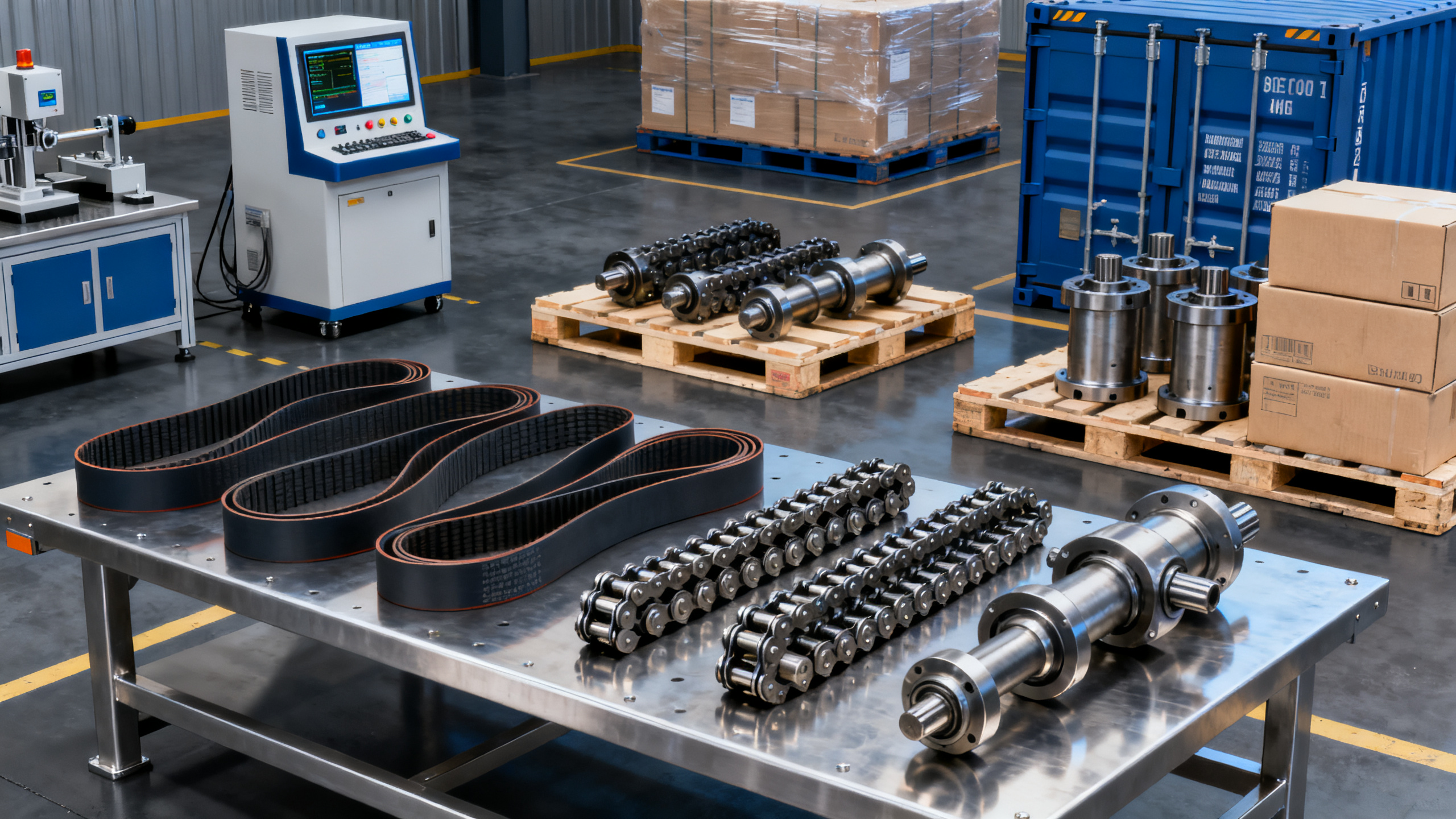
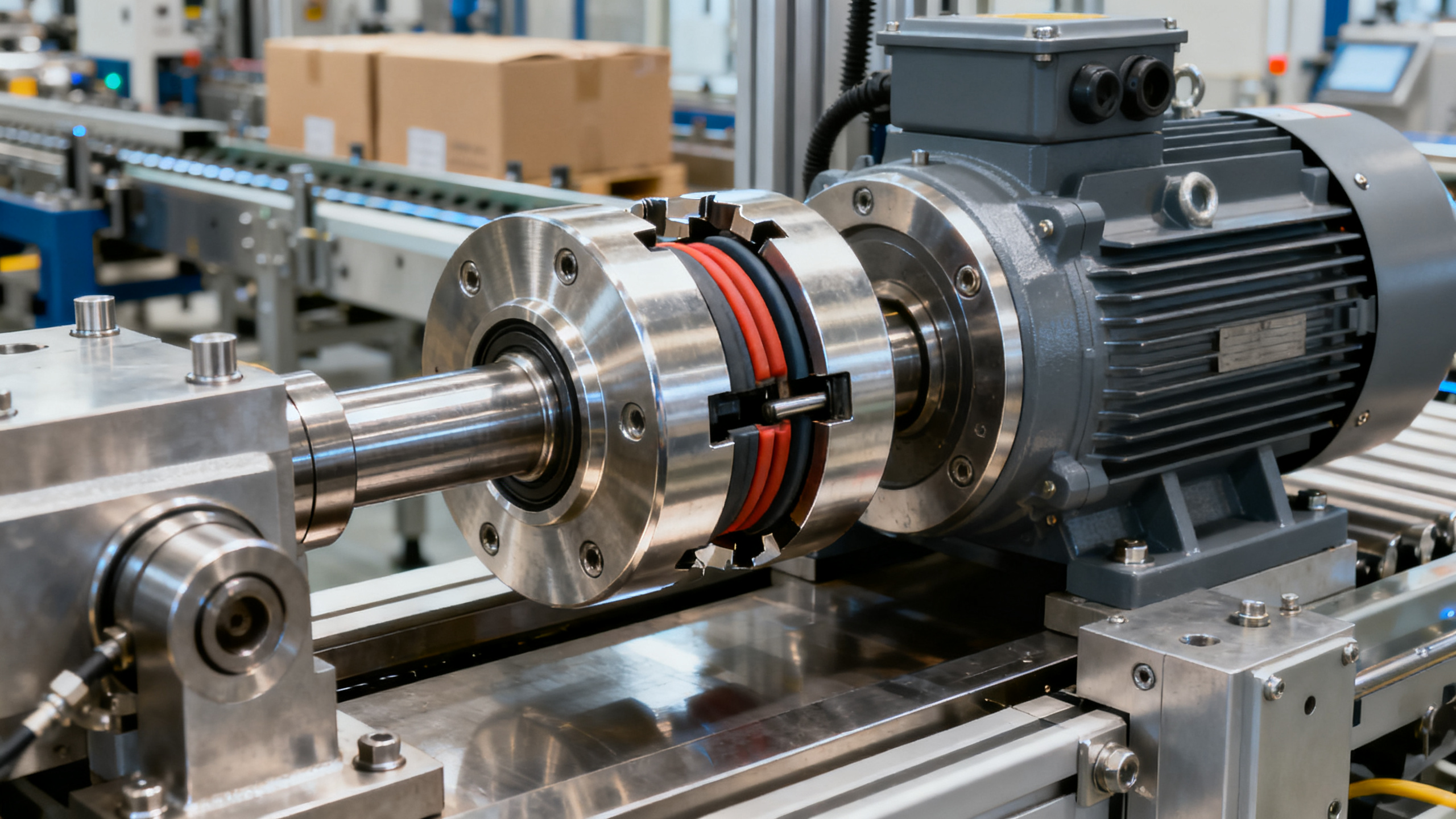
Gears, shafts, couplings, sprockets, chains, and belt drives transfer torque between prime movers and work systems. Their performance depends on alignment, backlash control, tooth profile quality, and resistance to shock loads.
Rotating support components
Bearings, bushings, sleeves, and housings support rotating or oscillating elements. Selection must reflect radial load, axial load, speed, lubrication regime, contamination exposure, and expected maintenance intervals.
Structural and fastening parts
Pins, bolts, anchors, retaining systems, brackets, and welded interfaces hold assemblies together. These are often overlooked until joint loosening, fretting, or fatigue cracking begins to affect positional accuracy and safety.
Sealing and wear-control items
Seals, gaskets, liners, wear plates, and protective coatings preserve lubrication, block contaminants, and reduce abrasion. In dirty or corrosive environments, these parts often determine whether larger assets meet their intended service life.
Loads are rarely simple in real service
Catalog ratings often assume stable operating conditions. Heavy equipment rarely behaves that way. Loads can be static, dynamic, cyclic, impact-based, or combined, and the most damaging condition may occur only for a few seconds during each operating cycle.
A gearbox in a conveyor system may face continuous torque with occasional jam events. A slew bearing in a crane may see combined axial, radial, and overturning moments. A crusher liner may survive normal compression but degrade rapidly when feed composition changes.
This is why load interpretation matters as much as load magnitude. Mechanical components for heavy machinery should be evaluated against peak load events, duty cycles, startup and shutdown stress, thermal expansion, and environmental contamination.
What should be checked beyond nominal load
- Load direction changes and moment loads at joints or shafts.
- Speed variation, stop-start patterns, and transient torque spikes.
- Temperature effects on hardness, lubricant viscosity, and clearances.
- Ingress of dust, moisture, slurry, or corrosive chemicals.
- Foundation movement, frame deflection, and installation tolerance stack-up.
Why failure risk is rising on the evaluation agenda
Industrial systems are being pushed harder. Operators expect longer run hours, tighter maintenance windows, and higher energy efficiency, while many sites still work in dust, salt, humidity, vibration, and variable loads.
At the same time, global sourcing has widened the supplier base. That creates opportunity, but it also increases the need to verify traceability, metallurgy, dimensional tolerance, heat treatment consistency, and standards compliance.
For Global Industrial Core, this is where technical intelligence becomes practical. Good evaluation work connects test certificates, field history, and engineering assumptions before a component reaches critical service.
Common failure patterns
Fatigue remains one of the most persistent risks. Repeated stress cycles can initiate microcracks in shafts, gear roots, bolted joints, and welded transitions long before visible deformation appears.
Wear is equally significant. Abrasive particles, inadequate lubrication films, and poor surface compatibility can accelerate metal loss, clearance growth, and thermal damage.
Corrosion-related failures often hide beneath coatings or inside sealed spaces. When corrosion combines with cyclic loading, loss of section thickness can quickly become a structural issue.
Misalignment is another multiplier. It rarely appears as a single root cause, yet it can shorten the life of bearings, couplings, seals, and fasteners across the same machine train.
How to assess mechanical components for heavy machinery in business practice
A useful review starts with the operating context, not the part number. The same bearing or coupling can perform very differently in a port crane, a quarry conveyor, or a wastewater treatment drive system.
Material selection should be tied to service conditions. Hardened alloy steels, ductile irons, bronze alloys, engineered polymers, and coated surfaces all have valid roles, but only when matched to load mode, wear mechanism, and environment.
Mechanical components for heavy machinery also need documentation discipline. Drawings, tolerance bands, inspection criteria, NDT requirements, CE or ISO references, and maintenance assumptions should align before approval.
Practical evaluation points
- Compare rated capacity with actual duty cycle, not only design load.
- Verify material certificates, heat treatment data, and surface hardness records.
- Check tolerances at interfaces where alignment and fit control performance.
- Review lubrication access, seal design, and contamination barriers.
- Examine failure history from similar assets, regions, or process conditions.
- Confirm whether maintenance crews can inspect or replace the part safely.
Application patterns across heavy industry
Different sectors stress mechanical components for heavy machinery in different ways, which changes the most important selection criteria.
Mining and aggregates place exceptional pressure on wear parts, liners, bearings, and seals because of dust, impact, and abrasive feed. In power and utilities, rotating balance, thermal stability, and long service intervals tend to dominate.
Marine and port equipment require strong corrosion resistance and stable performance under shock, salt exposure, and irregular loading. Process plants often focus on sealing integrity, precision alignment, and compatibility with continuous operation.
These differences matter because a technically acceptable component in one setting may become a high-risk choice in another. Cross-sector benchmarking is useful only when the duty profile is truly comparable.
A disciplined next step reduces surprises
The best decisions around mechanical components for heavy machinery usually come from narrowing a few variables early: real load behavior, environmental exposure, acceptable failure consequences, and required evidence of quality.
From there, it becomes easier to compare options on more than price. A shortlist built around service life, inspection access, compliance records, and known failure modes is far more defensible than a catalog comparison alone.
If the application is critical, the next move is straightforward. Recheck the duty assumptions, map likely failure mechanisms, and align supplier data with site conditions before final selection. That process tends to prevent the most expensive surprises later.
Technical Specifications
- How to Select Electronic Hotel Key Card Locks for Guest Rooms and Staff AreasAuthor :Safety Compliance Lead
- How to Select Lab Instruments for Reliable Chemical Analysis WorkflowsAuthor :Precision Metrology Expert
- How to Size a UPS for Server Rooms: Load, Runtime, and Redundancy FactorsAuthor :Grid Infrastructure Analyst
Expert Insights

Chief Security Architect
Dr. Thorne specializes in the intersection of structural engineering and digital resilience. He has advised three G7 governments on industrial infrastructure security.
Related Analysis
- Sep 17, 2026How to Select Electronic Hotel Key Card Locks for Guest Rooms and Staff AreasAuthor :Safety Compliance Lead
- Sep 16, 2026How to Select Lab Instruments for Reliable Chemical Analysis WorkflowsAuthor :Precision Metrology Expert
- Sep 15, 2026How to Size a UPS for Server Rooms: Load, Runtime, and Redundancy FactorsAuthor :Grid Infrastructure Analyst
Core Sector // 01
Security & Safety
- Does Power Transmission Maintenance Differ in Desert and Arctic Sites?Author :Heavy Industry Strategist

- Can Industrial Engineering Solutions Reduce Petrochemical Downtime?Author :Heavy Industry Strategist

- What Drives Industrial Roller Chains Price: Material, Pitch, Load, and Supplier FactorsAuthor :Heavy Industry Strategist

- How to Choose a Three Phase Soft Starter for Pumps, Fans, and ConveyorsAuthor :Heavy Industry Strategist

- How to Evaluate a Conveyor Roller Belts Manufacturer for Load, Speed, and Service LifeAuthor :Heavy Industry Strategist

- Power Transmission Systems Pricing: 7 Cost Drivers Buyers Should CompareAuthor :Heavy Industry Strategist

- India Expands BIS ISI Rule for Imported Belts and ChainsAuthor :Heavy Industry Strategist

- Zero Backlash Jaw Coupling Selection Guide: Torque, Misalignment, and Servo PerformanceAuthor :Heavy Industry Strategist