How Rebar Traceability Is Shaping Procurement and QA Expectations
Author
Date Published
Reading Time
How Rebar Traceability Is Shaping Procurement and QA Expectations
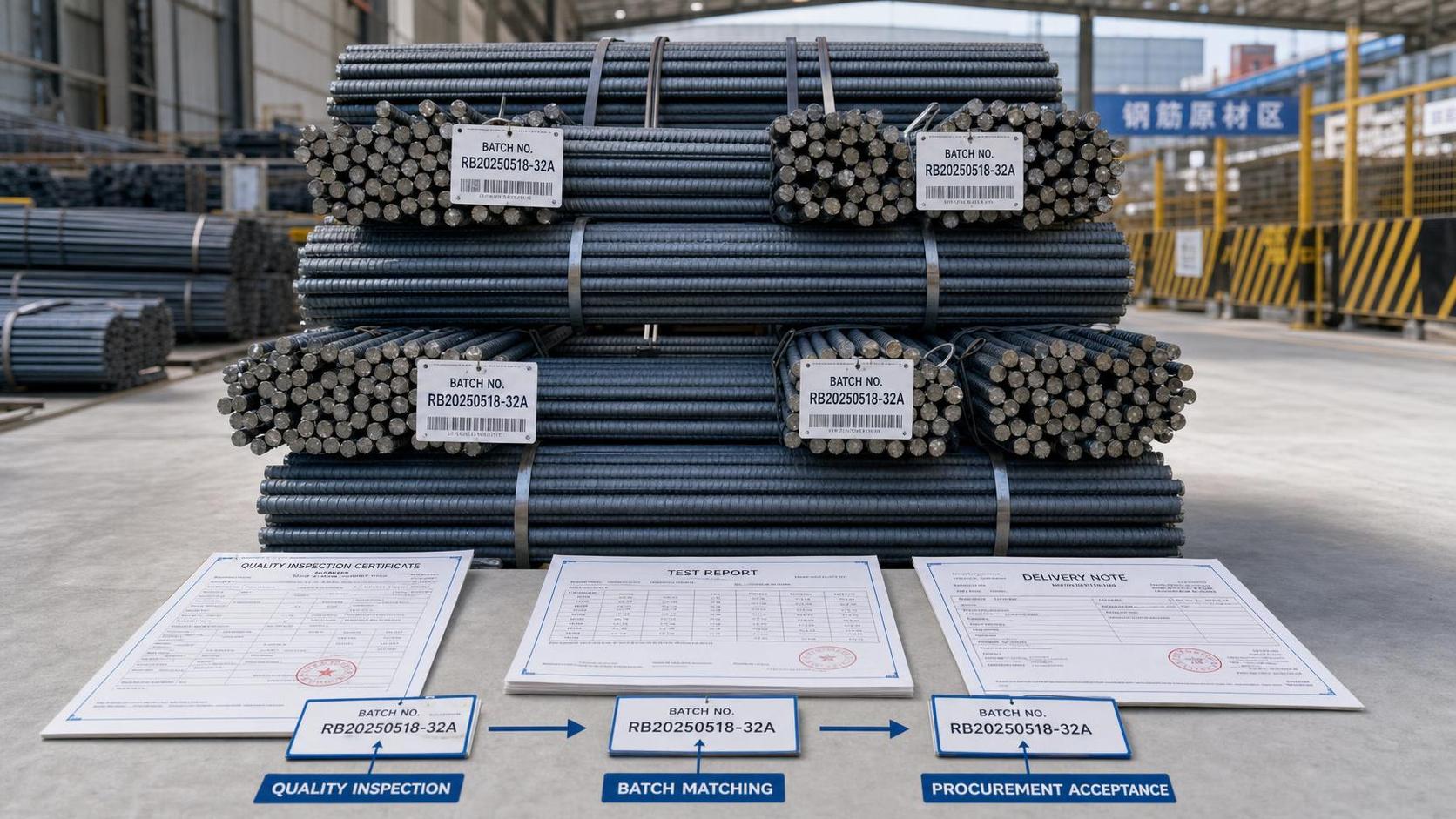
Specification control is becoming more disciplined across construction supply chains, and traceability is one of the main reasons. Buyers are facing tighter project oversight, more formal quality review processes, and greater pressure to explain why a material was selected, approved, and accepted. In that environment, reinforcing steel is no longer assessed only by price, availability, and nominal grade. More procurement and quality teams are asking whether each batch can be linked back to production records, mill information, test documentation, and delivery history.
This shift matters because reinforcing materials sit at the intersection of cost control, structural reliability, and compliance risk. When schedules are compressed, supply networks are spread across multiple intermediaries, and inspection responsibilities are divided among contractors, consultants, and owners, a missing or unclear material record can create delays that far exceed the original purchase value. For quality managers and safety leaders, traceability is increasingly part of practical risk management rather than a paperwork exercise.
In many markets, the conversation has moved beyond whether documentation exists at all. The more relevant question is whether the documentation is specific enough to support receiving checks, warehouse segregation, installation control, and post-delivery verification. That change is influencing how procurement teams define approved suppliers, how quality assurance teams design inspection workflows, and how contractors evaluate substitution requests when project conditions change.
Why Traceability Has Moved Up the Priority List
Several market conditions are pushing traceability into routine purchasing discussions. One is supply volatility. When sourcing options change quickly, buyers may onboard alternative mills, traders, or processors under time pressure. That can increase the chance of mixed lots, incomplete records, or inconsistent labeling unless controls are clearly defined. Another factor is the growing use of formal QA checkpoints at the receiving and pre-installation stages. Materials often need to pass multiple reviews before they can be released for use, and unclear origin records slow that process down.
There is also a stronger expectation that procurement decisions should hold up under review by internal stakeholders. Commercial teams may focus on continuity of supply, but engineering, safety, and quality personnel often need confidence that delivered material matches the approved technical requirements. Traceability helps bridge that gap. It gives teams a common basis for verifying heat numbers, product markings, test certificates, and lot-level consistency instead of relying on assumptions created by supplier reputation alone.
For safety management, the importance is straightforward. If questions arise later about installed material, the ability to isolate affected batches can reduce uncertainty and support faster corrective action. If traceability is weak, even a narrow quality concern may force broader inspection, quarantine, or replacement activity because the exact scope cannot be defined with confidence.
How Procurement Standards Are Changing
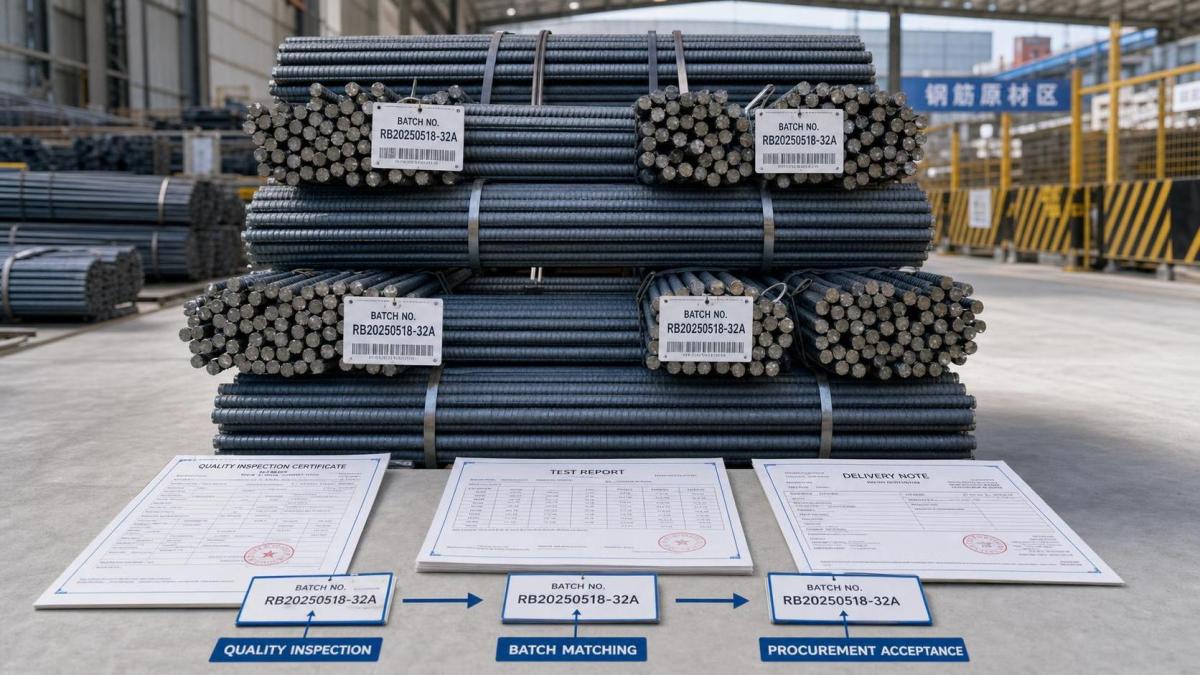
Procurement teams are increasingly expected to buy with documentation in mind from the start, not after the goods arrive. This is changing bid comparisons and supplier qualification criteria. A low-cost offer may appear competitive, but if the supplier cannot consistently provide batch-level identification, test records, or reliable marking practices, the total procurement risk may be higher than it first appears. Delays at receiving, extra inspection labor, and disputes over conformance can quickly offset a lower unit price.
As a result, purchase specifications are often becoming more precise. Instead of broad requirements, buyers may define expectations around packaging identification, document format, lot separation, and the alignment between material markings and paperwork. These details matter because traceability tends to fail at handoff points: between production and warehousing, between warehousing and transport, or between delivery and site storage. Procurement language that leaves these steps vague can create avoidable ambiguity later.
This is also affecting supplier evaluations over time. Teams are paying closer attention to repeatability, not just one successful delivery. A supplier that provides complete records once but varies in labeling discipline across future shipments may create more operational strain than a supplier with slightly longer lead times but better documentation consistency. That is why some buyers are shifting from purely transactional sourcing to a more controlled supplier review model.
What QA and Safety Teams Now Expect
Quality assurance teams typically look for traceability systems that work under real site conditions, not only in theory. Documentation should be easy to match against physical material, and identification should remain usable after transport, unloading, and storage. If records are technically complete but difficult to reconcile on site, the control system may still break down when materials are moved or partially consumed.
For safety managers, the practical concern is exposure created by uncertainty. Reinforcing materials may enter projects with different grades, diameters, coatings, or fabrication histories depending on the application. If these attributes are not tracked carefully, the risk is not limited to compliance paperwork. It can affect installation sequencing, inspection confidence, and the ability to respond efficiently if a discrepancy appears during construction.
This is why QA expectations are becoming more operationally detailed. Teams often want clarity on:
- Whether each shipment can be tied to mill or production records without manual reconstruction
- Whether lot identity is preserved through storage, cutting, bundling, or downstream handling
- Whether receiving staff can verify conformance quickly using markings and documents together
- Whether nonconforming or questionable material can be isolated without disrupting the entire stock position
These are no longer niche concerns reserved for highly specialized projects. In many routine construction scenarios, they are becoming part of baseline quality discipline.
Where Material Selection Fits Into the Discussion
Traceability is not separate from material selection; it shapes how material choices are evaluated. When procurement teams review supply options for reinforcing steel, Rebar should be considered not only in terms of grade and dimensional suitability but also in terms of how reliably its origin, processing path, and delivery records can be verified across the project workflow. That perspective is especially relevant when projects involve multiple deliveries, staggered installation phases, or strict hold points before concrete placement.
In practice, this means buyers may need to compare suppliers on process maturity as much as on product availability. A technically acceptable material can still become a project issue if the supporting identification system is weak. Conversely, a supplier with disciplined traceability practices may help reduce reinspection effort, simplify document review, and improve confidence during audits or owner checks. The value is often indirect but significant, especially on projects where errors in installed materials are expensive to investigate.
Common Pressure Points in the Supply Chain
Traceability problems often appear in ordinary situations rather than exceptional failures. Mixed storage areas can blur lot identity. Rebundling can separate original markings from the material. Last-minute substitutions may arrive with documents that satisfy commercial needs but not project-specific verification requirements. Even simple label damage during transport can create delays if backup identification is weak.
Another frequent pressure point is the difference between office documentation and field usability. Procurement teams may receive complete certificates electronically, while site teams work with partial delivery notes and physical bundles under schedule pressure. If there is no clean method for connecting those records at the point of receipt, the traceability chain may become fragile. That gap is one reason many firms are tightening specification language before orders are placed rather than trying to solve the issue during installation.
Fabrication and preprocessing can add another layer of complexity. Once material is cut, bent, or otherwise prepared, preserving identity may require more disciplined tagging and recordkeeping. Buyers and QA teams therefore need to understand where in the chain traceability responsibility changes hands and how that transition is documented.
Practical Questions for Buyers and QA Managers
To respond effectively to current market expectations, teams can focus on a few grounded questions during supplier review and order planning:
- Can the supplier explain how batch identity is maintained from production through delivery?
- Do the material markings, packing details, and documents align in a way that site personnel can use without interpretation gaps?
- Are substitution procedures clear if the originally planned source becomes unavailable?
- Can questionable material be quarantined by lot, or would uncertainty affect a broader inventory pool?
- Does the documentation process fit the actual pace of receiving, inspection, and installation on the project?
These questions help move the conversation from general claims of quality toward verifiable control. They also support better alignment between procurement, quality, and site operations, which is often where material decisions succeed or fail.
The Direction of the Market
The broader trend is clear: construction buyers are becoming less tolerant of vague specification control, especially for structural materials that carry downstream quality and safety implications. Traceability is part of that change because it turns material approval into an evidence-based process. It helps organizations manage uncertainty when suppliers change, schedules tighten, or project oversight becomes more demanding.
For procurement professionals, this means supplier selection is increasingly tied to documentation reliability and execution discipline. For quality and safety teams, it means traceability should be treated as a working control embedded in receiving, storage, inspection, and release processes. Firms that recognize this early are usually better positioned to reduce disputes, contain risk, and maintain confidence in material compliance across the life of a project.
In a market where construction stakeholders are tightening specification control, traceability is no longer a secondary feature of reinforcing steel supply. It is becoming one of the practical standards by which procurement quality is judged.
Technical Specifications
- How to Select Electronic Hotel Key Card Locks for Guest Rooms and Staff AreasAuthor :Safety Compliance Lead
- How to Select Lab Instruments for Reliable Chemical Analysis WorkflowsAuthor :Precision Metrology Expert
- How to Size a UPS for Server Rooms: Load, Runtime, and Redundancy FactorsAuthor :Grid Infrastructure Analyst
Expert Insights

Chief Security Architect
Dr. Thorne specializes in the intersection of structural engineering and digital resilience. He has advised three G7 governments on industrial infrastructure security.
Related Analysis
- Sep 17, 2026How to Select Electronic Hotel Key Card Locks for Guest Rooms and Staff AreasAuthor :Safety Compliance Lead
- Sep 16, 2026How to Select Lab Instruments for Reliable Chemical Analysis WorkflowsAuthor :Precision Metrology Expert
- Sep 15, 2026How to Size a UPS for Server Rooms: Load, Runtime, and Redundancy FactorsAuthor :Grid Infrastructure Analyst
Core Sector // 01
Security & Safety
- Cold-Formed Steel Market: Price, Capacity, and Lead-Time Signals for BuildersAuthor :

- Heat-Resisting Steel Market Trends: Availability Risks for High-Temperature FabricatorsAuthor :

- Sintered Steel Market: Demand Drivers and Supply Risks for Component SourcingAuthor :

- Structural Steel Market Outlook: What Project Buyers Should Track in 2026Author :

- EU Nickel Supply Chain Compliance: Due Diligence Steps for Industrial BuyersAuthor :

- Comparing Stock vs Custom Galvanized Square Tube for Stable Project DeliveryAuthor :

- How Rebar Traceability Is Shaping Procurement and QA ExpectationsAuthor :

- Galvalume Coil Applications: How Buyers Match Coated Steel to Real ProjectsAuthor :