Oil Resistant Classical V Belts vs Standard Belts: Which One Fits Harsh Industrial Duty?
Author
Date Published
Reading Time
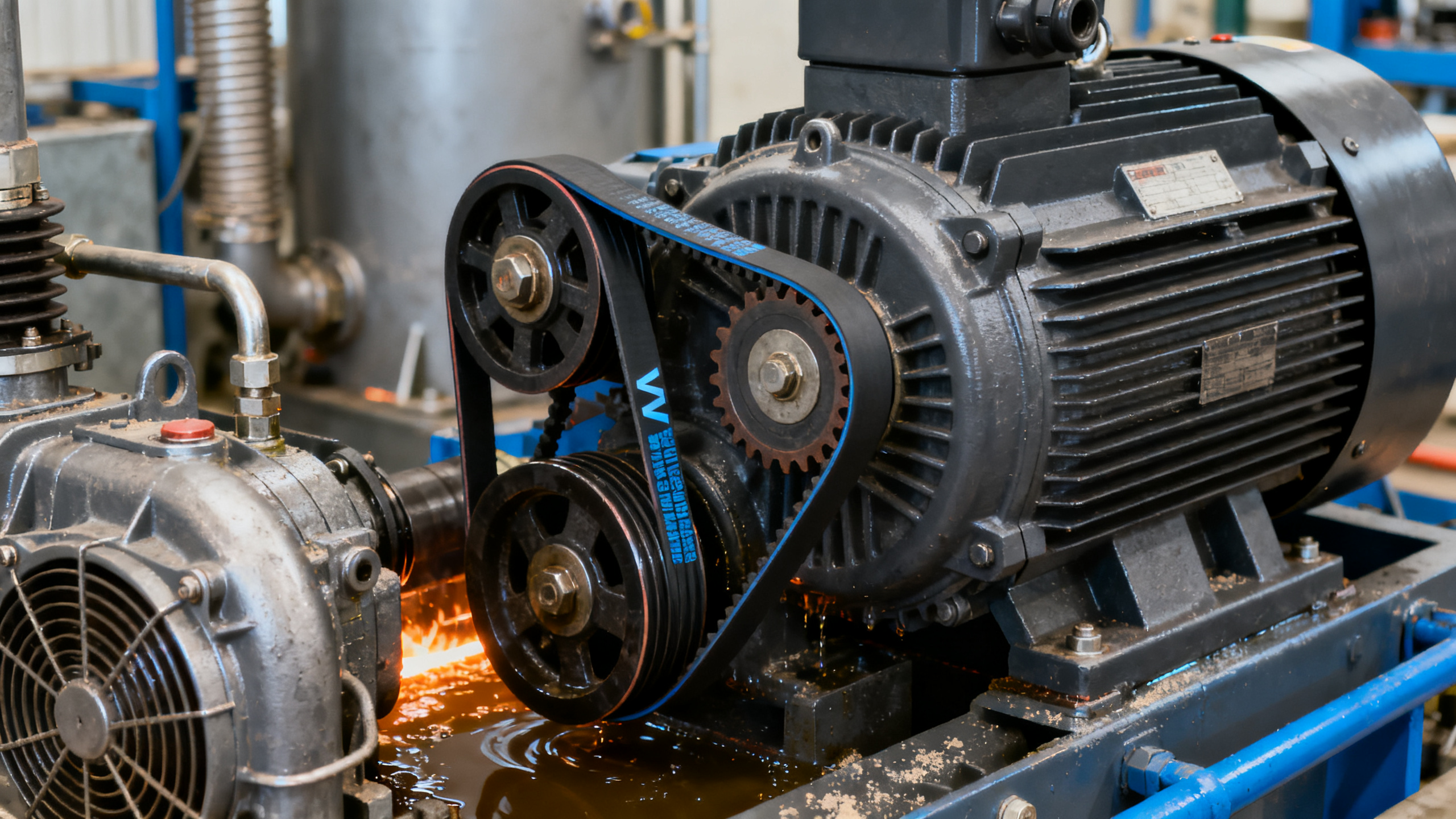
In demanding industrial settings, belt failure caused by oil, heat, and contamination can quickly disrupt productivity and increase maintenance costs. For operators comparing oil resistant classical v belts with standard belts, the right choice depends on how harsh the working environment really is. This article explores the key performance differences, helping you identify which belt type delivers safer, longer-lasting, and more reliable power transmission under tough operating conditions.
For operators on the plant floor, the issue is rarely theoretical. A belt that slips after repeated oil exposure can shut down a fan, compressor, pump, or conveyor in less than one shift. In many facilities, even a 30-minute stoppage can affect output, labor efficiency, and maintenance scheduling. That is why understanding where standard belts perform adequately and where oil resistant classical v belts are the better fit is essential for daily reliability.
Why Belt Selection Changes in Harsh Industrial Duty
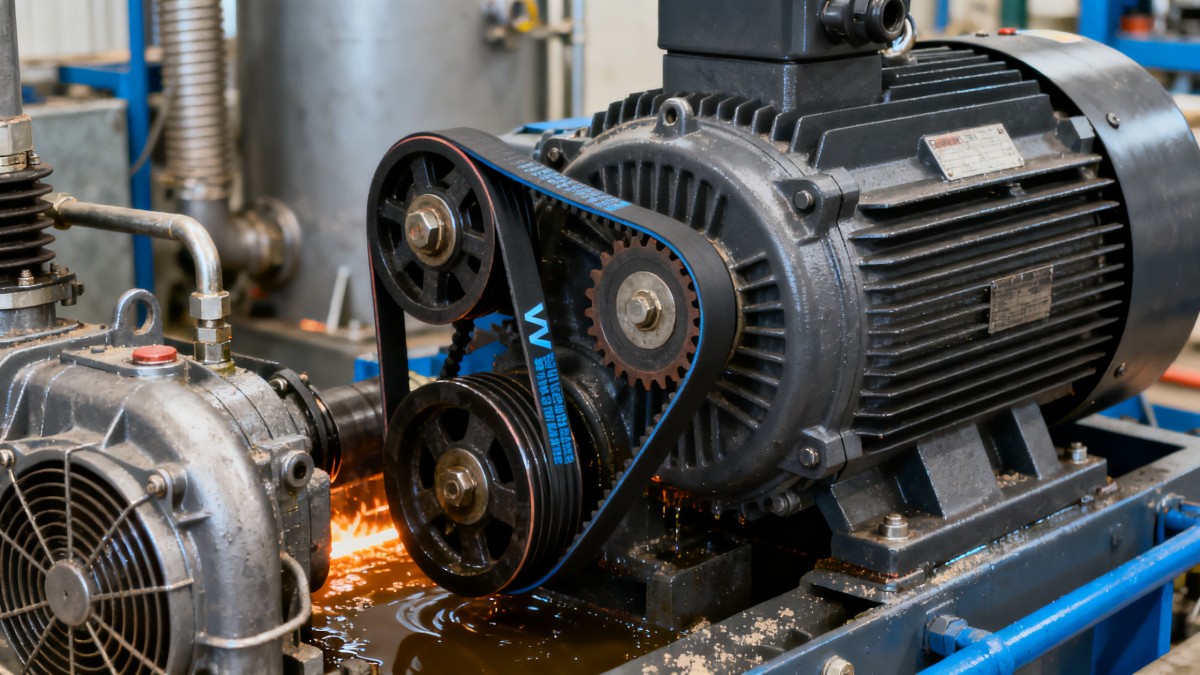
In clean, temperature-stable environments, standard V belts often provide acceptable service life at a reasonable cost. However, harsh industrial duty introduces 3 major stress factors at once: lubricant splash, abrasive dust, and elevated operating temperatures. When these occur together, belt compound stability becomes far more important than initial purchase price.
Oil resistant classical v belts are designed for drives where intermittent or continuous contact with oils, greases, or hydrocarbon-based contaminants is likely. Typical applications include machine tools, crushers, packaging lines, agricultural processing equipment, HVAC drives near lubricated bearings, and factory systems operating in ambient temperatures from 35°C to 60°C.
What “oil resistant” means in practical operation
Oil resistance does not mean a belt can run submerged in fluids without consequence. It means the rubber compound and cover are formulated to better resist swelling, softening, cracking, and friction loss after contact with oil mist or surface contamination. In real maintenance terms, this can reduce premature belt glazing, edge fray, and grip loss over 6 to 18 months of service.
Typical signs of mismatch between belt type and environment
- Frequent retensioning within 2 to 4 weeks after installation
- Noticeable slip during startup or peak load cycles
- Rubber hardening, swelling, or sticky belt surfaces
- Uneven wear across multi-belt drives
- Short replacement intervals below the plant target, such as less than 4 months
If 2 or more of these symptoms appear repeatedly, operators should review not only alignment and pulley condition, but also whether the installed belt material is suitable for contaminated duty.
Direct comparison of standard belts and oil resistant classical v belts
The table below highlights the operational differences that matter most in industrial environments where uptime, maintenance frequency, and contamination resistance influence total cost more than unit price alone.
The key takeaway is not that one belt is universally superior. Standard belts remain practical for dry, clean, and moderate-duty systems. Oil resistant classical v belts become more valuable when contamination is frequent enough to shorten belt life, increase slippage, or create recurring maintenance interventions.
Where Oil Resistant Classical V Belts Deliver a Clear Advantage
Operators should evaluate the full operating environment, not just the machine nameplate. Two motors with the same power rating can impose very different demands depending on airborne dust levels, washdown practices, lubricant leakage, duty cycle, and start-stop frequency. In harsh duty, environmental stress often causes failure before load capacity does.
High-risk industrial scenarios
The following environments commonly justify a move from standard belts to oil resistant classical v belts. These are situations where belt exposure is not accidental once per quarter, but part of daily plant conditions.
- Compressor rooms with oil mist and ambient temperatures above 40°C
- Processing lines with frequent grease application near bearings and shafts
- Material handling systems exposed to dust, fines, or abrasive residue
- Older machinery where minor seal leakage cannot be fully eliminated immediately
- Drives with 2-shift or 3-shift operation and limited downtime windows
In these settings, using a lower-grade belt to save on purchase price can raise annual replacement frequency from 1 planned change to 3 or 4 reactive changes. That pattern usually increases labor cost, spare inventory pressure, and production risk.
Application suitability by operating condition
This matrix can help operators make a practical first-pass decision before involving engineering or procurement teams for final approval.
For most operators, the decision point is simple: once contamination is recurring and downtime is costly, oil resistant classical v belts are usually easier to justify. They help stabilize maintenance intervals and reduce the operational uncertainty associated with harsh duty.
How to Choose the Right Belt for Your Equipment
Selection should be based on 4 core variables: load, speed, environment, and maintenance reality. A belt that matches only the nominal power rating but ignores contamination and heat exposure may still fail early. For operators, the most effective approach is to combine machine data with observed field conditions.
Four checks before ordering
- Confirm pulley profile and classical section compatibility, such as A, B, C, D, or E
- Record actual ambient and localized operating temperatures over at least 1 full shift
- Note contamination type: oil splash, grease film, dust loading, or chemical residue
- Review failure history from the last 6 to 12 months, including slip, cracking, and retension events
This 4-step review often reveals whether the belt problem is material-related, installation-related, or system-related. It also improves communication between operations, maintenance, and purchasing teams when replacement specifications are discussed.
Common operator mistakes
Replacing only one belt in a matched set
On multi-groove drives, replacing a single worn belt can create uneven load sharing. This often leads to vibration, inconsistent tension, and early failure of the new belt. In many industrial systems, full set replacement is the safer choice.
Ignoring pulley wear
Even the best oil resistant classical v belts cannot compensate for heavily worn grooves or poor alignment. Groove wear beyond acceptable limits reduces sidewall grip, while misalignment can accelerate belt edge damage within days or weeks.
Assuming oil resistance solves every harsh-duty issue
Oil-resistant construction helps, but it does not replace guarding, cleaning, alignment control, or proper tensioning. If a belt is exposed to aggressive chemicals, extreme heat above normal compound limits, or chronic overload, a broader system review may be required.
Installation, Inspection, and Maintenance for Longer Belt Life
A good belt can underperform if installation practices are weak. In harsh industrial duty, correct fitting and inspection discipline often make the difference between 3 months of service and 12 months or more. Operators do not need complex tools for every check, but they do need consistency.
Recommended maintenance routine
For critical drives, inspect belts visually every 1 to 2 weeks and perform a more detailed review every 30 to 90 days depending on duty severity. Facilities running 24/7 processes or contamination-heavy equipment may need shorter intervals.
The most valuable finding from routine checks is often not belt wear itself, but the source of contamination. If oil keeps reaching the drive, even a more resistant belt will still be asked to compensate for a mechanical issue elsewhere in the system.
Storage and handling matter too
Spare belts should be stored in a dry, shaded area, ideally away from direct heat sources and ozone-generating electrical equipment. Poor storage over 6 to 12 months can reduce flexibility before installation, which undermines the value of selecting a higher-grade product.
Procurement Considerations for Operators and Plant Buyers
Although operators focus on performance, procurement teams often balance 5 factors at once: specification accuracy, delivery lead time, replacement frequency, stock strategy, and operating risk. The best buying decision usually comes from treating belt selection as a reliability decision rather than a purely low-price purchase.
Questions to raise with suppliers
- Is the belt specifically intended for oil-prone industrial environments?
- What classical section and dimensional tolerances are available?
- Is the belt recommended for single-belt or matched-set applications?
- What are the typical lead times for standard stock versus plant-specific quantities?
- What installation and maintenance guidance is provided for harsh-duty service?
These questions help avoid a common sourcing problem: buying a belt that matches size but not service conditions. For facilities with repeat demand, it may also be worth standardizing 2 or 3 approved belt types across similar drive systems to simplify stocking and maintenance training.
When standard belts still make sense
Standard belts remain a sensible option when contamination is minimal, service intervals are long, and equipment is non-critical. If the drive operates in a clean enclosure, sees only periodic use, and has easy maintenance access, standard belts can still provide strong value without over-specifying the solution.
The decision should be based on actual duty severity, not on habit. In many plants, one production area may justify oil resistant classical v belts while another area does not. Matching the belt to the environment is usually more cost-effective than applying one rule across all equipment.
For harsh industrial duty, the gap between standard belts and oil resistant classical v belts becomes clear once oil exposure, heat, dust, and uptime pressure start working together. Standard belts are often adequate for clean, moderate-service applications, but contaminated environments demand more stable belt materials, better grip retention, and fewer unplanned interventions. Operators who assess temperature, contamination frequency, pulley condition, and maintenance history will make more reliable selection decisions.
If your facility is dealing with recurring belt slip, short replacement cycles, or uncertain drive performance, a more application-specific review is worth the time. Contact us to discuss your operating conditions, get a tailored belt selection approach, and explore more industrial power transmission solutions aligned with demanding plant environments.
Technical Specifications
- Air Handling Unit Supplier Checklist: Performance Data, Lead Times, and SupportAuthor :Environmental Engineering Director
- Buying Fiberglass Water Tanks Wholesale: Compare Quotes and Delivery CostsAuthor :Environmental Engineering Director
- Choosing an XLPE Power Cable Supplier: Test Reports, Traceability, and Lead TimesAuthor :Grid Infrastructure Analyst
Expert Insights

Chief Security Architect
Dr. Thorne specializes in the intersection of structural engineering and digital resilience. He has advised three G7 governments on industrial infrastructure security.
Related Analysis
- Oct 19, 2026Air Handling Unit Supplier Checklist: Performance Data, Lead Times, and SupportAuthor :Environmental Engineering Director
- Oct 18, 2026Buying Fiberglass Water Tanks Wholesale: Compare Quotes and Delivery CostsAuthor :Environmental Engineering Director
- Oct 17, 2026Choosing an XLPE Power Cable Supplier: Test Reports, Traceability, and Lead TimesAuthor :Grid Infrastructure Analyst
Core Sector // 01
Security & Safety
- Does Power Transmission Maintenance Differ in Desert and Arctic Sites?Author :Heavy Industry Strategist

- Can Industrial Engineering Solutions Reduce Petrochemical Downtime?Author :Heavy Industry Strategist

- What Drives Industrial Roller Chains Price: Material, Pitch, Load, and Supplier FactorsAuthor :Heavy Industry Strategist

- How to Choose a Three Phase Soft Starter for Pumps, Fans, and ConveyorsAuthor :Heavy Industry Strategist

- How to Evaluate a Conveyor Roller Belts Manufacturer for Load, Speed, and Service LifeAuthor :Heavy Industry Strategist

- Power Transmission Systems Pricing: 7 Cost Drivers Buyers Should CompareAuthor :Heavy Industry Strategist

- India Expands BIS ISI Rule for Imported Belts and ChainsAuthor :Heavy Industry Strategist

- Zero Backlash Jaw Coupling Selection Guide: Torque, Misalignment, and Servo PerformanceAuthor :Heavy Industry Strategist