Power Transmission Equipment Types Explained: Which System Fits Your Application?
Author
Date Published
Reading Time
Power Transmission Equipment Types Explained: Which System Fits Your Application?
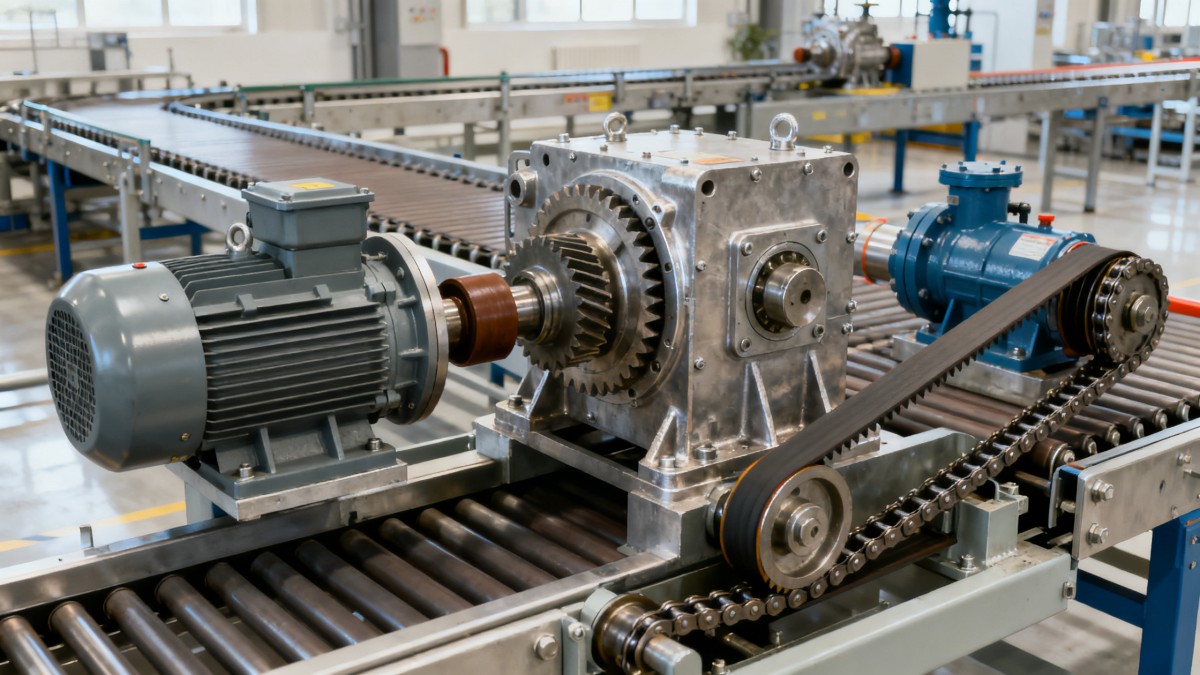
Choosing power transmission equipment is rarely a catalog decision. It affects efficiency, uptime, maintenance cost, safety margins, and how well a system performs under real operating stress.
That is why selection should start with the application, not the product name. Speed, torque, duty cycle, environment, alignment, and compliance all change what “best fit” really means.
In practical terms, the right power transmission equipment moves energy with predictable losses, stable control, and manageable maintenance. The wrong choice usually shows up later as vibration, slippage, overheating, or premature failure.
This guide breaks down the main power transmission equipment types and explains where each system works best. It also highlights selection criteria that support safer, more reliable industrial projects.
What Counts as Power Transmission Equipment?
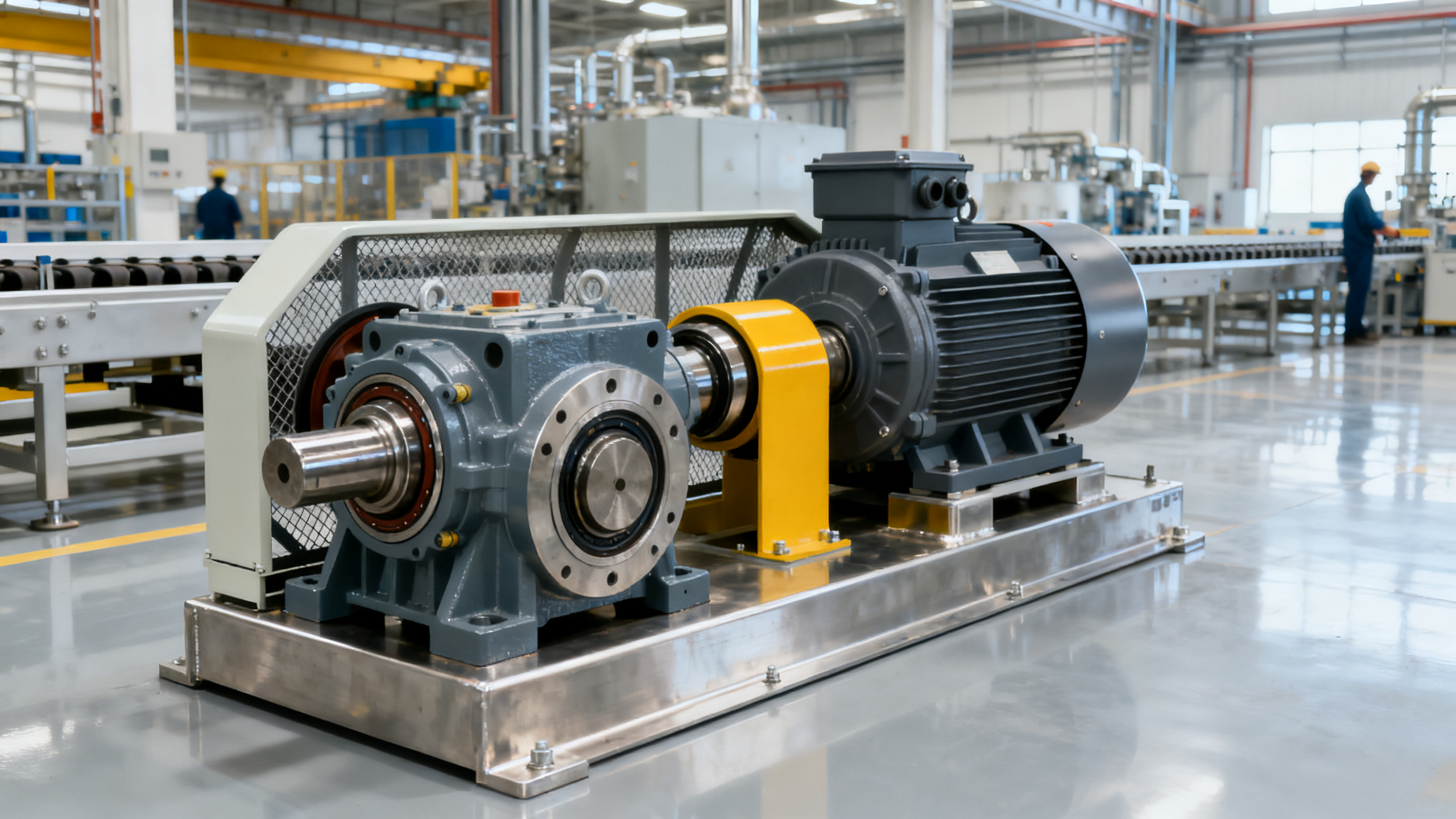
Power transmission equipment includes the mechanical, hydraulic, and electrical components that transfer power from a source to a driven load. The goal is controlled motion, usable torque, and dependable output.
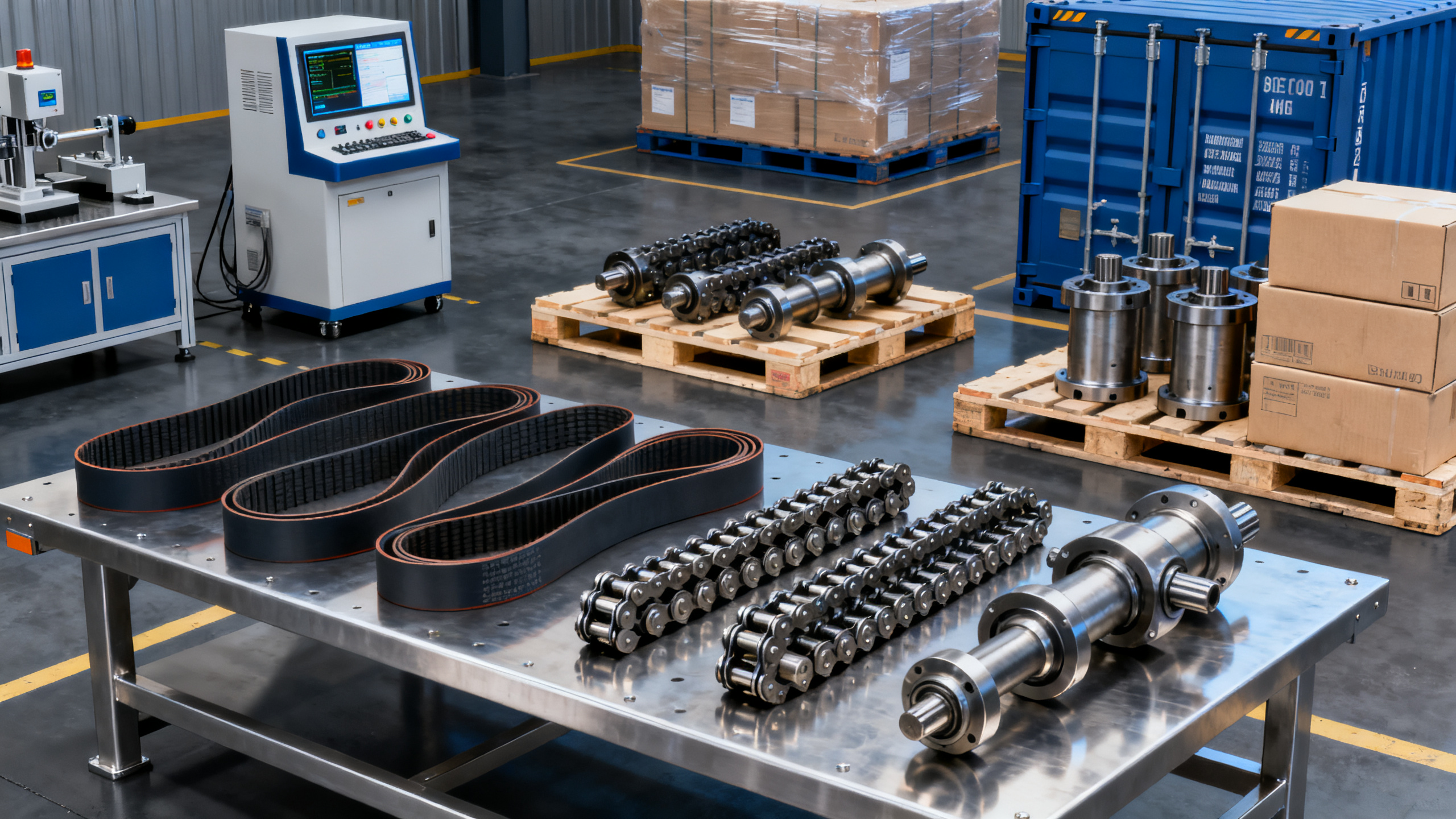
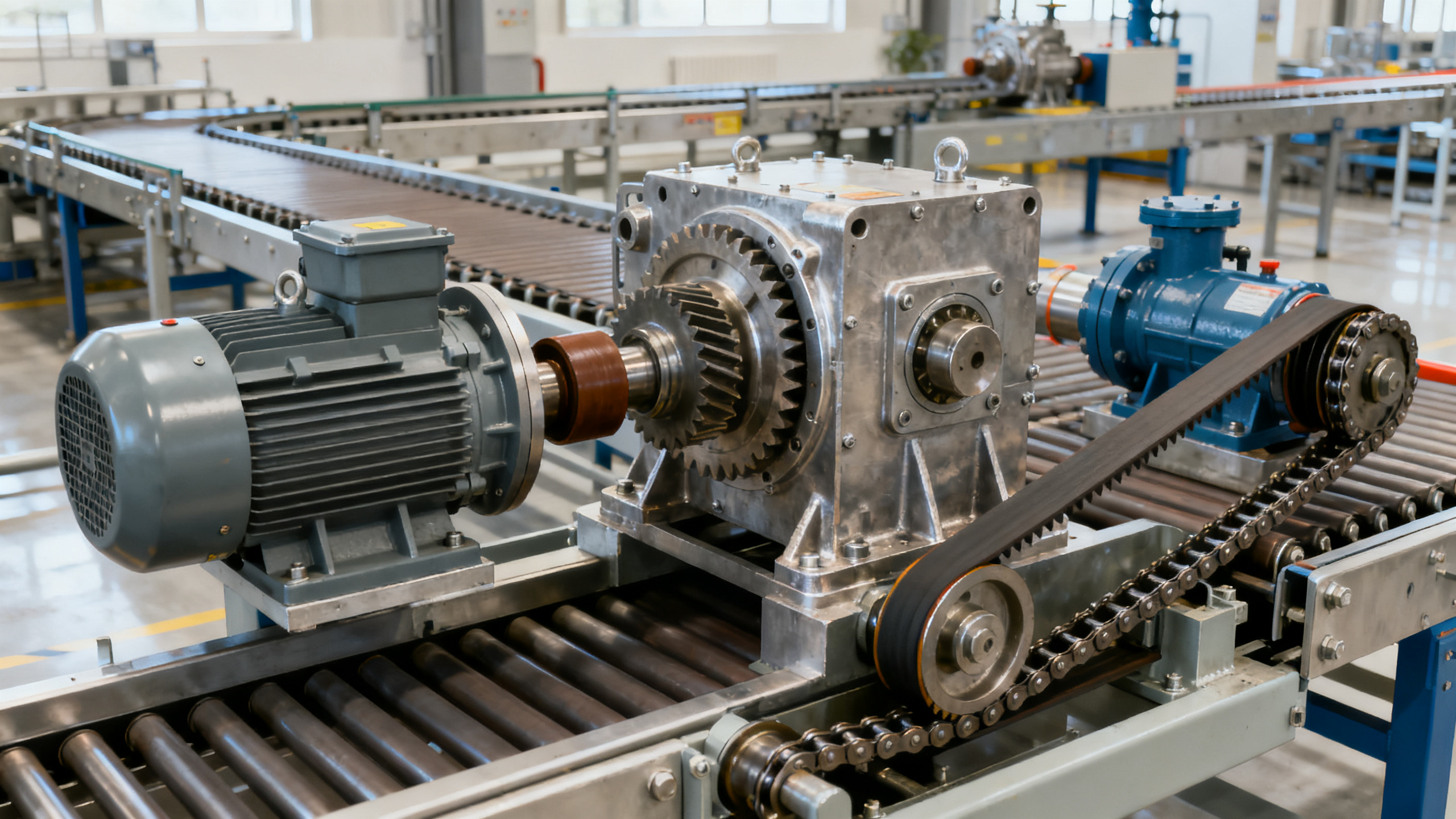
Common examples include gear drives, belt drives, chain drives, couplings, clutches, gearboxes, shafts, bearings, hydraulic drives, and variable speed systems.
In many facilities, these systems sit between motors and mission-critical assets such as conveyors, mixers, pumps, crushers, fans, compressors, and packaging lines.
The selection challenge is that no single power transmission equipment type performs best across every load profile or operating environment. Each has tradeoffs.
Main Types of Power Transmission Equipment
1. Gear Drives
Gear drives are one of the most efficient forms of power transmission equipment for high torque and accurate speed control. They are widely used in heavy-duty industrial systems.
They work well in steel processing, mining, bulk handling, and process industries where precision and durability matter more than low initial cost.
- Best for: high torque, fixed ratio, continuous duty
- Advantages: efficiency, compact design, repeatable performance
- Watchouts: lubrication quality, alignment, gear wear, noise
2. Belt Drives
Belt systems are flexible and cost-effective power transmission equipment for moderate loads and longer shaft distances. They also absorb shock better than rigid drives.
They are common in HVAC, light manufacturing, agricultural equipment, and general plant systems where ease of maintenance is a strong priority.
- Best for: moderate torque, quiet operation, lower cost
- Advantages: simple installation, vibration damping, lower noise
- Watchouts: slippage, tension loss, limited heavy-load capacity
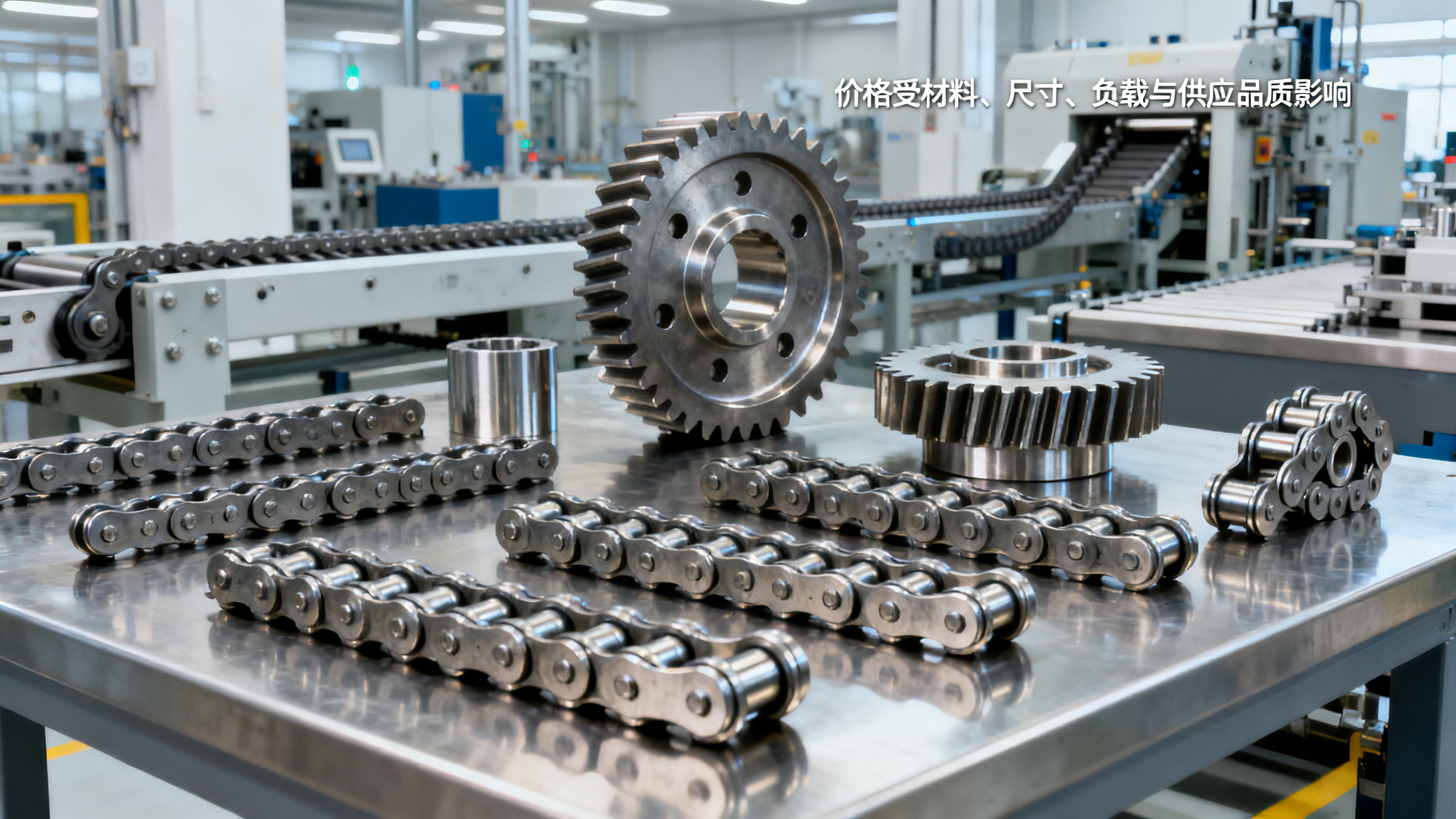
3. Chain Drives
Chain-based power transmission equipment is often chosen when positive engagement is needed without belt slip. It is especially useful in dirty or rugged operating conditions.
You will often see chain drives in material handling, food processing support systems, construction machinery, and equipment exposed to dust or moisture.
- Best for: moderate to high loads, no-slip transmission
- Advantages: robust power transfer, good durability
- Watchouts: lubrication needs, elongation, noise, sprocket wear
4. Couplings and Clutches
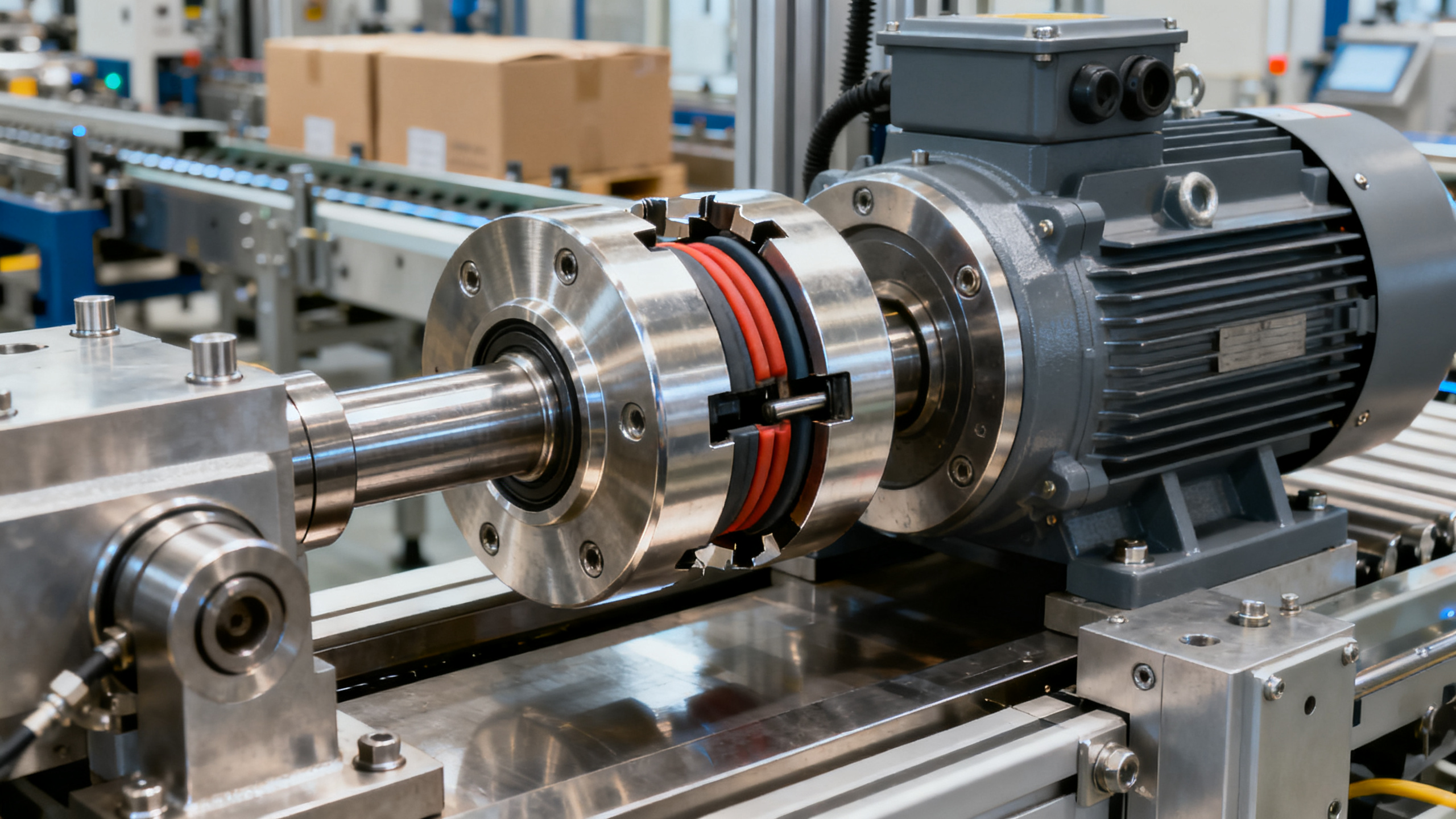
These components support power transmission equipment by connecting shafts, compensating for misalignment, or controlling engagement and disengagement between driver and load.
They matter more than many teams expect. A poor coupling choice can shorten bearing life and increase vibration across the full drivetrain.
5. Hydraulic and Fluid Power Systems
Hydraulic power transmission equipment is ideal where very high force, compact actuation, or variable motion control is needed. Mobile equipment and heavy industrial presses rely on it heavily.
The tradeoff is higher system complexity. Leakage risk, fluid cleanliness, seal reliability, and thermal control all require disciplined engineering.
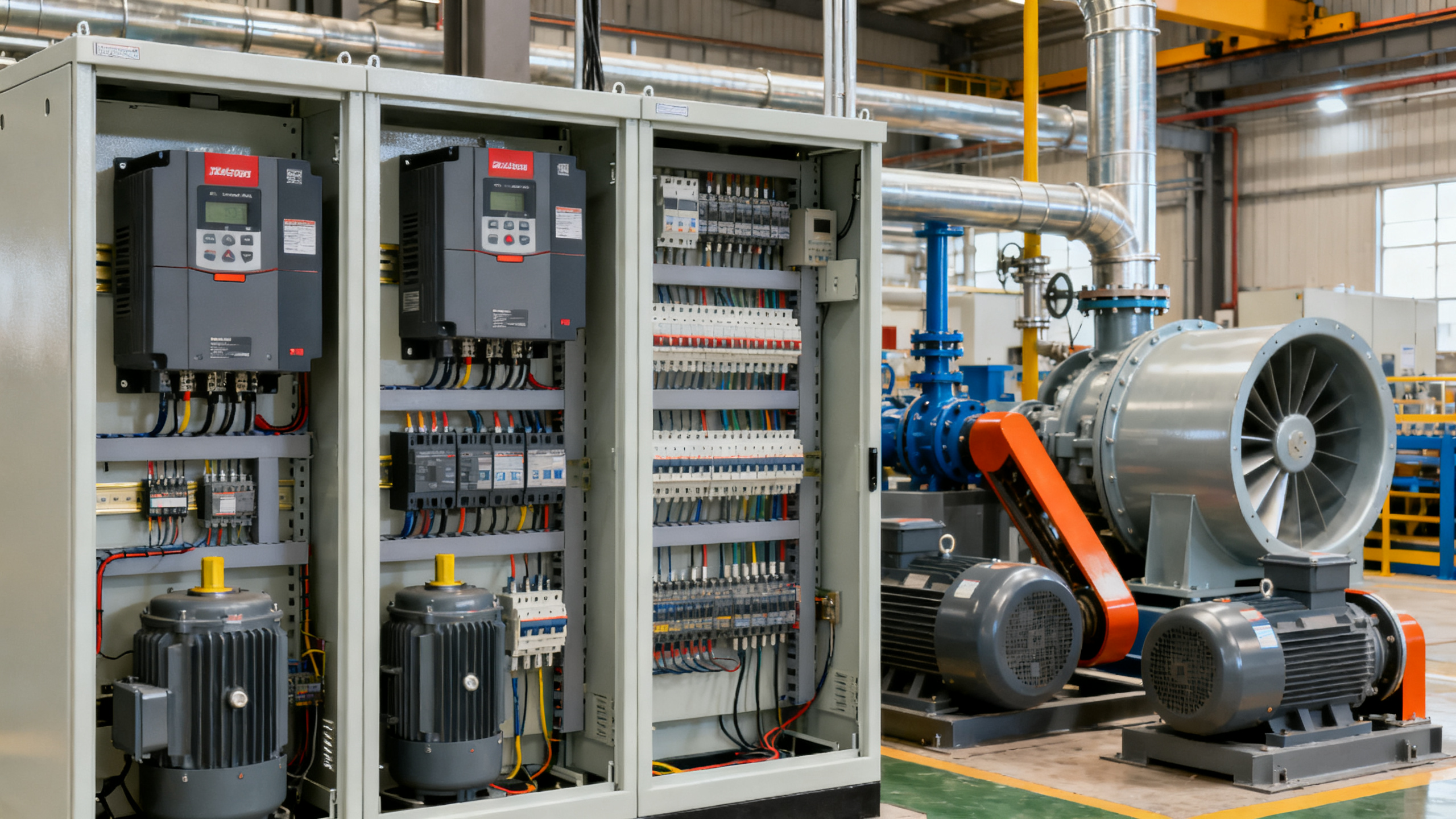
6. Variable Speed and Direct Drive Systems
Modern power transmission equipment increasingly includes direct drive setups and variable frequency systems. These can reduce mechanical losses and improve process control.
They fit applications where energy efficiency, precise ramping, and lower maintenance justify a higher upfront investment.
How to Match the System to the Application
The most effective way to select power transmission equipment is to move through a structured application review. This reduces oversizing, underperformance, and costly redesign during commissioning.
Start with Load and Torque
Ask whether the load is constant, variable, intermittent, or shock-based. High starting torque and frequent load spikes usually push selection toward stronger gear or chain-driven solutions.
Check Speed Range and Control Needs
If the process needs fixed speed, a simpler power transmission equipment layout may be enough. If speed changes often, variable systems may deliver better control and lower waste.
Review Duty Cycle
Continuous operation creates different thermal and wear conditions than occasional use. This is where service factor and operating hours become practical decision tools.
Consider the Environment
Heat, dust, washdown exposure, corrosive chemicals, and explosive atmospheres can reshape the shortlist fast. Power transmission equipment must match real site conditions, not ideal drawings.
Plan Around Maintenance Access
In remote or difficult-to-access areas, low-maintenance power transmission equipment often wins over theoretically better options that demand frequent service or exact lubrication routines.
Quick Comparison for Real Industrial Use
Selection Risks That Cause Expensive Problems Later
A surprising number of failures do not come from defective power transmission equipment. They come from poor assumptions during specification, layout, or operating handover.
- Undersized torque capacity during startup or overload events
- Ignoring shaft misalignment and mounting rigidity
- Selecting materials unsuited for corrosion, washdown, or heat
- Missing compliance requirements such as CE, UL, or ISO expectations
- Overlooking spare parts lead times and service support
From a project perspective, these mistakes often delay commissioning more than the equipment price difference ever would. That is why lifecycle thinking matters early.
A Practical Selection Checklist
When comparing power transmission equipment options, use a short evaluation framework that links engineering detail with procurement reality.
- Define torque, speed, duty cycle, and load variation.
- Confirm ambient conditions, contamination risk, and temperature range.
- Check alignment tolerance and available installation space.
- Review maintenance intervals and lubrication requirements.
- Verify compliance, testing documents, and certification needs.
- Compare total lifecycle cost, not just purchase price.
- Assess supplier support, spare availability, and application engineering depth.
This approach helps narrow down power transmission equipment choices with fewer surprises during installation and operation.
Final Takeaway
The best power transmission equipment is the system that matches the load, environment, control need, and maintenance reality of the application. That answer is rarely universal.
Gear, belt, chain, hydraulic, and variable drive systems each solve different problems. The real advantage comes from aligning system behavior with operating conditions before procurement is locked.
For industrial projects where downtime carries real cost, evaluating power transmission equipment through performance, compliance, and lifecycle risk leads to stronger results and fewer corrective decisions later.
A disciplined review now usually saves more time than a rushed replacement plan after startup. That is the difference between a workable system and a resilient one.
Technical Specifications
- Air Handling Unit Supplier Checklist: Performance Data, Lead Times, and SupportAuthor :Environmental Engineering Director
- Buying Fiberglass Water Tanks Wholesale: Compare Quotes and Delivery CostsAuthor :Environmental Engineering Director
- Choosing an XLPE Power Cable Supplier: Test Reports, Traceability, and Lead TimesAuthor :Grid Infrastructure Analyst
Expert Insights

Chief Security Architect
Dr. Thorne specializes in the intersection of structural engineering and digital resilience. He has advised three G7 governments on industrial infrastructure security.
Related Analysis
- Oct 19, 2026Air Handling Unit Supplier Checklist: Performance Data, Lead Times, and SupportAuthor :Environmental Engineering Director
- Oct 18, 2026Buying Fiberglass Water Tanks Wholesale: Compare Quotes and Delivery CostsAuthor :Environmental Engineering Director
- Oct 17, 2026Choosing an XLPE Power Cable Supplier: Test Reports, Traceability, and Lead TimesAuthor :Grid Infrastructure Analyst
Core Sector // 01
Security & Safety
- Does Power Transmission Maintenance Differ in Desert and Arctic Sites?Author :Heavy Industry Strategist

- Can Industrial Engineering Solutions Reduce Petrochemical Downtime?Author :Heavy Industry Strategist

- What Drives Industrial Roller Chains Price: Material, Pitch, Load, and Supplier FactorsAuthor :Heavy Industry Strategist

- How to Choose a Three Phase Soft Starter for Pumps, Fans, and ConveyorsAuthor :Heavy Industry Strategist

- How to Evaluate a Conveyor Roller Belts Manufacturer for Load, Speed, and Service LifeAuthor :Heavy Industry Strategist

- Power Transmission Systems Pricing: 7 Cost Drivers Buyers Should CompareAuthor :Heavy Industry Strategist

- India Expands BIS ISI Rule for Imported Belts and ChainsAuthor :Heavy Industry Strategist

- Zero Backlash Jaw Coupling Selection Guide: Torque, Misalignment, and Servo PerformanceAuthor :Heavy Industry Strategist