How to Evaluate a Planetary Gearbox Manufacturer Beyond Price: Quality, Lead Time, and Support
Author
Date Published
Reading Time
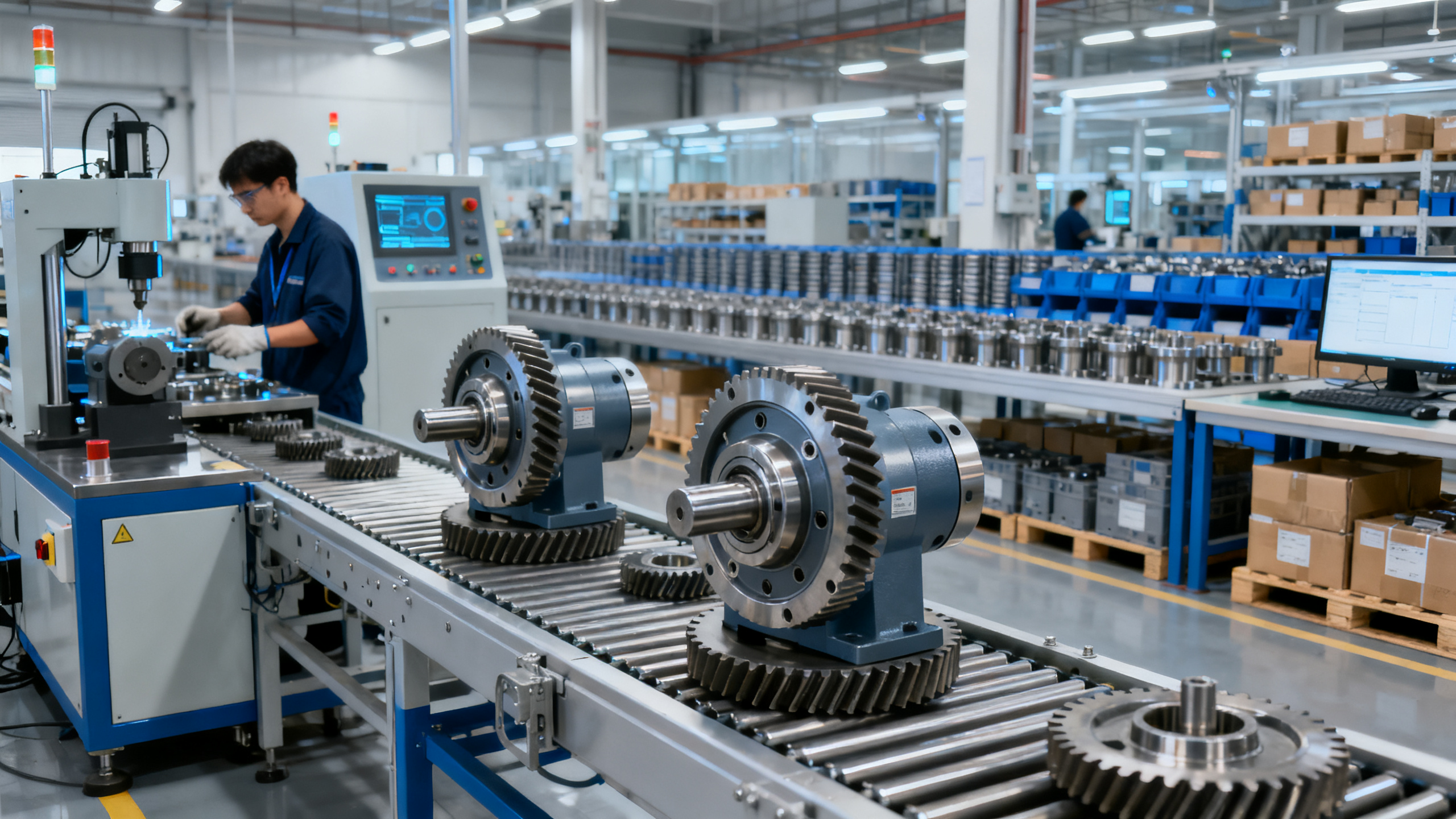
How to Evaluate a Planetary Gearbox Manufacturer Beyond Price: Quality, Lead Time, and Support
Choosing a planetary gearbox manufacturer is about far more than securing the lowest quote.
Real value comes from quality systems, predictable delivery, and support that protects uptime.
That matters even more when the gearbox sits inside critical production, automation, or material handling equipment.
In practice, a low initial quote can become expensive after delays, rework, warranty disputes, or field failures.
A better evaluation framework looks at lifecycle cost, supplier stability, and technical fit.
Start With the Real Risk Behind the Purchase
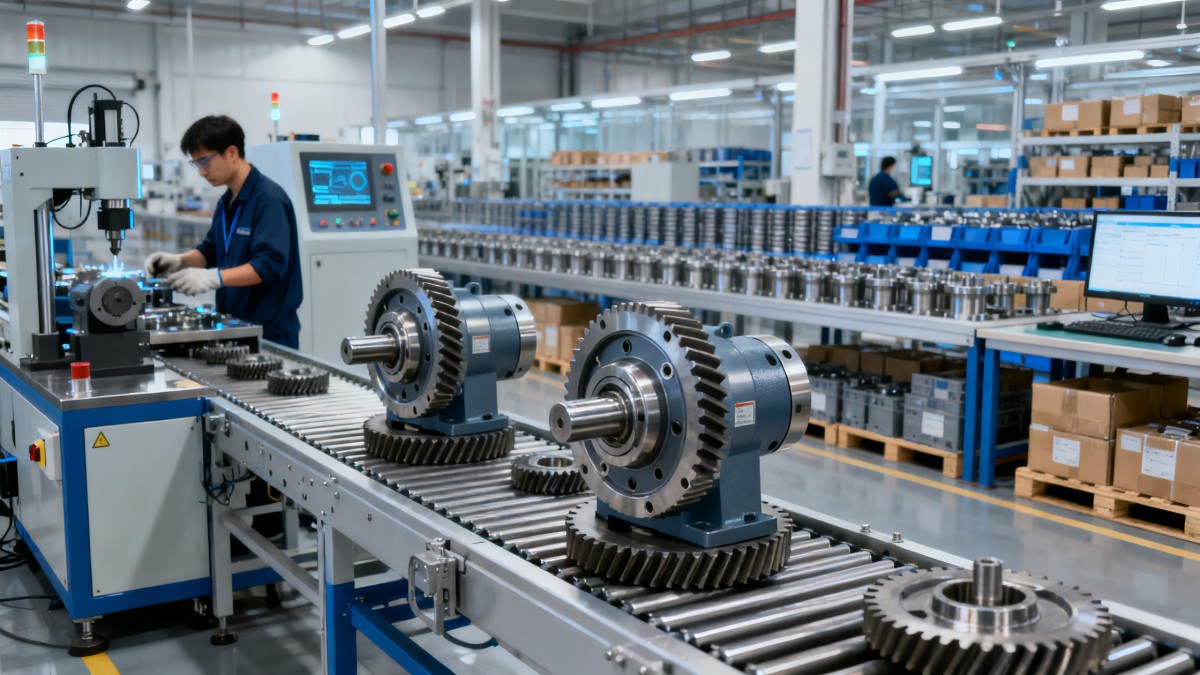
Before comparing suppliers, define what failure would cost in your application.
For some buyers, the biggest risk is downtime.
For others, it is noise, backlash, thermal buildup, or noncompliance with customer specifications.
That changes how you judge a planetary gearbox manufacturer.
A supplier that works well for light-duty packaging lines may not fit heavy-duty indexing systems.
The first screening step is aligning supplier capability with operating reality.
Build an Evaluation Matrix First
A simple weighted scorecard prevents price from taking over the decision.
Typical factors include:
- Product quality and consistency
- Engineering validation and test data
- Lead time reliability
- Technical support responsiveness
- Certification and traceability
- After-sales process and warranty handling
- Total landed cost
This approach creates a clearer comparison between similar quotes from different gearbox suppliers.
How to Check Quality Beyond the Sales Brochure
Quality is the first area where a strong planetary gearbox manufacturer separates itself.
Do not stop at catalog torque ratings or polished website claims.
Ask how those numbers are verified, controlled, and repeated across batches.
Look for Process Control, Not Just Product Samples
One acceptable sample tells you very little.
A reliable planetary gearbox manufacturer should explain its quality system in detail.
Review whether the supplier controls these points:
- Incoming inspection for gears, bearings, housings, and seals
- Machining tolerances and gear accuracy records
- Heat treatment consistency
- Assembly torque and preload standards
- Final testing for noise, backlash, efficiency, and temperature rise
- Serial number traceability
If the supplier cannot provide records, the process may not be stable.
Verify Standards and Application Testing
ISO certification matters, but it should not be the only proof point.
Ask for test reports tied to your duty cycle.
That may include continuous load testing, shock load simulation, life testing, or lubricant validation.
In real sourcing decisions, application evidence often matters more than general certificates.
Lead Time Is a Capability Signal, Not Just a Delivery Promise
Lead time is often treated as a logistics issue.
More often, it reveals how organized a planetary gearbox manufacturer really is.
A supplier that repeatedly misses delivery windows usually has deeper planning or capacity problems.
Ask for Lead Time Data by Product Type
Do not accept a generic answer like “four to six weeks.”
Ask for actual delivery performance by standard models, modified units, and custom builds.
A credible planetary gearbox manufacturer should be able to share:
- Average production lead time
- On-time delivery rate
- Capacity for rush orders
- Safety stock policy for key components
- Main causes of delay during the last 12 months
That discussion usually reveals whether the supplier manages reality or simply manages expectations.
Check Supply Chain Depth
Long lead times may come from outsourced machining, imported bearings, or limited heat treatment capacity.
You need to know which processes are in-house and which are outsourced.
This also affects quality control and change response.
If one sub-supplier fails, can the planetary gearbox manufacturer recover quickly?
Technical Support Often Decides the Real Cost
Support is easy to underestimate during procurement.
Yet support quality directly affects commissioning speed, troubleshooting time, and replacement accuracy.
A weak supplier becomes expensive once problems reach the field.
Test Pre-Sales Support Before You Buy
A practical way to evaluate a planetary gearbox manufacturer is to test responsiveness early.
Send a technical inquiry with real operating details.
Then review the quality of the reply.
Strong suppliers usually ask follow-up questions about torque peaks, mounting orientation, duty cycle, and ambient temperature.
Weak suppliers often send a price list without checking fit.
Review After-Sales Structure
Ask who handles failures, spare parts, and root cause analysis.
You want defined contacts, service timelines, and escalation procedures.
A dependable planetary gearbox manufacturer should explain warranty scope in plain terms.
Pay attention to exclusions, inspection steps, and replacement lead times.
Compare Suppliers Using Total Cost, Not Unit Price
Procurement teams often need a commercial basis for supplier selection.
That is where total cost becomes more useful than unit price alone.
A lower-cost planetary gearbox manufacturer may still create higher overall expense.
This comparison helps procurement justify a supplier that looks stronger over the full operating cycle.
Red Flags That Deserve Extra Scrutiny
Some warning signs appear early if you know where to look.
- The quote arrives fast, but technical answers stay vague.
- Specifications change between drawings, catalog pages, and emails.
- The planetary gearbox manufacturer avoids sharing test methods or inspection records.
- Lead times look unusually short without explanation.
- Warranty language is broad, unclear, or difficult to validate.
- There is no defined technical contact after shipment.
Any one issue may be manageable.
Several together usually point to execution risk.
A Practical Shortlist Process for Supplier Selection
A disciplined shortlist process keeps the decision focused and defendable.
- Define operating requirements, compliance needs, and failure cost.
- Screen each planetary gearbox manufacturer for application fit and certifications.
- Request drawings, test data, and delivery performance records.
- Score quality, lead time, support, and commercial terms.
- Run a sample order or pilot project when risk is high.
- Review warranty process and spare parts support before final approval.
This process is especially useful when multiple internal teams influence the buying decision.
Final Decision: Choose the Manufacturer That Lowers Operational Uncertainty
The best planetary gearbox manufacturer is rarely the one with the lowest number on the quote sheet.
It is the supplier that proves quality, delivers when promised, and stays responsive when conditions change.
That choice reduces operational uncertainty and supports stronger long-term cost control.
When evaluating any planetary gearbox manufacturer, ask one final question.
Will this supplier still look like the right decision after installation, not just before purchase?
That is usually where the strongest sourcing decisions begin.
Technical Specifications
- Air Handling Unit Supplier Checklist: Performance Data, Lead Times, and SupportAuthor :Environmental Engineering Director
- Buying Fiberglass Water Tanks Wholesale: Compare Quotes and Delivery CostsAuthor :Environmental Engineering Director
- Choosing an XLPE Power Cable Supplier: Test Reports, Traceability, and Lead TimesAuthor :Grid Infrastructure Analyst
Expert Insights

Chief Security Architect
Dr. Thorne specializes in the intersection of structural engineering and digital resilience. He has advised three G7 governments on industrial infrastructure security.
Related Analysis
- Oct 19, 2026Air Handling Unit Supplier Checklist: Performance Data, Lead Times, and SupportAuthor :Environmental Engineering Director
- Oct 18, 2026Buying Fiberglass Water Tanks Wholesale: Compare Quotes and Delivery CostsAuthor :Environmental Engineering Director
- Oct 17, 2026Choosing an XLPE Power Cable Supplier: Test Reports, Traceability, and Lead TimesAuthor :Grid Infrastructure Analyst
Core Sector // 01
Security & Safety
- Does Power Transmission Maintenance Differ in Desert and Arctic Sites?Author :Heavy Industry Strategist

- Can Industrial Engineering Solutions Reduce Petrochemical Downtime?Author :Heavy Industry Strategist

- What Drives Industrial Roller Chains Price: Material, Pitch, Load, and Supplier FactorsAuthor :Heavy Industry Strategist

- How to Choose a Three Phase Soft Starter for Pumps, Fans, and ConveyorsAuthor :Heavy Industry Strategist

- How to Evaluate a Conveyor Roller Belts Manufacturer for Load, Speed, and Service LifeAuthor :Heavy Industry Strategist

- Power Transmission Systems Pricing: 7 Cost Drivers Buyers Should CompareAuthor :Heavy Industry Strategist

- India Expands BIS ISI Rule for Imported Belts and ChainsAuthor :Heavy Industry Strategist

- Zero Backlash Jaw Coupling Selection Guide: Torque, Misalignment, and Servo PerformanceAuthor :Heavy Industry Strategist