Mechanical Components Selection Guide: Key Specs for Industrial Equipment
Author
Date Published
Reading Time
Mechanical components sit at the center of industrial equipment reliability. A bearing, shaft, seal, coupling, or fastener may look routine on paper, yet a poor match can shorten service life, raise downtime, and create safety exposure. In heavy industry, the real purchasing question is rarely about unit price alone. It is about whether the selected part can carry the load, survive the environment, meet tolerance demands, and remain compliant across the full operating cycle.
That is why a practical selection guide matters. Across EPC projects, plant upgrades, utility assets, and process facilities, decisions around mechanical components influence maintenance intervals, spare parts strategy, and overall asset resilience. The most effective sourcing approach combines technical specification discipline with field context, supplier verification, and a clear view of lifecycle risk.
Why selection has become more demanding
Industrial systems now run under tighter efficiency, safety, and uptime expectations. Equipment is also exposed to harsher duty cycles, more variable loads, and stricter documentation requirements.
At the same time, global sourcing adds complexity. Similar-looking mechanical components may differ in metallurgy, machining accuracy, coating quality, traceability, or certification depth.
From the perspective of Global Industrial Core, the issue is broader than procurement speed. Foundational engineering systems depend on parts that perform predictably under stress, temperature variation, contamination, and long maintenance intervals.
This is especially relevant where infrastructural failure is not acceptable. In those environments, a small component becomes a strategic decision point.
What mechanical components include in practice
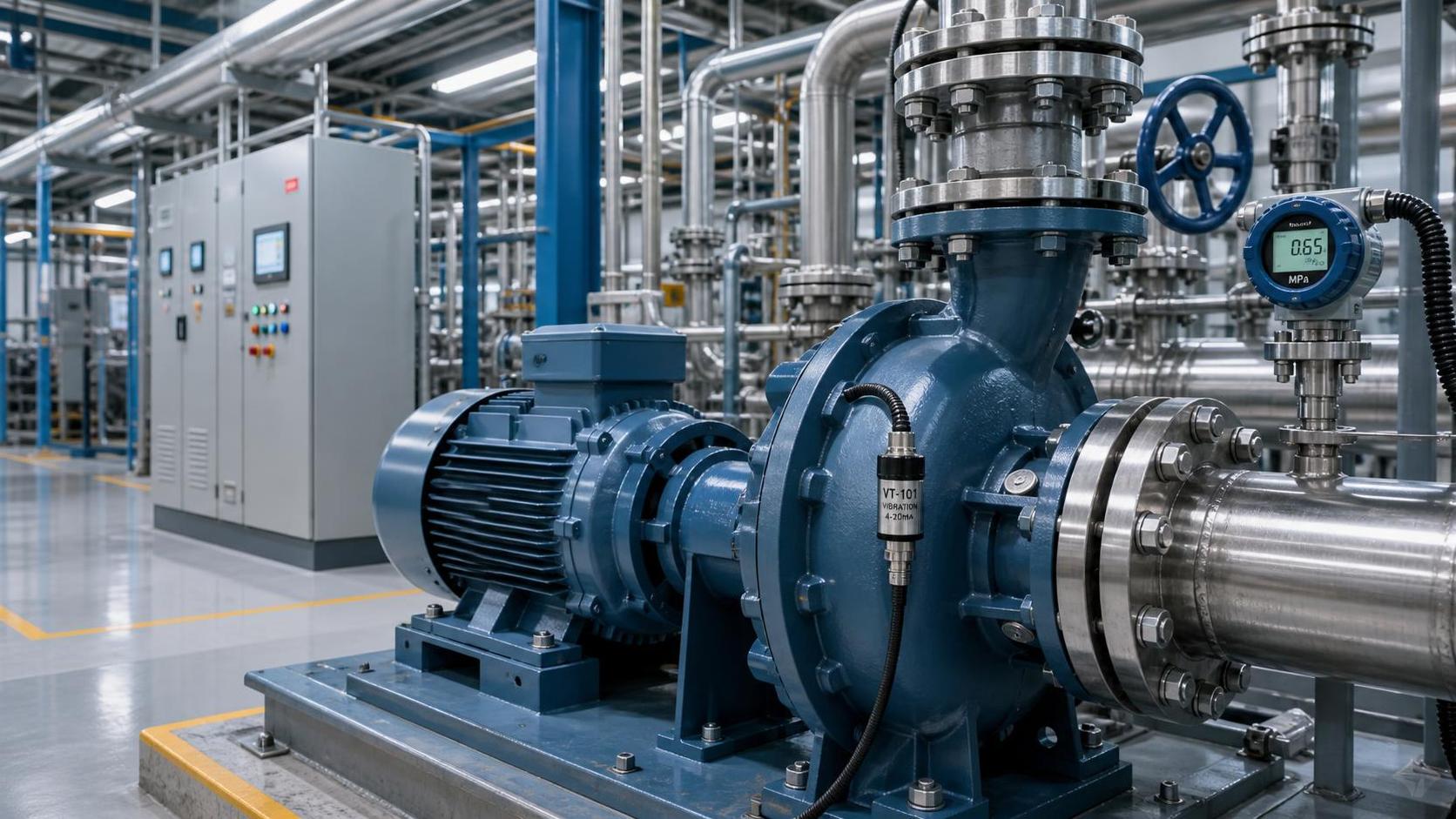
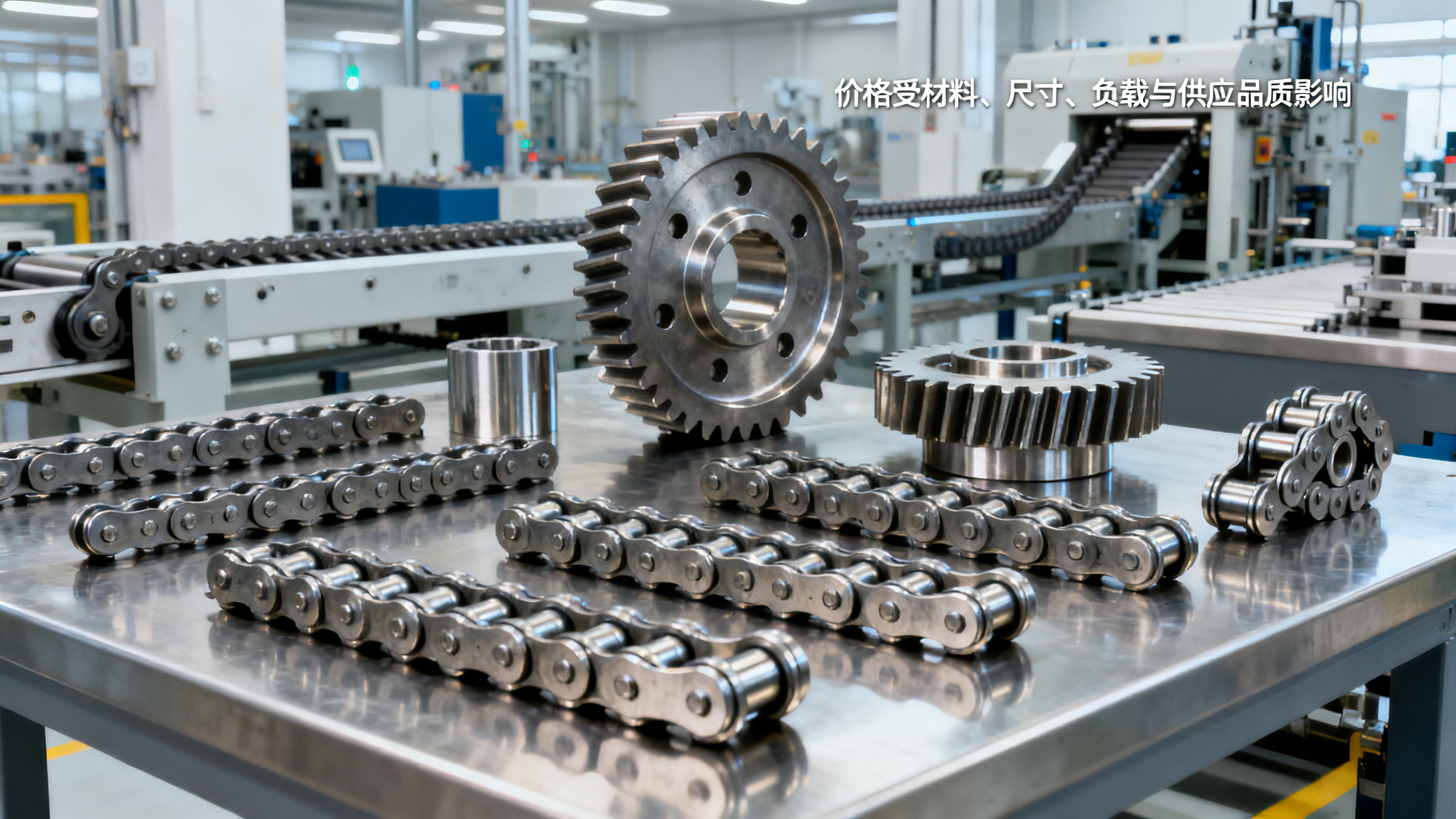
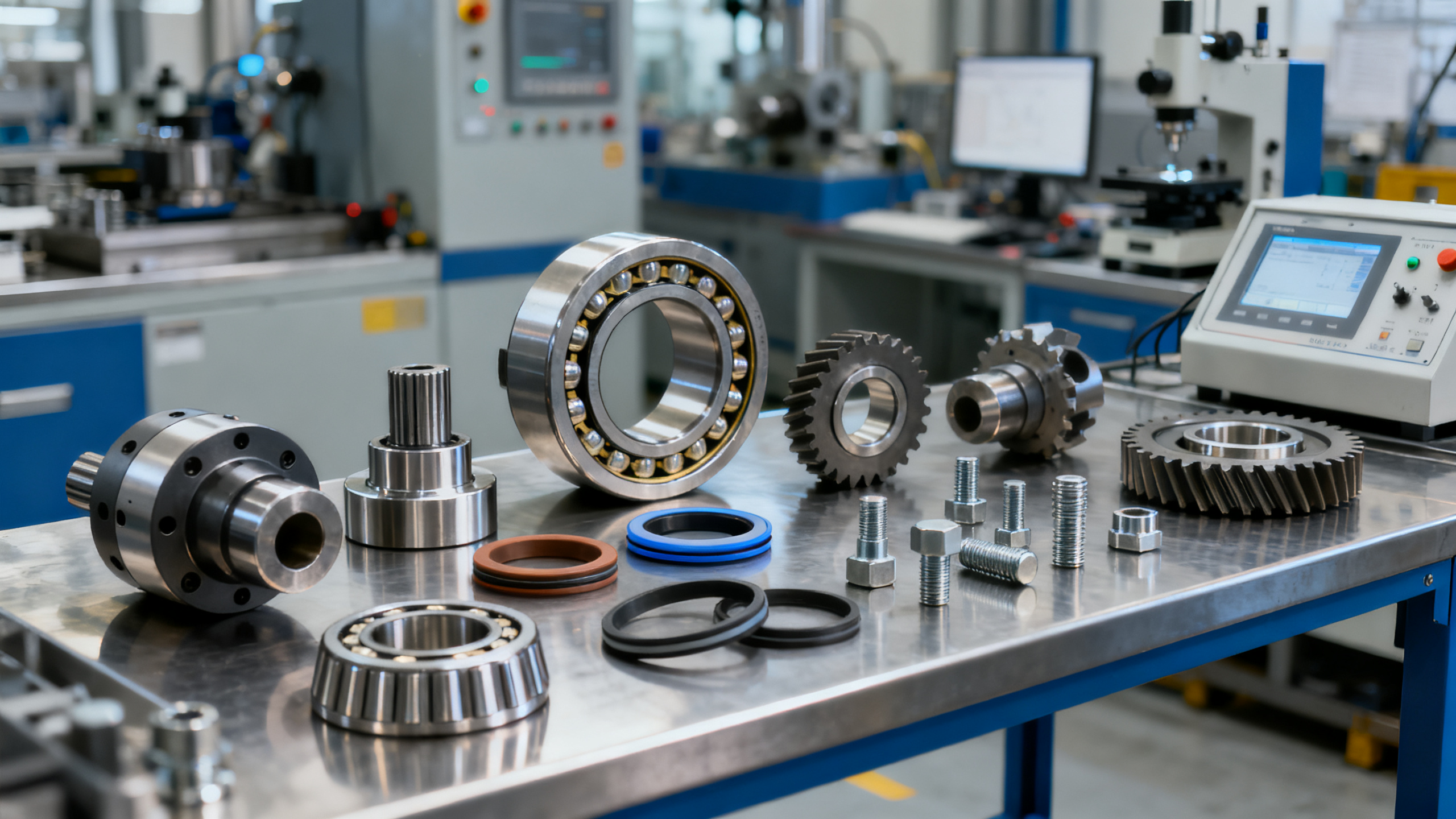
The term covers a wide range of load-bearing and motion-supporting parts used in fixed and rotating equipment. Common categories include bearings, gears, shafts, bushings, seals, springs, valves, couplings, chains, and industrial fasteners.
Each category serves a different function, but the selection logic is similar. The buyer must understand how the part behaves inside the complete assembly, not only as an isolated catalog item.
For example, a seal is not selected only by diameter. It must match media chemistry, pressure range, shaft finish, installation method, and maintenance access.
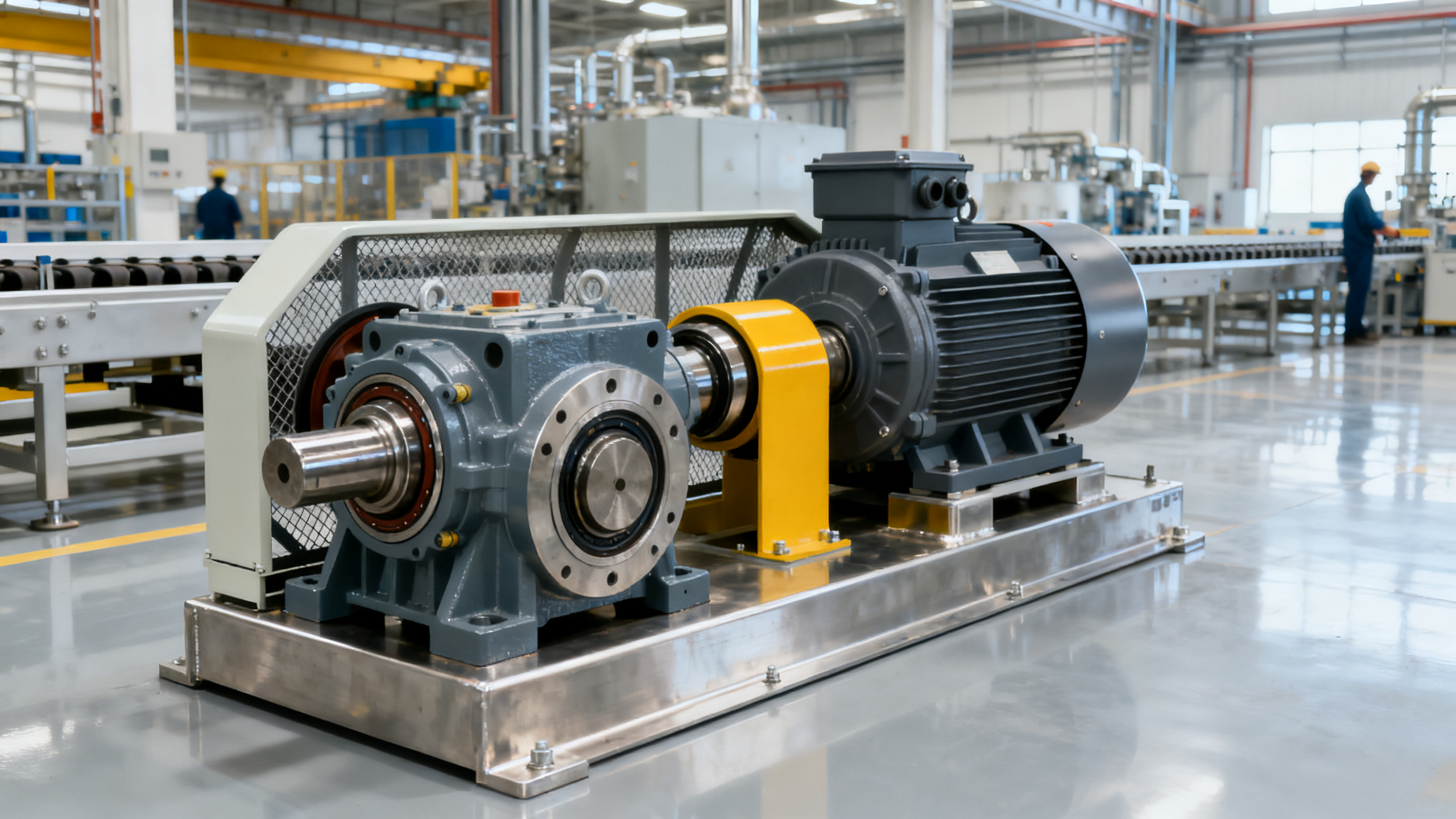
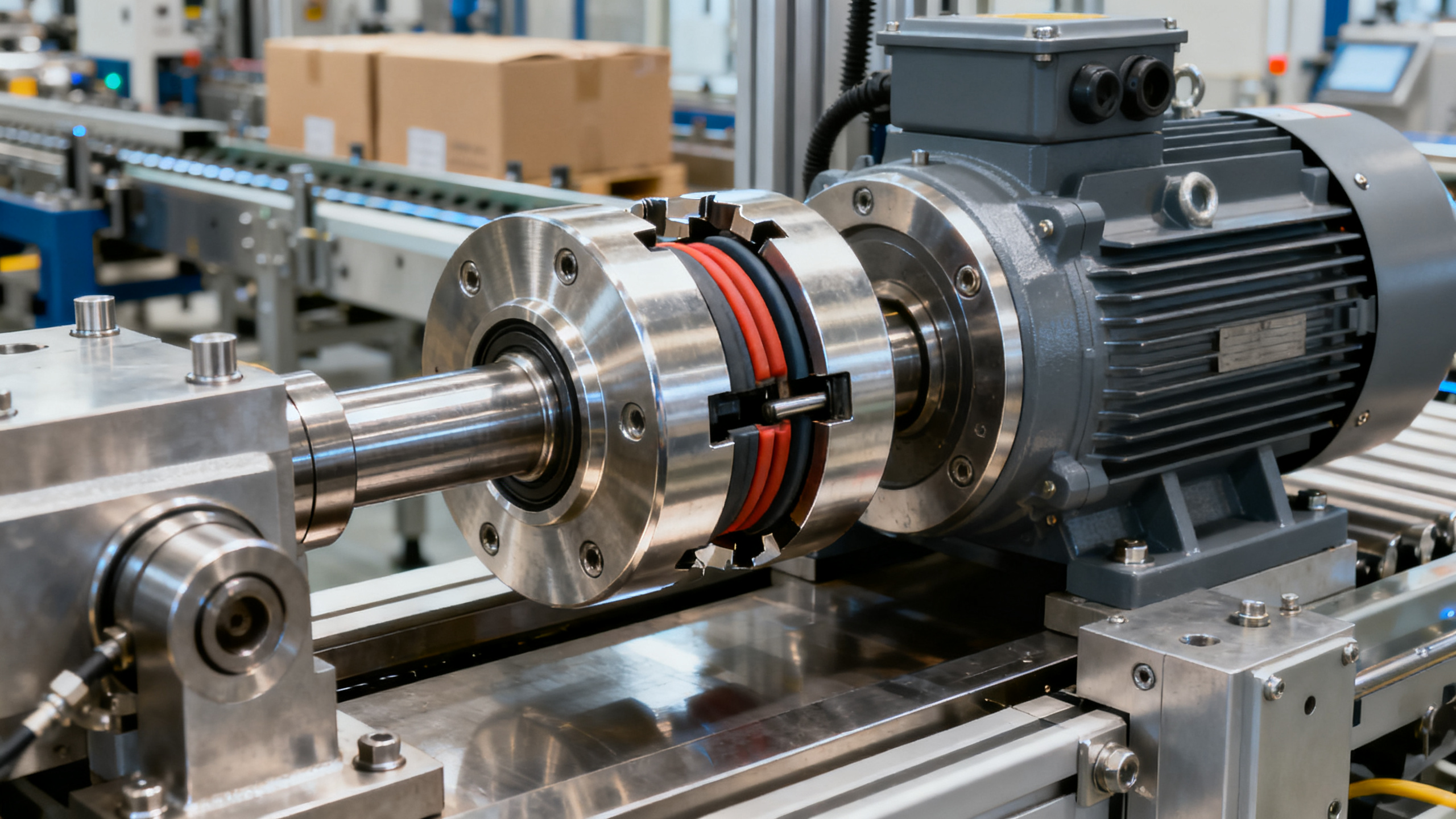
A coupling is not chosen only by torque. It must account for misalignment, shock loads, speed variation, and nearby operating temperatures.
The core specifications that deserve close review
Some specifications appear in every technical datasheet, yet not all carry the same decision weight. The most important details are the ones that predict failure modes before equipment is installed.
Load, speed, and duty cycle
Static load and dynamic load should both be reviewed. A component that survives peak load may still fail early under repeated cycling, vibration, or intermittent overload.
Speed ratings also need context. Continuous operation at high RPM creates heat, lubrication stress, and wear patterns that differ from short-duration service.
Material and surface condition
Material choice affects corrosion resistance, hardness, fatigue strength, and compatibility with nearby parts. Carbon steel, alloy steel, stainless grades, bronze, polymers, and composites each solve different problems.
Surface treatment matters almost as much as base material. Plating, passivation, nitriding, galvanizing, or specialized coatings can determine whether mechanical components resist wear and chemical attack over time.
Tolerance and fit
Tolerance is often where low-cost substitutions fail. A component may match nominal dimensions but still create misalignment, leakage, looseness, or excessive friction.
Critical fits should be checked against shaft diameter, bore tolerance, concentricity, flatness, runout, and surface finish. In precision systems, small errors create larger downstream losses.
Temperature and environmental exposure
Operating environment changes performance dramatically. Dust, washdown conditions, salt exposure, steam, abrasive particles, and chemical media can alter the service life of mechanical components.
High or fluctuating temperatures may reduce seal elasticity, thin lubricants, and affect metal expansion. Indoor and outdoor service should never be treated as equivalent conditions.
A useful comparison framework for sourcing
When several suppliers offer similar parts, comparison becomes easier with a structured review. The table below highlights the specification areas that usually change buying outcomes.
This approach is useful because it shifts discussion away from simple price comparison. It also helps distinguish interchangeable items from parts that only appear interchangeable.
Where specification mistakes usually appear
Selection errors are often subtle. The part may fit physically, pass initial inspection, and still cause early maintenance trouble.
- Equivalent dimensions are accepted without confirming fit class or allowable runout.
- Material substitution is approved without checking media compatibility or fatigue performance.
- Supplier drawings are reviewed, but production inspection records are not requested.
- Catalog temperature limits are used without considering thermal cycling or start-stop conditions.
- Mechanical components are sourced individually, even though system interaction determines actual reliability.
These gaps become expensive in conveyors, pumps, compressors, switchyard mechanisms, treatment systems, and rotating process assets. In each case, the failure cost is usually many times higher than the initial savings.
How application context changes the right choice
No universal specification fits every site. Mechanical components for a clean packaging line differ greatly from those used in mining, water treatment, substations, or offshore installations.
In corrosive environments, stainless materials or protected alloys may justify a higher upfront cost. In high-vibration systems, locking methods and fatigue resistance deserve closer review than appearance or finish.
For power and utility assets, long service intervals often make traceability and proven durability more important than lead-time convenience. In process plants, compatibility with fluids, particulates, and cleaning procedures can outweigh nominal strength.
That is where data-driven editorial sources such as GIC add value. A component should be judged in relation to the system it supports, the standards it must satisfy, and the failure consequences attached to that location.
A practical review sequence before placing an order
A disciplined review process reduces rework and lowers the chance of hidden mismatch. It does not need to be complicated, but it should be consistent.
- Confirm the operating profile, including load pattern, runtime, speed, temperature, and exposure conditions.
- Match critical dimensions and fits against assembly drawings, not only supplier catalogs.
- Review material certificates, heat treatment data, and coating details where performance depends on them.
- Check relevant compliance references and documentation requirements before approval.
- Assess supplier consistency through inspection capability, batch traceability, and prior field performance.
- Compare lifecycle impact, including maintenance frequency, downtime risk, and spare standardization.
This sequence is especially useful when mechanical components are being sourced across multiple regions or substitute vendors. It creates a repeatable basis for technical acceptance.
What to carry forward into the next decision
Better selection starts with a simple shift in mindset. Mechanical components should be treated as performance-critical assets, not as generic line items.
The strongest decisions usually come from combining specification review, operating context, and verification evidence. That means looking beyond dimensions and price toward durability, compliance, and service consequences.
A useful next step is to build an internal comparison checklist for recurring categories such as bearings, seals, couplings, and fasteners. Once the key parameters are documented, supplier evaluation becomes faster and more reliable.
For industrial teams working across complex infrastructure, that kind of discipline supports safer equipment, cleaner audits, and fewer avoidable failures over the long term.
Technical Specifications
- How to Select Electronic Hotel Key Card Locks for Guest Rooms and Staff AreasAuthor :Safety Compliance Lead
- How to Select Lab Instruments for Reliable Chemical Analysis WorkflowsAuthor :Precision Metrology Expert
- How to Size a UPS for Server Rooms: Load, Runtime, and Redundancy FactorsAuthor :Grid Infrastructure Analyst
Expert Insights

Chief Security Architect
Dr. Thorne specializes in the intersection of structural engineering and digital resilience. He has advised three G7 governments on industrial infrastructure security.
Related Analysis
- Sep 17, 2026How to Select Electronic Hotel Key Card Locks for Guest Rooms and Staff AreasAuthor :Safety Compliance Lead
- Sep 16, 2026How to Select Lab Instruments for Reliable Chemical Analysis WorkflowsAuthor :Precision Metrology Expert
- Sep 15, 2026How to Size a UPS for Server Rooms: Load, Runtime, and Redundancy FactorsAuthor :Grid Infrastructure Analyst
Core Sector // 01
Security & Safety
- Does Power Transmission Maintenance Differ in Desert and Arctic Sites?Author :Heavy Industry Strategist

- Can Industrial Engineering Solutions Reduce Petrochemical Downtime?Author :Heavy Industry Strategist

- What Drives Industrial Roller Chains Price: Material, Pitch, Load, and Supplier FactorsAuthor :Heavy Industry Strategist

- How to Choose a Three Phase Soft Starter for Pumps, Fans, and ConveyorsAuthor :Heavy Industry Strategist

- How to Evaluate a Conveyor Roller Belts Manufacturer for Load, Speed, and Service LifeAuthor :Heavy Industry Strategist

- Power Transmission Systems Pricing: 7 Cost Drivers Buyers Should CompareAuthor :Heavy Industry Strategist

- India Expands BIS ISI Rule for Imported Belts and ChainsAuthor :Heavy Industry Strategist

- Zero Backlash Jaw Coupling Selection Guide: Torque, Misalignment, and Servo PerformanceAuthor :Heavy Industry Strategist