Dajin Heavy Raises HK$5.8bn for Europe Offshore Delivery
Author
Date Published
Reading Time
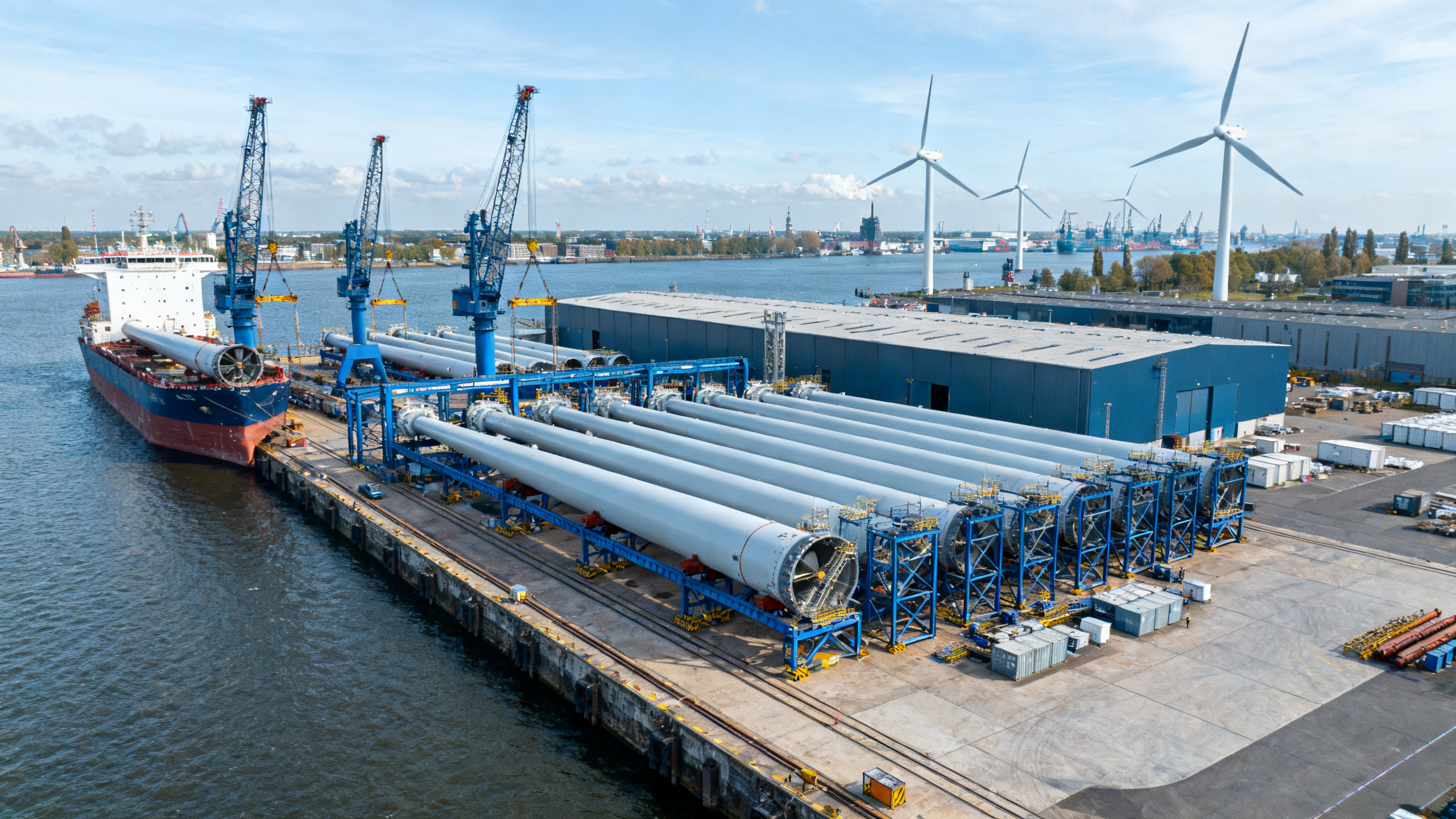
On June 5, 2026, Dajin Heavy listed on the Main Board of the Hong Kong Stock Exchange and raised HK$5.8 billion, a move that deserves attention well beyond capital markets. The funding is set to support the expansion of its Hamburg base in Germany and the upgrade of an intelligent production line for floating wind power towers, while the company already holds overseas wind power equipment orders worth more than RMB 10 billion. For offshore wind equipment makers, EPC participants, procurement teams, and suppliers linked to Transformers & Switchgears, Cables & Wiring, and Bearings & Seals, the key issue is not only financing itself, but how added delivery capacity in Europe may affect project execution and supply-chain coordination.
What the June 5 listing confirms
Confirmed information shows that Dajin Heavy officially debuted on the Hong Kong Stock Exchange Main Board on June 5, 2026. The company raised HK$5.8 billion in the offering. Cornerstone investors named in the provided information include GIC, Hillhouse, and Taikang, alongside other international institutions.
According to the provided summary, the proceeds are intended for two identified uses: expanding the company’s Hamburg base in Germany and upgrading the intelligent production line for floating wind power towers. The same information also states that Dajin Heavy currently has overseas wind power equipment orders exceeding RMB 10 billion in hand.
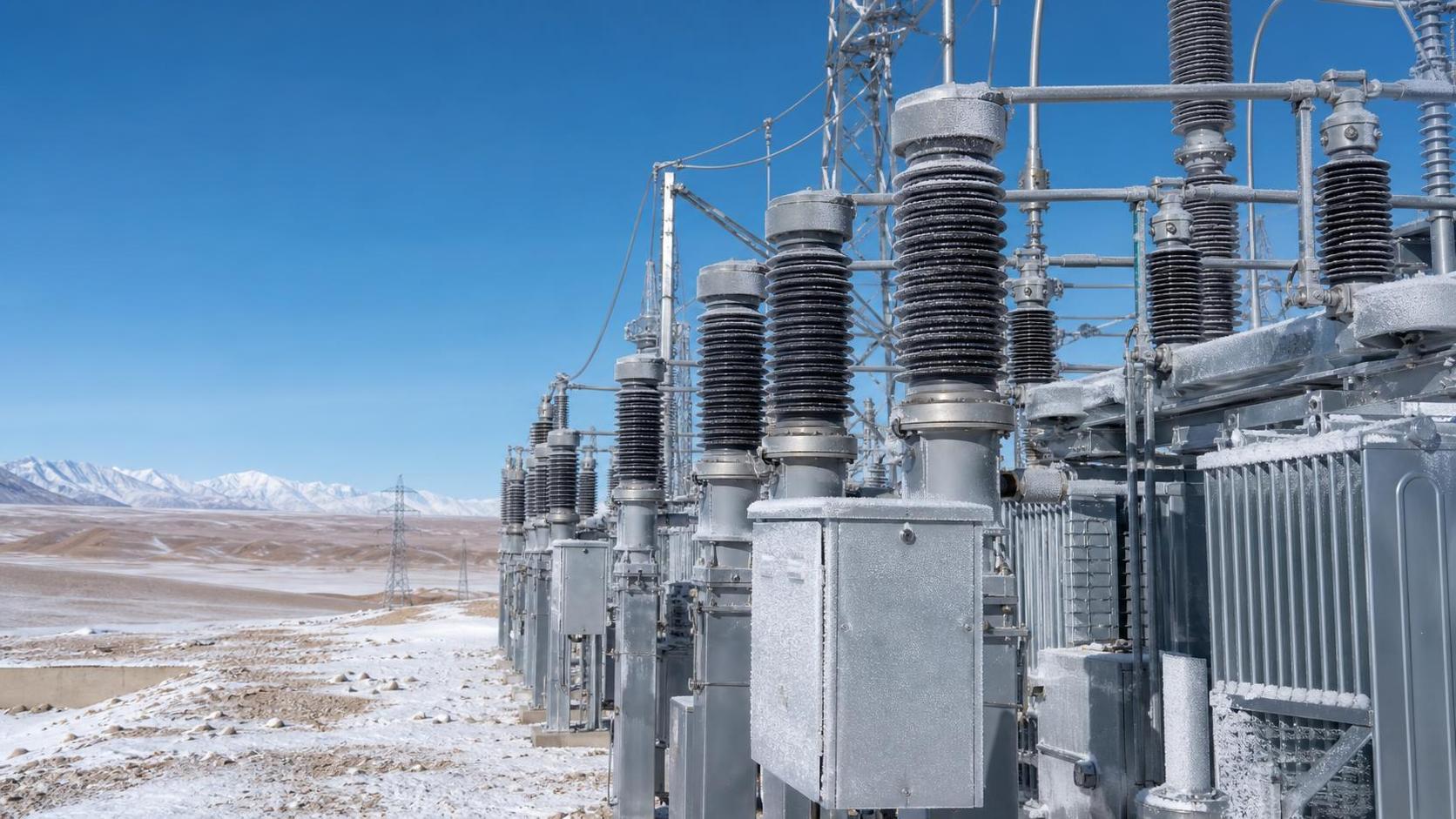
The order coverage mentioned in the input extends across core supporting systems including Transformers & Switchgears, Cables & Wiring, and Bearings & Seals. The provided information further indicates that delivery capability is directly linked to the progress of global EPC projects.
Why this matters across the offshore wind chain
For equipment manufacturing and system integration
From an industry perspective, manufacturers and integrators may read this development as a signal that delivery capability in the European deep and far-offshore segment is becoming a central competitive factor. The announced use of funds is tied to production and base expansion rather than to a purely financial objective, which means operational capacity and execution readiness are likely to draw closer scrutiny from customers and project partners.
The business impact may be felt most clearly in production scheduling, cross-border coordination, and interface management among tower manufacturing and related supporting systems. What deserves closer attention is whether upstream and parallel suppliers can align with the pace required by larger overseas order books.
For suppliers of key supporting components
Suppliers involved in Transformers & Switchgears, Cables & Wiring, and Bearings & Seals may be affected because their products are directly referenced within the order scope described in the provided information. Analysis shows that when delivery capability becomes a focal point, procurement timing, qualification review, technical documentation, and fulfillment consistency tend to become more important in day-to-day project management.
For these suppliers, the practical concern is less about broad market sentiment and more about whether they can support synchronized delivery under EPC-linked timelines. Any mismatch in lead times, certification readiness, or shipment coordination could become more visible when project schedules are tight.
For EPC participants and project procurement teams
EPC contractors and procurement teams may be influenced because the provided information explicitly links equipment delivery capability with global EPC project progress. Observably, that puts attention on execution interfaces: factory output, logistics handover, documentation completeness, and package-level coordination with multiple equipment categories.
The main area to watch is whether expanded manufacturing and upgraded intelligent production translate into more predictable delivery windows. At this stage, that should be treated as an area for continued observation rather than as a confirmed outcome.
For supply-chain service providers
Logistics, trade support, and other supply-chain service providers may also find this development relevant. A larger overseas order base combined with Europe-focused capacity deployment can increase the need for tighter coordination around shipment planning, document handling, and milestone-based delivery tracking.
Analysis shows that service providers working with offshore wind cargoes should pay attention to whether customers place greater emphasis on schedule transparency and cross-border coordination as equipment programs scale.
What companies should watch next in practical terms
Track official follow-up disclosures carefully
Companies connected to this supply chain should closely follow any subsequent official disclosures regarding the Hamburg base expansion and the intelligent upgrade of the floating tower production line. The current confirmed information identifies the direction of fund use, but business partners will still need clarity on implementation progress, production readiness, and any changes in delivery arrangements once further disclosures become available.
Review supplier readiness against delivery-linked requirements
For suppliers of the named supporting systems, this is a practical moment to review qualification files, technical documents, production planning, and fulfillment cycles. Since delivery capability is described as directly relevant to EPC progress, supplier readiness may increasingly be judged not only by product scope but also by response speed and coordination quality.
Separate financing news from operational results
Analysis shows that market participants should distinguish between a successful listing and confirmed operating outcomes. The raised capital and identified investment uses are facts. Whether those investments quickly improve output, scheduling, or project delivery performance remains a matter for later verification. This distinction matters for procurement decisions, partner assessments, and client communications.
Prepare for tighter communication around project interfaces
Enterprises involved in overseas offshore wind execution should be ready for more detailed coordination on lead times, handover milestones, and supporting documentation. Where orders span multiple equipment and supporting-system categories, communication discipline across procurement, manufacturing, and project delivery teams can become as important as manufacturing capacity itself.
How the market may interpret this signal
Analysis shows that this development is best understood as a capacity-and-delivery signal rather than as a standalone financing headline. The combination of a Hong Kong listing, named institutional cornerstone investors, Europe-focused capacity expansion, and an existing overseas order book indicates that delivery execution is central to the market story presented in the provided information.
At the same time, it is more appropriate to understand this as an important directional signal rather than a finished result. The confirmed facts show where the capital is intended to go and why that matters. They do not yet prove the timing or scale of any future operational improvement. That is why the industry still needs to watch implementation, supplier coordination, and EPC-side execution closely.
A development to read through the lens of execution
In practical terms, this news matters because it connects funding, overseas orders, European capacity deployment, and offshore wind equipment delivery in one development. For manufacturers, suppliers, EPC teams, and service providers, the immediate takeaway is not simply that Dajin Heavy has raised capital, but that delivery capability for deep and far-offshore wind projects in Europe is being reinforced as a competitive and operational priority.
A neutral reading is that this is a meaningful short-to-medium term industry signal with longer-term implications if the announced capacity investments are implemented effectively. For now, it is best understood as a development that merits continued monitoring rather than a basis for fixed conclusions.
Basis of this article and points for continued verification
This article is based on the user-provided news title, event date, and event summary. The confirmed facts used here are limited to the June 5, 2026 listing on the Hong Kong Stock Exchange Main Board, the HK$5.8 billion fundraising, the named cornerstone investors, the stated use of proceeds for the Hamburg base expansion and floating wind tower intelligent line upgrade, the overseas order book exceeding RMB 10 billion, and the referenced supporting systems and EPC delivery connection.
For this type of industry update, source categories that are typically relevant include official exchange filings, company announcements, industry association updates, authoritative media coverage, and standard-setting or project-related documentation. No specific official source link was provided in the input, so further verification remains necessary. The main areas to continue tracking are subsequent official disclosures on fund deployment, progress at the Hamburg base, upgrades to the floating tower production line, and any later statements related to delivery execution.
Technical Specifications
- How to Select Electronic Hotel Key Card Locks for Guest Rooms and Staff AreasAuthor :Safety Compliance Lead
- How to Select Lab Instruments for Reliable Chemical Analysis WorkflowsAuthor :Precision Metrology Expert
- How to Size a UPS for Server Rooms: Load, Runtime, and Redundancy FactorsAuthor :Grid Infrastructure Analyst
Expert Insights

Chief Security Architect
Dr. Thorne specializes in the intersection of structural engineering and digital resilience. He has advised three G7 governments on industrial infrastructure security.
Related Analysis
- Sep 17, 2026How to Select Electronic Hotel Key Card Locks for Guest Rooms and Staff AreasAuthor :Safety Compliance Lead
- Sep 16, 2026How to Select Lab Instruments for Reliable Chemical Analysis WorkflowsAuthor :Precision Metrology Expert
- Sep 15, 2026How to Size a UPS for Server Rooms: Load, Runtime, and Redundancy FactorsAuthor :Grid Infrastructure Analyst
Core Sector // 01
Security & Safety
- Does Power Transmission Maintenance Differ in Desert and Arctic Sites?Author :Heavy Industry Strategist

- Can Industrial Engineering Solutions Reduce Petrochemical Downtime?Author :Heavy Industry Strategist

- What Drives Industrial Roller Chains Price: Material, Pitch, Load, and Supplier FactorsAuthor :Heavy Industry Strategist

- How to Choose a Three Phase Soft Starter for Pumps, Fans, and ConveyorsAuthor :Heavy Industry Strategist

- How to Evaluate a Conveyor Roller Belts Manufacturer for Load, Speed, and Service LifeAuthor :Heavy Industry Strategist

- Power Transmission Systems Pricing: 7 Cost Drivers Buyers Should CompareAuthor :Heavy Industry Strategist

- India Expands BIS ISI Rule for Imported Belts and ChainsAuthor :Heavy Industry Strategist

- Zero Backlash Jaw Coupling Selection Guide: Torque, Misalignment, and Servo PerformanceAuthor :Heavy Industry Strategist