India Extends BIS Window for Power Transmission Imports
Author
Date Published
Reading Time
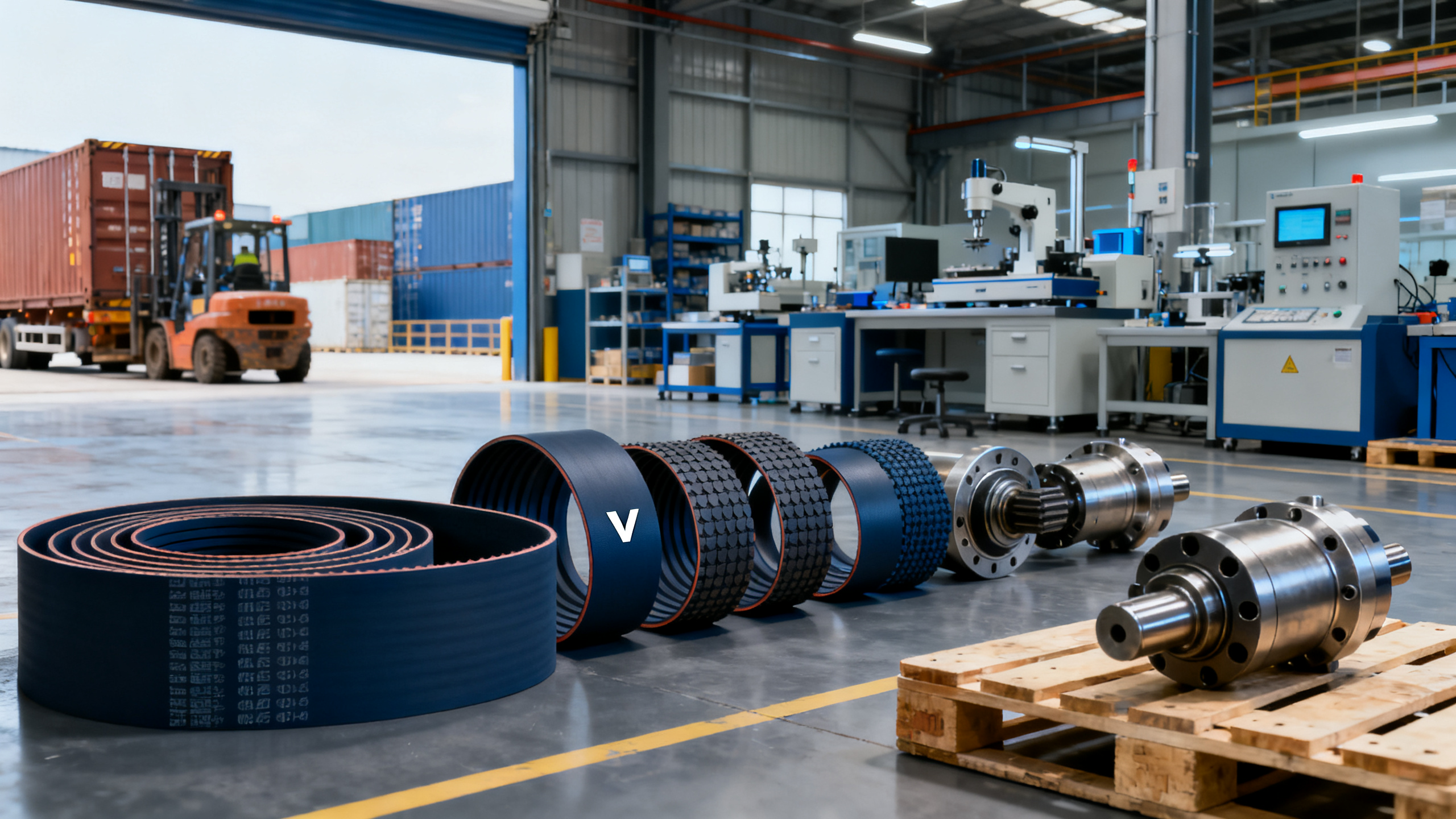
On July 1, 2026, India’s BIS adjusted the compliance timetable for imported power transmission components by extending the mandatory ISI certification deadline to December 31, 2026, while also introducing a nearer-term testing requirement for incoming shipments. For importers, suppliers, procurement teams, and logistics participants dealing with V-belts, timing belts, and flexible couplings, the update matters because it changes not only the compliance calendar but also the practical release pace for goods entering the Indian market.
What the announcement confirms
The confirmed facts are limited but commercially important. BIS announced on July 1, 2026 that the compulsory ISI certification deadline for imported power transmission components has been pushed back to December 31, 2026.
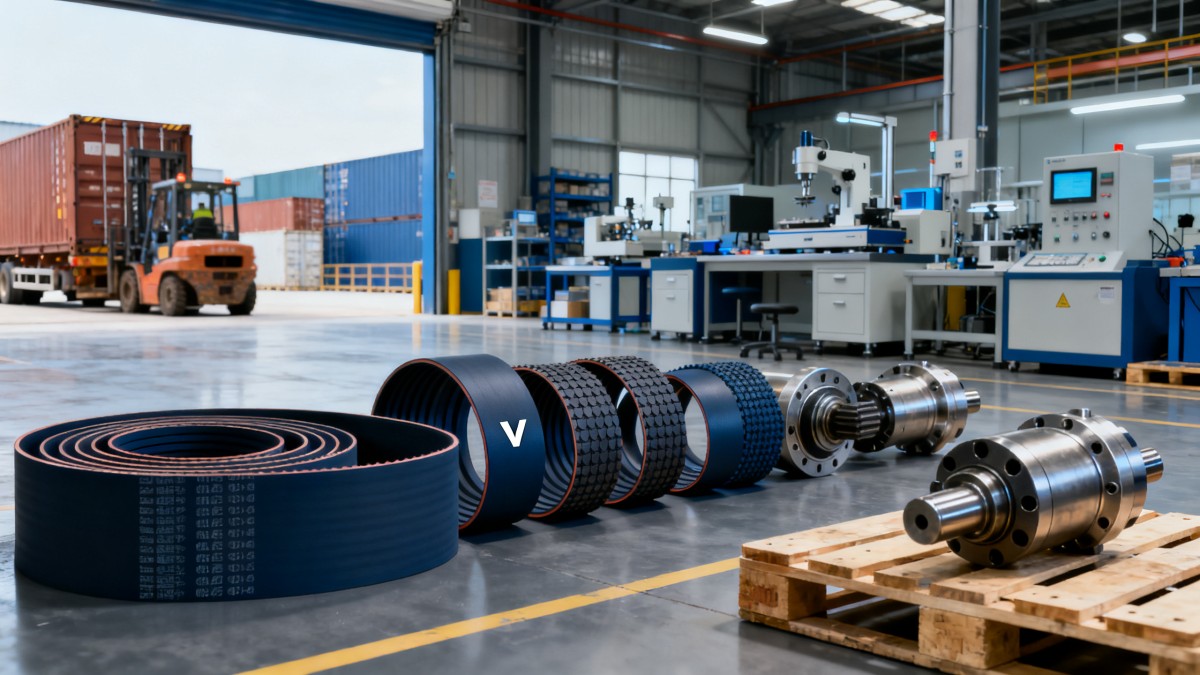
The products specifically referenced in the provided information include V-belts, timing belts, and flexible couplings.
At the same time, the extension does not remove near-term control measures. Imports arriving after July 15, 2026 must be tested by NABL-accredited laboratories in line with IS 4195:2025 (revised).
The provided information also states that this added testing step is expected to lengthen customs release timelines by 10 to 14 days for shipments originating from China and Vietnam.
Where the operational impact is likely to appear first
Import trade flows face a split timeline
From an industry perspective, direct importers are the first group likely to feel the effect because the policy change creates two overlapping deadlines: a later certification deadline, but an earlier testing trigger. The main impact is likely to appear in shipment planning, customs coordination, and document readiness for consignments entering India after July 15.
Suppliers to the Indian market may need tighter pre-shipment coordination
Suppliers shipping from China and Vietnam may be affected through longer release cycles rather than through the certification extension alone. Analysis shows that the added 10 to 14 days mentioned in the input could influence production dispatch timing, shipment booking decisions, and communication with Indian buyers on expected arrival-to-release intervals.
Procurement and downstream users may see timing risk rather than immediate supply loss
For procurement teams and end-use industrial buyers, the issue is less about whether imports remain possible and more about whether delivery schedules remain predictable. What deserves closer attention is the potential for a gap between booked arrival dates and actual customs clearance timing, especially where belts and couplings are tied to maintenance cycles, replacement demand, or scheduled equipment support.
Logistics and customs-facing service providers will need sharper execution
Supply chain service providers, customs brokers, and compliance support teams may be affected because the testing requirement introduces another checkpoint before release. The operational pressure is likely to concentrate in sample handling, lab coordination, supporting paperwork, and managing customer expectations around revised lead times.
What companies should watch now
Do not treat the extension as a full delay of compliance pressure
Analysis shows that the December 31 extension may look like additional breathing room, but the July 15 testing requirement creates an immediate operational obligation. Companies should distinguish between the formal ISI certification deadline and the earlier test-linked release requirement now attached to imports.
Focus on affected product lines and shipment dates
Businesses dealing in V-belts, timing belts, and flexible couplings should pay close attention to which consignments fall after the July 15 threshold. In practice, the shipment date, import timing, and product classification will matter for delivery commitments and internal planning.
Review lab readiness and supporting documentation
What deserves closer attention is whether testing through NABL-accredited laboratories can be arranged without avoidable delay. Even without additional facts beyond the provided summary, it is reasonable to observe that document completeness, test coordination, and internal responsibility assignment will become more important once the new requirement takes effect.
Reset customer and supplier communication around lead times
For sales, procurement, and account management teams, the immediate issue is expectation management. The provided information already points to an added 10 to 14 days for customs release on shipments from China and Vietnam, so contract execution, promised delivery windows, and replenishment discussions may need to reflect that timing change.
Why this looks like both relief and tighter enforcement
Observably, this update should not be read as a simple relaxation. The extension to December 31, 2026 provides more time on the certification side, but the required use of NABL-accredited lab testing after July 15 points in the direction of tighter control over market entry procedures.
It is more appropriate to understand this as a mixed regulatory signal: short-term relief in one part of the compliance framework, combined with faster operational enforcement in another. That is why the development deserves continued industry attention rather than a one-time reading.
Analysis also suggests that the practical business effect will depend less on the headline extension alone and more on how consistently the new testing step affects shipment release timing in live trade flows.
How this update is best understood for now
At this stage, the most balanced reading is that the announcement changes the near-term operating environment for imported power transmission components rather than settling the broader compliance picture. It reduces immediate pressure on the ISI certification deadline, but it also introduces a testing-based checkpoint that may affect import execution much sooner.
For the industry, this is better understood as an active compliance and supply-chain issue with both short-term and watch-list implications. The confirmed facts are clear on dates, product scope, and added testing, while the broader commercial effect still needs to be observed through implementation.
Basis of this article and what still needs verification
This article is based on the user-provided news title, event date, and event summary. The analysis is written from those inputs only and does not rely on additional unverified data, company statements, or external market estimates.
For this type of development, commonly relevant source categories would include official notices, standards-related publications, company compliance notices, industry association updates, authoritative media reporting, and standard organization documents. However, a specific official source link was not provided in the input, so the exact source document still needs ongoing verification.
Further observation should focus on whether BIS or related official channels issue clarifications on implementation, documentation, product coverage, or practical testing procedures under IS 4195:2025 (revised).
Technical Specifications
- Air Handling Unit Supplier Checklist: Performance Data, Lead Times, and SupportAuthor :Environmental Engineering Director
- Buying Fiberglass Water Tanks Wholesale: Compare Quotes and Delivery CostsAuthor :Environmental Engineering Director
- Choosing an XLPE Power Cable Supplier: Test Reports, Traceability, and Lead TimesAuthor :Grid Infrastructure Analyst
Expert Insights

Chief Security Architect
Dr. Thorne specializes in the intersection of structural engineering and digital resilience. He has advised three G7 governments on industrial infrastructure security.
Related Analysis
- Oct 19, 2026Air Handling Unit Supplier Checklist: Performance Data, Lead Times, and SupportAuthor :Environmental Engineering Director
- Oct 18, 2026Buying Fiberglass Water Tanks Wholesale: Compare Quotes and Delivery CostsAuthor :Environmental Engineering Director
- Oct 17, 2026Choosing an XLPE Power Cable Supplier: Test Reports, Traceability, and Lead TimesAuthor :Grid Infrastructure Analyst
Core Sector // 01
Security & Safety
- Does Power Transmission Maintenance Differ in Desert and Arctic Sites?Author :Heavy Industry Strategist

- Can Industrial Engineering Solutions Reduce Petrochemical Downtime?Author :Heavy Industry Strategist

- What Drives Industrial Roller Chains Price: Material, Pitch, Load, and Supplier FactorsAuthor :Heavy Industry Strategist

- How to Choose a Three Phase Soft Starter for Pumps, Fans, and ConveyorsAuthor :Heavy Industry Strategist

- How to Evaluate a Conveyor Roller Belts Manufacturer for Load, Speed, and Service LifeAuthor :Heavy Industry Strategist

- Power Transmission Systems Pricing: 7 Cost Drivers Buyers Should CompareAuthor :Heavy Industry Strategist

- India Expands BIS ISI Rule for Imported Belts and ChainsAuthor :Heavy Industry Strategist

- Zero Backlash Jaw Coupling Selection Guide: Torque, Misalignment, and Servo PerformanceAuthor :Heavy Industry Strategist