How to Compare Heavy Industry Equipment Suppliers Beyond Unit Price
Author
Date Published
Reading Time
For industrial procurement teams, choosing heavy industry equipment suppliers based only on unit price can create hidden risks in compliance, uptime, lifecycle cost, and project delivery. A lower quote may look attractive on paper, but the true value of a supplier depends on technical reliability, certification depth, after-sales support, logistics capability, and performance under demanding operating conditions. This guide explains how procurement professionals can evaluate suppliers more strategically, reduce sourcing risk, and build resilient partnerships that support long-term industrial operations.
Why Heavy Industry Equipment Suppliers Need Checklist-Based Evaluation
Heavy industry equipment suppliers influence safety, output stability, energy efficiency, and regulatory exposure. Their impact continues long after the purchase order is signed.
Unit price rarely reflects installation complexity, spare parts availability, failure rates, software support, documentation quality, or cross-border service capability.
A structured checklist creates a repeatable comparison method. It also helps separate strong technical partners from vendors competing only through discounting.
For complex assets, comparing heavy industry equipment suppliers should combine technical evidence, commercial terms, lifecycle economics, and operational resilience.
Core Checklist for Comparing Heavy Industry Equipment Suppliers
Use the following checklist before shortlisting heavy industry equipment suppliers. Each item should be supported by verifiable documents, site evidence, or tested performance data.
- Verify certification coverage across CE, UL, ISO, IEC, ATEX, or local standards, and confirm whether certificates match the exact model offered.
- Assess proven operating history in comparable duty cycles, climate conditions, load profiles, and maintenance environments before accepting performance claims.
- Review engineering documentation quality, including drawings, manuals, wiring diagrams, material specifications, calibration records, and installation procedures.
- Compare total lifecycle cost, including energy demand, consumables, downtime exposure, spare parts pricing, training, upgrades, and decommissioning requirements.
- Test response capability for technical queries, emergency service, warranty claims, remote diagnostics, field repairs, and replacement component dispatch.
- Check manufacturing traceability through batch records, inspection reports, nonconformance controls, supplier audits, and quality management procedures.
- Evaluate logistics strength, including export documentation, packaging standards, customs experience, project scheduling, and delivery recovery options.
- Request failure mode data, reliability metrics, endurance testing results, and corrective action records from similar industrial applications.
- Confirm integration compatibility with existing controls, sensors, power systems, safety interlocks, monitoring platforms, and maintenance workflows.
- Score commercial transparency by reviewing payment milestones, warranty exclusions, escalation clauses, lead-time assumptions, and after-sales obligations.
This checklist moves the conversation beyond discount negotiation. It reveals whether heavy industry equipment suppliers can support demanding assets over their full service life.
How to Read Price Against Real Operational Value
Price comparison should start with a like-for-like technical baseline. Otherwise, low-cost proposals may exclude key components, safeguards, testing, or commissioning tasks.
Create a costed compliance matrix. List mandatory features, optional features, excluded services, and expected operating costs beside each supplier quotation.
Strong heavy industry equipment suppliers usually explain cost drivers clearly. They can justify materials, tolerances, certification work, inspection methods, and service commitments.
Weak quotations often rely on vague language. Watch for undefined “standard configuration,” unclear warranty scope, missing performance guarantees, or absent acceptance criteria.
Calculate Total Cost of Ownership
- Include energy use, lubrication, calibration, inspections, consumables, software licenses, operator training, spare parts, and planned overhaul intervals.
- Model downtime cost by estimating lost production, emergency labor, safety exposure, contractual penalties, and temporary replacement arrangements.
- Compare warranty value by checking claim procedures, exclusion wording, service location, labor coverage, and maximum response times.
Scenario Checks for Different Industrial Applications
High-Risk Safety and Security Systems
For fire protection, access control, gas detection, and emergency shutdown systems, documentation matters as much as hardware performance.
Heavy industry equipment suppliers should provide certificates, test records, alarm logic descriptions, maintenance schedules, and proof of compliance with site safety rules.
Measurement, Instruments, and Metrology
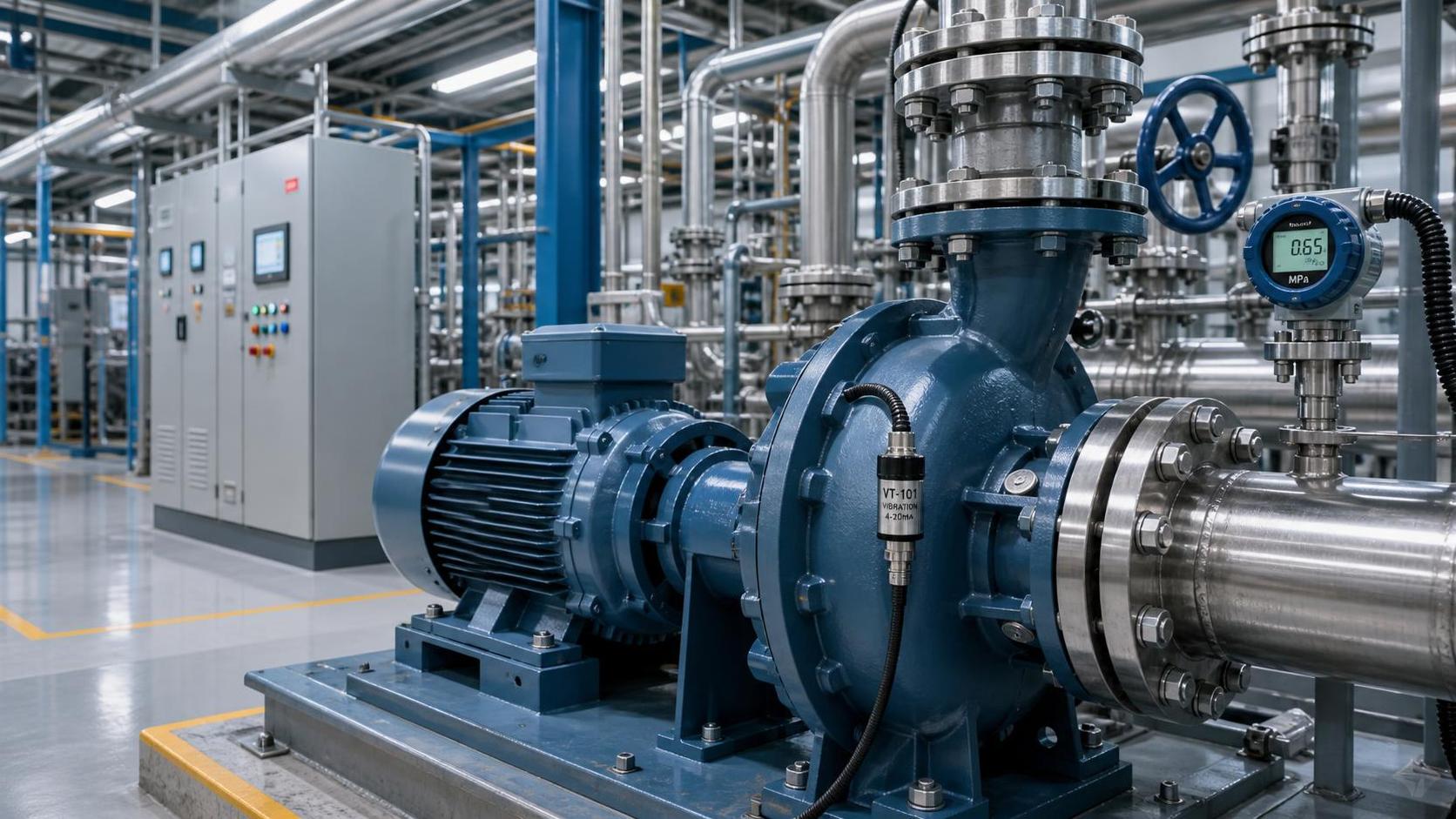
Instrumentation requires accuracy stability, traceable calibration, environmental resistance, and clear uncertainty statements. Small measurement errors can create large process losses.
When evaluating heavy industry equipment suppliers, request calibration certificates, drift data, sensor compatibility notes, and recalibration interval recommendations.
Electrical and Power Grid Equipment
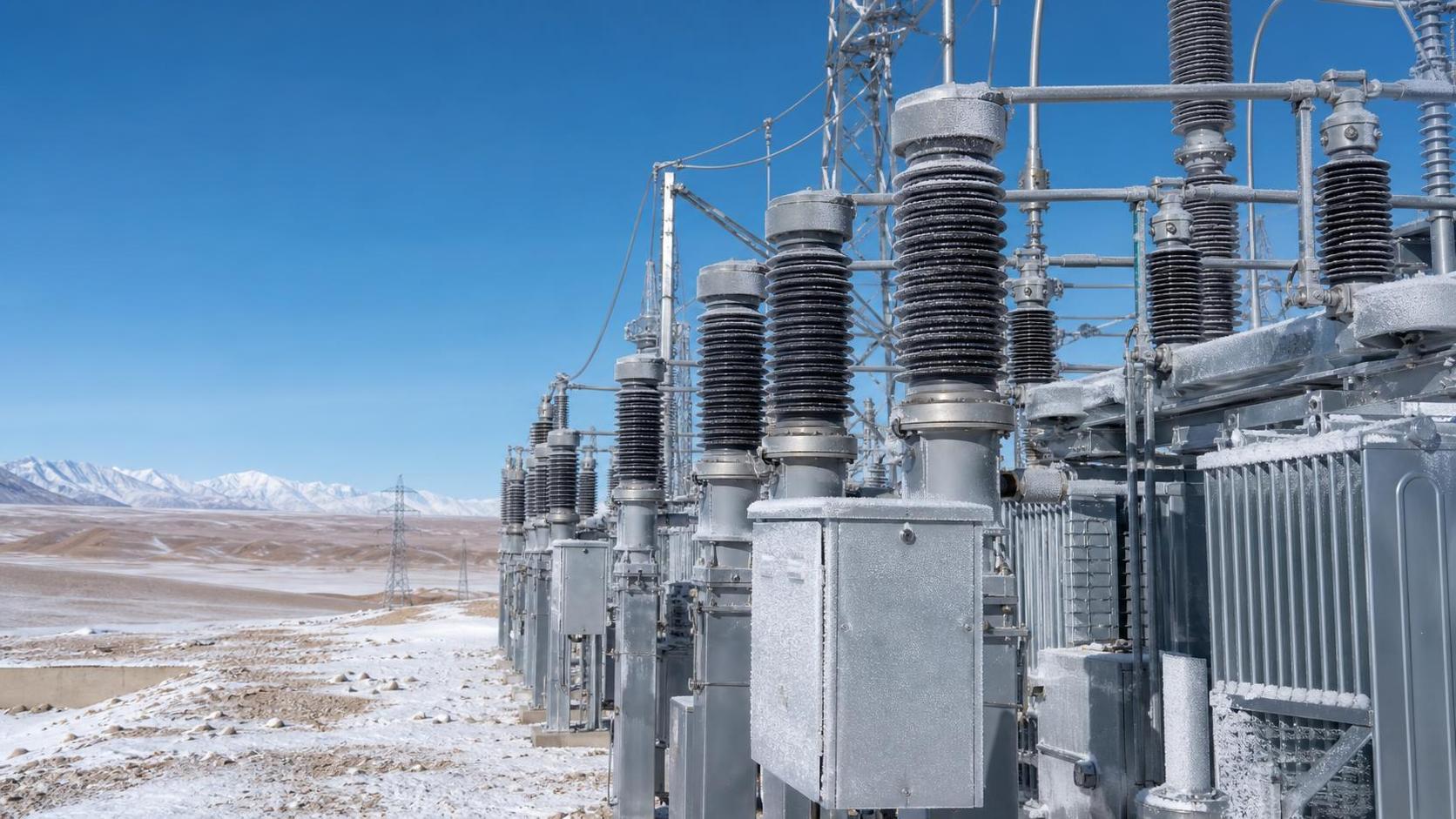
For transformers, switchgear, cables, drives, and protection devices, electrical safety and load behavior must be verified under realistic conditions.
Qualified heavy industry equipment suppliers should demonstrate type testing, insulation performance, thermal limits, fault tolerance, and compatibility with grid requirements.
Environmental and Ecology Equipment
Water treatment, emissions control, filtration, and recycling systems must meet environmental limits while maintaining stable throughput.
Supplier comparison should include monitoring accuracy, reagent consumption, sludge handling, filter life, compliance reporting, and site-specific process variation.
Mechanical Components and Metallurgy
Mechanical assemblies depend on material integrity, dimensional control, surface treatment, fatigue behavior, and heat-treatment consistency.
Ask heavy industry equipment suppliers for material certificates, inspection reports, tolerance sheets, hardness records, and fatigue or wear testing data.
Common Risks When Comparing Suppliers
Incomplete Compliance Evidence
Some heavy industry equipment suppliers present general certificates that do not apply to the proposed configuration, production batch, or installation region.
Always match certificate numbers, product codes, testing bodies, issue dates, and scope statements against the equipment listed in the quotation.
Weak After-Sales Infrastructure
A supplier may offer competitive pricing but lack trained technicians, spare stock, diagnostic tools, or regional service partners.
This weakness becomes costly when unplanned stoppages require immediate technical support, especially in remote plants or cross-border projects.
Hidden Engineering Changes
Design substitutions can reduce cost while changing durability, safety margin, or integration behavior. They may appear only in revised drawings.
Require change logs, approval workflows, revision-controlled drawings, and written confirmation before accepting altered materials, components, or software versions.
Unrealistic Delivery Commitments
Some heavy industry equipment suppliers promise short lead times without confirming raw material availability, testing slots, export documents, or shipping capacity.
Validate schedules through production plans, milestone dates, factory acceptance test windows, logistics routing, and contingency arrangements.
Practical Execution Steps for Supplier Comparison
A disciplined comparison process reduces subjective judgment. It also creates a clear audit trail for technical, financial, and compliance decisions.
- Define mandatory technical requirements before requesting quotations, including standards, duty cycles, environmental limits, and acceptance testing procedures.
- Build a weighted scorecard that separates compliance, reliability, lifecycle cost, service coverage, logistics, and commercial risk.
- Request comparable evidence from every bidder, including certificates, manuals, test reports, case data, and after-sales commitments.
- Hold clarification meetings focused on exclusions, assumptions, configuration differences, commissioning responsibilities, and spare parts availability.
- Visit factories or arrange remote audits to inspect quality controls, calibration systems, production records, and packaging practices.
- Run reference checks for similar installations, paying attention to uptime, claim handling, documentation accuracy, and service responsiveness.
Score heavy industry equipment suppliers with evidence, not presentation quality. A polished proposal cannot replace verified performance and accountable support.
Questions That Reveal Supplier Maturity
Well-designed questions expose technical depth quickly. They also show whether heavy industry equipment suppliers understand real operating constraints.
- What failure modes have been observed in similar installations, and what design or maintenance actions reduced recurrence?
- Which parts are locally stocked, which require factory production, and what are the confirmed emergency dispatch times?
- How are software versions, firmware updates, calibration files, and configuration backups controlled during the equipment lifecycle?
- What acceptance tests are performed before shipment, and which results are recorded in the final technical dossier?
- How are nonconforming materials, supplier defects, and field complaints documented, investigated, and closed?
Experienced heavy industry equipment suppliers answer these questions with specifics. Vague answers usually indicate weak systems or limited field experience.
Using Independent Intelligence to Reduce Sourcing Risk
Independent technical research helps validate supplier claims. It also provides context across safety, metrology, power, environmental, and mechanical categories.
Global Industrial Core focuses on foundational industrial systems where failure tolerance is low and compliance expectations are high.
Its editorial approach combines standards awareness, engineering documentation, case evidence, and supplier evaluation signals relevant to global industrial sourcing.
When comparing heavy industry equipment suppliers, independent insights can highlight overlooked risks, emerging standards, and stronger evaluation benchmarks.
Summary and Next Steps
The best value rarely comes from the lowest unit price. It comes from verified reliability, compliant design, predictable support, and transparent lifecycle cost.
Compare heavy industry equipment suppliers through a documented checklist, weighted scorecard, technical evidence review, and practical service capability assessment.
Before awarding a contract, confirm certification scope, operating history, spare parts access, testing records, delivery realism, and warranty accountability.
A stronger sourcing decision protects uptime, safety, and capital investment. Start with the checklist, then challenge every quote beyond unit price.
Technical Specifications
- How to Select Electronic Hotel Key Card Locks for Guest Rooms and Staff AreasAuthor :Safety Compliance Lead
- How to Select Lab Instruments for Reliable Chemical Analysis WorkflowsAuthor :Precision Metrology Expert
- How to Size a UPS for Server Rooms: Load, Runtime, and Redundancy FactorsAuthor :Grid Infrastructure Analyst
Expert Insights

Chief Security Architect
Dr. Thorne specializes in the intersection of structural engineering and digital resilience. He has advised three G7 governments on industrial infrastructure security.
Related Analysis
- Sep 17, 2026How to Select Electronic Hotel Key Card Locks for Guest Rooms and Staff AreasAuthor :Safety Compliance Lead
- Sep 16, 2026How to Select Lab Instruments for Reliable Chemical Analysis WorkflowsAuthor :Precision Metrology Expert
- Sep 15, 2026How to Size a UPS for Server Rooms: Load, Runtime, and Redundancy FactorsAuthor :Grid Infrastructure Analyst
Core Sector // 01
Security & Safety
- Does Power Transmission Maintenance Differ in Desert and Arctic Sites?Author :Heavy Industry Strategist

- Can Industrial Engineering Solutions Reduce Petrochemical Downtime?Author :Heavy Industry Strategist

- What Drives Industrial Roller Chains Price: Material, Pitch, Load, and Supplier FactorsAuthor :Heavy Industry Strategist

- How to Choose a Three Phase Soft Starter for Pumps, Fans, and ConveyorsAuthor :Heavy Industry Strategist

- How to Evaluate a Conveyor Roller Belts Manufacturer for Load, Speed, and Service LifeAuthor :Heavy Industry Strategist

- Power Transmission Systems Pricing: 7 Cost Drivers Buyers Should CompareAuthor :Heavy Industry Strategist

- India Expands BIS ISI Rule for Imported Belts and ChainsAuthor :Heavy Industry Strategist

- Zero Backlash Jaw Coupling Selection Guide: Torque, Misalignment, and Servo PerformanceAuthor :Heavy Industry Strategist