Composite Wear-Resistant Plate Market Trends: Why Heavy Industries Are Investing in Longer Equipment Life
Author
Date Published
Reading Time
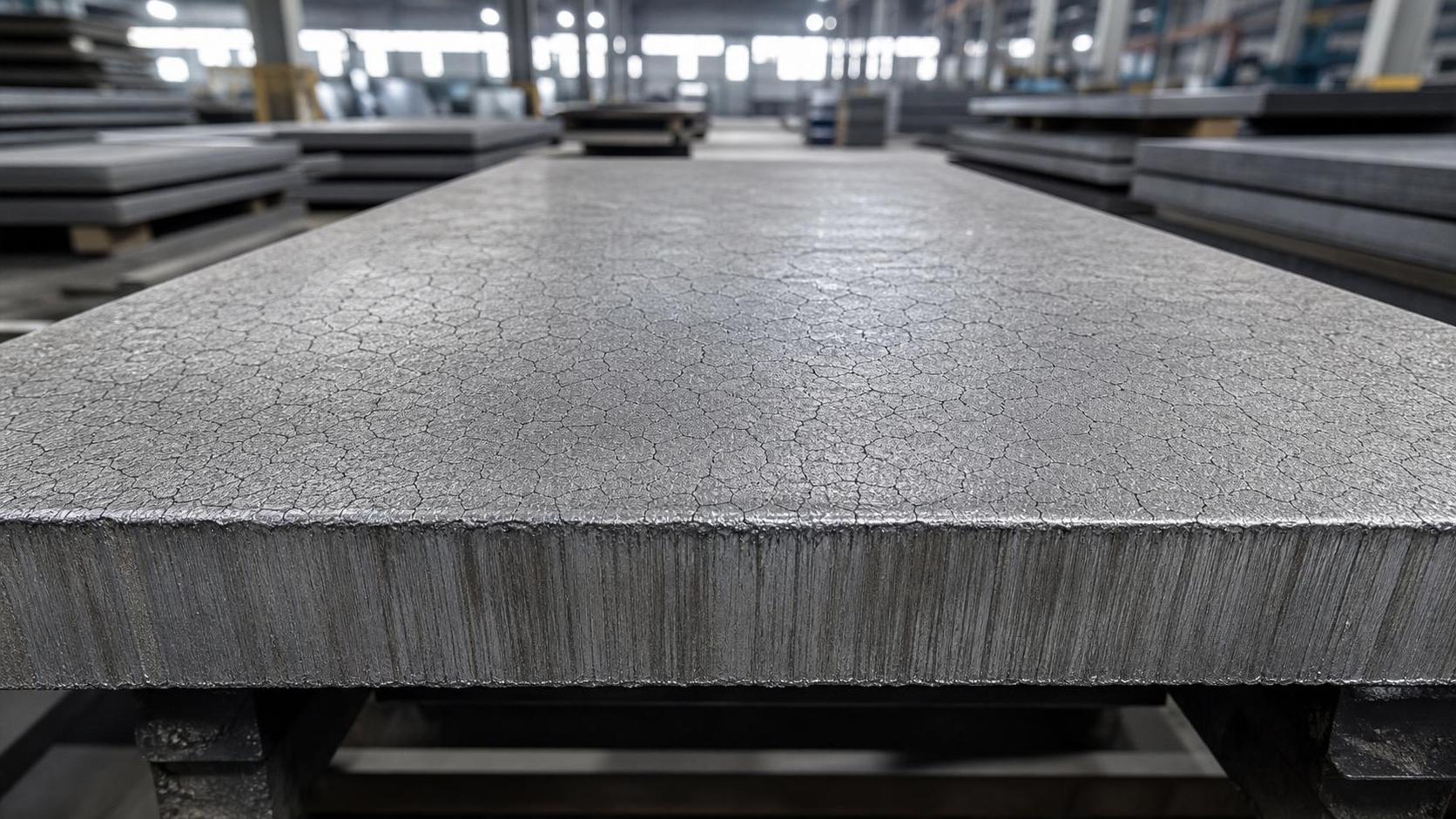
Heavy industries are entering a period where equipment life, maintenance cost, and production uptime matter more than ever. Mining companies, cement plants, steel mills, power stations, construction machinery operators, and bulk material handling facilities all face the same operational challenge: abrasive materials continuously damage equipment surfaces, reduce efficiency, and create expensive shutdowns. In this environment,composite wear-resistant plate is becoming a strategic material for companies that want to extend equipment service life and reduce total operating costs.
The global market for wear-resistant materials is being shaped by several connected trends. Industrial production is becoming more efficiency-focused. Raw material handling volumes remain high in mining, cement, power generation, metallurgy, and infrastructure construction. Labor and maintenance costs are rising. Equipment operators are under pressure to reduce unplanned downtime. At the same time, buyers are becoming more professional in evaluating lifecycle value instead of only comparing initial product prices.
Composite wear-resistant plate fits this market shift because it is designed for severe abrasion environments. It typically combines a tough base plate with a hardfacing wear layer, allowing the product to balance structural support with surface durability. This makes it useful for liners, chutes, hoppers, buckets, crushers, conveyor systems, fan blades, pipes, screens, and many other components exposed to sliding abrasion, impact, and material flow.
Heavy Industry Is Moving From Replacement Thinking to Lifecycle Thinking
In the past, many industrial operators accepted wear as a normal cost of doing business. When liners, plates, buckets, or handling surfaces wore out, they were replaced. This approach may seem simple, but it often hides major costs. Replacement requires spare parts, labor, production stoppage, equipment disassembly, installation time, and sometimes emergency repair.
Today, more companies are moving toward lifecycle cost management. Instead of asking only, “How much does this plate cost?” buyers are asking, “How long will it last, how much downtime will it prevent, and how much maintenance labor can it reduce?” This change is driving demand for more durable wear-resistant materials.
Composite wear-resistant plate offers value because it can help increase service intervals in harsh operating environments. Longer service life means fewer replacements and fewer interruptions. For high-output plants, even a short shutdown can create significant production loss. Therefore, a material that extends operating time can produce value far beyond its purchase price.
This lifecycle mindset is especially visible in industries where abrasive materials move continuously. Coal, ore, limestone, clinker, slag, sand, gravel, and other bulk solids can quickly damage ordinary steel surfaces. When wear is severe, standard steel plate may require frequent replacement. Composite wear-resistant plate gives buyers a more durable alternative for critical equipment zones.
Mining and Quarrying Remain Core Demand Drivers
Mining and quarrying are among the strongest application markets for wear-resistant plate. These industries handle extremely abrasive materials every day. Excavators, loaders, crushers, feeders, conveyor transfer points, dump truck beds, chutes, hoppers, screens, and processing equipment all face continuous wear.
As ore grades decline in some regions, mining companies may need to move and process more material to achieve the same output. This increases wear exposure throughout the production system. At the same time, mines are under pressure to improve cost per ton and reduce maintenance delays. These pressures support demand for high-performance wear materials.
Composite wear-resistant plate is often used in areas where ordinary steel wears too quickly but full replacement with expensive specialty alloys may not be economical. It provides a practical balance between wear resistance and cost control. For mining buyers, this balance is important because equipment fleets and processing plants require large surface areas of protective material.
Quarrying and aggregate production also create strong demand. Crushers, screens, feeders, hoppers, and conveyor systems process large volumes of hard rock and mineral materials. Equipment downtime directly affects production output and delivery commitments. Wear-resistant plate can help operators maintain more stable production schedules, especially during peak construction seasons when aggregate demand is high.
Cement and Building Materials Plants Need Stronger Wear Protection
Cement plants and building materials facilities are another major market for composite wear-resistant plate. Cement production involves crushing, grinding, conveying, preheating, clinker handling, and finished product movement. Many stages expose equipment to abrasion, impact, and high material flow.
Limestone, clinker, slag, coal, and mineral additives can damage equipment surfaces quickly. Wear in chutes, mill liners, separator components, fan blades, ducts, hoppers, and conveying systems can reduce efficiency and increase maintenance needs. Because cement plants operate with continuous production targets, downtime can be costly.
Composite wear-resistant plate helps cement producers protect equipment surfaces in key wear zones. By extending component life, plants can reduce replacement frequency and schedule maintenance more predictably. This supports better production planning and cost control.
The cement industry is also under pressure to reduce energy consumption and emissions. While wear-resistant plate is not an emissions technology by itself, stable equipment performance contributes to efficient plant operation. Excessive wear can change material flow, reduce system efficiency, and create maintenance-related energy waste. Durable wear protection therefore supports broader operational efficiency goals.
As infrastructure and housing demand continue in many regions, cement production remains essential. This gives wear-resistant materials a steady demand base, especially in markets where plants are upgrading old equipment or trying to improve maintenance performance.
Steel, Power, and Metallurgy Applications Are Expanding
Steel mills, thermal power plants, and metallurgical facilities also use wear-resistant plates in demanding environments. In steel production, raw material handling, coke systems, sinter plants, blast furnace charging, slag handling, and rolling mill support systems all involve abrasion and impact. Equipment surfaces must withstand heavy material contact and continuous operation.
Power plants, especially coal-fired facilities, use wear-resistant materials in coal handling systems, pulverizer components, ash handling, ducts, and related equipment. Even as energy systems diversify, many regions still rely on thermal power infrastructure, and maintenance efficiency remains important. Plants that continue operating must control wear-related failures and reduce repair frequency.
Metallurgical and smelting operations also create complex wear conditions. Slag, ore, fluxes, and high-temperature materials can damage surfaces quickly. Composite wear-resistant plate can be selected for specific wear zones where abrasion and impact are the main problems.
These industries often place strong emphasis on reliability and safety. Equipment failure can affect not only production but also worker safety and environmental control. Buyers therefore look for materials with proven performance, stable bonding, appropriate hardness, and suitability for fabrication or installation.
Bulk Material Handling Is Creating Wider Market Demand
Bulk material handling is one of the broadest application areas for composite wear-resistant plate. Ports, logistics terminals, fertilizer plants, grain facilities, chemical plants, recycling facilities, and construction material yards all handle materials that can wear down equipment surfaces. While not every application is as severe as mining, many still require durable liners and protective plates.
Conveyor systems are especially important. Transfer points, chutes, hoppers, and loading zones often experience concentrated wear. If these areas fail, the entire material handling system can be disrupted. Wear-resistant plate can help protect these high-impact zones and reduce maintenance interruptions.
As global trade and infrastructure development increase demand for bulk commodities, handling systems must process larger volumes more efficiently. Ports and industrial terminals are investing in improved conveying, storage, and loading equipment. This supports demand for wear protection materials that can maintain flow efficiency and reduce downtime.
The growth of recycling and waste processing also adds demand. Recycling systems handle mixed materials, scrap, construction waste, and abrasive particles. Equipment durability is critical because material streams can be unpredictable and damaging. Composite wear-resistant plate can support longer equipment life in shredders, conveyors, hoppers, and sorting systems.
Buyers Are Paying More Attention to Hardfacing Quality
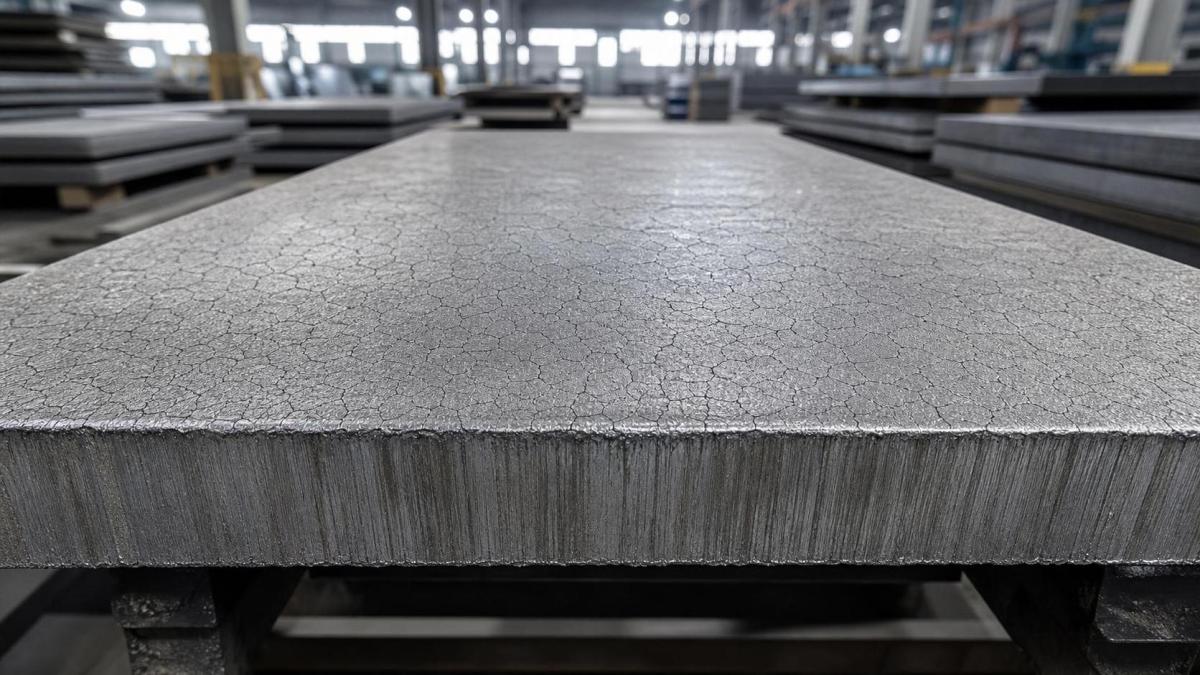
The performance of composite wear-resistant plate depends heavily on hardfacing quality. Buyers increasingly understand that not all wear plates are the same. Important factors include overlay composition, hardness, crack pattern, bonding strength, base plate quality, thickness tolerance, flatness, and welding or cutting performance.
Hardness is important, but it is not the only performance indicator. A plate that is too brittle may fail under impact. A plate with poor bonding may delaminate. A plate with unstable thickness may cause installation problems. Therefore, buyers need to evaluate the full material structure and application suitability.
Different wear environments require different solutions. Sliding abrasion, impact abrasion, high-temperature wear, and mixed wear conditions may require different overlay materials or thickness combinations. Professional suppliers can help buyers match plate type to working conditions instead of offering one generic product for every application.
This is why technical communication is becoming more important in the market. Buyers want to know where the plate can be used, how it can be cut or welded, whether it can be formed, how it should be installed, and what performance advantages it offers compared with standard steel. Suppliers that can answer these questions clearly are more likely to build long-term customer trust.
Maintenance Cost Pressure Is Driving Adoption
Maintenance cost is one of the strongest reasons for adopting composite wear-resistant plate. In heavy industry, maintenance teams often face limited shutdown windows, labor shortages, spare parts pressure, and production targets. If equipment wears out faster than expected, the entire operation becomes harder to manage.
Wear-resistant plate can help reduce emergency repairs. It allows maintenance teams to plan replacement more predictably and focus resources on scheduled shutdowns. This improves operational control and reduces the risk of unexpected failures.
For large plants, the cost of downtime can be much higher than the cost of the replacement part. A stopped crusher, conveyor, kiln, mill, or material handling system can affect production across the entire facility. This makes longer-lasting wear protection economically attractive.
The market is therefore shifting toward value-based procurement. Buyers may still compare prices, but they increasingly consider service life, installation cost, maintenance frequency, and production continuity. A higher-performance wear plate can be the more economical choice if it reduces shutdowns and extends replacement intervals.
Customization and Fabrication Support Are Becoming Competitive Factors
Many buyers do not only need flat plates. They need cut-to-size liners, formed parts, drilled plates, welded assemblies, pipe sections, or custom components that match specific equipment dimensions. This is making fabrication support more important in the wear-resistant plate market.
Suppliers with CNC cutting, machining, welding, and forming capabilities can provide more complete solutions. This helps buyers reduce processing work at their own facilities and speed up installation. It is especially valuable for overseas buyers who need parts ready for assembly.
Customization also improves fit and performance. A liner that matches the equipment geometry properly can reduce installation difficulty and improve wear protection. Poorly fitted liners may create material buildup, uneven wear, or operational problems.
As industrial buyers become more focused on efficiency, they are likely to prefer suppliers that can provide both material and processing support. This trend favors manufacturers with technical capability, quality control systems, and experience in application-based wear solutions.
Regional Market Opportunities Are Broadening
Demand for composite wear-resistant plate exists across many regions. Asia continues to be a major market due to mining, cement, steel production, power generation, and infrastructure construction. Southeast Asia has growing demand from aggregates, cement, mining, and industrial development. The Middle East requires durable materials for cement plants, mining, ports, and infrastructure-related bulk handling.
Africa and Latin America present long-term opportunities because mining, quarrying, cement production, and infrastructure development remain important economic drivers. In these regions, equipment uptime and maintenance efficiency are critical because spare parts and service availability may vary by location.
Europe and North America may place more emphasis on advanced maintenance planning, safety, documentation, and lifecycle cost analysis. Buyers in these markets often require clear technical data, consistent quality, and strong communication. They may also value customized wear solutions that reduce labor and improve plant reliability.
For suppliers, the global opportunity is not only about selling plates by tonnage. It is about helping buyers solve wear problems in specific industries and equipment types. The more precisely a supplier can connect material performance with application needs, the stronger its market position becomes.
Outlook: Wear-Resistant Materials Will Become More Strategic
The outlook for composite wear-resistant plate is positive because heavy industries are becoming more cost-conscious, uptime-focused, and lifecycle-driven. As equipment becomes more expensive and production targets become tighter, operators cannot afford frequent wear-related failures.
Composite wear-resistant plate will continue to gain attention in mining, cement, steel, power, construction machinery, recycling, ports, and bulk material handling. Its value comes from extending service life, reducing maintenance frequency, improving equipment reliability, and supporting more predictable production.
For buyers, the best procurement strategy is to evaluate wear-resistant plate based on application conditions, overlay quality, base material, thickness, hardness, bonding, fabrication needs, and supplier experience. The lowest initial price may not provide the best long-term value if the plate wears quickly or fails during operation.
For suppliers, the strongest opportunity is to provide application-specific guidance, reliable product quality, and processing support. As the market matures, buyers will increasingly choose partners who understand wear mechanisms, equipment conditions, and lifecycle cost. In the future of heavy industry, durable wear protection will not be a minor spare part decision. It will be a strategic part of productivity, maintenance planning, and operational competitiveness.
Technical Specifications
- Air Handling Unit Supplier Checklist: Performance Data, Lead Times, and SupportAuthor :Environmental Engineering Director
- Buying Fiberglass Water Tanks Wholesale: Compare Quotes and Delivery CostsAuthor :Environmental Engineering Director
- Choosing an XLPE Power Cable Supplier: Test Reports, Traceability, and Lead TimesAuthor :Grid Infrastructure Analyst
Expert Insights

Chief Security Architect
Dr. Thorne specializes in the intersection of structural engineering and digital resilience. He has advised three G7 governments on industrial infrastructure security.
Related Analysis
- Oct 19, 2026Air Handling Unit Supplier Checklist: Performance Data, Lead Times, and SupportAuthor :Environmental Engineering Director
- Oct 18, 2026Buying Fiberglass Water Tanks Wholesale: Compare Quotes and Delivery CostsAuthor :Environmental Engineering Director
- Oct 17, 2026Choosing an XLPE Power Cable Supplier: Test Reports, Traceability, and Lead TimesAuthor :Grid Infrastructure Analyst
Core Sector // 01
Security & Safety
- How to Specify Steel Heavy-Duty Corner Guards for Loading Bays and High-Traffic AreasAuthor :Heavy Industry Strategist

- Selecting Non-Ferrous Metal Plates for Corrosion, Weight, and Formability RequirementsAuthor :Heavy Industry Strategist

- Stainless Steel Welded Tube Applications: Matching Tube Supply to Fabrication NeedsAuthor :Heavy Industry Strategist

- What Maintenance Do Furnace Components Need After 18 Months?Author :Heavy Industry Strategist

- How to Assess Metal Materials for Thermal Cycling in Power BoilersAuthor :Heavy Industry Strategist

- How to Evaluate Aluminum Extrusion Suppliers for Tight-Tolerance Components?Author :Heavy Industry Strategist

- How to Evaluate a Weld Neck Flange Manufacturer for High-Pressure Pipe ProjectsAuthor :Heavy Industry Strategist

- EU REACH Ban Hits Cr(VI)-Coated Steel ImportsAuthor :Heavy Industry Strategist
-Coated Steel Imports")