GCC Green Steel Rule Raises New Export Checks
Author
Date Published
Reading Time
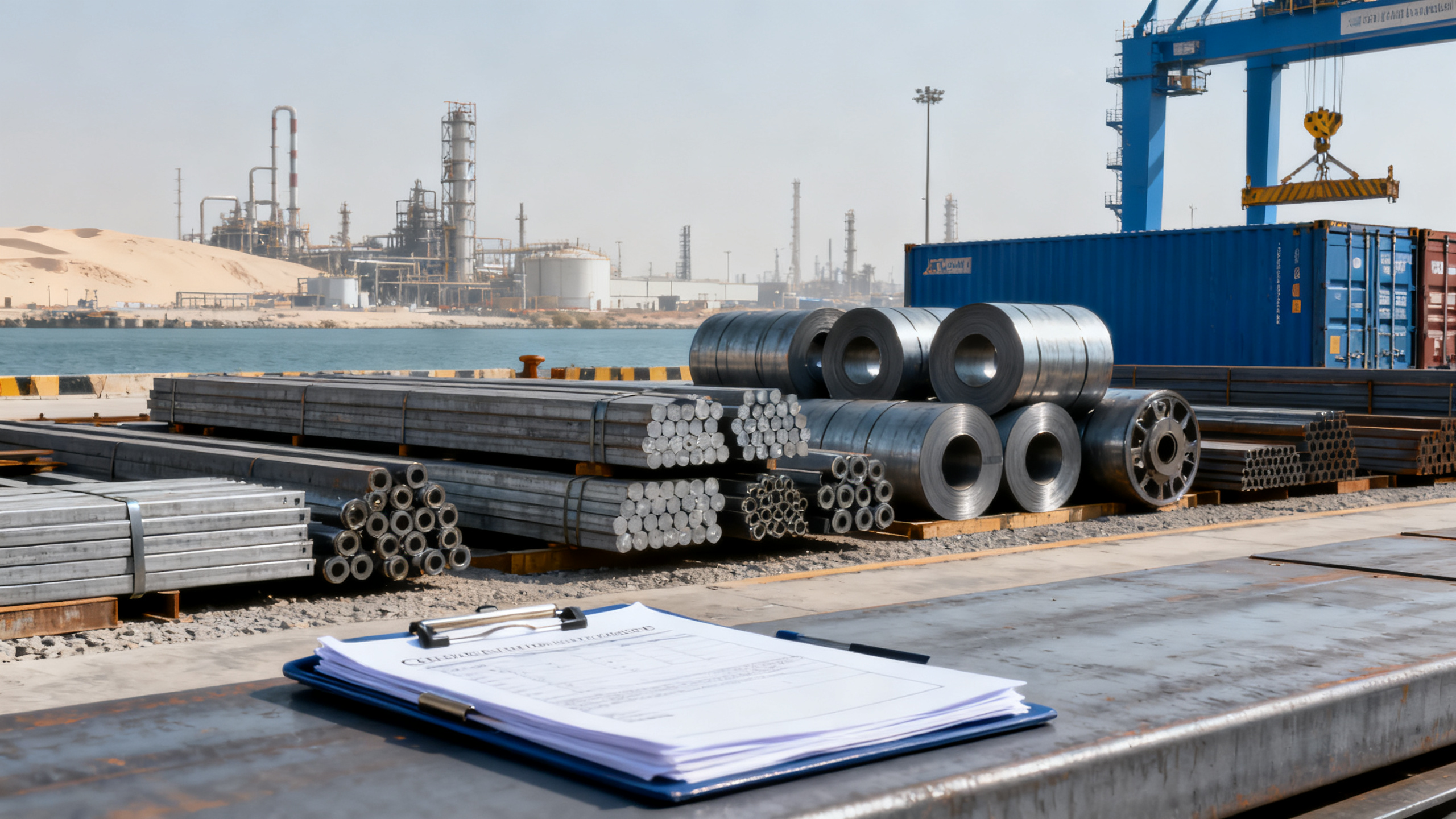
From January 1, 2027, a new compliance threshold will apply across six Middle East markets under a unified GCC green steel mutual recognition framework. The change matters not only to steel exporters, but also to suppliers of structural steel, bearing steel and corrosion-resistant alloy steel used in infrastructure, energy and industrial plant projects, because procurement, certification, shipping documentation and delivery readiness may now depend on whether required carbon and lifecycle evidence can be presented in the accepted form.
What the signed framework confirms
According to the information provided, the Gulf Standardization Organization (GSO), together with six countries including Saudi Arabia, the United Arab Emirates and Qatar, signed the GCC Green Steel Materials Mutual Recognition Agreement on June 24, 2026.
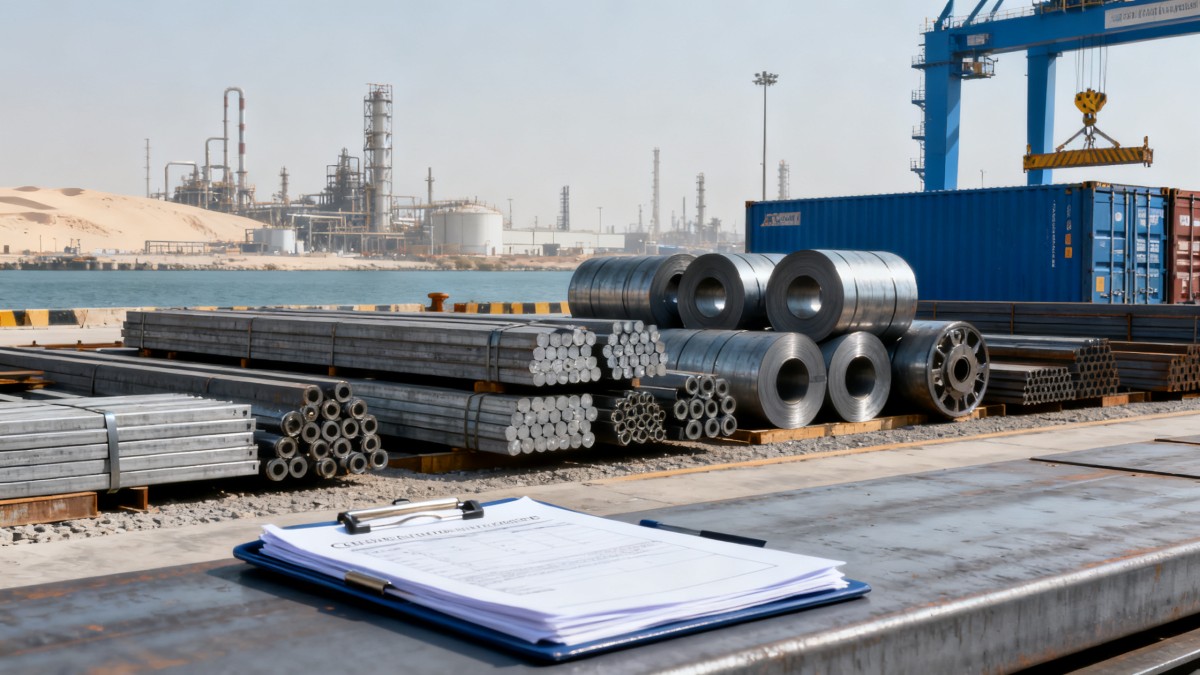
The agreement requires that from January 2027, all imported structural steel, bearing steel and corrosion-resistant alloy steel used in infrastructure, energy and industrial plant applications must be accompanied by an LCA (life cycle assessment) report issued by a GSO-authorized laboratory and a verification certificate showing carbon intensity of no more than 1.8 tCO₂e per ton of steel.
The provided information also states that Chinese steel exporters and downstream mechanical component exporters need to engage in advance with domestic LCA service providers recognized by GSO.
Where the rule change may be felt first
Export transactions tied to project delivery
From an industry perspective, exporters shipping covered steel products into the six markets may be affected first because the rule is framed as an import requirement for materials used in project-based sectors. The practical pressure point is likely to sit at the interface between sales contracts, shipment documents and customer acceptance, where proof of compliant LCA reporting and carbon-intensity verification may become a prerequisite for customs, project qualification or buyer review.
Manufacturers supplying steel-intensive components
Analysis shows that companies producing downstream mechanical parts, especially where bearing steel or corrosion-resistant alloy steel is part of the delivered product or technical file, may need to review whether their material inputs can be traced back to the required certification path. The impact is not limited to primary steel mills; it can extend to processors and component makers whose exports depend on embedded steel grades that fall within the stated scope.
Procurement and sourcing teams under tighter material checks
What deserves closer attention is the procurement side. Buyers and sourcing teams serving GCC-bound orders may need to verify supplier qualification earlier in the purchasing cycle, because the new framework links product eligibility to both environmental documentation and a defined carbon threshold. This can affect supplier selection, lead-time planning, material substitution decisions and technical bid alignment for projects in infrastructure, energy and industrial plants.
Testing and certification service links becoming more visible
Observably, the rule also increases the importance of the documentation and verification chain itself. Since the requirement refers specifically to LCA reports issued by GSO-authorized laboratories, exporters and their service partners may need to pay closer attention to whether testing, verification and supporting files are prepared through accepted channels rather than relying only on general internal sustainability statements.
What companies should review before the effective date
Check whether products fall within the covered use cases
Companies should first determine whether their exported structural steel, bearing steel or corrosion-resistant alloy steel is supplied into infrastructure, energy or industrial plant applications covered by the new requirement. This is a practical scoping question, because compliance exposure depends not only on product type but also on declared end use in the destination market.
Prepare the required evidence chain early
Analysis shows that document readiness may become as important as production readiness. Firms should closely review how LCA reports, carbon-intensity verification certificates and related technical documents are generated, matched to shipment lots and presented to customers or project owners. The provided information specifically points to the need for Chinese exporters to connect early with domestic LCA service institutions recognized by GSO.
Watch contract terms and tender wording
Where project procurement is involved, companies may need to monitor whether bidding documents, purchase specifications and delivery clauses begin to reference the new green steel requirements in more explicit language. Since the input does not provide detailed enforcement procedures, it is more appropriate to treat this as an area requiring continued review rather than assuming a single uniform operating practice across all transactions from day one.
Reassess lead times and supplier qualification risk
What deserves closer attention is whether compliance review introduces additional time into sourcing and shipment preparation. If accepted LCA and verification documents must be secured before dispatch or project acceptance, supplier qualification, batch traceability and delivery scheduling may need to be adjusted to reduce the risk of document-related delays.
Why this looks like an execution signal, not just a policy headline
Observably, this development is more than a general sustainability statement because the provided information includes a signed agreement, a defined implementation date and concrete documentary requirements tied to import eligibility for specified steel categories. At the same time, analysis shows that the market still needs to watch how the framework is interpreted in tender files, buyer review processes and certification practice, especially for downstream products that incorporate covered steel materials rather than shipping as raw steel alone.
How this development is best understood now
At this stage, it is more appropriate to understand the news as a rule with a confirmed compliance direction and a clear effective date, but with execution details still worth tracking. For exporters, manufacturers and procurement teams, the immediate significance lies in treating carbon-intensity verification and LCA documentation as a potential market-access condition for relevant GCC-bound business rather than as a secondary ESG disclosure issue.
Basis of this article and points still to verify
This article is generated from the user-provided news title, implementation date and event summary. For events of this type, market participants usually also monitor source categories such as official announcements, regulator releases, customs or trade authority notices, industry association updates, standard-setting organization documents and reporting by established trade media.
No specific official source link was provided in the input, so the exact official publication path still needs to be verified on an ongoing basis. Analysis shows that companies should continue watching for further detail on certification interpretation, enforcement practice, tender document changes, market feedback and the actual implementation status among exporters and service providers.
Technical Specifications
- Air Handling Unit Supplier Checklist: Performance Data, Lead Times, and SupportAuthor :Environmental Engineering Director
- Buying Fiberglass Water Tanks Wholesale: Compare Quotes and Delivery CostsAuthor :Environmental Engineering Director
- Choosing an XLPE Power Cable Supplier: Test Reports, Traceability, and Lead TimesAuthor :Grid Infrastructure Analyst
Expert Insights

Chief Security Architect
Dr. Thorne specializes in the intersection of structural engineering and digital resilience. He has advised three G7 governments on industrial infrastructure security.
Related Analysis
- Oct 19, 2026Air Handling Unit Supplier Checklist: Performance Data, Lead Times, and SupportAuthor :Environmental Engineering Director
- Oct 18, 2026Buying Fiberglass Water Tanks Wholesale: Compare Quotes and Delivery CostsAuthor :Environmental Engineering Director
- Oct 17, 2026Choosing an XLPE Power Cable Supplier: Test Reports, Traceability, and Lead TimesAuthor :Grid Infrastructure Analyst
Core Sector // 01
Security & Safety
- How to Specify Steel Heavy-Duty Corner Guards for Loading Bays and High-Traffic AreasAuthor :Heavy Industry Strategist

- Selecting Non-Ferrous Metal Plates for Corrosion, Weight, and Formability RequirementsAuthor :Heavy Industry Strategist

- Stainless Steel Welded Tube Applications: Matching Tube Supply to Fabrication NeedsAuthor :Heavy Industry Strategist

- What Maintenance Do Furnace Components Need After 18 Months?Author :Heavy Industry Strategist

- How to Assess Metal Materials for Thermal Cycling in Power BoilersAuthor :Heavy Industry Strategist

- How to Evaluate Aluminum Extrusion Suppliers for Tight-Tolerance Components?Author :Heavy Industry Strategist

- How to Evaluate a Weld Neck Flange Manufacturer for High-Pressure Pipe ProjectsAuthor :Heavy Industry Strategist

- EU REACH Ban Hits Cr(VI)-Coated Steel ImportsAuthor :Heavy Industry Strategist
-Coated Steel Imports")