UK Steel Import Controls Tighten From July
Author
Date Published
Reading Time
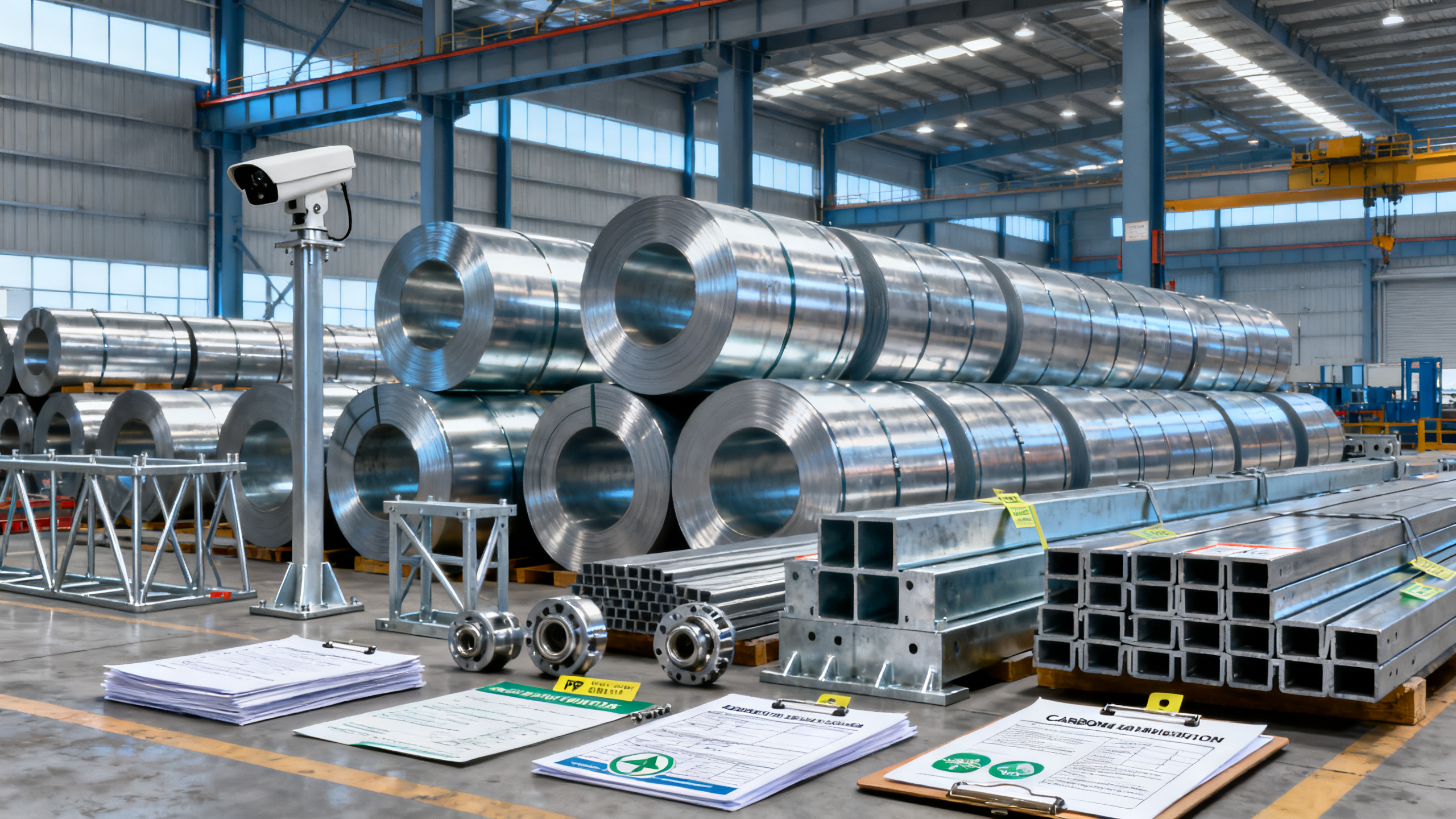
From July 1, 2026, the UK will implement revised steel import controls that reduce duty-free quotas and add stricter origin traceability and carbon-intensity declaration requirements for products such as hot-rolled coil, sections, and stainless steel structural components. For industrial supply chains linked to CCTV brackets, metal frames for PPE, load-bearing structures in Fire & Rescue equipment, and housings for Bearings & Seals, this is not only a raw-material trade change but also a compliance and delivery issue that may affect procurement planning, documentation readiness, and supplier qualification review.
What the new UK measure formally changes
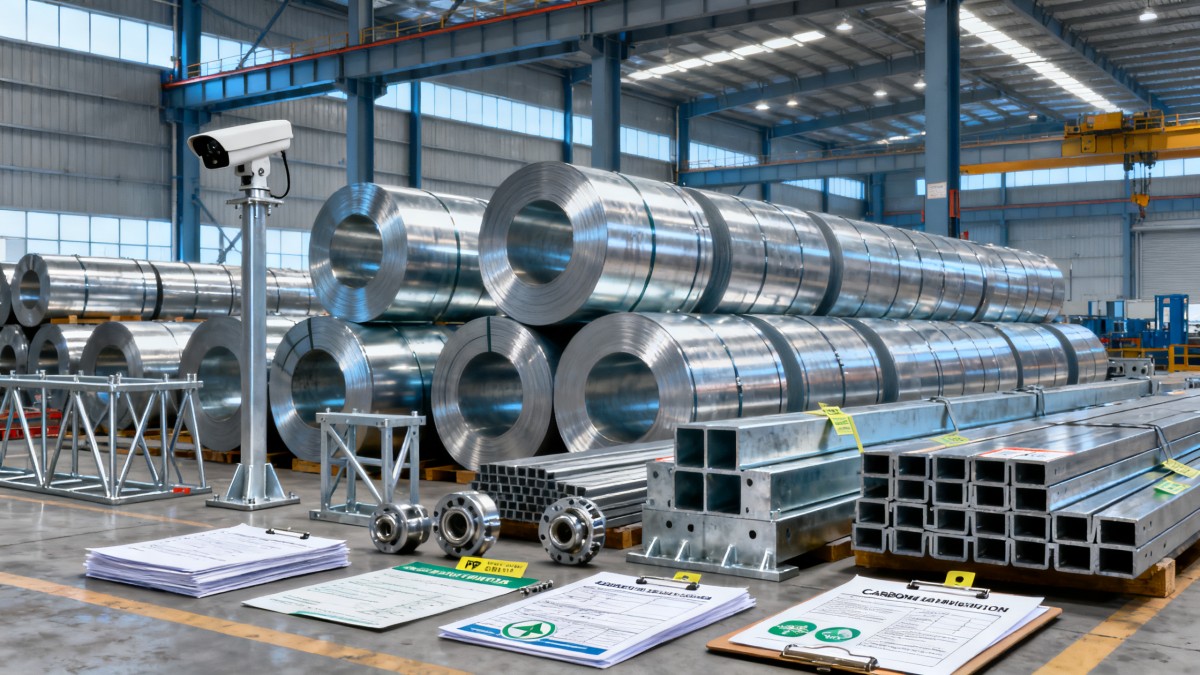
According to the provided event information, the UK government announced that the revised steel import control measures will take effect on 2026-07-01. The confirmed changes include a significant reduction in duty-free quotas and tighter origin-tracing and carbon-intensity declaration requirements for imported hot-rolled coil, sections, and stainless steel structural parts. The same input also states that the measure directly affects downstream industrial products that rely on imported steel, including CCTV supports, PPE metal skeletons, Fire & Rescue equipment load-bearing frames, and Bearings & Seals housings. In addition, Chinese suppliers are required to provide material carbon data packages certified under EN 15804 or ISO 14040.
Where pressure is likely to appear in the supply chain
Import-facing traders and export suppliers may face a documentation-first hurdle
From an industry perspective, companies directly involved in cross-border steel trade or in the export of steel-dependent finished goods are likely to feel the change first because the rule shift is tied not only to tariff treatment but also to origin traceability and carbon declarations. What deserves closer attention is whether product files, supplier statements, and material records are consistent enough to support customs, buyer, or compliance review without delaying shipment or order confirmation.
Manufacturers of structural industrial parts may see procurement and production planning tighten
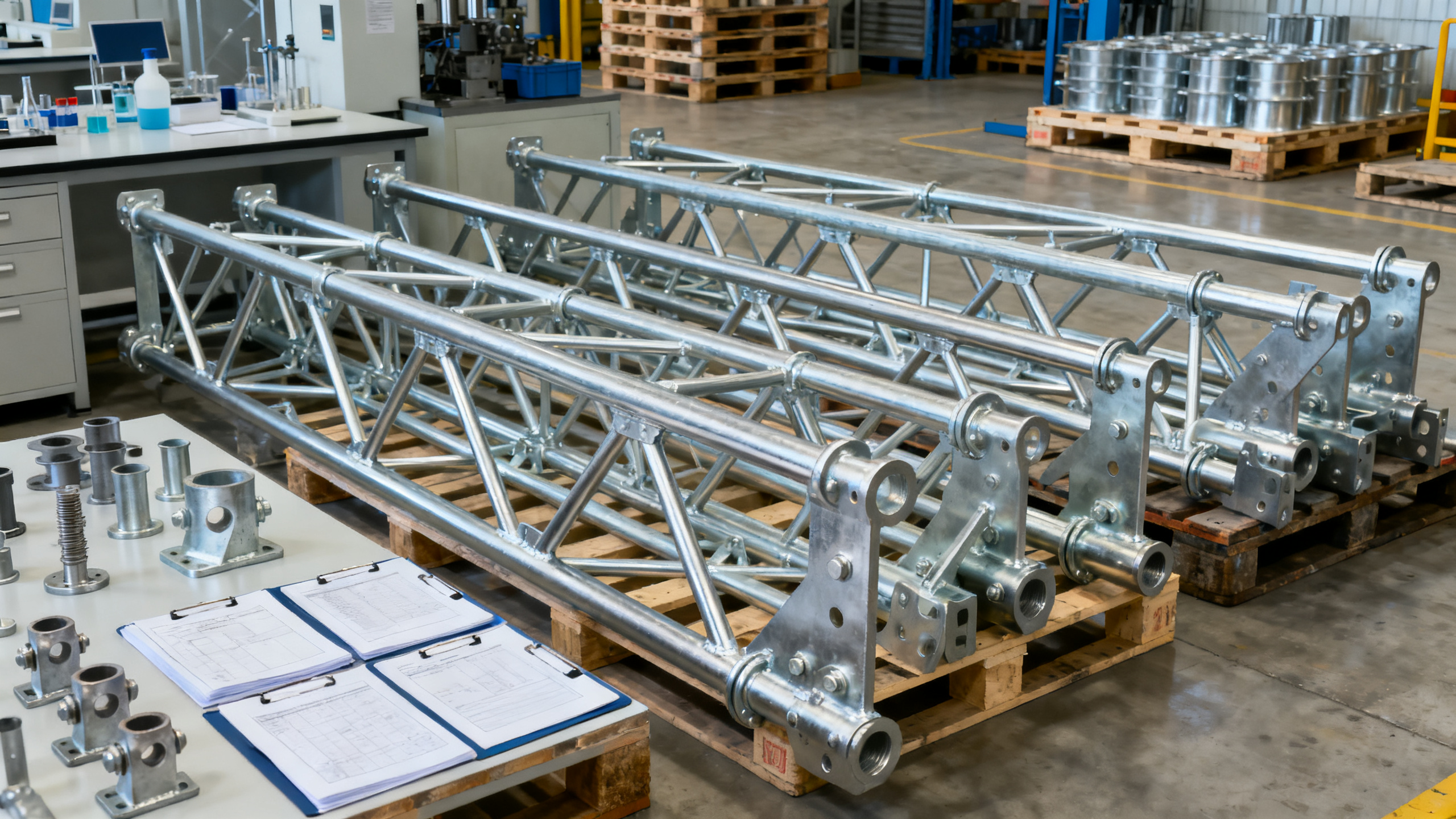
Analysis shows that manufacturers using imported steel in structural assemblies may need to reassess how material inputs are selected and documented. This matters especially for goods such as CCTV brackets, PPE metal frames, Fire & Rescue load-bearing assemblies, and Bearings & Seals housings, where the material chain is closely tied to finished-product delivery. The practical impact is likely to appear in purchasing schedules, supplier substitution decisions, bill-of-material verification, and technical file completeness.
Buyers and channel operators may need closer scrutiny of supplier qualification
Observably, procurement teams, distributors, and project-based buyers may need to pay more attention to whether upstream suppliers can provide traceable origin records and recognized carbon data packages. The issue is not only whether steel can be sourced, but whether the supporting compliance package is complete enough for tenders, purchase approvals, and customer-side audits. Where documents are incomplete, the risk may shift from price to qualification and lead time.
Certification and testing-related service providers may be drawn earlier into transactions
Analysis shows that the explicit reference to EN 15804 or ISO 14040 raises the importance of verifiable material carbon documentation. For companies involved in certification support, testing coordination, and technical dossier preparation, this may move their role upstream in the sales and shipment process. The immediate concern is less about expanding scope in theory and more about whether existing material evidence can meet buyer or import-side expectations in practice.
What companies should watch in current transactions
Check whether material origin records are complete
Companies shipping steel-reliant industrial products into the UK market should closely review how the origin of hot-rolled coil, sections, and stainless steel structural inputs is recorded across purchase, processing, and shipment files. Where the traceability chain is fragmented, later compliance review may become more difficult.
Prepare carbon documentation before order execution tightens
Because the provided information explicitly mentions EN 15804 or ISO 14040 certified carbon data packages for Chinese suppliers, exporters and manufacturers should pay attention to whether existing carbon-related material files are current, consistent, and acceptable to counterparties. As the input does not provide detailed enforcement procedures, it is more appropriate to treat this as a near-term document readiness issue rather than assume a single settled review standard.
Reassess procurement timing and supplier screening
From an operational perspective, reduced duty-free quotas may affect how companies time purchases and allocate material sources. Analysis shows that supplier screening may need to extend beyond price and specification into document responsiveness, certification support capability, and the ability to maintain traceability across batches and converted parts.
Watch tender and customer document requirements closely
Where finished products are supplied into structured procurement channels, companies should pay attention to whether bid documents, technical submissions, or customer qualification packages begin to reflect stricter wording on origin evidence and carbon declarations. The current information does not confirm how individual buyers will implement this, so this remains an area for active monitoring rather than a confirmed uniform practice.
Why this should be read as an execution signal
Observably, this development is more than a general policy statement because it comes with a clear effective date and specific compliance elements tied to origin and carbon reporting. At the same time, the available information does not yet define every operational detail of review, acceptance, or enforcement. It is therefore more appropriate to understand this as a rule implementation signal with immediate relevance for documentation and sourcing decisions, while also recognizing that the market will still need to watch how detailed compliance expectations are expressed in practice.
How the market may best interpret the change now
From an industry perspective, the main significance of this event is that imported steel is being assessed not only through trade access conditions but also through traceability and carbon-information readiness. For businesses tied to industrial structural components and metal protective equipment, the most rational reading at this stage is not to assume a fully settled end-state, but to recognize that compliance preparation, supplier documentation, and procurement coordination now deserve earlier attention in UK-related transactions.
Basis of this article and what still needs verification
This article is generated from the user-provided news title, event date, and event summary. For developments of this type, relevant source categories usually include official government notices, regulator releases, customs or trade authority information, industry association updates, standards documentation, and reporting by established media. No specific official source link was provided in the input, so the underlying official publication path still needs to be verified on an ongoing basis. Further observation is also needed on policy detail, certification interpretation, tender-document changes, market feedback, and how companies implement the requirements in actual transactions.
Technical Specifications
- Selecting High-Temperature Gaskets for Steam, Flanges, and Thermal CyclingAuthor :Heavy Industry Strategist
- How to Select an Emissions Monitoring System Analyzer for Compliance ReportingAuthor :Precision Metrology Expert
- How to Select an Access Control Management System for Multi-Site FacilitiesAuthor :Safety Compliance Lead
Expert Insights

Chief Security Architect
Dr. Thorne specializes in the intersection of structural engineering and digital resilience. He has advised three G7 governments on industrial infrastructure security.
Related Analysis
- Sep 22, 2026Selecting High-Temperature Gaskets for Steam, Flanges, and Thermal CyclingAuthor :Heavy Industry Strategist
- Sep 21, 2026How to Select an Emissions Monitoring System Analyzer for Compliance ReportingAuthor :Precision Metrology Expert
- Sep 20, 2026How to Select an Access Control Management System for Multi-Site FacilitiesAuthor :Safety Compliance Lead
Core Sector // 01
Security & Safety
- Stainless Steel Welded Tube Applications: Matching Tube Supply to Fabrication NeedsAuthor :Heavy Industry Strategist

- What Maintenance Do Furnace Components Need After 18 Months?Author :Heavy Industry Strategist

- How to Assess Metal Materials for Thermal Cycling in Power BoilersAuthor :Heavy Industry Strategist

- How to Evaluate Aluminum Extrusion Suppliers for Tight-Tolerance Components?Author :Heavy Industry Strategist

- How to Evaluate a Weld Neck Flange Manufacturer for High-Pressure Pipe ProjectsAuthor :Heavy Industry Strategist

- EU REACH Ban Hits Cr(VI)-Coated Steel ImportsAuthor :Heavy Industry Strategist
-Coated Steel Imports")
- How to Evaluate a Heat Sink Aluminum Profile Supplier for Custom Thermal ProjectsAuthor :Heavy Industry Strategist

- Industrial Metal Fabrication Components Price: What Drives Cost and How to Compare QuotesAuthor :Heavy Industry Strategist