China Imposes Tiered Licensing on Steel Exports
Author
Date Published
Reading Time
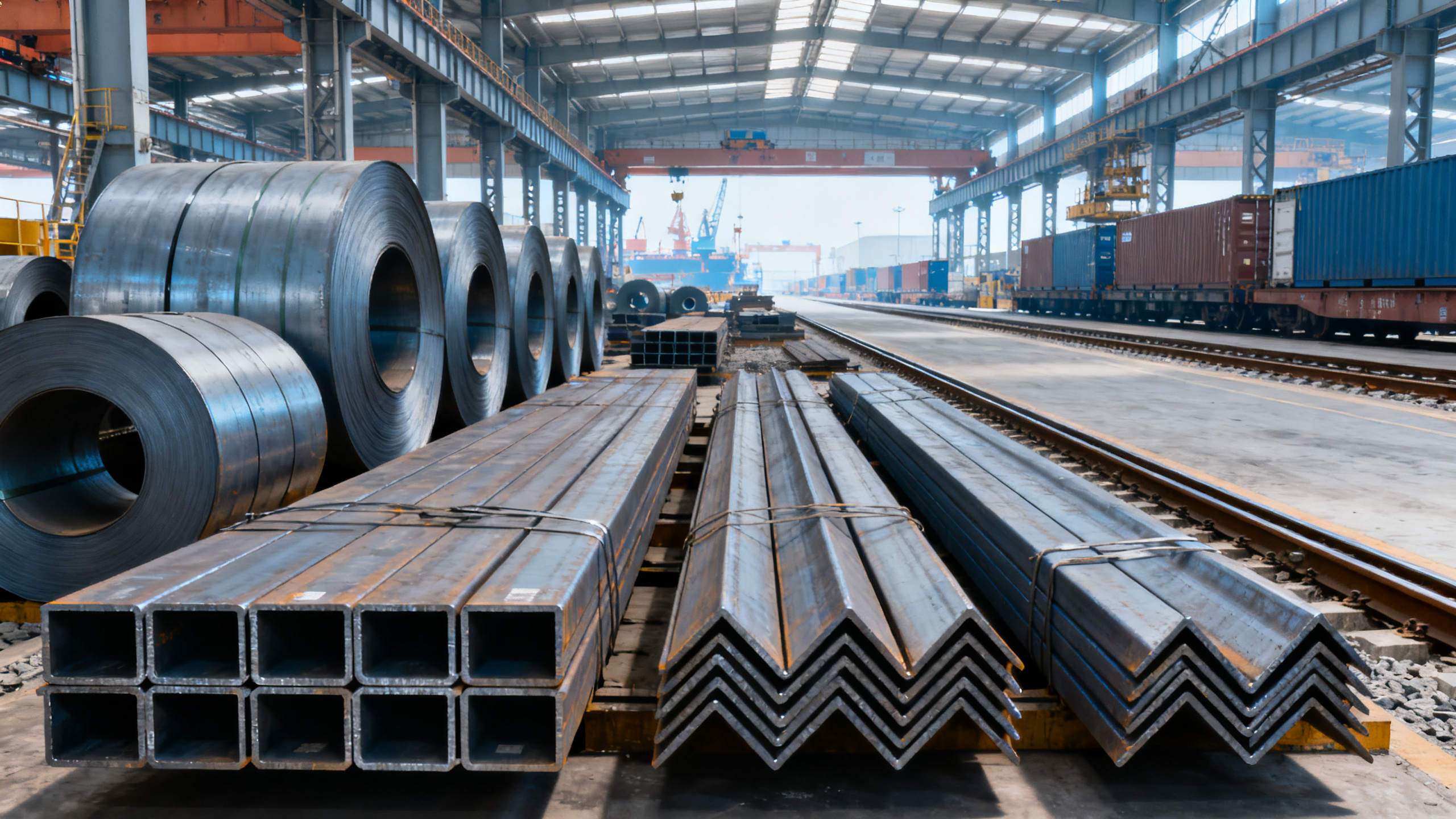
On 26 June 2026, MIIT and MOFCOM announced a revised export licensing arrangement for selected steel and metal profile products, with the new system taking effect on 1 July 2026. The change covers products such as hot-rolled coils, H-beams, and angle steels, and it matters most to exporters, downstream manufacturers, procurement teams, and supply chain service providers because licensing priority will now depend on energy efficiency ratings and declared end-use, while applications that do not fit clear classifications may face delays.
What the New Licensing Rule Confirms
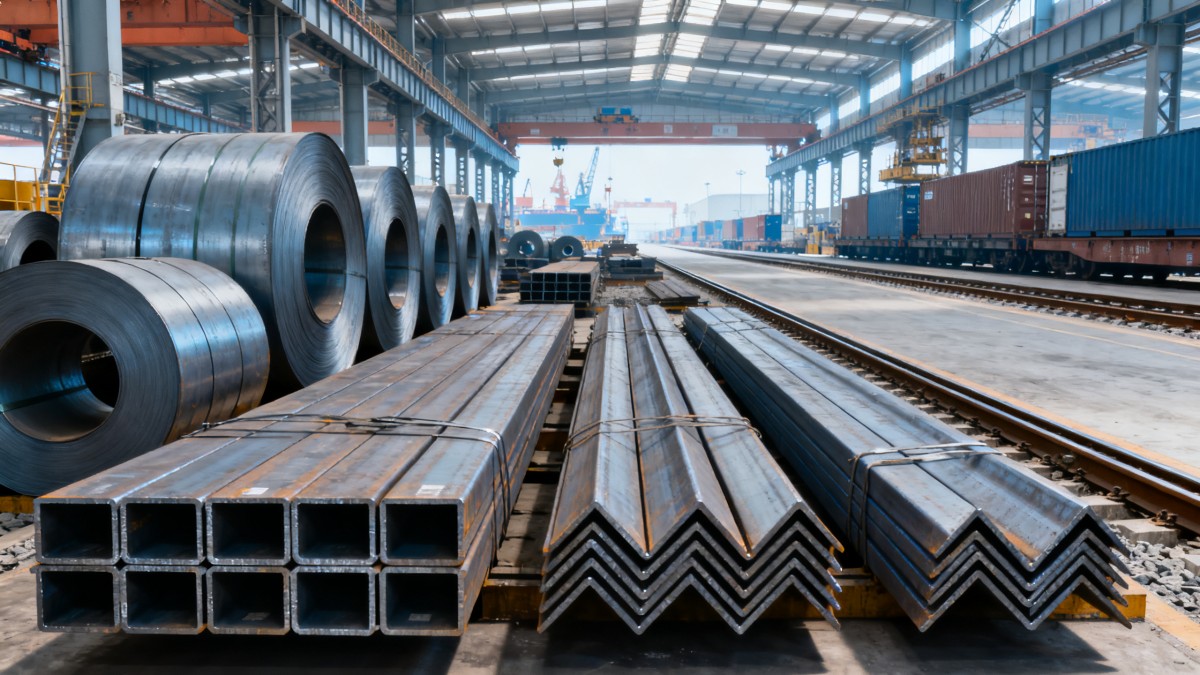
The confirmed change is that exports of certain Steel & Metal Profiles will move under a tiered licensing framework jointly announced by MIIT and MOFCOM. The products specifically mentioned include hot-rolled coils, H-beams, and angle steels.
Under this arrangement, exporters are required to apply for either a Category A license, described as priority, or a Category B license, described as restricted. The basis for that distinction is the exporter's energy efficiency rating and the downstream application of the exported products, with infrastructure and general fabrication cited as examples of different end-use categories.
The announcement also indicates that delays are expected for applications that remain unclassified. The effective date given for the new arrangement is 1 July 2026.
Where the Immediate Pressure Points May Appear
Export transactions may slow first at the application stage
From an industry perspective, direct exporters are the first group likely to feel the operational effect. Their exposure is tied to how quickly license applications can be matched to the correct category and how clearly they can present product and end-use information. What deserves closer attention is the risk that shipment timing could become less predictable where classification is unclear.
Downstream buyers may need tighter product-use documentation
For procurement teams and downstream manufacturers, the issue is not only product availability but also how the intended application is described in supporting paperwork. Because the licensing distinction refers to downstream application, buyers involved in infrastructure-related demand and those purchasing for general fabrication may need to monitor whether documentation requirements or review expectations differ in practice.
Processors and distributors may face scheduling friction
Companies handling processing, stockholding, or channel distribution may be affected through order scheduling and delivery coordination rather than through licensing itself. Analysis shows that any delay for unclassified applications could flow into production planning, loading windows, and customer delivery commitments, especially where the export item sits between mill output and final project use.
Service providers will need clearer compliance coordination
Freight forwarders, trade service firms, and other supply chain intermediaries may need to pay closer attention to document completeness and classification consistency. Their practical concern is whether cargo readiness, customs timing, and contract milestones remain aligned once licensing review becomes more differentiated.
What Companies Should Watch in the Next Few Weeks
How Category A and B are applied in real cases
The policy announcement sets out the basic framework, but companies should closely monitor how the Category A and Category B distinction is interpreted in actual applications. The most important practical question is whether product and end-use descriptions are sufficient to avoid being treated as unclassified.
Whether internal product and customer mapping is adequate
Exporters and trading teams should review whether their current product files, customer declarations, and order records clearly connect covered items to the stated downstream application. Analysis shows that weak linkage between product specification and end-use could become a source of delay even before any shipment moves.
How delivery commitments are communicated
Where shipments involve hot-rolled coils, H-beams, or angle steels, sales and account teams should pay attention to contract timing and customer communication. If an application may fall into an unclear category, lead-time discussions should reflect that uncertainty rather than assume routine processing.
Whether supplier and document readiness matches the new rule
Companies relying on upstream suppliers or external trade service support should check whether the necessary energy efficiency and application-related documentation can be assembled in a consistent form. What deserves closer attention is not only eligibility, but also whether the supporting materials are organized well enough for timely submission.
Why This Looks Like More Than a One-Day Procedure Change
Observably, this announcement should not be read only as a narrow administrative update. It links export licensing treatment to energy efficiency ratings and downstream application, which suggests that product movement, compliance review, and end-use positioning are being brought closer together in export management for the covered steel products.
At the same time, it would be premature to treat this as a fully settled market outcome. The summary provided confirms the framework and the effective date, but it also points to likely delays for unclassified applications. That means the near-term impact will depend heavily on how classifications are handled in practice after 1 July.
How the Industry May Best Read the Signal for Now
At this stage, it is more appropriate to understand the change as an immediate procedural shift with broader policy signaling value. In the short term, the main issue is execution: licensing category, document clarity, and shipment timing. In the longer view, the linkage between export treatment, energy efficiency, and end-use is the part that merits continued monitoring. The current information supports caution and close follow-up, rather than firm conclusions about final trade outcomes.
Basis of This Article and What Still Needs Verification
This article is based on the user-provided news title, event date, and event summary concerning the 26 June 2026 announcement on tiered export licensing for selected steel and metal profile products. For this type of industry update, relevant source types often include official notices, company disclosures, industry association releases, authoritative media reporting, and standard-setting or regulatory documents.
No specific official source link was provided in the input, so the exact official publication path remains to be verified on an ongoing basis. Follow-up attention should focus on any further official wording, clarifications on classification standards, and practical handling of applications that are not clearly categorized.
Technical Specifications
- Air Handling Unit Supplier Checklist: Performance Data, Lead Times, and SupportAuthor :Environmental Engineering Director
- Buying Fiberglass Water Tanks Wholesale: Compare Quotes and Delivery CostsAuthor :Environmental Engineering Director
- Choosing an XLPE Power Cable Supplier: Test Reports, Traceability, and Lead TimesAuthor :Grid Infrastructure Analyst
Expert Insights

Chief Security Architect
Dr. Thorne specializes in the intersection of structural engineering and digital resilience. He has advised three G7 governments on industrial infrastructure security.
Related Analysis
- Oct 19, 2026Air Handling Unit Supplier Checklist: Performance Data, Lead Times, and SupportAuthor :Environmental Engineering Director
- Oct 18, 2026Buying Fiberglass Water Tanks Wholesale: Compare Quotes and Delivery CostsAuthor :Environmental Engineering Director
- Oct 17, 2026Choosing an XLPE Power Cable Supplier: Test Reports, Traceability, and Lead TimesAuthor :Grid Infrastructure Analyst
Core Sector // 01
Security & Safety
- How to Specify Steel Heavy-Duty Corner Guards for Loading Bays and High-Traffic AreasAuthor :Heavy Industry Strategist

- Selecting Non-Ferrous Metal Plates for Corrosion, Weight, and Formability RequirementsAuthor :Heavy Industry Strategist

- Stainless Steel Welded Tube Applications: Matching Tube Supply to Fabrication NeedsAuthor :Heavy Industry Strategist

- What Maintenance Do Furnace Components Need After 18 Months?Author :Heavy Industry Strategist

- How to Assess Metal Materials for Thermal Cycling in Power BoilersAuthor :Heavy Industry Strategist

- How to Evaluate Aluminum Extrusion Suppliers for Tight-Tolerance Components?Author :Heavy Industry Strategist

- How to Evaluate a Weld Neck Flange Manufacturer for High-Pressure Pipe ProjectsAuthor :Heavy Industry Strategist

- EU REACH Ban Hits Cr(VI)-Coated Steel ImportsAuthor :Heavy Industry Strategist
-Coated Steel Imports")