MIIT Opens Green Fast-Track for Water Treatment Exports
Author
Date Published
Reading Time
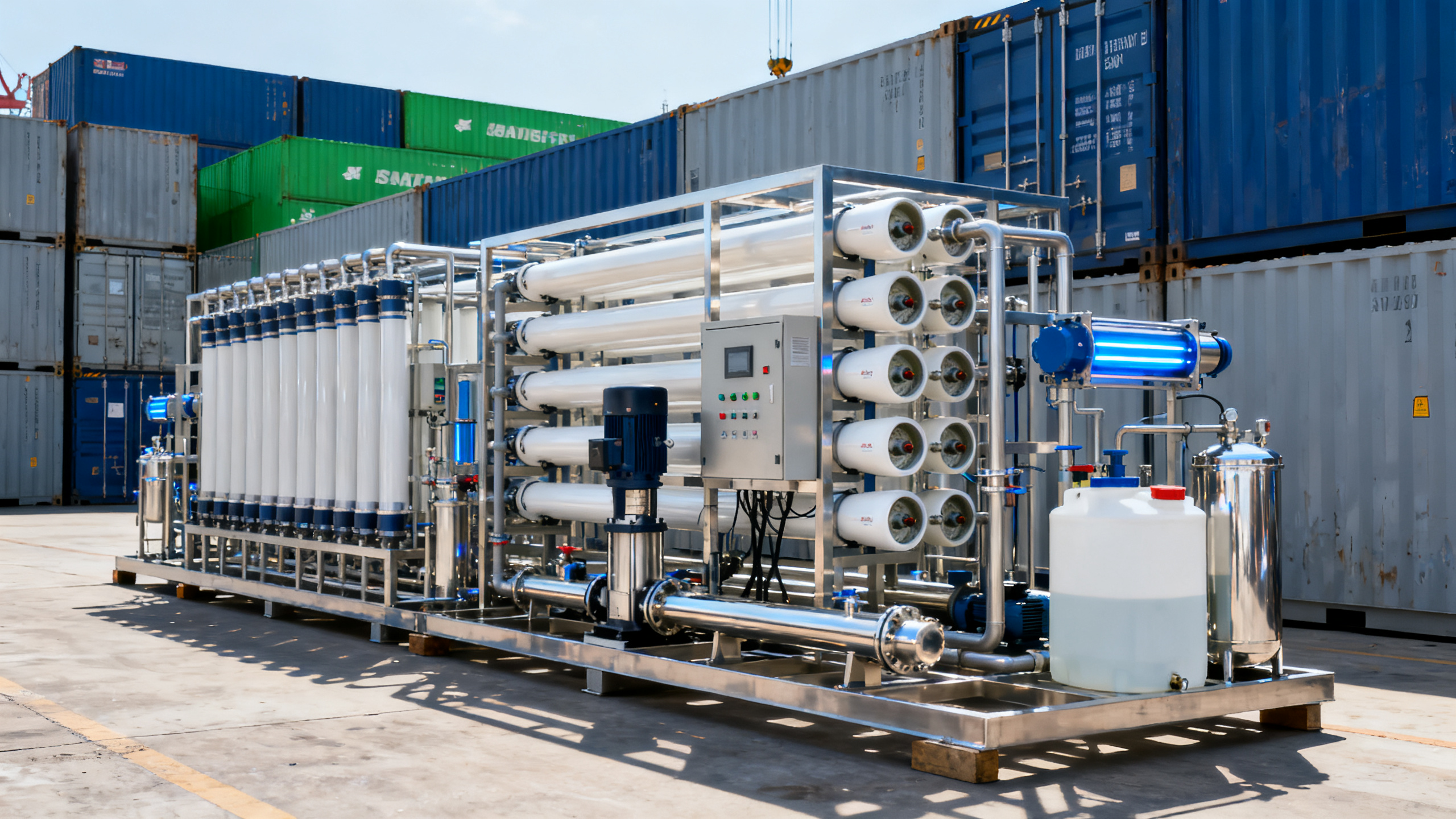
On 27 June 2026, China’s Ministry of Industry and Information Technology (MIIT) introduced a pilot Green Certification Fast-Track for exporters of industrial water treatment equipment. The move combines an accelerated environmental conformity assessment route tied to GB/T 32150–2025 and ISO 14040 with trade-related benefits such as priority customs clearance, lower inspection frequency, and access to preferential financing through China Exim Bank. For manufacturers, exporters, certification-related service providers, and overseas project suppliers, the development is worth close attention because it links environmental compliance more directly with export execution and market access in regions where green requirements are becoming more relevant to public tender participation.
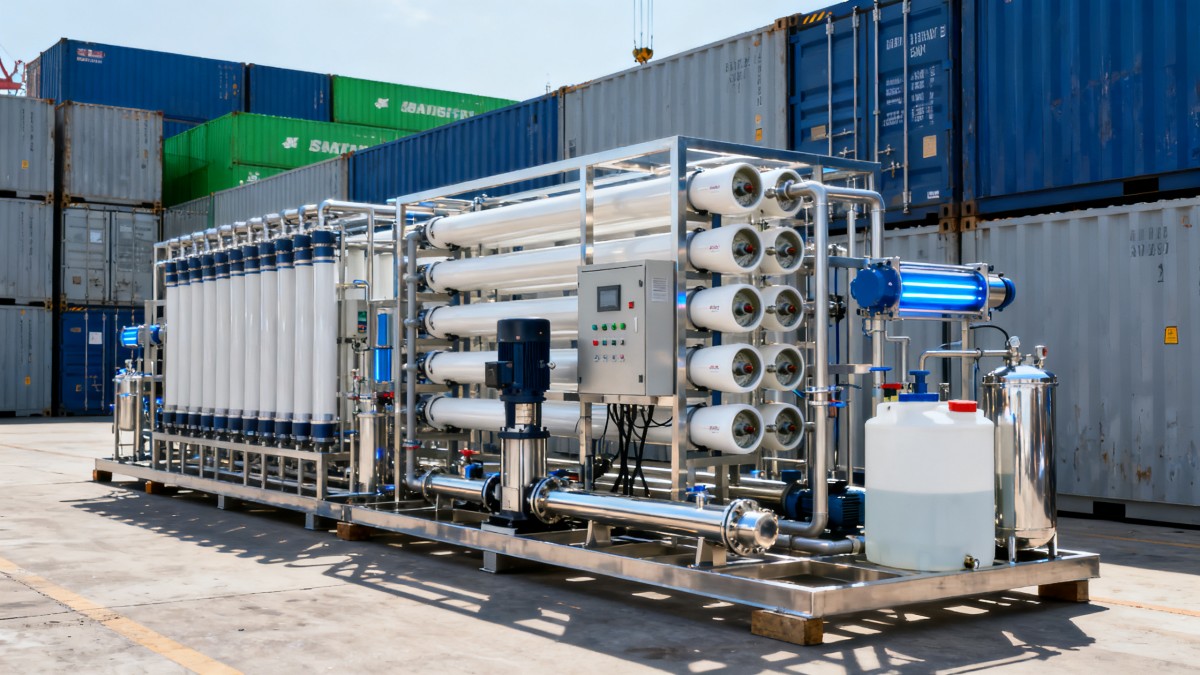
What the pilot program confirms
According to the information provided, the pilot program was launched by MIIT on 27 June 2026 and applies to exporters of industrial water treatment equipment. The covered equipment categories include membrane filtration systems, UV disinfection systems, and chemical dosing systems. The program offers an expedited environmental conformity assessment process based on GB/T 32150–2025 and ISO 14040.
Approved applicants are stated to receive three specific forms of support: priority customs clearance, reduced inspection frequency, and eligibility for preferential financing via China Exim Bank. The program is aimed at ASEAN, Middle East, and African markets, where green compliance is increasingly connected to eligibility in public tender processes.
Where the immediate pressure points may appear
Export execution may become more documentation-sensitive
From an industry perspective, exporters are likely to feel the change first because the pilot does not only concern certification timing; it also affects customs handling, inspection frequency, and financing access once an applicant is approved. That means environmental conformity materials may become more closely tied to shipment planning, customs preparation, and bidding support documents. What deserves closer attention is whether exporters already have technical files, product descriptions, and conformity materials organized in a way that supports faster review under the stated standards.
Manufacturing and engineering teams may need earlier compliance alignment
For equipment manufacturers and system integrators, the impact may show up upstream rather than only at the export stage. Analysis shows that when environmental conformity assessment is accelerated, product configuration, component selection, and technical documentation often need to be ready earlier in the delivery cycle. For covered categories such as membrane filtration, UV disinfection, and chemical dosing systems, companies may need to pay closer attention to whether product-level records and lifecycle-related documentation can be presented consistently against GB/T 32150–2025 and ISO 14040 requirements. The confirmed information does not provide operational detail, so this remains a compliance preparation issue to monitor rather than a concluded execution rule.
Procurement and project bidding teams may face a new pre-bid filter
The program’s focus on markets where green compliance is increasingly tied to public tender eligibility suggests that procurement-facing teams may also be affected. Observably, companies participating in public projects in ASEAN, Middle East, and African markets may need to watch for tender documents, qualification checklists, and technical bid requirements that place greater weight on environmental conformity evidence. The key practical issue is not that all bids have already changed, but that certification status and related supporting files may increasingly influence whether an exporter can respond quickly and credibly to project opportunities.
Certification and trade service providers may see demand shift toward integrated support
Certification-related firms, testing bodies, customs service providers, and export finance support teams may also be affected because the program combines conformity assessment, customs treatment, inspection frequency, and financing eligibility in one policy signal. Analysis shows that this kind of arrangement can increase demand for coordinated handling of compliance records, application materials, shipment documentation, and financing support files. The available facts do not describe the exact workflow, so the market should treat this as an area for observation rather than an established service model.
Practical issues companies should now track
Check readiness against the named standards
Companies within the covered product scope should first confirm whether their existing environmental compliance materials can be matched clearly to GB/T 32150–2025 and ISO 14040. The current information confirms the standards basis of the fast-track, but it does not define application depth, review thresholds, or document format. That makes internal gap checking a reasonable immediate step.
Watch how approval status connects to export operations
Because approved applicants may obtain priority customs clearance and reduced inspection frequency, exporters should closely follow how approval status is recognized in practice during customs and shipment processing. What deserves closer attention is whether internal export teams, brokers, and logistics partners can identify the required proof of approval without delaying dispatch or handover.
Prepare for tender-facing use of compliance materials
In the target markets named in the summary, green compliance is described as increasingly linked to public tender eligibility. Companies serving project-driven buyers should therefore review whether their product dossiers, technical submissions, and supporting certification materials are ready for inclusion in bid packages. This is not yet proof of uniform tender rule changes across all markets, but it is a practical signal to review bid preparation discipline.
Follow financing and delivery planning together
The stated eligibility for preferential financing via China Exim Bank means finance, sales, and delivery teams may need to coordinate more closely. Analysis shows that if financing access becomes linked to approved participation in the pilot, companies may need to align certification timing with quotation validity, procurement timing, and shipment milestones. The exact financing conditions are not provided in the input, so this point should be treated as a planning watch item rather than a settled operating rule.
Why this reads more as an execution signal than a complete rulebook
Analysis shows that the announcement is significant less because it introduces a broad environmental slogan and more because it links green conformity assessment to operational export advantages. Priority customs clearance, lower inspection frequency, and financing eligibility make the policy relevant to real transaction flow. At the same time, it is more appropriate to understand this as an execution signal under a pilot framework rather than as a fully detailed, final compliance regime. The provided information does not set out application procedures, review timelines, approval thresholds, or market-specific tender consequences, so follow-up observation remains necessary.
How the market may best interpret the move for now
At this stage, the most reasonable reading is that MIIT is signaling a closer connection between environmental conformity and export competitiveness for industrial water treatment equipment. For companies active in membrane filtration, UV disinfection, and chemical dosing systems, the immediate relevance lies in certification readiness, document control, tender support, and shipment planning rather than in assumptions of automatic commercial gain. Current industry attention should stay on how the pilot is implemented, how approval is used in trade practice, and whether buyers and tender authorities begin to place more visible weight on these green compliance credentials.
Basis of this article and what still needs verification
This article is based on the user-provided news title, event date, and event summary. For developments of this type, the most relevant source categories would usually include official ministry announcements, regulator releases, customs or trade authority information, industry association updates, standards organization documents, and reporting by authoritative media. A specific official source link was not provided in the input, so the underlying announcement text and any later implementation notices still need to be checked on an ongoing basis.
Further observation should focus on any detailed policy guidance, the practical interpretation of the certification pathway, the way approval status is recognized in customs and inspection processes, changes in tender documentation in the named export markets, and market feedback from companies attempting to use the pilot in actual export transactions.
Technical Specifications
- Air Handling Unit Supplier Checklist: Performance Data, Lead Times, and SupportAuthor :Environmental Engineering Director
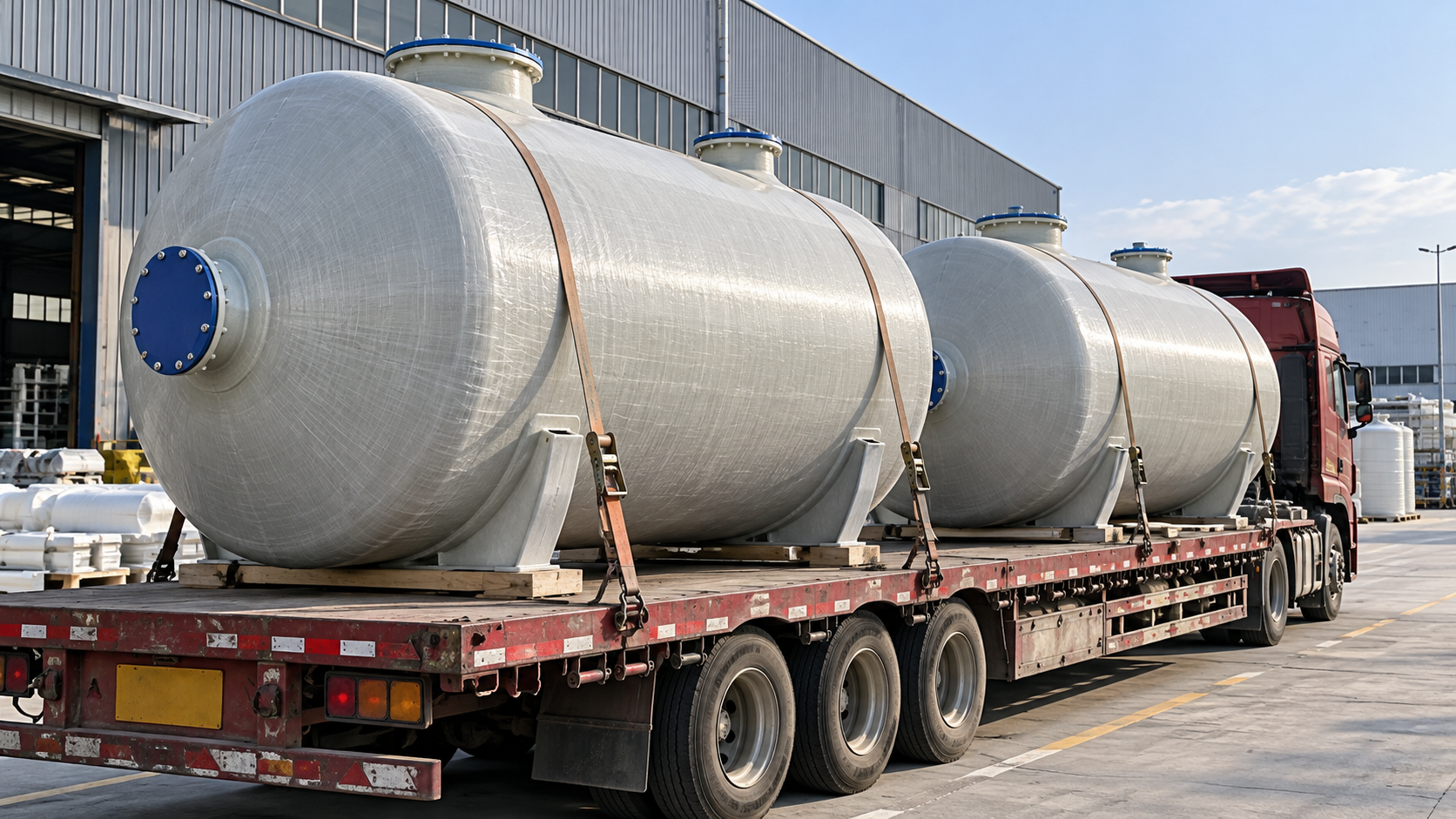
- Buying Fiberglass Water Tanks Wholesale: Compare Quotes and Delivery CostsAuthor :Environmental Engineering Director
- Choosing an XLPE Power Cable Supplier: Test Reports, Traceability, and Lead TimesAuthor :Grid Infrastructure Analyst
Expert Insights

Chief Security Architect
Dr. Thorne specializes in the intersection of structural engineering and digital resilience. He has advised three G7 governments on industrial infrastructure security.
Related Analysis
- Oct 19, 2026Air Handling Unit Supplier Checklist: Performance Data, Lead Times, and SupportAuthor :Environmental Engineering Director
- Oct 18, 2026Buying Fiberglass Water Tanks Wholesale: Compare Quotes and Delivery CostsAuthor :Environmental Engineering Director
- Oct 17, 2026Choosing an XLPE Power Cable Supplier: Test Reports, Traceability, and Lead TimesAuthor :Grid Infrastructure Analyst
Core Sector // 01
Security & Safety
- Buying Fiberglass Water Tanks Wholesale: Compare Quotes and Delivery CostsAuthor :Environmental Engineering Director

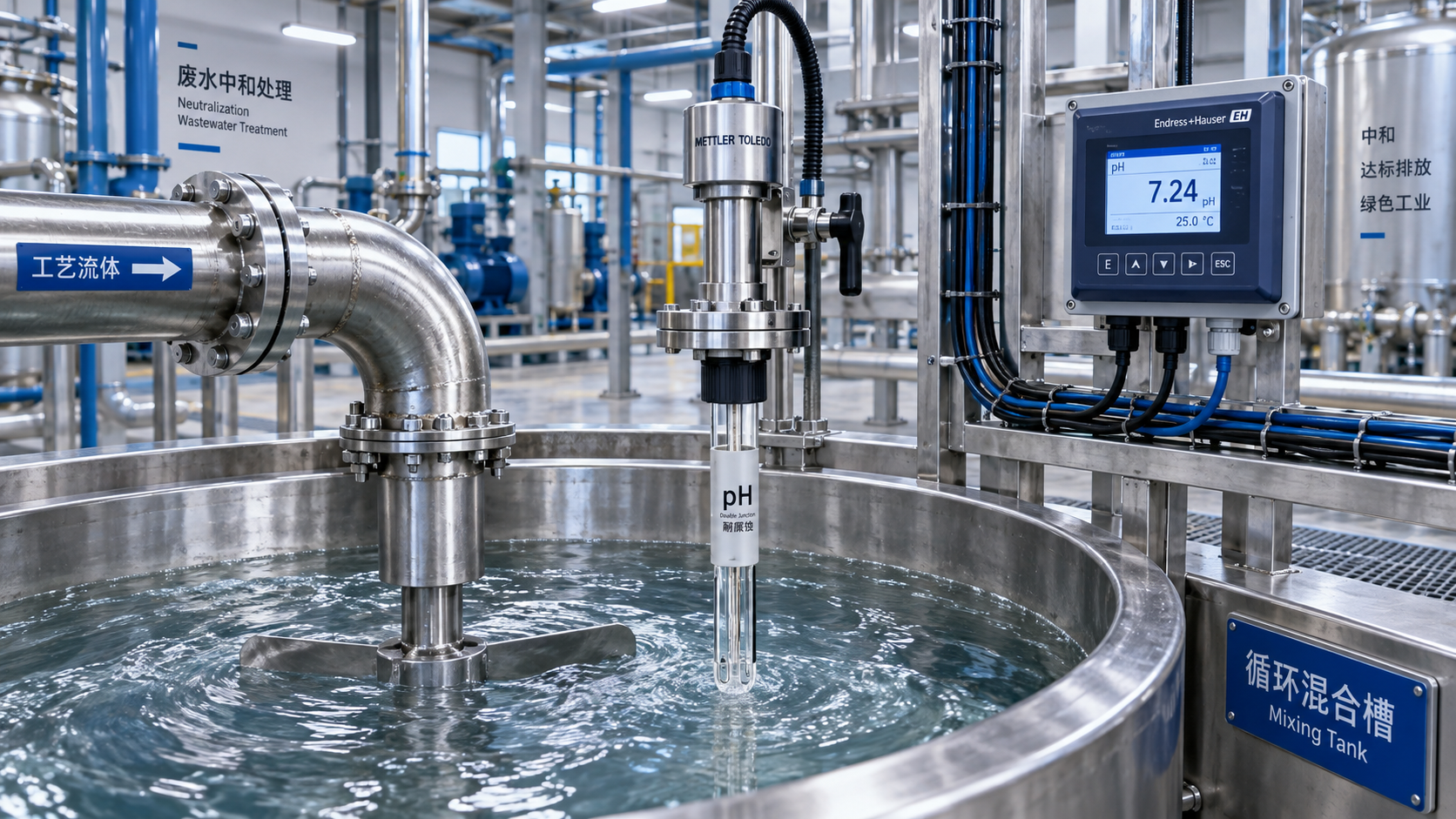
- How to Select Industrial pH Meters for Continuous Wastewater Process ControlAuthor :Environmental Engineering Director

- How to Size a Rinse Fill Cap Machine for Your Bottle Format and Target OutputAuthor :Environmental Engineering Director

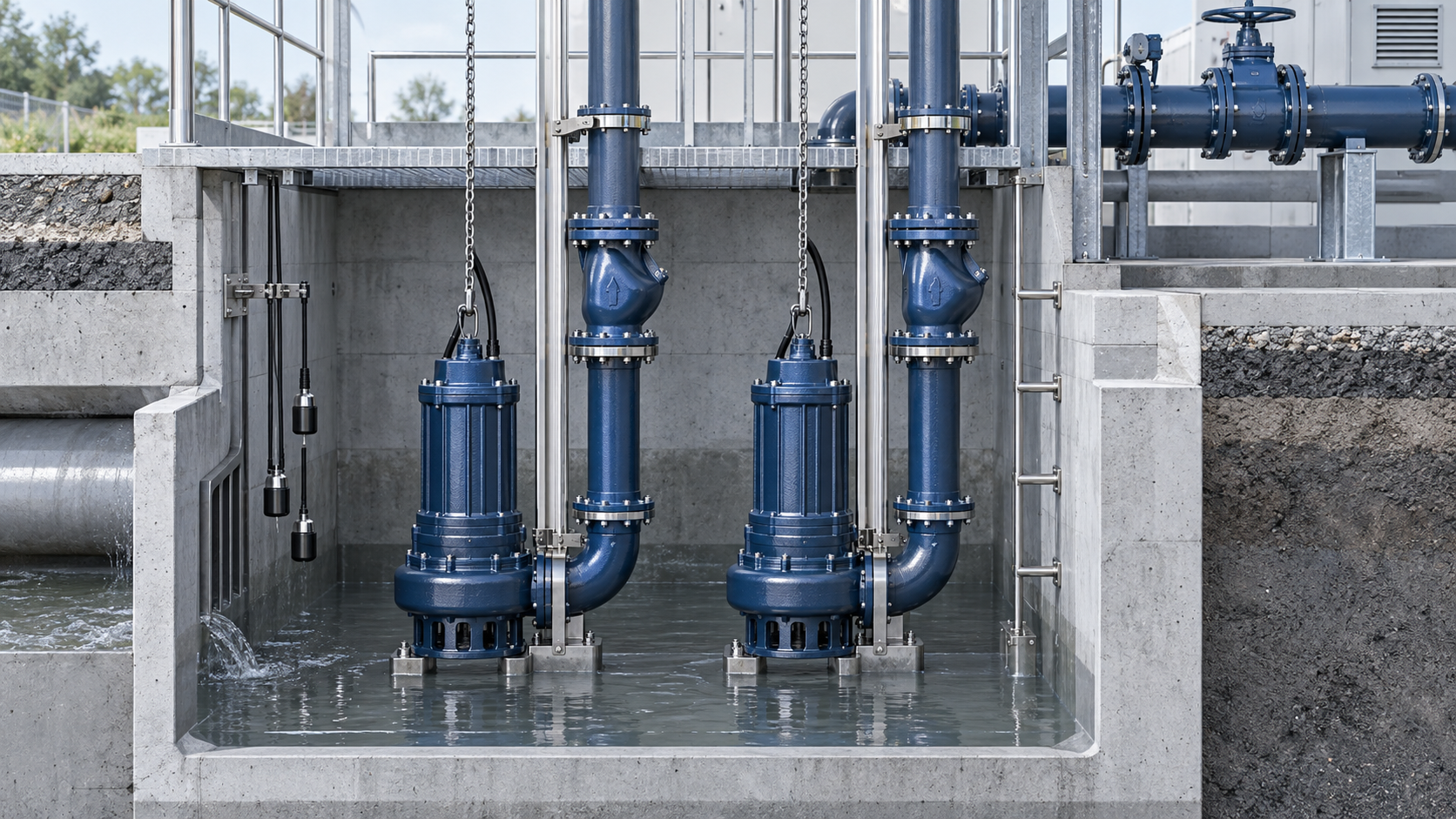
- How to Size a Heavy-Duty Submersible Sewage Pump for High-Solids Lift StationsAuthor :Environmental Engineering Director

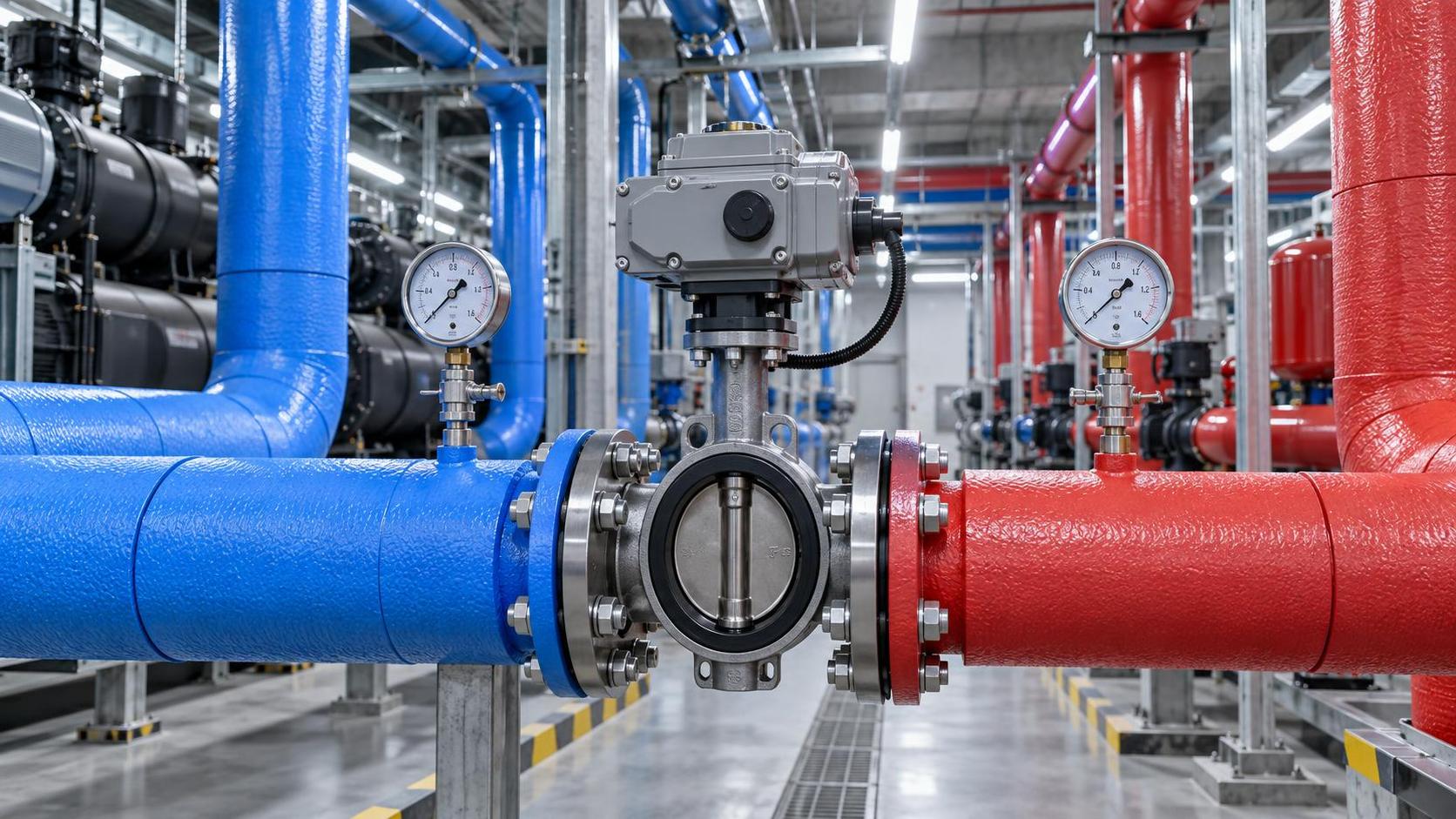
- How to Size a Wafer Butterfly Valve for HVAC Chilled-Water and Heating LoopsAuthor :Environmental Engineering Director

- How Pressure Class and Joint Design Affect Long-Term Performance of Ductile Iron Pipes in Drainage InfrastructureAuthor :Environmental Engineering Director

- How Ductile Iron Pipe Joints Affect Installation Reliability and Leak ControlAuthor :Environmental Engineering Director

- How to Size Effluent Treatment Equipment for Variable Industrial Wastewater LoadsAuthor :Environmental Engineering Director