Industrial Metallurgy Materials for Electrical Infrastructure: What Affects Conductivity and Corrosion Resistance?
Author
Date Published
Reading Time
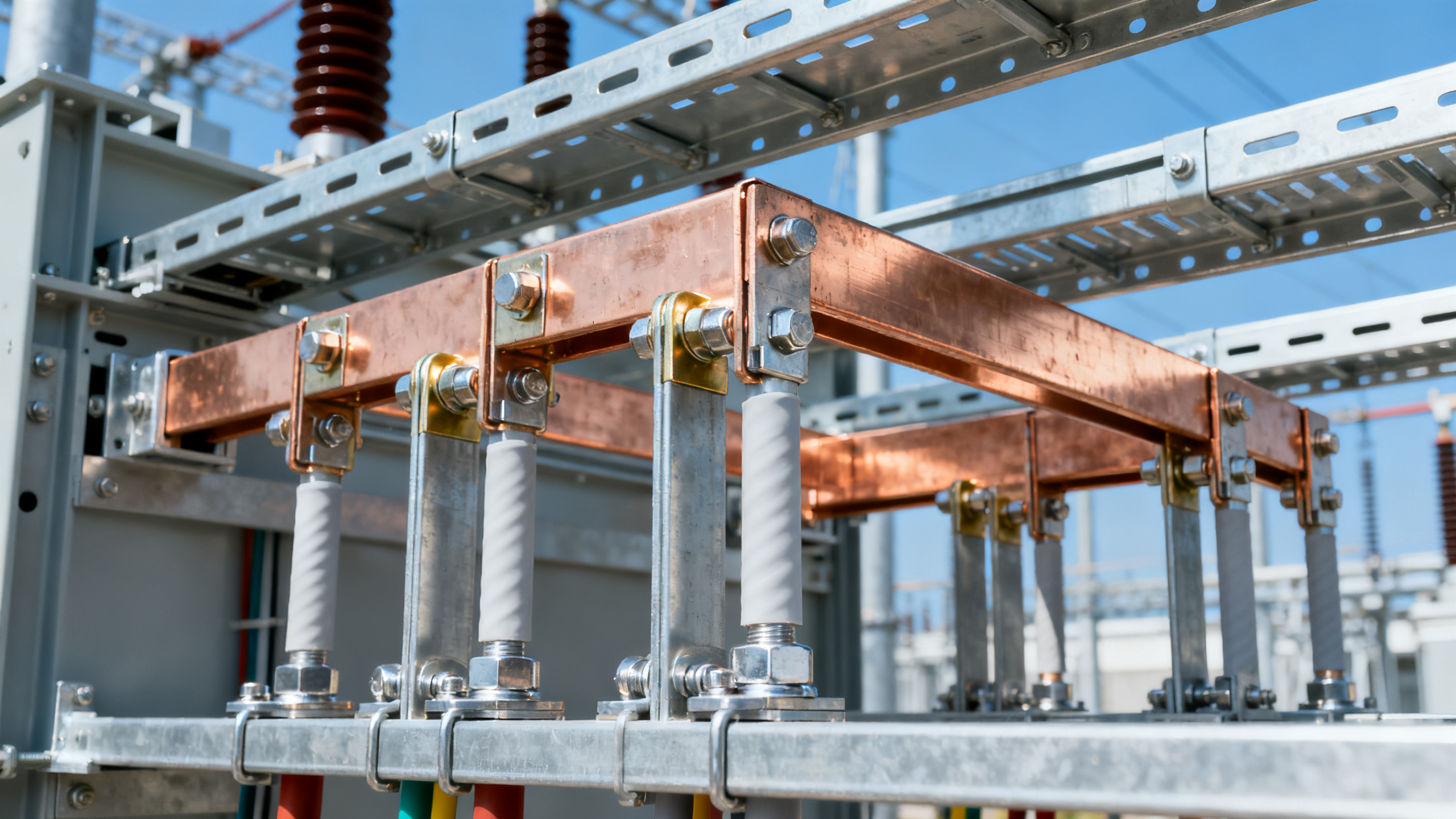
Industrial Metallurgy Materials for Electrical Infrastructure: What Affects Conductivity and Corrosion Resistance?
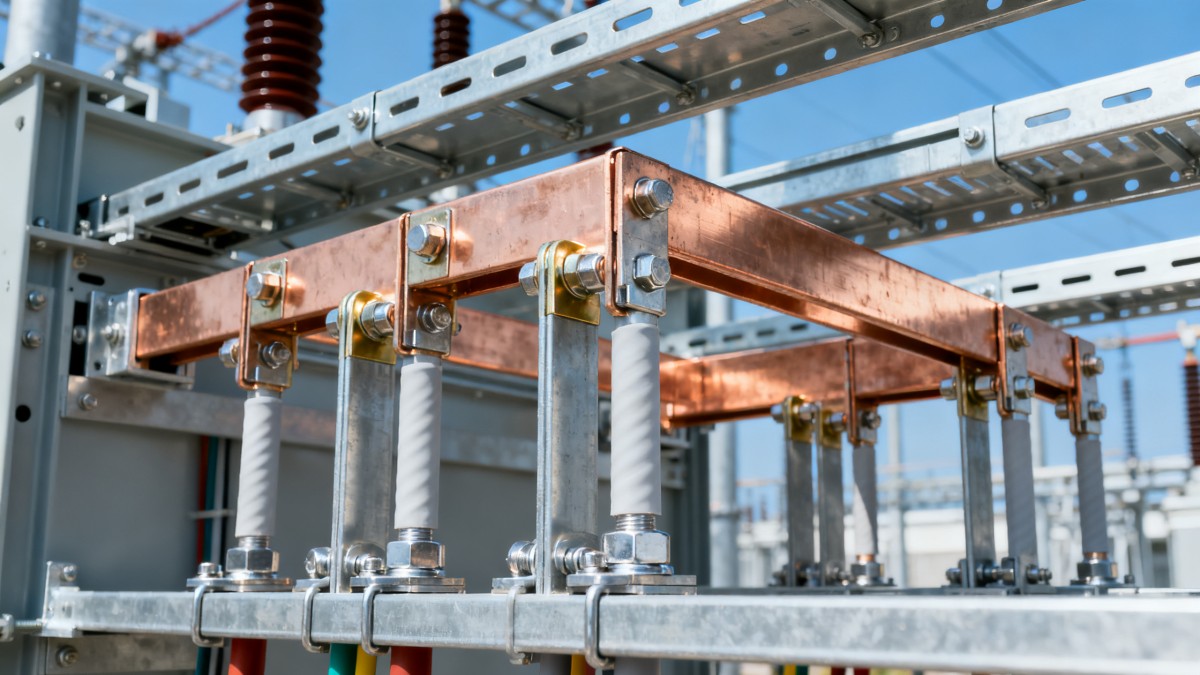
Choosing industrial metallurgy materials for electrical infrastructure is rarely a simple cost decision.
In practice, conductivity and corrosion resistance shape uptime, maintenance cycles, and total lifecycle exposure.
That is why industrial metallurgy materials for electrical infrastructure must be assessed as performance systems, not commodity inputs.
For substations, cable systems, busbars, grounding networks, and enclosures, material behavior changes under heat, moisture, pollution, and load variation.
A metal that looks acceptable on paper may fail early when galvanic exposure, thermal cycling, or contamination enter the picture.
This also means selection should connect electrical performance, environmental durability, fabrication limits, and compliance requirements.
The strongest decisions usually come from balancing conductivity, corrosion resistance, mechanical integrity, and installation practicality.
Why Material Selection Matters in Electrical Infrastructure
Electrical infrastructure operates under constant electrochemical and thermal stress.
Even a small increase in contact resistance can raise temperatures, accelerate oxidation, and shorten service life.
In high-current applications, poor metallurgy can lead to energy loss, unstable joints, and insulation damage.
From a sourcing view, industrial metallurgy materials for electrical infrastructure must support predictable performance across decades, not just during commissioning.
The more demanding the environment, the more material details start to matter.
- Coastal sites increase chloride exposure and pitting risk.
- Industrial plants introduce sulfur compounds and airborne contaminants.
- Underground systems face moisture, soil chemistry, and stray current issues.
- High-load networks demand thermal stability at joints and connectors.
So the right material is usually the one that stays stable when real conditions become less forgiving.
What Directly Affects Conductivity
Conductivity starts with composition, but it never ends there.
Copper remains the benchmark because it combines high conductivity with workable mechanical strength.
Aluminum offers lower weight and cost, yet it requires tighter control at interfaces and terminations.
In industrial metallurgy materials for electrical infrastructure, conductivity is shaped by several linked factors.
1. Alloy Purity and Alloying Additions
Pure metals usually conduct better than heavily alloyed versions.
However, pure grades can lose hardness, wear resistance, or form stability.
That tradeoff appears often in connectors, contact strips, and switchgear parts.
2. Grain Structure and Processing Route
Casting, rolling, drawing, and heat treatment influence grain boundaries and defect density.
These features affect resistance, fatigue behavior, and crack initiation over time.
A well-processed conductor often outperforms a nominally similar grade with weaker process control.
3. Surface Condition and Contact Quality
Conductivity in service depends heavily on the interface, not only the base metal.
Oxide layers, roughness, contamination, and poor compression raise contact resistance quickly.
This is especially relevant for aluminum systems, where oxide formation is fast and stubborn.
4. Temperature During Service
As temperature rises, electrical resistance usually rises as well.
That feedback loop can become critical in dense panels, bus duct systems, and high-current joints.
Good industrial metallurgy materials for electrical infrastructure should keep stable conductivity under realistic thermal loading.
What Drives Corrosion Resistance in Real Installations
Corrosion resistance is not a fixed property.
It depends on the metal, the coating, the environment, and how the assembly is built.
In electrical infrastructure, corrosion often begins at edges, fasteners, joints, and damaged surfaces.
That is why industrial metallurgy materials for electrical infrastructure should be evaluated as complete assemblies.
Environmental Exposure
Humidity, salt, acidic vapors, dust, and standing water each attack metals differently.
Galvanized steel may work well in some enclosures, yet struggle in highly corrosive chemical atmospheres.
Stainless steel grades vary too, especially when chloride levels rise.
Galvanic Compatibility
When dissimilar metals touch in the presence of an electrolyte, galvanic corrosion can accelerate sharply.
This matters at lugs, clamps, fasteners, cable terminations, and grounding assemblies.
Bimetallic connectors, isolating barriers, and correct plating systems reduce this risk.
Protective Layers and Coatings
Tin, nickel, silver, zinc, and conversion coatings each support different operating priorities.
Some coatings improve solderability or contact stability.
Others primarily defend against atmospheric attack or mechanical wear.
The key is matching the coating system to the service profile, not defaulting to a familiar finish.
Common Material Options and Their Tradeoffs
Most electrical projects rely on a familiar group of metals, but the tradeoffs are still important.
This comparison shows why industrial metallurgy materials for electrical infrastructure cannot be selected by one metric alone.
Standards, Testing, and Verification Points
Technical decisions become stronger when material claims are backed by recognized standards.
Depending on the component, relevant benchmarks may include IEC, ASTM, ISO, UL, and project-specific utility specifications.
The practical question is not whether a supplier mentions standards.
It is whether the test scope actually matches the service conditions.
- Check conductivity data under the correct temperature reference.
- Review salt spray or corrosion tests with caution and proper context.
- Confirm coating thickness, adhesion, and interface compatibility.
- Ask for mechanical and thermal cycling results for joints.
- Verify certificates, lot traceability, and quality control records.
This is especially important when industrial metallurgy materials for electrical infrastructure are intended for critical assets with low tolerance for unplanned shutdowns.
How to Evaluate Materials More Precisely
A useful evaluation process connects design intent with operating reality.
That sounds obvious, but many sourcing mistakes happen when one side dominates the discussion.
If electrical performance drives the decision, corrosion risk may get underestimated.
If durability drives everything, unnecessary cost and fabrication complexity may follow.
A Practical Review Sequence
- Define current load, duty cycle, ambient temperature, and fault conditions.
- Map the real exposure profile, including humidity, chemicals, and marine influence.
- Review base metal, alloy grade, and joining method together.
- Check coating strategy and galvanic compatibility across the assembly.
- Compare standards, test evidence, and supplier process consistency.
- Estimate maintenance impact and replacement difficulty over the asset life.
Following this sequence makes industrial metallurgy materials for electrical infrastructure easier to compare in a disciplined way.
Final Takeaway for Better Material Decisions
The best industrial metallurgy materials for electrical infrastructure are not simply the most conductive or the most corrosion resistant.
They are the ones that stay electrically stable, mechanically sound, and standards-aligned within the exact operating environment.
That usually means looking beyond catalog values and examining interfaces, coatings, processing quality, and installation details.
In real projects, a careful review upfront prevents expensive failures later.
Use conductivity data, corrosion evidence, and compliance records together, then test those findings against the service environment.
That approach leads to more reliable infrastructure, more defensible sourcing choices, and fewer surprises across the asset lifecycle.
Technical Specifications
- Selecting High-Temperature Gaskets for Steam, Flanges, and Thermal CyclingAuthor :Heavy Industry Strategist
- How to Select an Emissions Monitoring System Analyzer for Compliance ReportingAuthor :Precision Metrology Expert
- How to Select an Access Control Management System for Multi-Site FacilitiesAuthor :Safety Compliance Lead
Expert Insights

Chief Security Architect
Dr. Thorne specializes in the intersection of structural engineering and digital resilience. He has advised three G7 governments on industrial infrastructure security.
Related Analysis
- Sep 22, 2026Selecting High-Temperature Gaskets for Steam, Flanges, and Thermal CyclingAuthor :Heavy Industry Strategist
- Sep 21, 2026How to Select an Emissions Monitoring System Analyzer for Compliance ReportingAuthor :Precision Metrology Expert
- Sep 20, 2026How to Select an Access Control Management System for Multi-Site FacilitiesAuthor :Safety Compliance Lead
Core Sector // 01
Security & Safety
- Stainless Steel Welded Tube Applications: Matching Tube Supply to Fabrication NeedsAuthor :Heavy Industry Strategist

- What Maintenance Do Furnace Components Need After 18 Months?Author :Heavy Industry Strategist

- How to Assess Metal Materials for Thermal Cycling in Power BoilersAuthor :Heavy Industry Strategist

- How to Evaluate Aluminum Extrusion Suppliers for Tight-Tolerance Components?Author :Heavy Industry Strategist

- How to Evaluate a Weld Neck Flange Manufacturer for High-Pressure Pipe ProjectsAuthor :Heavy Industry Strategist

- EU REACH Ban Hits Cr(VI)-Coated Steel ImportsAuthor :Heavy Industry Strategist
-Coated Steel Imports")
- How to Evaluate a Heat Sink Aluminum Profile Supplier for Custom Thermal ProjectsAuthor :Heavy Industry Strategist

- Industrial Metal Fabrication Components Price: What Drives Cost and How to Compare QuotesAuthor :Heavy Industry Strategist