China Speeds Property Transfer for Foreign Plant Buyers
Author
Date Published
Reading Time
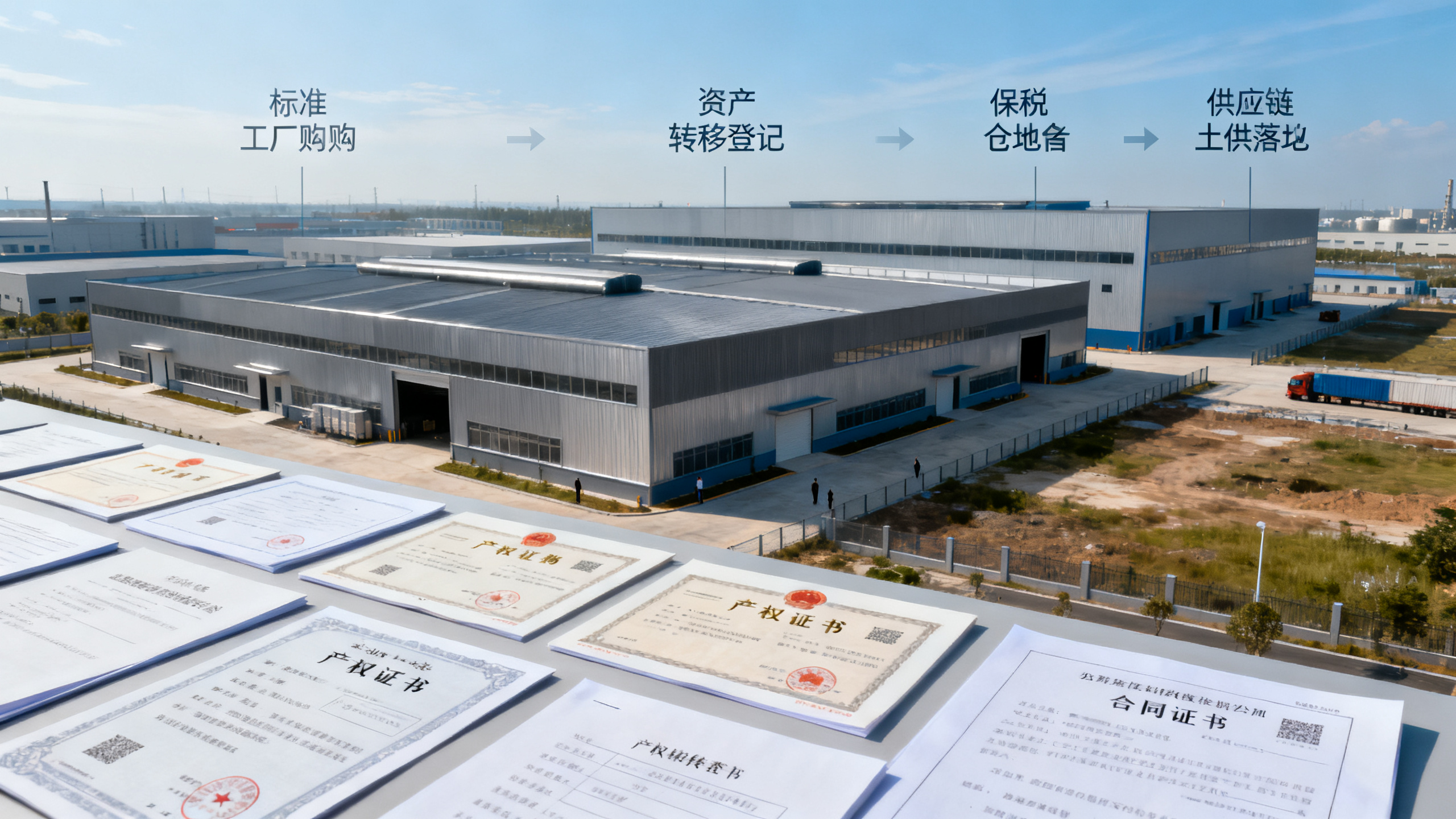
On June 18, 2026, five government departments jointly moved to streamline transfer registration for companies buying real estate in China, with the new arrangement aimed at letting foreign-invested enterprises submit once, move through parallel processing, and receive certificates on the same day. For manufacturers and project teams evaluating factory purchases, industrial land, standard workshops, or bonded warehousing assets, this is worth watching because it directly touches asset acquisition timing and the local rollout pace of heavy-asset supply chain projects.
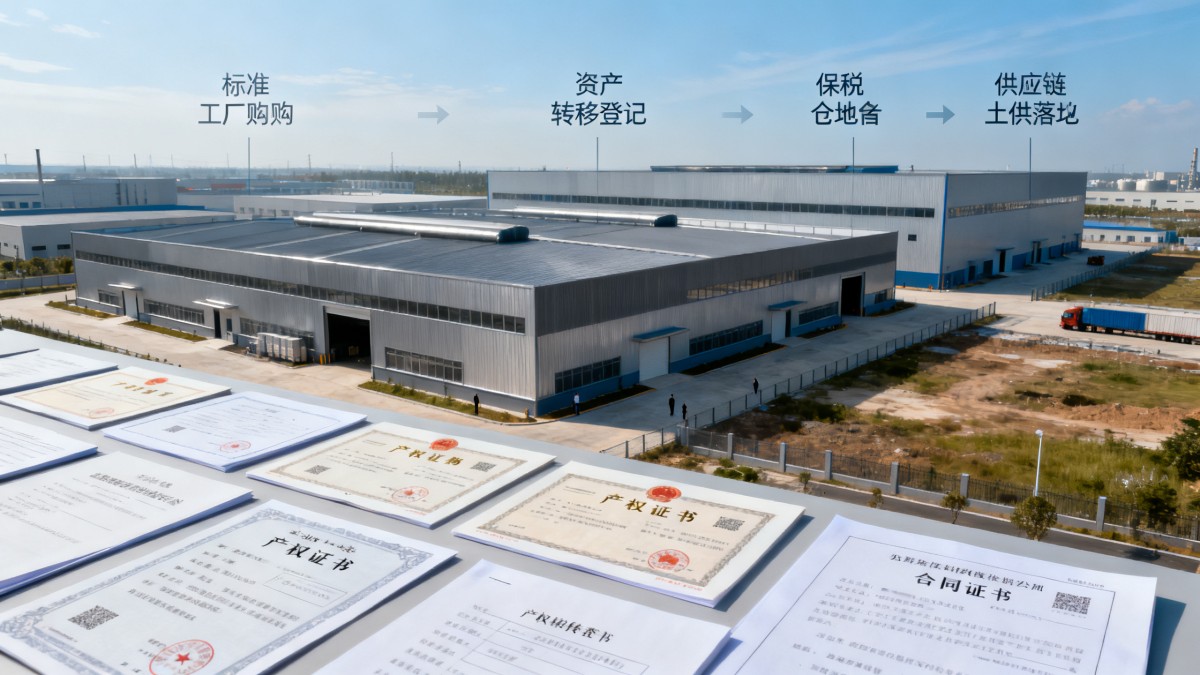
What the new registration notice confirms
According to the information provided, the notice was jointly issued by five departments including the Ministry of Natural Resources on June 18, 2026. Its focus is the comprehensive optimization of the transfer registration process for enterprises purchasing real estate.
The confirmed policy direction is a more integrated handling model for foreign-invested enterprises: one application, parallel processing, and same-day certificate issuance. The scope mentioned in the input covers key asset categories including industrial land, standard factory buildings, and bonded warehousing facilities.
The summary also states that the change can materially shorten the localization timeline of EPC projects and is relevant to foreign equipment manufacturing businesses in China that require heavier fixed-asset investment.
Where the operational impact may appear first
Factory investment and localization teams
From an industry perspective, teams responsible for site selection, plant acquisition, and localization schedules may be among the first to feel the effect. If transfer registration becomes more streamlined in practice, the immediate impact is likely to appear in transaction closure timing and in the handoff between asset purchase and project mobilization.
What deserves closer attention is whether faster registration translates into more predictable internal planning for project launch, especially where factory ownership is tied to equipment installation or phased localization.
Heavy-asset manufacturing segments
For segments such as Bearings & Seals, Steel & Metal Profiles, and Industrial Water Treatment, the relevance comes from their need for physical production or storage assets rather than light-footprint market entry alone. Analysis shows that any reduction in registration friction could matter most where industrial land, standard workshops, or bonded storage form part of the operating model.
The business link to watch is not only acquisition speed, but also whether property-related timing stops being a bottleneck in broader supply chain setup.
Supply chain and delivery coordination roles
Service providers and internal teams handling procurement, delivery coordination, and project sequencing may also need to adjust. Observably, when ownership transfer and certificate issuance move faster, downstream workstreams such as supplier onboarding, delivery scheduling, or customer-facing milestone communication may need tighter alignment with revised asset readiness assumptions.
The key point is that these effects remain operational rather than automatic: the policy signal is clear, but business execution still depends on how each transaction and project is organized.
What companies should monitor now
Watch the wording of follow-up implementation
Companies should pay close attention to how the "one application, parallel processing, same-day certificate issuance" approach is expressed in subsequent official practice. Analysis shows that the business value of this notice will depend on how consistently that workflow is reflected in actual case handling.
Map asset categories to project pipelines
Foreign-invested manufacturers considering industrial land, standard factory buildings, or bonded warehousing facilities should review which pipeline projects are directly affected by transfer registration timing. This matters most where EPC localization schedules depend on property acquisition milestones.
Separate policy signal from transaction execution
What deserves closer attention is the gap between a favorable policy framework and the real handling of documents, qualifications, and transaction sequencing. Companies should avoid assuming that every acquisition case will move at the same pace simply because the policy direction has improved.
Prepare internal coordination around timing changes
Procurement, supply chain, delivery, and external communication teams may need to revisit assumptions on lead times and handover dates. Where plant purchase is linked to supplier qualification, documentation, or delivery commitments, earlier registration completion could change the rhythm of internal approvals and counterpart communication.
Why this reads as a policy signal worth tracking
Analysis shows that this development is best understood as both a near-term administrative change and a longer-term signal about the treatment of industrial asset transactions tied to foreign-invested operations. The confirmed facts indicate a push toward greater efficiency, but they do not by themselves prove uniform business outcomes across all projects.
It is more appropriate to understand this as a meaningful operating signal for capital-intensive manufacturing localization rather than a finished market result. The reason the industry should continue watching is that the practical impact will depend on how registration efficiency interacts with actual transaction workflows and project deployment needs.
How to read the development at this stage
At this stage, the notice points to a clearer pro-efficiency direction in enterprise real estate transfer registration, especially for foreign-invested manufacturers acquiring industrial property and related facilities. For sectors that rely on physical assets to build local supply chains, the issue is less about headline policy language and more about whether faster registration shortens the path from asset purchase to operating readiness.
A neutral reading is that this is an important development for transaction efficiency and project scheduling, but it should still be assessed through follow-up implementation and case-level execution rather than treated as a universal outcome already realized.
Source note and verification scope
This article is based on the user-provided news title, event date, and event summary. The information provided refers to a June 18, 2026 notice jointly issued by five departments including the Ministry of Natural Resources, concerning optimized transfer registration for enterprise real estate purchases.
For this type of development, source categories usually relevant to ongoing verification include official notices, company disclosures, industry association updates, authoritative media coverage, and standards or regulatory documents where applicable. A specific official source link was not provided in the input, so continued verification remains necessary. Follow-up attention should focus on subsequent official wording, implementation details, and how the process is applied in real business transactions.
Technical Specifications
- Air Handling Unit Supplier Checklist: Performance Data, Lead Times, and SupportAuthor :Environmental Engineering Director
- Buying Fiberglass Water Tanks Wholesale: Compare Quotes and Delivery CostsAuthor :Environmental Engineering Director
- Choosing an XLPE Power Cable Supplier: Test Reports, Traceability, and Lead TimesAuthor :Grid Infrastructure Analyst
Expert Insights

Chief Security Architect
Dr. Thorne specializes in the intersection of structural engineering and digital resilience. He has advised three G7 governments on industrial infrastructure security.
Related Analysis
- Oct 19, 2026Air Handling Unit Supplier Checklist: Performance Data, Lead Times, and SupportAuthor :Environmental Engineering Director
- Oct 18, 2026Buying Fiberglass Water Tanks Wholesale: Compare Quotes and Delivery CostsAuthor :Environmental Engineering Director
- Oct 17, 2026Choosing an XLPE Power Cable Supplier: Test Reports, Traceability, and Lead TimesAuthor :Grid Infrastructure Analyst
Core Sector // 01
Security & Safety
- How to Specify Steel Heavy-Duty Corner Guards for Loading Bays and High-Traffic AreasAuthor :Heavy Industry Strategist

- Selecting Non-Ferrous Metal Plates for Corrosion, Weight, and Formability RequirementsAuthor :Heavy Industry Strategist

- Stainless Steel Welded Tube Applications: Matching Tube Supply to Fabrication NeedsAuthor :Heavy Industry Strategist

- What Maintenance Do Furnace Components Need After 18 Months?Author :Heavy Industry Strategist

- How to Assess Metal Materials for Thermal Cycling in Power BoilersAuthor :Heavy Industry Strategist

- How to Evaluate Aluminum Extrusion Suppliers for Tight-Tolerance Components?Author :Heavy Industry Strategist

- How to Evaluate a Weld Neck Flange Manufacturer for High-Pressure Pipe ProjectsAuthor :Heavy Industry Strategist

- EU REACH Ban Hits Cr(VI)-Coated Steel ImportsAuthor :Heavy Industry Strategist
-Coated Steel Imports")