Why Is Heavy Industry Rethinking Energy Use in 2026?
Author
Date Published
Reading Time
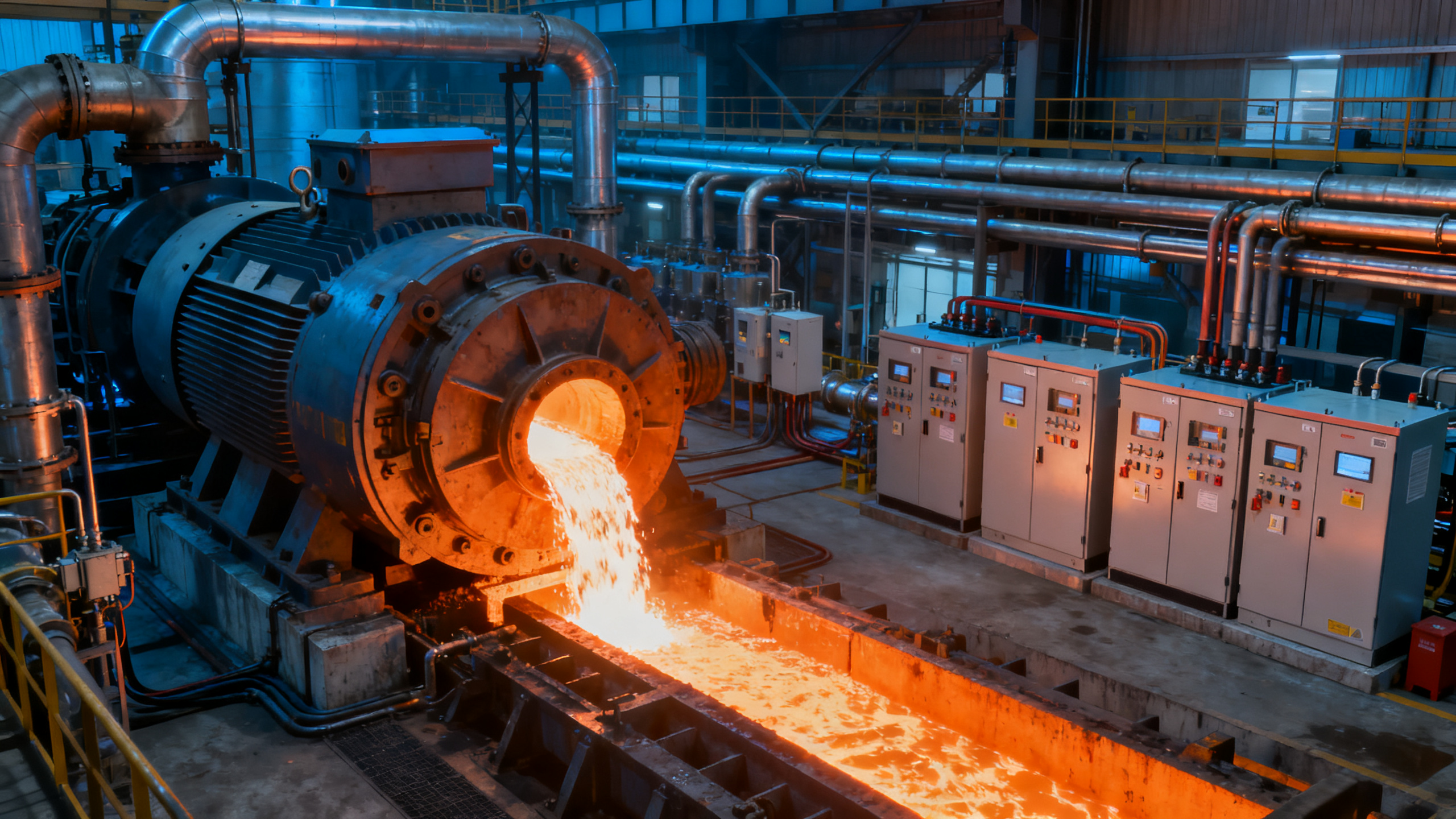
In 2026, heavy industry is entering a decisive energy transition shaped by rising power costs, stricter emissions rules, grid instability, and investor pressure.
Energy is no longer only an operating expense. It now affects resilience, compliance, production continuity, equipment life, and global competitiveness.
As plants reassess power use, storage, and protection, the question is not whether to change. It is how fast systems can adapt.
Why Is Heavy Industry Rethinking Energy Use in 2026?
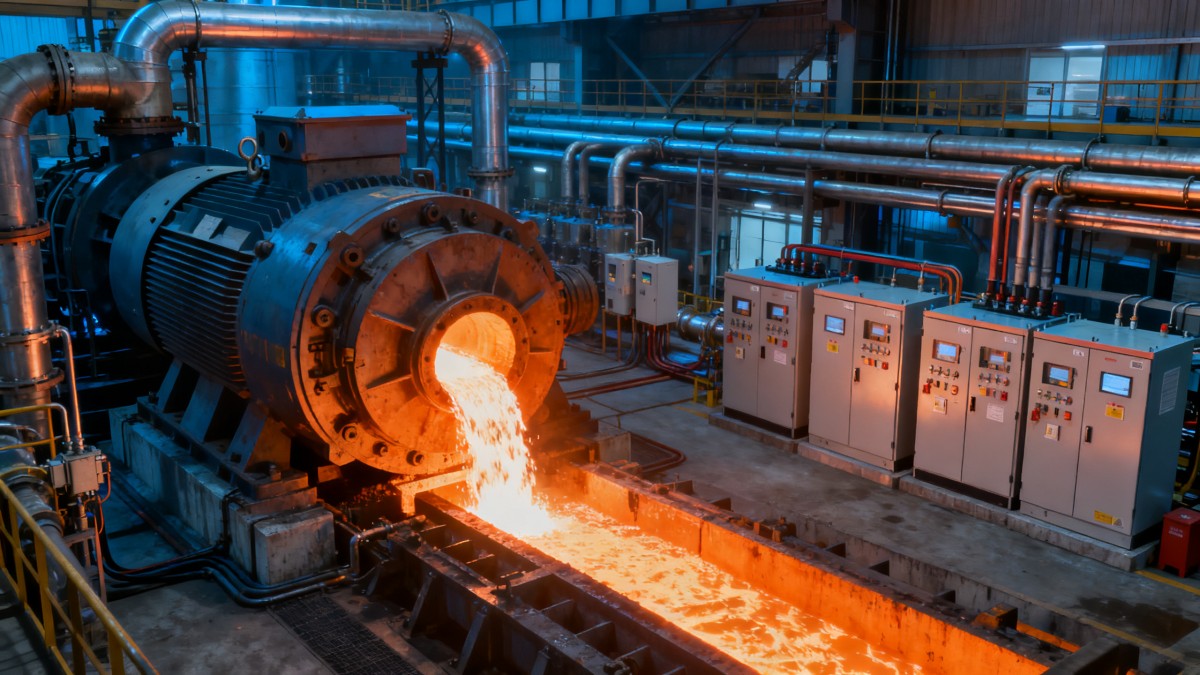
Heavy industry depends on high-temperature heat, large motors, compressed air, process steam, and uninterrupted electrical networks.
These loads make energy decisions more complex than in commercial buildings or light manufacturing.
In 2026, the pressure comes from several directions at once. Power prices fluctuate, grid capacity tightens, and emissions reporting becomes stricter.
For heavy industry, an inefficient energy system can now create production risk, compliance exposure, and financing obstacles.
This shift is especially visible in steel, cement, chemicals, mining, shipbuilding, power equipment, and industrial materials processing.
The core issue is not simply using less energy. The real challenge is using the right energy, at the right time, with controlled risk.
What changed compared with earlier efficiency programs?
Older efficiency programs often focused on isolated upgrades, such as replacing motors, repairing leaks, or improving insulation.
Those actions remain useful, but heavy industry now needs system-level energy architecture.
Modern decisions connect electrical safety, automation, measurement accuracy, environmental control, and mechanical reliability.
A furnace retrofit, for example, may affect transformer loading, emissions permits, gas supply, production rhythm, and maintenance planning.
That is why heavy industry is treating energy planning as infrastructure strategy, not only as cost reduction.
What Does Energy Resilience Mean for Heavy Industry?
Energy resilience means maintaining safe production when power quality, fuel availability, or grid stability becomes uncertain.
For heavy industry, even a short interruption can damage materials, stop continuous processes, or create safety hazards.
A rolling mill, smelter, refinery unit, or chemical reactor cannot always pause neatly during a power event.
Resilience therefore includes backup generation, energy storage, protective relays, switchgear coordination, and real-time monitoring.
It also requires clear operating rules. Critical loads must be ranked before an emergency happens.
- Life-safety systems and environmental controls should receive the highest priority.
- Process protection loads should prevent equipment damage and unsafe shutdowns.
- Production loads should be staged according to commercial and technical impact.
- Non-critical auxiliary loads can be curtailed during peak pricing or grid stress.
This approach helps heavy industry avoid a common mistake: buying backup equipment without knowing which loads truly need support.
How should resilience be measured?
Resilience should be measured through recovery time, load coverage, failure probability, maintenance readiness, and compliance performance.
Heavy industry should also review power quality indicators, including voltage sags, harmonics, transient events, and frequency variation.
A resilient plant is not only one with generators. It is one with coordinated protection, verified testing, and trained response procedures.
How Are Emissions Rules Changing Energy Decisions?
Emissions policy is becoming more detailed, data-driven, and supply-chain focused.
Heavy industry faces direct limits from permits, carbon pricing, fuel standards, and customer sustainability requirements.
The result is a stronger link between energy use, product qualification, and market access.
Energy choices now influence environmental reports, tender eligibility, insurance review, and lender confidence.
For heavy industry, this creates demand for accurate metering, auditable data, and verifiable emissions reduction pathways.
Which technologies are gaining attention?
Common options include waste heat recovery, electrified process heat, high-efficiency drives, hydrogen-ready systems, and advanced combustion controls.
Carbon capture may fit specific facilities, especially where process emissions cannot be eliminated through fuel switching alone.
Digital energy management platforms also matter. They reveal hidden baseload consumption and process-level energy intensity.
However, heavy industry should avoid choosing technologies only for publicity value.
Each option must be assessed against safety codes, maintenance capability, grid connection limits, and lifecycle cost.
What Energy Risks Are Often Underestimated?
Many energy risks are hidden because they appear slowly, across different departments and asset groups.
Heavy industry often notices the problem only after downtime, equipment failure, or compliance delay.
One underestimated risk is poor measurement. Inaccurate meters create false confidence and weak investment decisions.
Another risk is aging electrical infrastructure. Transformers, breakers, cables, and protection devices may not match new load profiles.
Thermal stress is also critical. Electrification can increase heat concentration in panels, busbars, and control rooms.
Heavy industry must also consider cybersecurity. Connected energy systems can become entry points for operational disruption.
What are the most common planning mistakes?
- Treating energy projects as isolated equipment purchases.
- Ignoring CE, UL, ISO, IEC, and local grid requirements.
- Using average energy prices instead of peak and volatility analysis.
- Skipping power quality studies before major electrification.
- Underestimating operator training and maintenance changes.
These mistakes can turn promising energy programs into expensive disruptions.
For heavy industry, technical validation should happen before procurement commitments, not after installation problems appear.
How Should Heavy Industry Compare Energy Options?
Energy options should be compared using total operational value, not only capital price.
Heavy industry needs to evaluate reliability, safety, emissions impact, integration complexity, and future flexibility.
A lower-cost system can be unsuitable if it increases downtime risk or fails compliance review.
A higher-cost system may be justified when it reduces peak demand, improves uptime, and supports long-term decarbonization.
This comparison method helps heavy industry avoid narrow payback calculations.
It also supports clearer decisions when multiple technologies compete for capital approval.
Which Implementation Path Is Most Realistic?
The most realistic path starts with a baseline, then moves through staged upgrades.
Heavy industry rarely benefits from replacing everything at once. Phased execution reduces disruption and improves learning.
A strong baseline includes energy mapping, asset condition review, power quality measurement, emissions accounting, and safety risk assessment.
After that, facilities can prioritize projects with the best mix of savings, resilience, compliance, and operational simplicity.
What should the first 90 days include?
- Map major electrical, thermal, compressed air, steam, and fuel loads.
- Identify equipment with high downtime impact or poor energy intensity.
- Check metering accuracy, calibration history, and data ownership.
- Review grid constraints, tariff structures, and peak demand exposure.
- Screen projects against safety, standards, payback, and emissions value.
This early work gives heavy industry a factual basis for capital planning.
It also reduces the risk of selecting attractive technologies that cannot integrate with existing systems.
FAQ: Key Questions About Heavy Industry Energy Use
These questions show why heavy industry needs both technical depth and strategic discipline.
Energy transition is not a single purchase. It is an engineering, compliance, and operational transformation.
Conclusion: What Should Happen Next?
Heavy industry is rethinking energy use in 2026 because the operating environment has changed permanently.
Power cost, emissions rules, grid instability, and asset reliability now interact in every major investment decision.
The best next step is a structured energy and resilience assessment based on measured data.
That assessment should connect safety, instruments, electrical systems, environmental performance, and mechanical asset condition.
Global Industrial Core supports this shift with rigorous B2B intelligence across foundational industrial systems.
For heavy industry, smarter energy use is now a foundation for safer operations, stronger compliance, and more resilient growth.
Technical Specifications
- How to Select Electronic Hotel Key Card Locks for Guest Rooms and Staff AreasAuthor :Safety Compliance Lead
- How to Select Lab Instruments for Reliable Chemical Analysis WorkflowsAuthor :Precision Metrology Expert
- How to Size a UPS for Server Rooms: Load, Runtime, and Redundancy FactorsAuthor :Grid Infrastructure Analyst
Expert Insights

Chief Security Architect
Dr. Thorne specializes in the intersection of structural engineering and digital resilience. He has advised three G7 governments on industrial infrastructure security.
Related Analysis
- Sep 17, 2026How to Select Electronic Hotel Key Card Locks for Guest Rooms and Staff AreasAuthor :Safety Compliance Lead
- Sep 16, 2026How to Select Lab Instruments for Reliable Chemical Analysis WorkflowsAuthor :Precision Metrology Expert
- Sep 15, 2026How to Size a UPS for Server Rooms: Load, Runtime, and Redundancy FactorsAuthor :Grid Infrastructure Analyst
Core Sector // 01
Security & Safety
- Stainless Steel Welded Tube Applications: Matching Tube Supply to Fabrication NeedsAuthor :Heavy Industry Strategist

- What Maintenance Do Furnace Components Need After 18 Months?Author :Heavy Industry Strategist

- How to Assess Metal Materials for Thermal Cycling in Power BoilersAuthor :Heavy Industry Strategist

- How to Evaluate Aluminum Extrusion Suppliers for Tight-Tolerance Components?Author :Heavy Industry Strategist

- How to Evaluate a Weld Neck Flange Manufacturer for High-Pressure Pipe ProjectsAuthor :Heavy Industry Strategist

- EU REACH Ban Hits Cr(VI)-Coated Steel ImportsAuthor :Heavy Industry Strategist
-Coated Steel Imports")
- How to Evaluate a Heat Sink Aluminum Profile Supplier for Custom Thermal ProjectsAuthor :Heavy Industry Strategist

- Industrial Metal Fabrication Components Price: What Drives Cost and How to Compare QuotesAuthor :Heavy Industry Strategist