What defines a reliable Components & Metals manufacturer
Author
Date Published
Reading Time
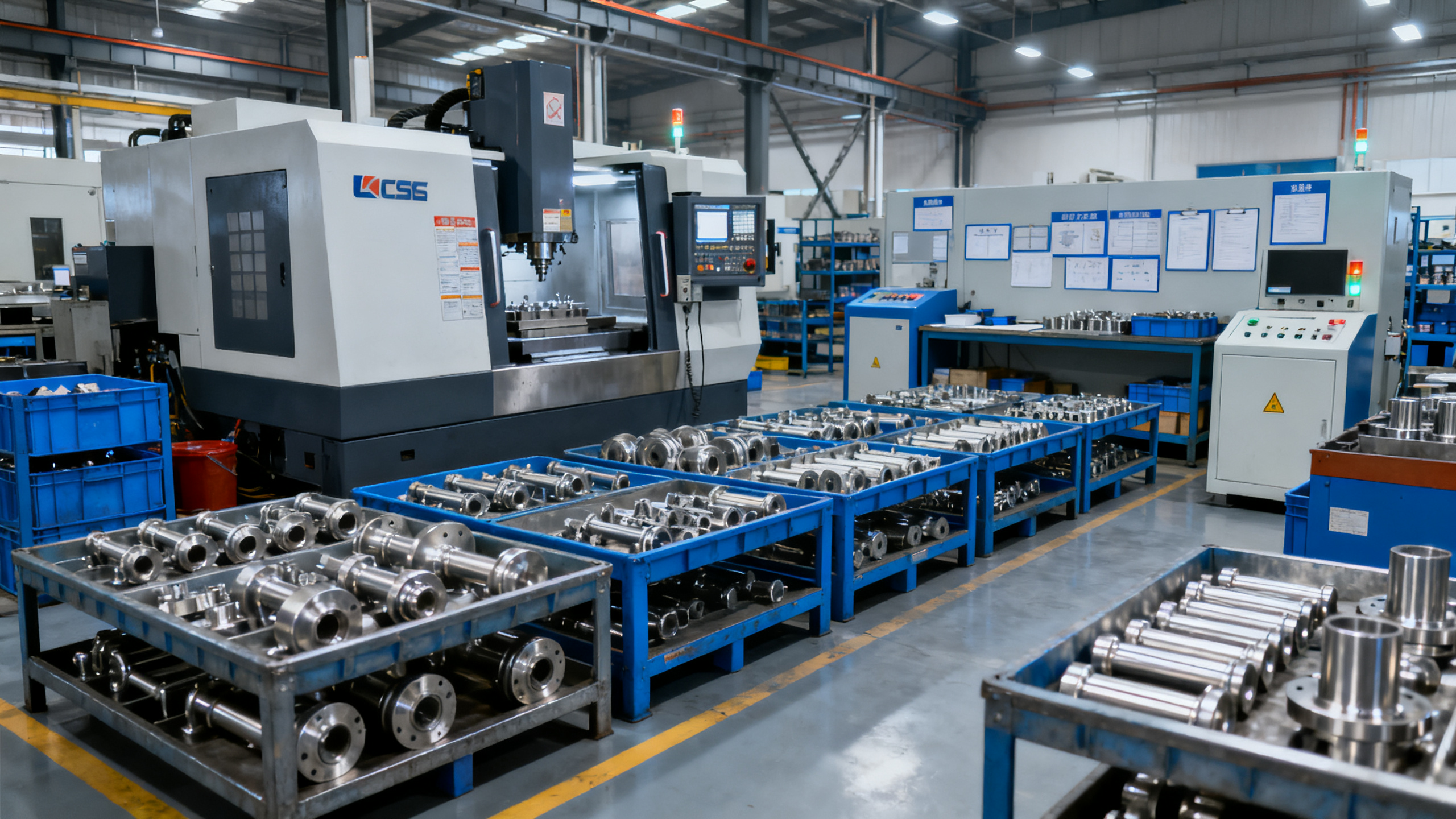
Choosing a reliable Components & Metals manufacturer goes far beyond comparing prices or lead times. For business evaluators, the real benchmark lies in consistent quality, certified compliance, material traceability, and the ability to perform under demanding industrial conditions.
This article explains what actually defines a dependable manufacturing partner, which risks signal a weak supplier, and how procurement teams can evaluate long-term value before signing a contract.
What business evaluators should look for first
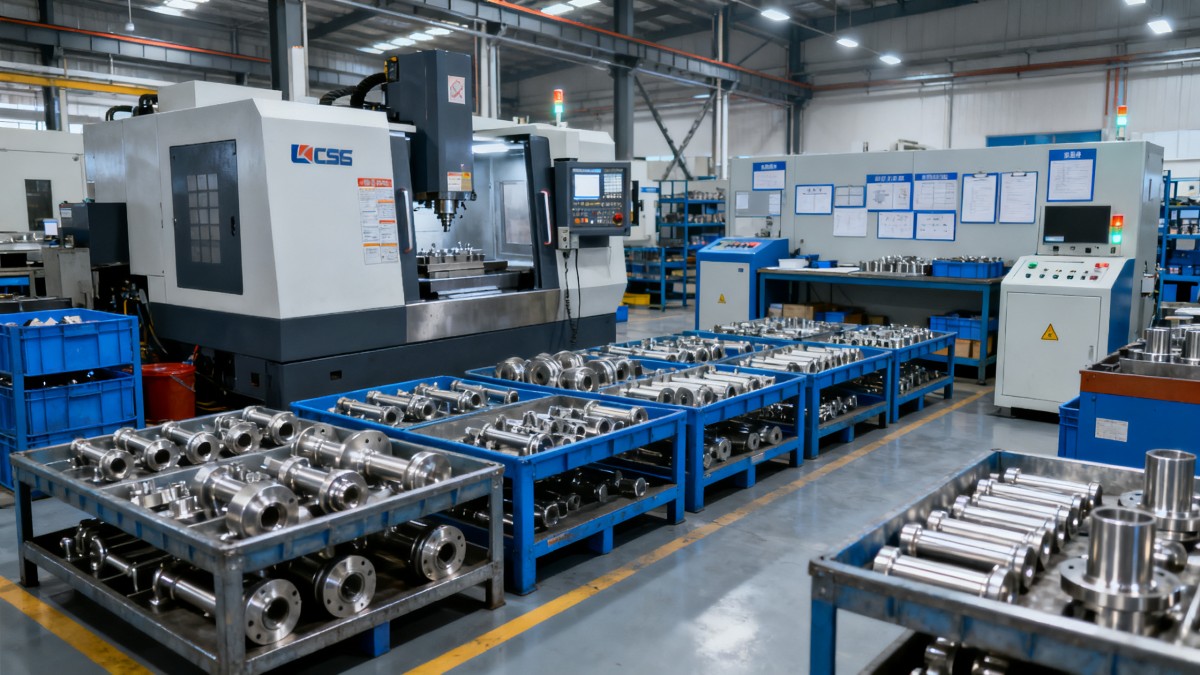
When companies search for a reliable Components & Metals manufacturer, they are usually not looking for a basic definition. They want a practical way to reduce sourcing risk.
The first question is simple: can this supplier deliver the same quality, compliance, and performance every time, not just in sample orders or sales presentations?
For business evaluators, reliability means predictability under pressure. A manufacturer is reliable when it can meet specification, maintain process discipline, document every stage, and respond quickly when problems arise.
That matters especially in industrial applications where a failed metal component can shut down production, create safety exposure, or trigger expensive warranty and replacement costs.
Reliable manufacturing starts with process control, not marketing claims
Many suppliers promote advanced equipment, global exports, or competitive pricing. Those points matter, but they do not prove that a manufacturer can consistently deliver mission-critical parts.
A dependable supplier usually has strong process control systems in place. This includes standardized work instructions, calibrated equipment, inspection checkpoints, nonconformance procedures, and documented corrective actions.
If a manufacturer cannot clearly explain how it controls variation from raw material intake to final shipment, reliability is still unproven, regardless of factory size or years in business.
Business evaluators should ask how production consistency is maintained across shifts, batches, machine lines, and repeat orders. Reliable partners have clear answers backed by records, not vague assurances.
Material traceability is one of the strongest indicators of trustworthiness
In components and metals sourcing, traceability is not a paperwork detail. It is a core signal that the manufacturer understands quality accountability and downstream industrial risk.
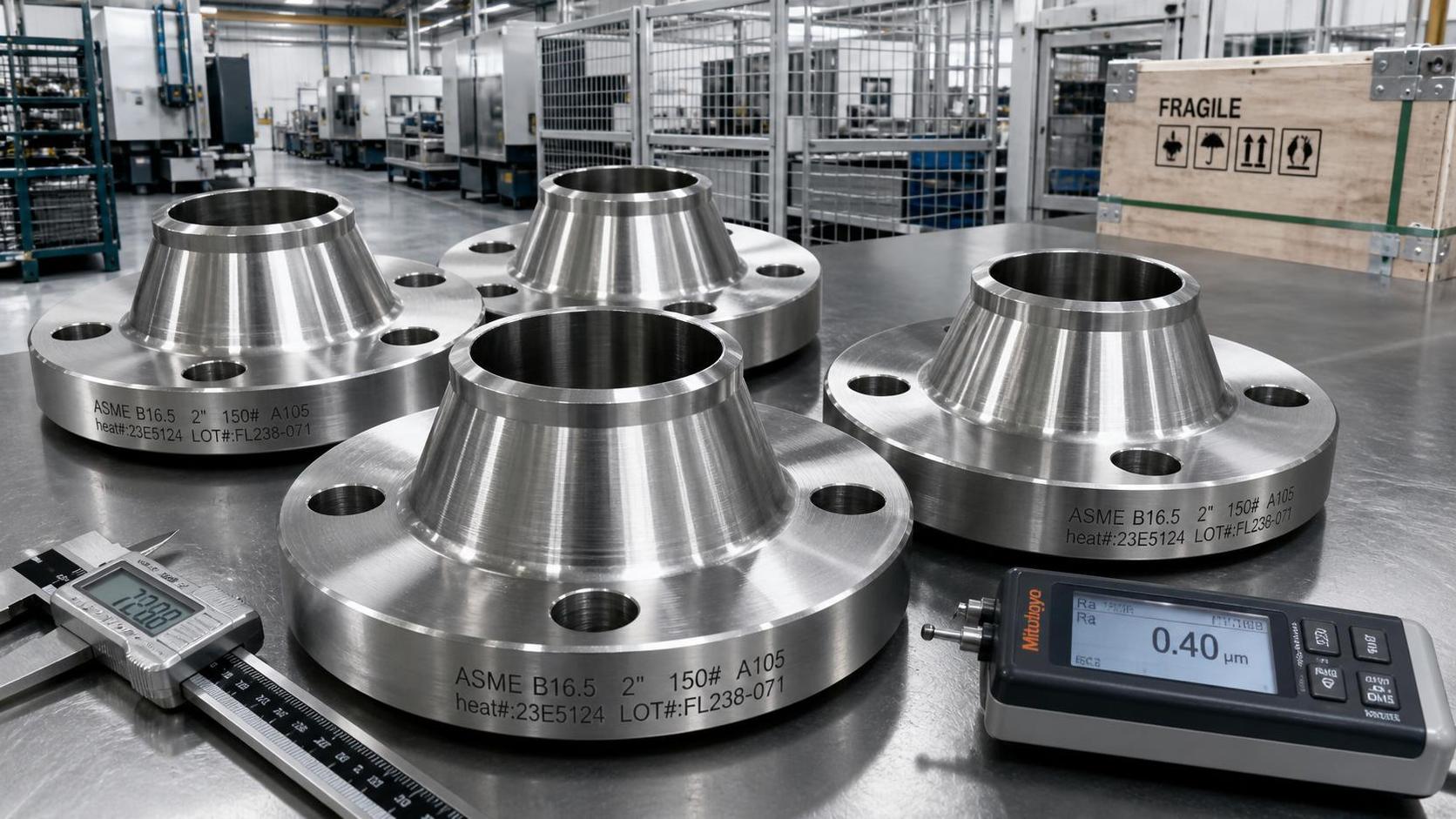
A reliable Components & Metals manufacturer should be able to trace raw materials to heat numbers, mill certificates, processing records, and final product batches.
This is especially important for sectors using structural alloys, pressure-rated components, machined parts, or corrosion-resistant materials where chemistry and mechanical properties directly affect performance.
Without traceability, buyers may struggle to verify whether the delivered material actually matches the quoted grade, treatment history, or compliance documentation.
Strong traceability also improves recall management, root-cause analysis, and regulatory response. For evaluators, it reduces the chance of hidden substitution and helps protect both operational continuity and reputation.
Certifications matter, but only when they match the product and application
Certifications are often used as a shortcut in supplier selection, but experienced evaluators know that not all certifications carry equal value in every purchase decision.
A reliable manufacturer should hold relevant management and product-related certifications, such as ISO 9001, and where applicable, CE, UL, RoHS, REACH, or industry-specific approvals.
However, the key issue is not just whether a certificate exists. Buyers should verify whether the certification scope actually covers the products, facilities, and manufacturing processes being sourced.
For example, a supplier may show a valid certificate for one plant while producing your order at another location with different controls. That gap can create serious risk.
Business evaluators should also review the manufacturer’s latest audit status, renewal dates, and any evidence of third-party testing. Real reliability is demonstrated by active compliance, not framed certificates.
Consistent quality means measurable performance, not occasional success
Reliable manufacturers do not rely on inspection at the end alone. They build quality into production through measurable controls and repeatable capability.
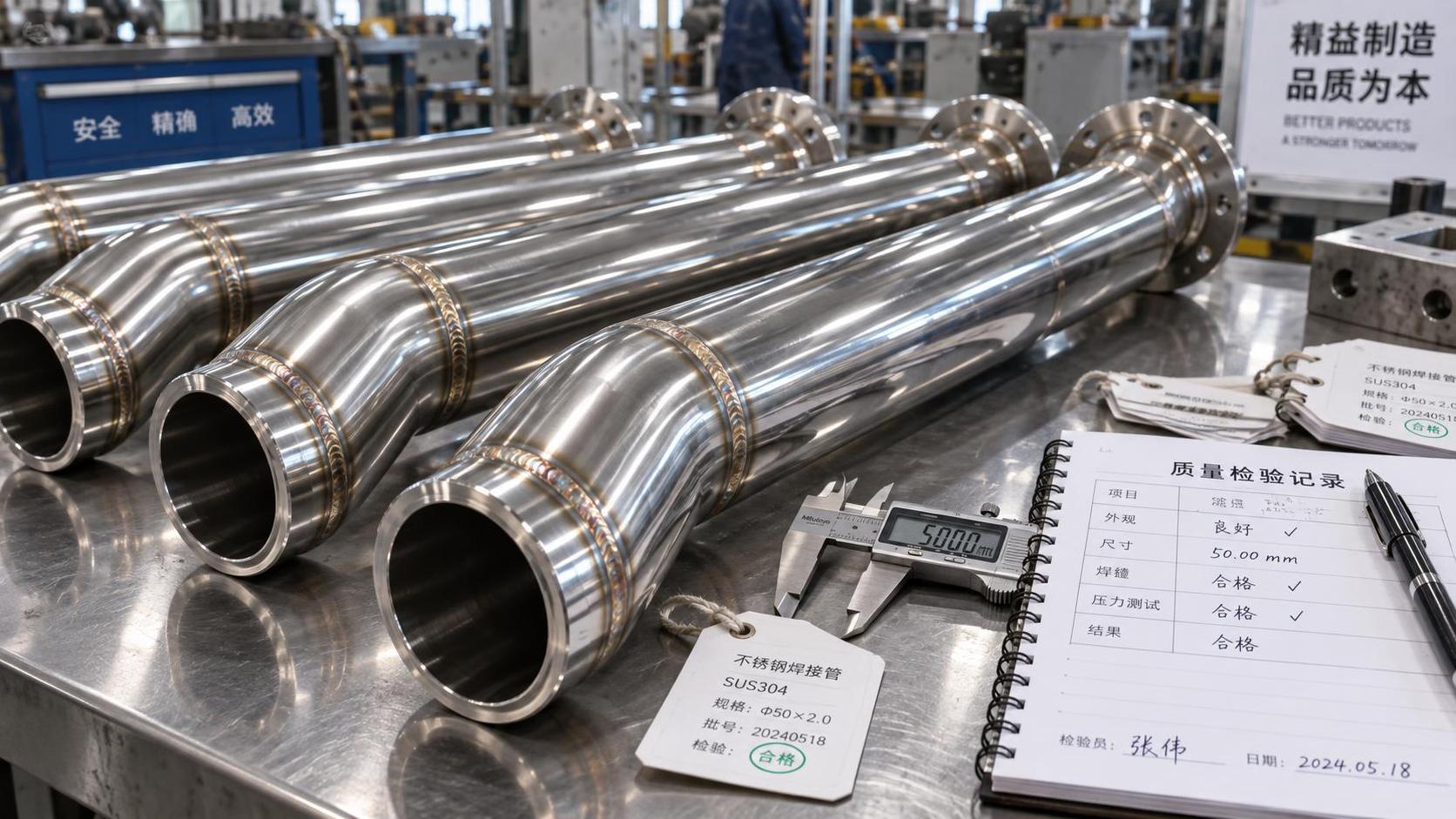
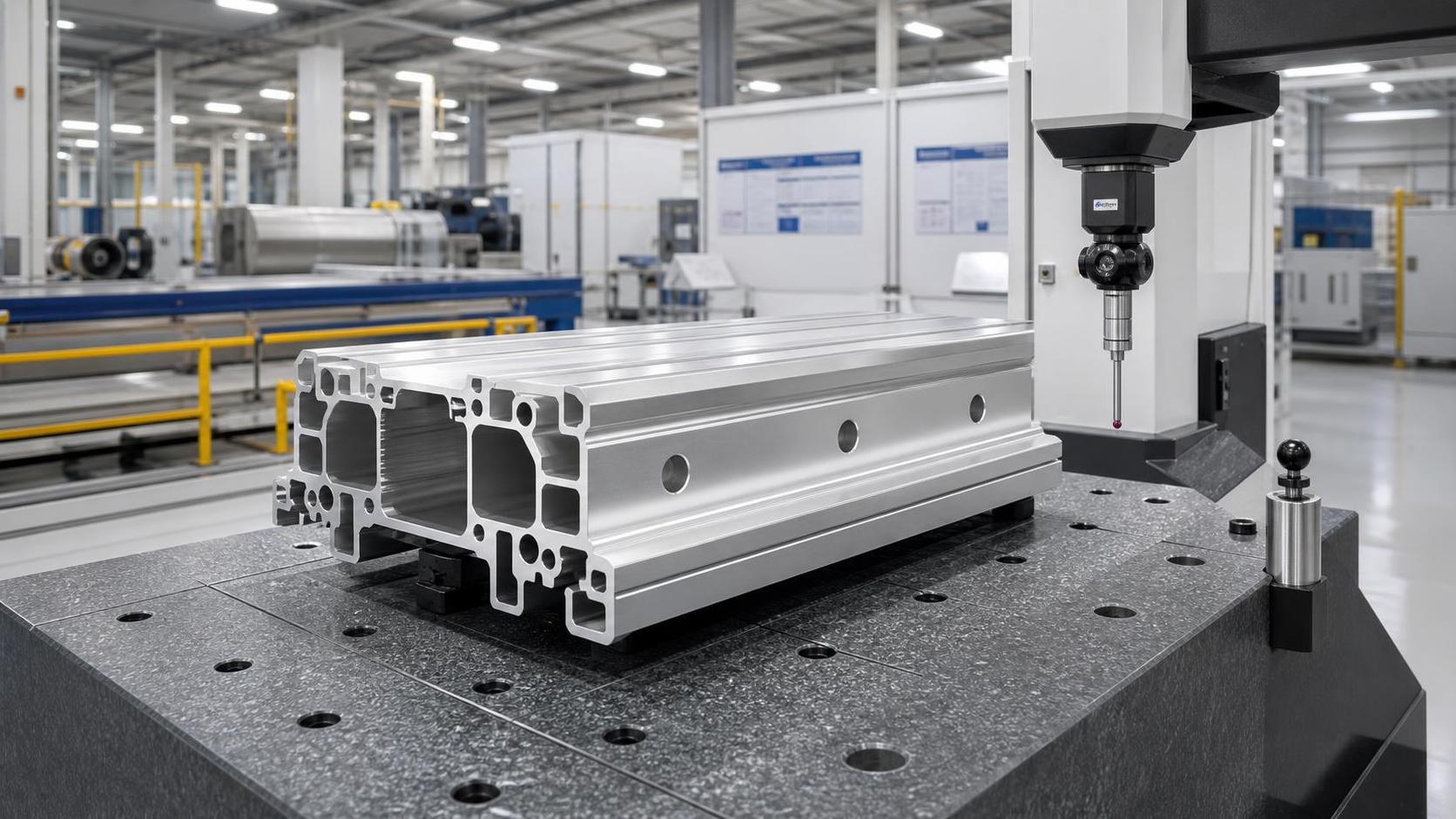
Ask for evidence such as dimensional inspection reports, process capability data, first article inspection, incoming material verification, and records of defect rates over time.
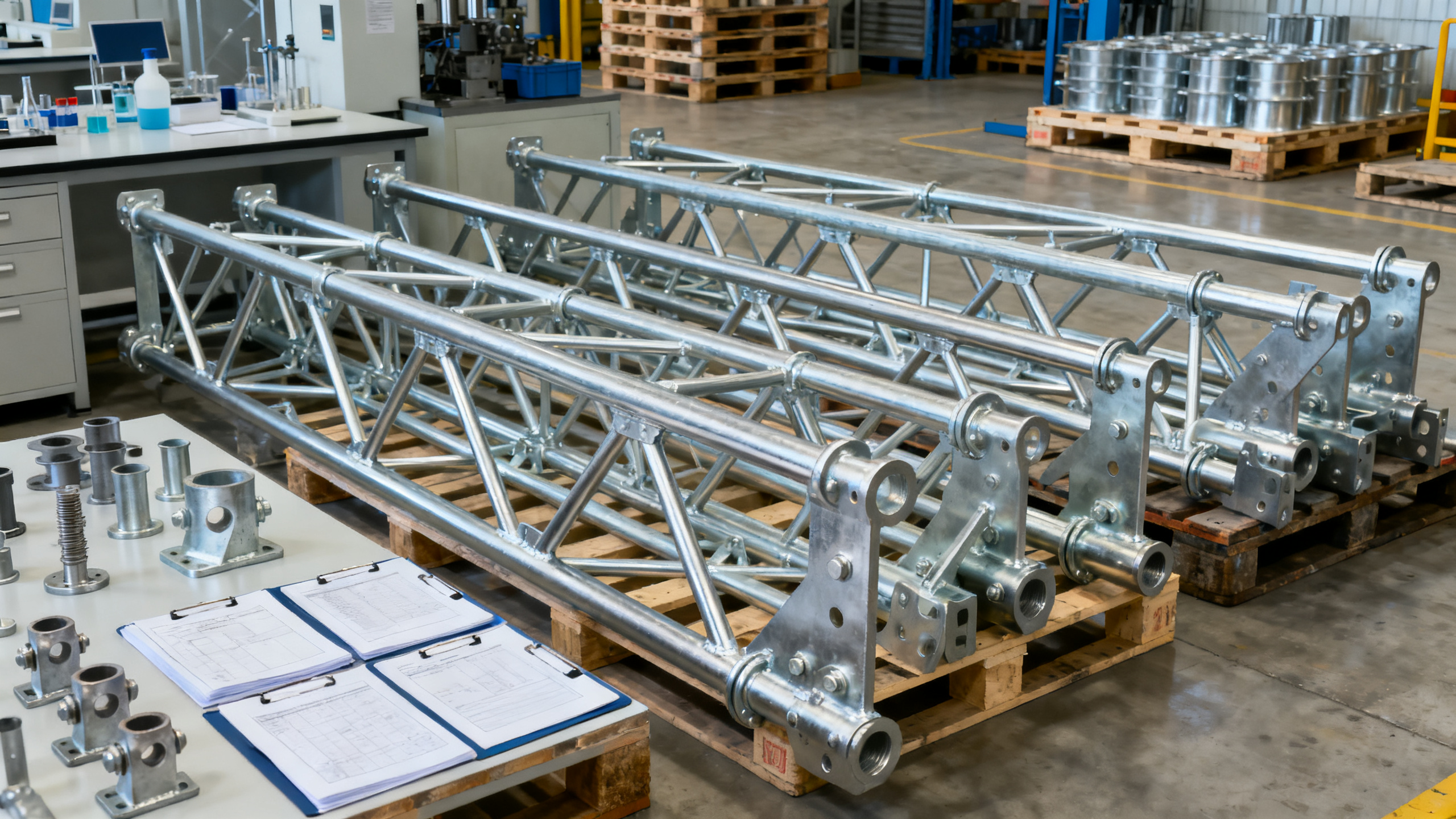
Suppliers serving demanding industrial markets should also be comfortable discussing tolerances, surface finish, hardness, corrosion performance, weld integrity, coating adhesion, or fatigue-related requirements where relevant.
A trustworthy Components & Metals manufacturer understands that quality is application-specific. The right standard for decorative hardware may be completely insufficient for power, safety, or infrastructure use.
Evaluators should also check whether the supplier can manage engineering changes without introducing uncontrolled variation. Change control is often where weaker manufacturers fail.
Engineering support separates true manufacturing partners from simple job shops
One of the most overlooked signs of reliability is the ability to support technical decisions before production problems occur.
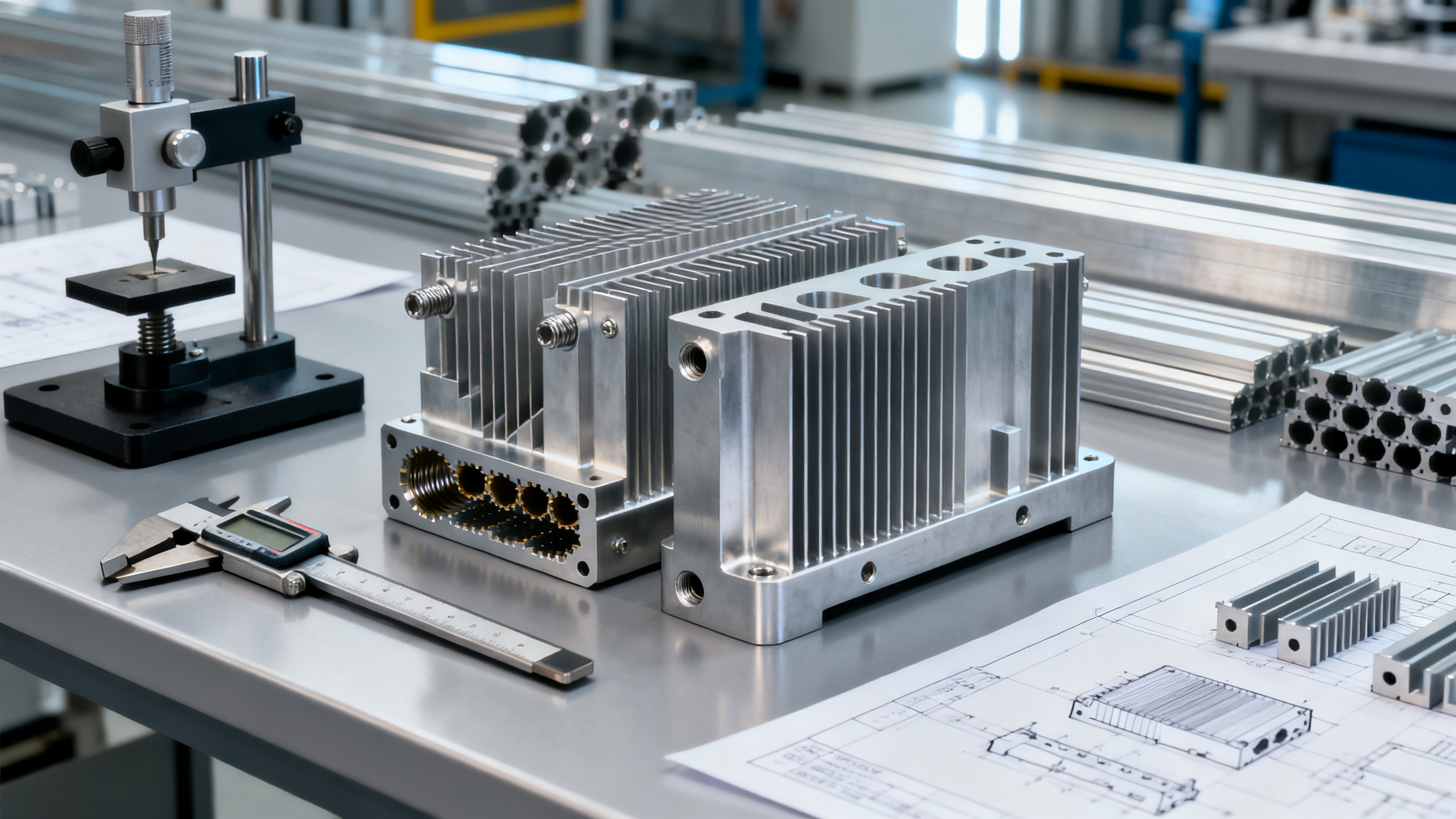
A strong manufacturer can review drawings, challenge unrealistic tolerances, recommend suitable materials, suggest alternative fabrication methods, and identify cost or performance tradeoffs early.
This engineering engagement is valuable because many sourcing failures begin long before production. They start with incomplete specifications, poor material choices, or assumptions that are never validated.
For business evaluators, a supplier that asks precise technical questions is often safer than one that says yes to everything immediately.
Reliable manufacturers help buyers avoid preventable errors. They do not just process orders; they improve manufacturability, reduce lifecycle risk, and support better procurement outcomes.
Delivery reliability is more than on-time shipment percentage
Lead time matters, but delivery reliability should be assessed more deeply than promised dates on quotations.
A dependable supplier has production planning discipline, backup capacity where needed, stable raw material channels, and realistic scheduling practices that account for inspection and packaging requirements.
Ask how the manufacturer manages demand spikes, machine downtime, tooling failure, labor shortages, and logistics disruption. The answer reveals operational maturity.
Some suppliers appear fast only because they quote aggressively, then delay under actual order load. Others deliver on time but with incomplete documents or inconsistent packaging, causing downstream delays anyway.
For business evaluators, true delivery reliability means the order arrives complete, correct, traceable, compliant, and usable in the required timeframe.
Financial and operational stability should not be ignored
Even technically capable suppliers can become high-risk if their financial or operational position is weak.
A reliable Components & Metals manufacturer should demonstrate stable operations, reasonable customer diversification, maintained equipment, and enough working capital to support raw material purchases and production cycles.
Warning signs include chronic pricing volatility, unusually large upfront payment demands, frequent management turnover, unresolved capacity bottlenecks, or dependence on a single major customer.
Business evaluators should consider whether the supplier can scale with future demand, absorb market shocks, and sustain service quality during expansion.
Reliability is not only about today’s order. It is about whether the supplier can remain a dependable source over the length of the business relationship.
Transparent communication is a practical reliability test
Many procurement issues become expensive because suppliers communicate too late, too vaguely, or too defensively.
Reliable manufacturers provide timely updates, clear escalation paths, and honest reporting when quality or scheduling issues emerge. They do not hide problems until shipment is due.
Transparency also appears in quotation clarity. A trustworthy supplier defines material grades, tolerances, testing scope, finishing details, packaging assumptions, and commercial exclusions before production begins.
This reduces ambiguity and prevents conflict later. For evaluators, strong communication is not a soft skill; it is a control mechanism that protects schedule, quality, and cost.
How to identify red flags before approving a supplier
Business evaluators often save significant cost not by finding the cheapest source, but by avoiding suppliers that create downstream failure.
Common red flags include inconsistent sample quality, incomplete material certificates, reluctance to share inspection methods, unusually broad capability claims, and repeated changes in quoted specifications.
Other concerns include poor document control, long response times for technical questions, unclear subcontracting practices, and refusal to allow audits or virtual plant reviews.
If a supplier cannot show how it handles nonconforming product, customer complaints, and corrective action, that is a serious warning sign.
Reliable manufacturers understand scrutiny. They expect professional due diligence and can support it with records, systems, and technically credible answers.
A practical evaluation framework for business decision-makers
To compare suppliers objectively, evaluators should use a weighted scorecard instead of relying on price impressions or sales confidence alone.
Core assessment categories should include quality systems, traceability, certification relevance, technical capability, capacity, delivery performance, communication quality, and total cost of ownership.
Total cost should include scrap risk, requalification effort, delays, warranty exposure, engineering support burden, and the operational impact of inconsistent parts.
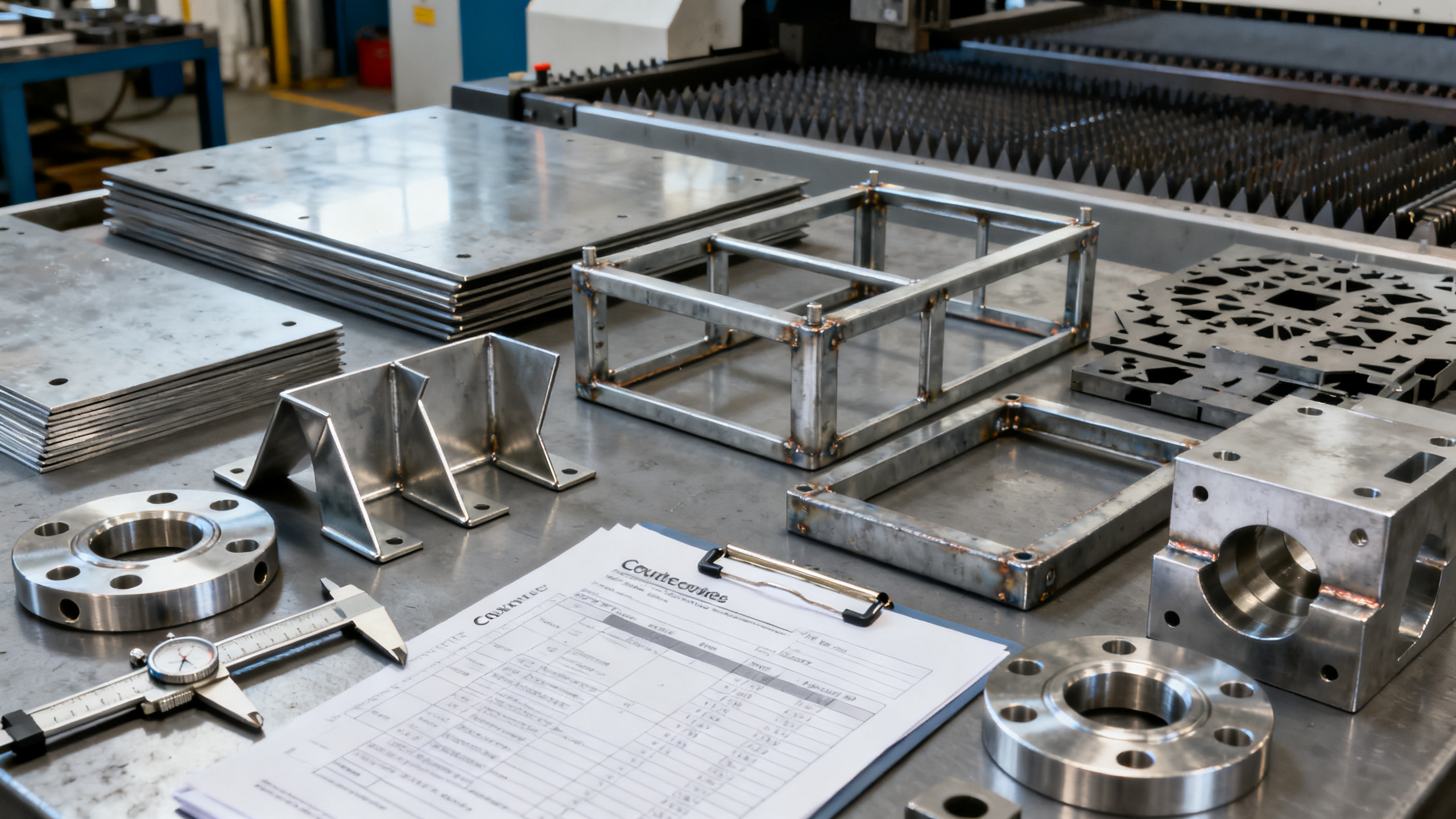
Site audits, pilot orders, document review, and reference checks all strengthen the decision process. For higher-risk categories, requesting production samples from actual tooling and material lots is often worthwhile.
The best sourcing decisions balance commercial competitiveness with operational assurance. In industrial procurement, reliability usually produces lower cost over time than aggressive initial pricing.
Why reliability creates strategic value beyond the purchase order
A reliable Components & Metals manufacturer does more than fulfill a specification. It strengthens the buyer’s supply chain resilience, quality reputation, and planning confidence.
Stable suppliers reduce the need for emergency sourcing, excess incoming inspection, production firefighting, and repeated supplier development efforts. That frees internal teams to focus on growth and optimization.
For organizations serving EPC projects, industrial plants, utilities, or regulated sectors, dependable manufacturing support can also improve bid credibility and customer trust.
In other words, supplier reliability is not only a procurement concern. It is an operational and strategic asset that directly affects business continuity and market performance.
Conclusion: what truly defines a reliable Components & Metals manufacturer
The most reliable manufacturers are not simply the ones with the lowest price, the fastest quote, or the broadest claims. They are the ones that can prove consistency.
For business evaluators, the strongest indicators are controlled processes, verified traceability, relevant certifications, measurable quality performance, technical depth, transparent communication, and stable operations.
If a supplier performs well in these areas, it is far more likely to deliver long-term value, lower sourcing risk, and support demanding industrial requirements with confidence.
In today’s global market, a reliable Components & Metals manufacturer is defined by evidence, discipline, and accountability. Those are the standards that deserve priority in every serious supplier evaluation.
Technical Specifications
- How to Select Electronic Hotel Key Card Locks for Guest Rooms and Staff AreasAuthor :Safety Compliance Lead
- How to Select Lab Instruments for Reliable Chemical Analysis WorkflowsAuthor :Precision Metrology Expert
- How to Size a UPS for Server Rooms: Load, Runtime, and Redundancy FactorsAuthor :Grid Infrastructure Analyst
Expert Insights

Chief Security Architect
Dr. Thorne specializes in the intersection of structural engineering and digital resilience. He has advised three G7 governments on industrial infrastructure security.
Related Analysis
- Sep 17, 2026How to Select Electronic Hotel Key Card Locks for Guest Rooms and Staff AreasAuthor :Safety Compliance Lead
- Sep 16, 2026How to Select Lab Instruments for Reliable Chemical Analysis WorkflowsAuthor :Precision Metrology Expert
- Sep 15, 2026How to Size a UPS for Server Rooms: Load, Runtime, and Redundancy FactorsAuthor :Grid Infrastructure Analyst
Core Sector // 01
Security & Safety
- Stainless Steel Welded Tube Applications: Matching Tube Supply to Fabrication NeedsAuthor :Heavy Industry Strategist

- What Maintenance Do Furnace Components Need After 18 Months?Author :Heavy Industry Strategist

- How to Assess Metal Materials for Thermal Cycling in Power BoilersAuthor :Heavy Industry Strategist

- How to Evaluate Aluminum Extrusion Suppliers for Tight-Tolerance Components?Author :Heavy Industry Strategist

- How to Evaluate a Weld Neck Flange Manufacturer for High-Pressure Pipe ProjectsAuthor :Heavy Industry Strategist

- EU REACH Ban Hits Cr(VI)-Coated Steel ImportsAuthor :Heavy Industry Strategist
-Coated Steel Imports")
- How to Evaluate a Heat Sink Aluminum Profile Supplier for Custom Thermal ProjectsAuthor :Heavy Industry Strategist

- Industrial Metal Fabrication Components Price: What Drives Cost and How to Compare QuotesAuthor :Heavy Industry Strategist