Morocco Extends Safeguard Measures on Hot-Rolled Steel Plates
Author
Date Published
Reading Time
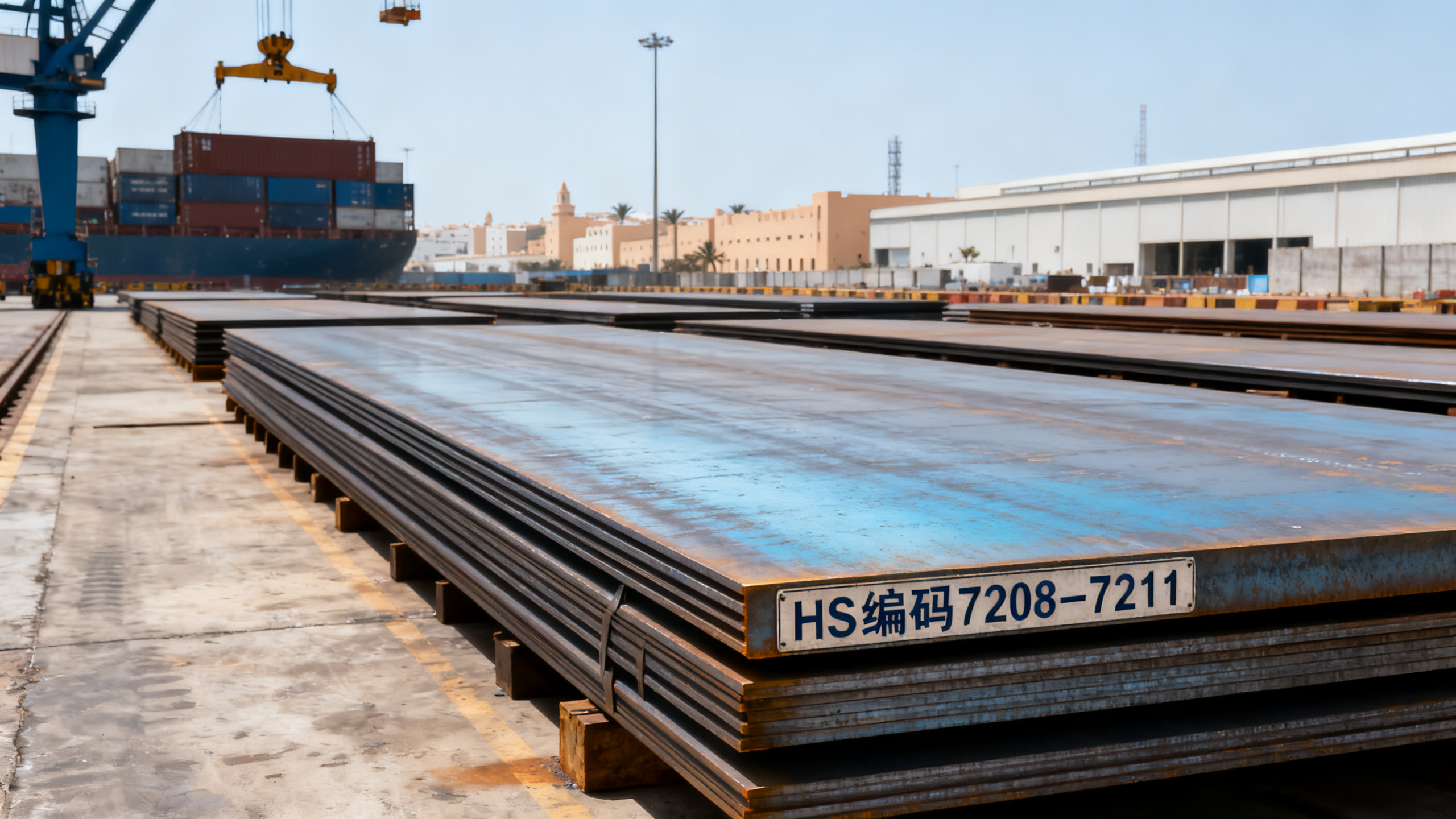
Morocco’s Royal Decree dated May 12, 2026, extends safeguard measures on imported hot-rolled steel plates (HS codes 7208–7211) through May 31, 2027. The adjustment reduces annual export quotas for Chinese steel and metal profiles producers by 23%, while allocating larger shares to EU and Turkish suppliers. This development directly affects downstream manufacturers of bearing housings, structural protective enclosures, and industrial dust collector frames — particularly those engaged in local assembly in Morocco.
Event Overview
On May 12, 2026, the Kingdom of Morocco officially announced the extension of safeguard measures applicable to hot-rolled steel plates under HS codes 7208–7211. The measures, originally introduced to address import surges threatening domestic production, are now extended until May 31, 2027. Under the revised allocation framework, China’s annual export quota is reduced by 23% relative to prior levels; quota shares for the European Union and Turkey have been comparatively increased. No additional procedural changes or tariff adjustments were disclosed in the official notice.
Industries Affected
Direct Exporters (Steel & Metal Profiles Producers)
Chinese enterprises exporting hot-rolled steel plates to Morocco face immediate quota constraints. The 23% reduction applies specifically to their allocated annual volume, limiting shipment capacity regardless of demand or contract commitments. This may trigger renegotiation of supply agreements or shifts toward alternative markets where quota access remains unaffected.
Downstream Fabricators (Structural Component Manufacturers)
Manufacturers assembling bearing housings, protective steel enclosures, and dust collector frames in Morocco rely on imported hot-rolled steel as a primary raw material. Tighter quota availability raises procurement lead times and may increase landed costs due to scarcity-driven pricing or substitution with higher-cost alternatives. Localized assembly operations could face margin pressure or delays in project delivery timelines.
Supply Chain & Distribution Intermediaries
Trading companies and regional distributors handling steel imports into Morocco must now manage tighter allocation windows and potentially more frequent quota reallocations. Their role in coordinating documentation, customs clearance, and quota utilization tracking becomes operationally more complex — especially given the lack of published transparency on quarterly or semi-annual sub-allocation mechanisms.
Key Considerations and Recommended Actions
Monitor Official Quota Allocation Notices
While the May 12 decree confirms the 23% cut and extension timeline, detailed implementation rules—including timing of quota releases, verification procedures, and eligibility criteria for quota transfers—have not yet been published. Stakeholders should track updates from Morocco’s Ministry of Industry and Trade and the National Office of Customs and Indirect Taxes (ONDA).
Review Exposure to Specific Product Categories and End Uses
The safeguard measure explicitly covers HS 7208–7211. Enterprises supplying related downstream components (e.g., fabricated bearing housings, welded structural frames) should verify whether their finished goods fall under scope via origin-based classification or whether they remain outside the measure due to post-import processing. Clarification may require formal binding tariff information (BTI) requests.
Distinguish Between Policy Signal and Operational Impact
The quota reduction reflects a policy-level decision, but actual supply disruption depends on how strictly quotas are enforced at Moroccan ports and whether unused allocations from other countries are re-allocated. Early evidence suggests limited re-allocation so far; therefore, current planning should assume the 23% reduction is binding for the full 2026–2027 period unless revised.
Prepare Contingency Plans for Sourcing and Logistics
Exporters and fabricators should assess feasibility of partial sourcing from non-quota-restricted origins (e.g., EU-sourced material entering Morocco under preferential terms), evaluate stockpiling options ahead of potential mid-year quota exhaustion, and initiate dialogue with Moroccan partners regarding documentation readiness and customs pre-clearance protocols.
Editorial Observation / Industry Perspective
Observably, this extension signals Morocco’s continued prioritization of domestic steel capacity protection over liberalized trade access — particularly amid ongoing regional infrastructure investment. Analysis shows the quota reallocation favors established trading partners with deeper integration into Morocco’s regulatory and certification frameworks, rather than reflecting purely economic or technical criteria. From an industry standpoint, the move is better understood as a structural recalibration than a temporary corrective action: it embeds longer-term supply chain planning requirements for Chinese exporters and their Moroccan customers. Continuous monitoring is warranted, as further adjustments — such as mid-cycle quota reviews or sector-specific exemptions — remain possible but unconfirmed.
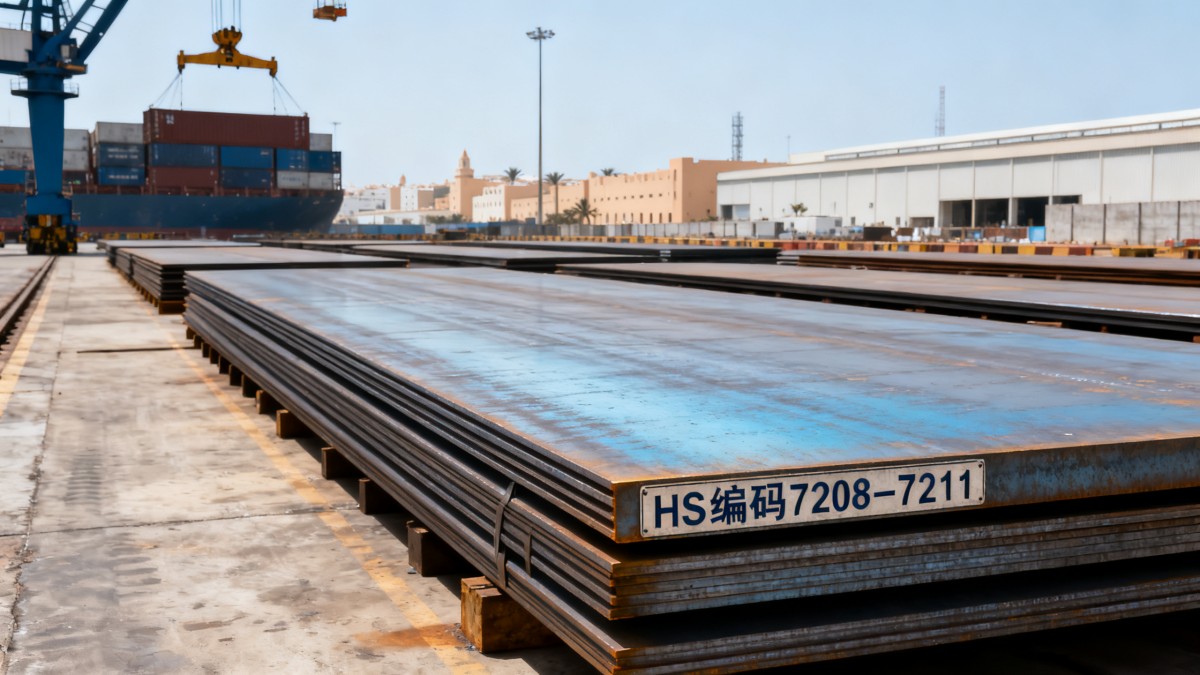
This notice underscores how trade remedy instruments increasingly shape localized manufacturing economics beyond tariff rates alone. For stakeholders in steel-intensive fabrication sectors, the key implication lies not in headline quota percentages, but in the cumulative effect on lead time predictability, cost pass-through mechanisms, and long-term partner alignment in North African markets.
Source: Official Gazette of the Kingdom of Morocco, Royal Decree No. 2.26.XXX, issued May 12, 2026, concerning the extension of safeguard measures on hot-rolled steel plates (HS 7208–7211).
Further details on quota administration and sub-allocation methodology remain pending publication and are subject to ongoing observation.
Technical Specifications
- How to Select Electronic Hotel Key Card Locks for Guest Rooms and Staff AreasAuthor :Safety Compliance Lead
- How to Select Lab Instruments for Reliable Chemical Analysis WorkflowsAuthor :Precision Metrology Expert
- How to Size a UPS for Server Rooms: Load, Runtime, and Redundancy FactorsAuthor :Grid Infrastructure Analyst
Expert Insights

Chief Security Architect
Dr. Thorne specializes in the intersection of structural engineering and digital resilience. He has advised three G7 governments on industrial infrastructure security.
Related Analysis
- Sep 17, 2026How to Select Electronic Hotel Key Card Locks for Guest Rooms and Staff AreasAuthor :Safety Compliance Lead
- Sep 16, 2026How to Select Lab Instruments for Reliable Chemical Analysis WorkflowsAuthor :Precision Metrology Expert
- Sep 15, 2026How to Size a UPS for Server Rooms: Load, Runtime, and Redundancy FactorsAuthor :Grid Infrastructure Analyst
Core Sector // 01
Security & Safety
- Stainless Steel Welded Tube Applications: Matching Tube Supply to Fabrication NeedsAuthor :Heavy Industry Strategist

- What Maintenance Do Furnace Components Need After 18 Months?Author :Heavy Industry Strategist

- How to Assess Metal Materials for Thermal Cycling in Power BoilersAuthor :Heavy Industry Strategist

- How to Evaluate Aluminum Extrusion Suppliers for Tight-Tolerance Components?Author :Heavy Industry Strategist

- How to Evaluate a Weld Neck Flange Manufacturer for High-Pressure Pipe ProjectsAuthor :Heavy Industry Strategist

- EU REACH Ban Hits Cr(VI)-Coated Steel ImportsAuthor :Heavy Industry Strategist
-Coated Steel Imports")
- How to Evaluate a Heat Sink Aluminum Profile Supplier for Custom Thermal ProjectsAuthor :Heavy Industry Strategist

- Industrial Metal Fabrication Components Price: What Drives Cost and How to Compare QuotesAuthor :Heavy Industry Strategist