EU REACH Ban Hits Cr(VI)-Coated Steel Imports
Author
Date Published
Reading Time
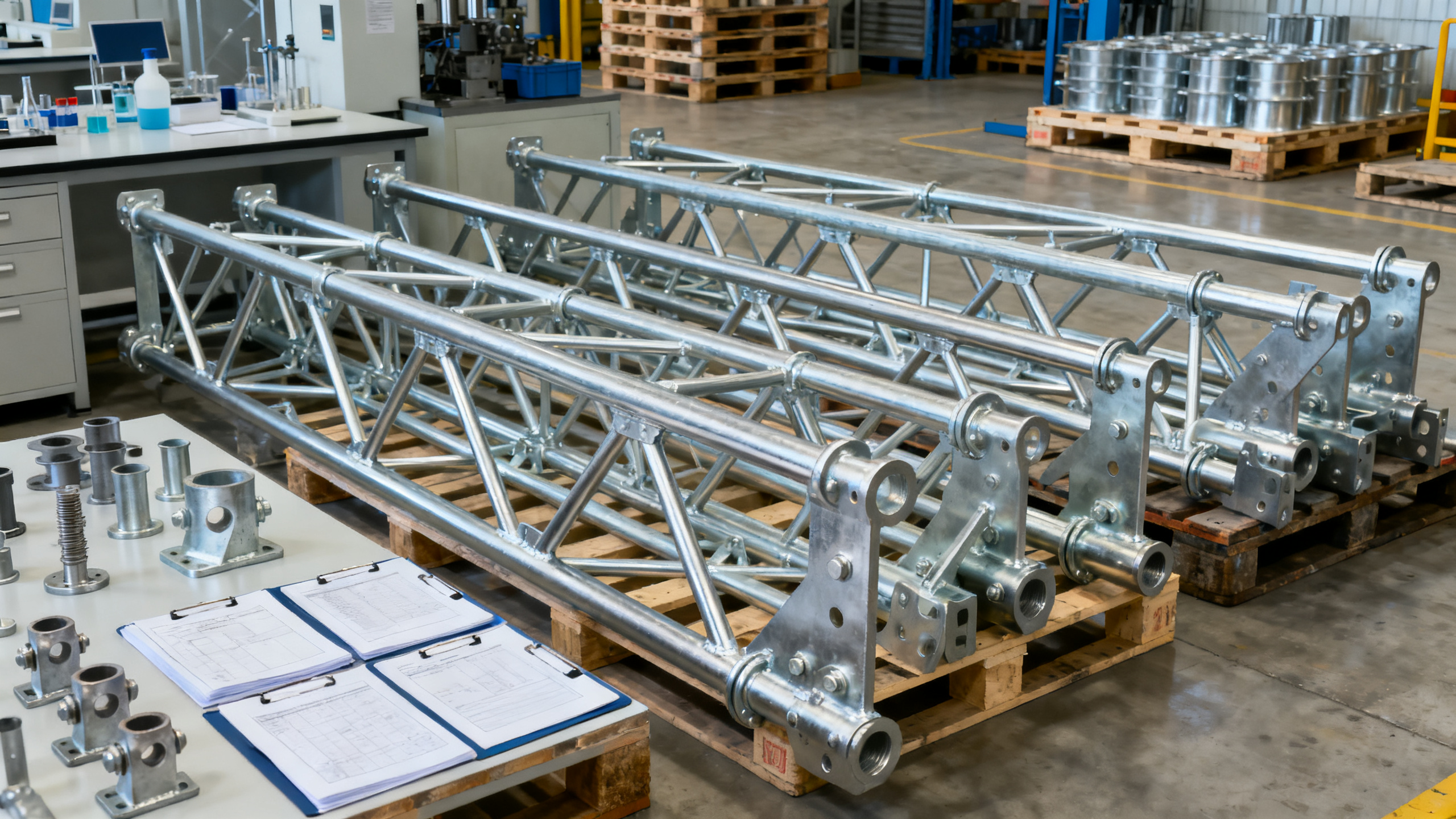
On August 4, 2026, the Official Journal of the European Union published Regulation (EU) 2026/1392, introducing an immediate market-access change for steel structural components coated with hexavalent chromium conversion layers. From the next day after publication, such products can no longer enter the EU market, making this a direct compliance and delivery issue for exporters, manufacturers, buyers, testing parties, and supply chain teams involved in Steel & Metal Profiles and Power Transmission products. The development deserves attention because it does not stay at the level of policy discussion; it directly affects coating process choices, shipment readiness, supporting documentation, and customs clearance risk.
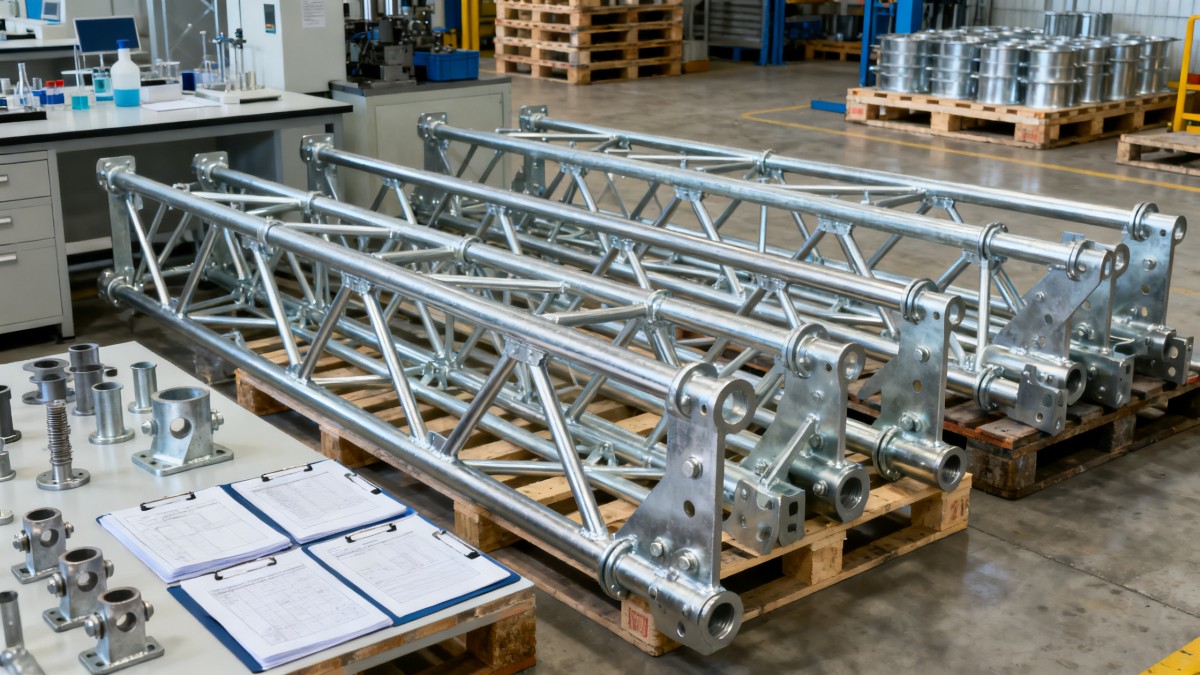
What the New Restriction Covers
According to the provided event information, Regulation (EU) 2026/1392 was published in the Official Journal of the European Union on August 4, 2026. From the day following publication, steel structural components containing hexavalent chromium, or Cr(VI), conversion coatings are prohibited from entering the EU market.
The products explicitly mentioned include items such as metal guardrails, brackets, and fittings for power transmission towers. The restriction directly covers export products in the Steel & Metal Profiles and Power Transmission categories.
The provided information also states that Chinese suppliers are required to switch immediately to chromium-free passivation or trivalent chromium processes, and to provide third-party Cr(VI) test reports issued under EN ISO 17025. Non-compliant goods are subject to customs detention and return.
Where the Pressure Will Be Felt First
Export shipments now face a narrower compliance window
For exporters shipping covered steel structural components to the EU, the immediate impact is on shipment eligibility rather than only on product specification. The rule change matters because coated goods that were previously prepared under existing production routines may now fail at the border if they still use Cr(VI) conversion coatings. What deserves closer attention is the combination of process change and documentary proof: exporters need to follow both the coating requirement and the testing-report requirement tied to EN ISO 17025.
Manufacturing and finishing lines must align process selection with delivery commitments
For processors and manufacturers, the main effect is likely to appear in surface-treatment decisions, production scheduling, and release control. Analysis shows that any producer supplying metal guardrails, brackets, tower fittings, or related structural items for the EU market will need to confirm whether current finishing lines still involve hexavalent chromium conversion coatings. The compliance issue is not limited to technical substitution; it also affects whether finished lots can be documented and shipped without interruption.
Procurement and buyer-side controls may tighten around specifications and supporting files
For buyers, sourcing teams, and channel participants handling EU-bound orders, the rule change may alter purchasing criteria and acceptance conditions. From an industry perspective, procurement documents, technical specifications, and pre-shipment file checks become more important once a coating type is explicitly tied to import admissibility. Even where commercial terms remain unchanged, supporting evidence for Cr(VI) status is likely to become a more visible part of order review and supplier qualification.
Testing and compliance service providers become part of the delivery path
The event summary specifically requires third-party Cr(VI) test reports under EN ISO 17025, which means testing capacity and document validity become part of the practical delivery chain. For testing and compliance service providers, the impact is tied to report issuance, scope alignment, and timing. For suppliers, the issue is not only obtaining a report, but ensuring that the report supports customs-facing compliance expectations for the covered product and coating condition.
Practical Priorities for Companies Right Now
Review whether any EU-bound products still use Cr(VI) conversion coatings
Companies handling covered steel structural components should first identify whether products intended for the EU still rely on hexavalent chromium conversion coatings. This is the most immediate screening point because the restriction applies to market entry, and non-compliant goods may be detained and returned.
Check whether alternative finishing routes are already qualified for supply
The provided information points to chromium-free passivation or trivalent chromium processes as the required direction for Chinese suppliers. Observably, companies should verify whether these alternatives are already available within approved production and sourcing arrangements, and whether current orders, samples, or in-process lots need specification review before dispatch.
Bring testing documents into shipment readiness checks
The requirement for third-party Cr(VI) reports under EN ISO 17025 means testing records should be treated as shipment-critical documents rather than as background compliance files. Companies should pay attention to whether relevant reports are available in time for order release, customs documentation, and buyer submission requirements.
Watch for changes in tender files, customer specifications, and execution language
The provided event information does not include detailed implementation guidance beyond the restriction and testing requirement. It is therefore more appropriate to understand current action needs as immediate compliance review plus ongoing monitoring of how buyers, tender documents, and transaction documents begin to reflect the new restriction in practice.
Why This Looks Like an Execution Signal
Analysis shows that this development is better understood as an already operative compliance signal rather than a distant regulatory direction. The timing matters: the restriction applies from the day after publication, and the summary explicitly links non-compliance to customs detention and return. At the same time, some practical aspects still require observation, including how consistently documentary expectations are applied in trade execution, how buyers rewrite technical files, and how suppliers adjust validation around alternative coating processes.
From an industry perspective, the significance of this update lies in its effect on routine export operations. It connects regulatory language directly to process substitution, third-party testing, and border risk, which means commercial teams and production teams cannot treat it as a standalone legal notice.
How the Market Should Read This Update
This update is best read as a rule change with immediate trade relevance for EU-bound steel structural components, especially within Steel & Metal Profiles and Power Transmission supply chains. The confirmed facts are narrow but operationally important: certain Cr(VI)-coated products are barred from entry, alternative coating routes are required, testing documentation matters, and customs consequences are explicit. A neutral reading is that the market now needs to focus less on whether the restriction is real and more on how quickly internal product, process, and documentation controls can match it.
Basis of This Article
This article was generated based on the user-provided news title, event date, and event summary. For developments of this kind, commonly relevant source categories may include official notices, regulatory publications, customs or trade authority information, industry association communications, standards-related documents, and reporting by authoritative trade media.
No specific official source link was provided in the input, so the exact official link still needs to be verified on an ongoing basis. Observably, the points that remain worth tracking include any further policy wording, enforcement interpretation, certification and testing practice, tender-document updates, market feedback, and how affected companies implement the required process change in actual export operations.
Technical Specifications
- How to Select an Access Control Management System for Multi-Site FacilitiesAuthor :Safety Compliance Lead
- Portable Gas Monitor Calibration: How Often Is It Needed for Safe Confined-Space Work?Author :Precision Metrology Expert
- Wholesale Borosilicate Lab Glassware: How Buyers Verify Quality, Specs, and Supply ReliabilityAuthor :Precision Metrology Expert
Expert Insights

Chief Security Architect
Dr. Thorne specializes in the intersection of structural engineering and digital resilience. He has advised three G7 governments on industrial infrastructure security.
Related Analysis
- Sep 20, 2026How to Select an Access Control Management System for Multi-Site FacilitiesAuthor :Safety Compliance Lead
- Sep 19, 2026Portable Gas Monitor Calibration: How Often Is It Needed for Safe Confined-Space Work?Author :Precision Metrology Expert
- Sep 18, 2026Wholesale Borosilicate Lab Glassware: How Buyers Verify Quality, Specs, and Supply ReliabilityAuthor :Precision Metrology Expert
Core Sector // 01
Security & Safety
- Stainless Steel Welded Tube Applications: Matching Tube Supply to Fabrication NeedsAuthor :Heavy Industry Strategist

- What Maintenance Do Furnace Components Need After 18 Months?Author :Heavy Industry Strategist

- How to Assess Metal Materials for Thermal Cycling in Power BoilersAuthor :Heavy Industry Strategist

- How to Evaluate Aluminum Extrusion Suppliers for Tight-Tolerance Components?Author :Heavy Industry Strategist

- How to Evaluate a Weld Neck Flange Manufacturer for High-Pressure Pipe ProjectsAuthor :Heavy Industry Strategist

- EU REACH Ban Hits Cr(VI)-Coated Steel ImportsAuthor :Heavy Industry Strategist
-Coated Steel Imports")
- How to Evaluate a Heat Sink Aluminum Profile Supplier for Custom Thermal ProjectsAuthor :Heavy Industry Strategist

- Industrial Metal Fabrication Components Price: What Drives Cost and How to Compare QuotesAuthor :Heavy Industry Strategist