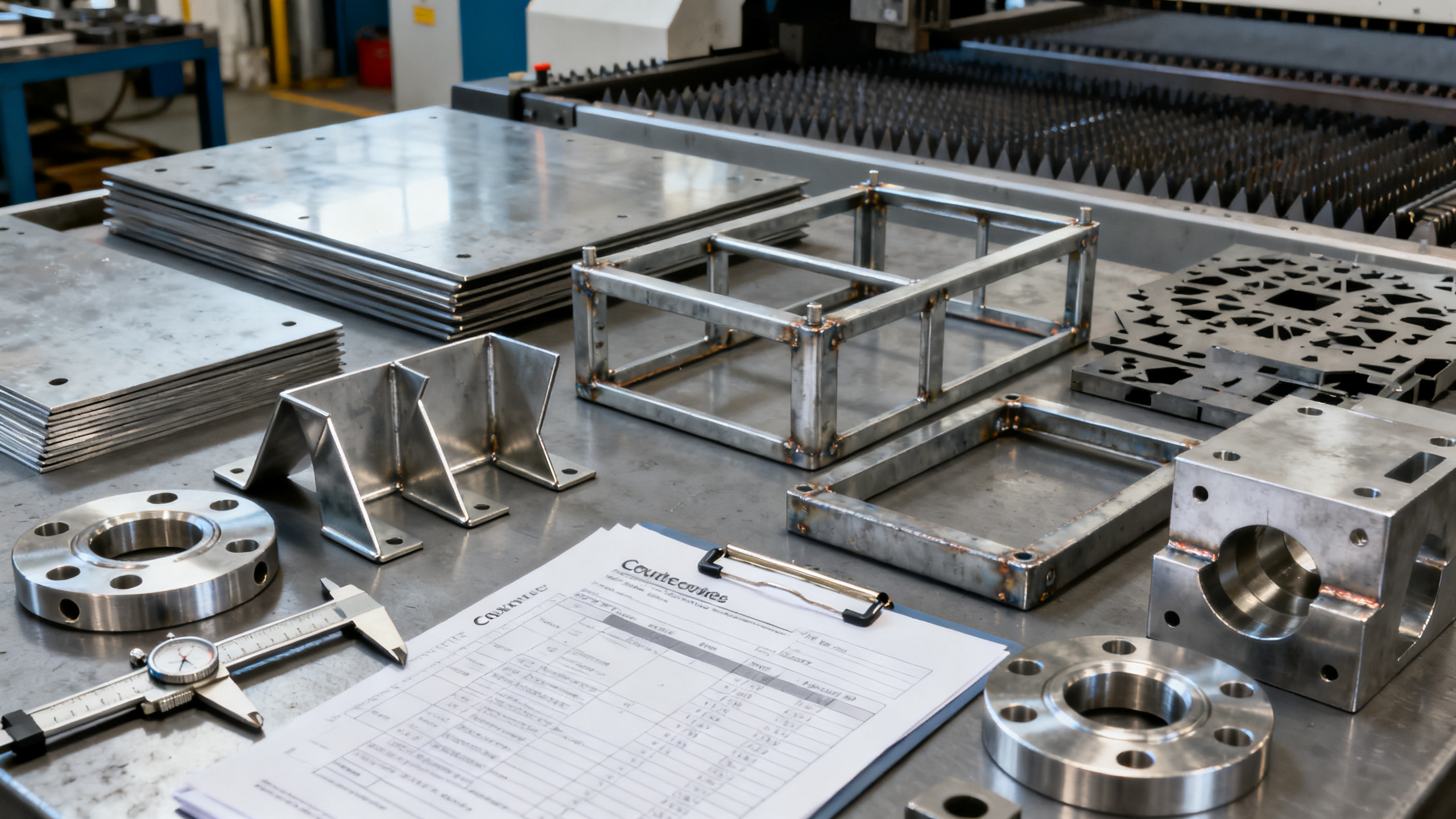
Stainless Steel Welded Tube Applications: Matching Tube Supply to Fabrication Needs
Author
Date Published
Reading Time
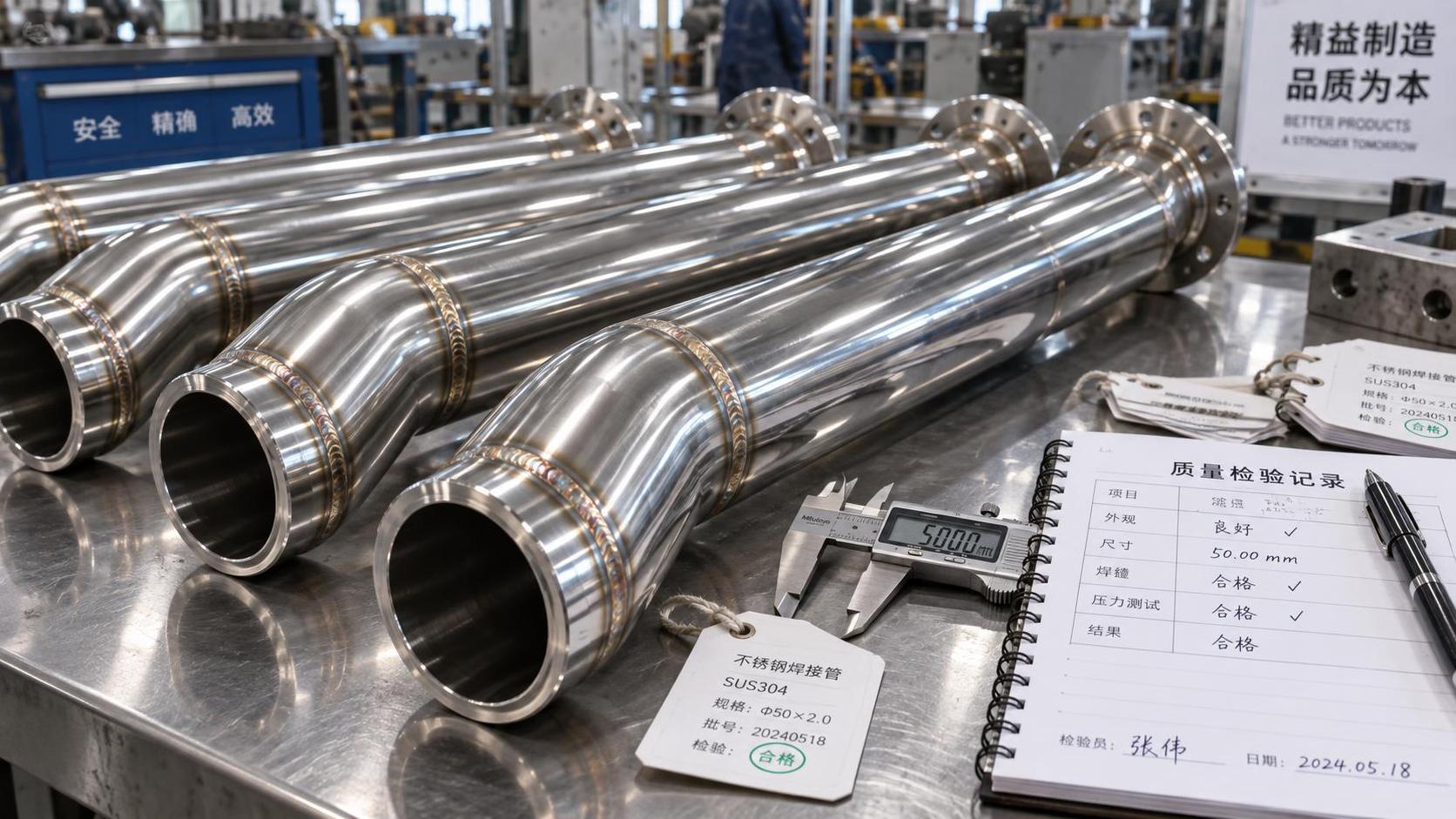
Tube purchasing becomes easier when the buyer starts from the fabrication path rather than the catalog name. The same welded tube can serve very different jobs depending on grade, finish, tolerance, and end use. That is why the first article link is placed on the exact product term: Stainless Steel Welded Tube. The link points to a product-specific landing page, while the surrounding text remains readable for editors and buyers.
This article is written as a application solution guide, not as a generic catalog rewrite. The focus is application matching, fabrication route, and surface quality control. It is intended for procurement teams, importers, distributors, project contractors, engineers, and quality-control staff who need a practical way to judge suppliers before approving a larger order.
Build the Tube Choice Around the Fabrication Route
Application planning starts with how the tube will be cut, bent, welded, polished, installed, or resold. Each step changes the tolerance, surface, and packing expectations.
For buyers working across fabrication workshops, railing systems, equipment frames, fluid handling, decorative structures, service centers, and export distribution, the useful question is how the specification behaves after ordering. The product may be processed, installed, repacked, resold, or maintained by a different team from the team that first approved the purchase. That handoff makes clear scope more valuable than a vague quotation. A supplier should be able to explain which assumptions are included, which requirements need confirmation, and which documents or photos can support the buyer's review.
Match Grade and Finish to the Visible Job
Decorative structures, equipment frames, and fluid-handling lines do not judge quality in the same way. Surface appearance may dominate one project, while weld behavior or corrosion expectations dominate another.
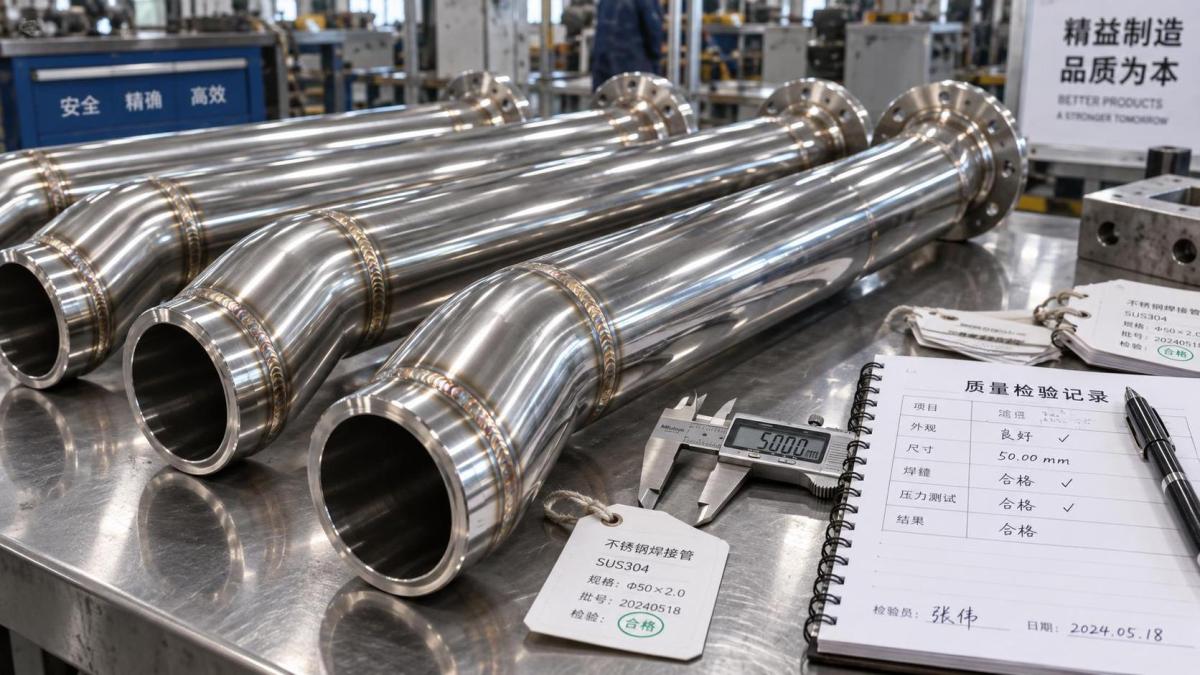
For buyers working across fabrication workshops, railing systems, equipment frames, fluid handling, decorative structures, service centers, and export distribution, the useful question is how the specification behaves after ordering. The product may be processed, installed, repacked, resold, or maintained by a different team from the team that first approved the purchase. That handoff makes clear scope more valuable than a vague quotation. A supplier should be able to explain which assumptions are included, which requirements need confirmation, and which documents or photos can support the buyer's review.
Plan Bundling, Labeling, and Arrival Checks
Tube shipments are handled several times before use. End protection, bundle tightness, label clarity, and arrival inspection help protect both distributors and fabricators.
For buyers working across fabrication workshops, railing systems, equipment frames, fluid handling, decorative structures, service centers, and export distribution, the useful question is how the specification behaves after ordering. The product may be processed, installed, repacked, resold, or maintained by a different team from the team that first approved the purchase. That handoff makes clear scope more valuable than a vague quotation. A supplier should be able to explain which assumptions are included, which requirements need confirmation, and which documents or photos can support the buyer's review.
Supplier Evaluation Table
Risk Review Before Order Confirmation
The main purchasing risks include weld seam expectations, surface mismatch, dimensional tolerance disputes, grade confusion, bending cracks, poor end protection, and mixed bundle labels. These issues can appear during production, shipment, installation, customer acceptance, or repeat ordering. A buyer who waits until arrival inspection may have fewer options, especially when goods are needed for a project schedule or a production line.
Early review should be practical. Ask suppliers to confirm dimensions, grade or model basis, packing method, label format, document availability, shipment preparation, and any known limits. If the product will be processed, ask about handling and fabrication expectations. If it will be installed, ask about interface dimensions and responsibility boundaries. If it will be stocked for resale, ask about visual consistency, reorder control, and packaging durability.
Buyers should also keep a written comparison record. The record does not need to be complicated. It should show the selected keyword, landing page, supplier quotation scope, requested evidence, approved documents, and open questions. That simple file helps purchasing, sales, engineering, and warehouse teams make the same decision from the same facts.
Pre-Approval Workflow for a Cleaner Purchase
A cleaner purchase normally follows a short but disciplined workflow. First, the buyer confirms the real use case and separates critical requirements from preferences. Second, the supplier confirms whether the requested specification is standard, custom, stocked, or subject to production scheduling. Third, both sides review documents and visual evidence before the order moves into a costly stage. Fourth, packing and logistics are checked against the destination, route, storage time, and unloading conditions. Finally, the buyer records the accepted scope so future orders do not restart from memory.
This workflow is useful because many purchasing disputes come from silence rather than open disagreement. The buyer assumes one grade, package, label, inspection document, or accessory scope; the supplier assumes another; both sides discover the gap only after production or shipment. A written pre-approval routine gives both teams a shared reference. It also helps editors and readers understand why the article is practical: it does not simply name a product, but explains how to buy it with fewer avoidable surprises.
Portal Match and Category Rationale
The recommended portal for this article is www.chengshunmetals.com, with the final category Components & Metals|Steel & Metal Profiles. This is one matched category path from the latest directory, using one second-level category after the vertical bar. It avoids listing several columns separated by punctuation, which keeps the publishing route clearer for the portal editor.
The selected category fits the product's industry: Stainless Steel Pipe and Tube Materials. Chemical resin belongs with polymer materials; heavy trucks belong with transport and tractor categories; steel and coated sheets belong with steel market or metal profile columns; bearings belong with high-precision bearing coverage. When the article category, title, metadata, anchor text, and landing page all describe the same buying topic, the external article is easier to place and easier to review later.
Procurement Checklist
- Confirm the core product keyword: Stainless Steel Welded Tube.
- Confirm the landing page URL shown in the metadata.
- Use only the selected final category: Components & Metals|Steel & Metal Profiles.
- Define application, destination market, quantity range, documents, packing, and acceptance needs before comparing prices.
- Ask each supplier to confirm the assumptions behind the quotation.
- Request practical evidence such as photos, labels, certificates, drawings, inspection notes, or packing records.
- Check shipment and storage risks before the goods leave the supplier.
- Keep approved records for repeat orders and later supplier comparison.
FAQ
Why is one core product keyword used?
One core keyword keeps the article focused and aligns the title, TDK block, metadata, anchor text, and landing page.
Why is there only one external link?
One contextual product link keeps the article natural for readers and avoids turning the content into a promotional link list.
What should buyers compare before choosing a supplier?
Buyers should compare application fit, specification scope, evidence quality, packing, logistics, documentation, communication clarity, and repeat-supply discipline.
How should the article be checked before publishing?
The publisher should confirm that the portal category, product keyword, landing URL, visible TDK, and house style all match the final upload requirements.
Technical Specifications
- How to Select Electronic Hotel Key Card Locks for Guest Rooms and Staff AreasAuthor :Safety Compliance Lead
- How to Select Lab Instruments for Reliable Chemical Analysis WorkflowsAuthor :Precision Metrology Expert
- How to Size a UPS for Server Rooms: Load, Runtime, and Redundancy FactorsAuthor :Grid Infrastructure Analyst
Expert Insights

Chief Security Architect
Dr. Thorne specializes in the intersection of structural engineering and digital resilience. He has advised three G7 governments on industrial infrastructure security.
Related Analysis
- Sep 17, 2026How to Select Electronic Hotel Key Card Locks for Guest Rooms and Staff AreasAuthor :Safety Compliance Lead
- Sep 16, 2026How to Select Lab Instruments for Reliable Chemical Analysis WorkflowsAuthor :Precision Metrology Expert
- Sep 15, 2026How to Size a UPS for Server Rooms: Load, Runtime, and Redundancy FactorsAuthor :Grid Infrastructure Analyst
Core Sector // 01
Security & Safety
- Stainless Steel Welded Tube Applications: Matching Tube Supply to Fabrication NeedsAuthor :Heavy Industry Strategist

- What Maintenance Do Furnace Components Need After 18 Months?Author :Heavy Industry Strategist

- How to Assess Metal Materials for Thermal Cycling in Power BoilersAuthor :Heavy Industry Strategist

- How to Evaluate Aluminum Extrusion Suppliers for Tight-Tolerance Components?Author :Heavy Industry Strategist

- How to Evaluate a Weld Neck Flange Manufacturer for High-Pressure Pipe ProjectsAuthor :Heavy Industry Strategist

- EU REACH Ban Hits Cr(VI)-Coated Steel ImportsAuthor :Heavy Industry Strategist
-Coated Steel Imports")
- How to Evaluate a Heat Sink Aluminum Profile Supplier for Custom Thermal ProjectsAuthor :Heavy Industry Strategist

- Industrial Metal Fabrication Components Price: What Drives Cost and How to Compare QuotesAuthor :Heavy Industry Strategist