How to compare components & metals without costly mistakes
Author
Date Published
Reading Time

Comparing Components & Metals is rarely just a price decision. It affects safety, uptime, certification, maintenance cost, and long-term project exposure.
In industrial environments, one small mismatch can trigger corrosion, seal failure, dimensional drift, electrical loss, or rejected inspections. That risk is growing as supply chains diversify.
A stronger approach to Components & Metals comparison now requires technical evidence, lifecycle thinking, and clear verification points. The goal is not simply lower cost. It is fewer costly mistakes.
Why Components & Metals comparisons have become more critical

Across heavy industry, design conditions are becoming harsher. Systems face higher temperatures, tighter tolerances, stricter emissions controls, and more documented compliance requirements.
At the same time, sourcing options have expanded. Equivalent-looking parts may differ in alloy chemistry, heat treatment, surface finish, traceability, or testing scope.
That is why Components & Metals decisions now sit closer to risk management than ordinary purchasing. Material comparison has become a resilience issue.
The clearest trend signals shaping material and part selection
Several signals show why technical comparison is getting harder and more important. These shifts affect valves, fasteners, housings, enclosures, structural parts, and precision assemblies alike.
- More cross-border sourcing creates wider variation in standards interpretation.
- Facilities expect longer service life under corrosive or cyclic loads.
- Compliance audits increasingly require full traceability and documented test results.
- Energy efficiency targets push tighter fit, conductivity, and thermal performance.
- Maintenance teams demand interchangeability without hidden dimensional deviations.
These trends make simple catalog comparison unreliable. Components & Metals must be evaluated as functional systems, not isolated items.
What is driving the shift behind better Components & Metals evaluation
The strongest lesson is simple. Compare what the part must survive, not only what the part is called.
Where costly mistakes often happen in Components & Metals decisions
Alloy names are treated as full performance proof
A stainless grade label alone says little about inclusion control, processing route, or final corrosion behavior. Similar names can perform differently in chlorides or elevated heat.
Tolerance assumptions replace measured verification
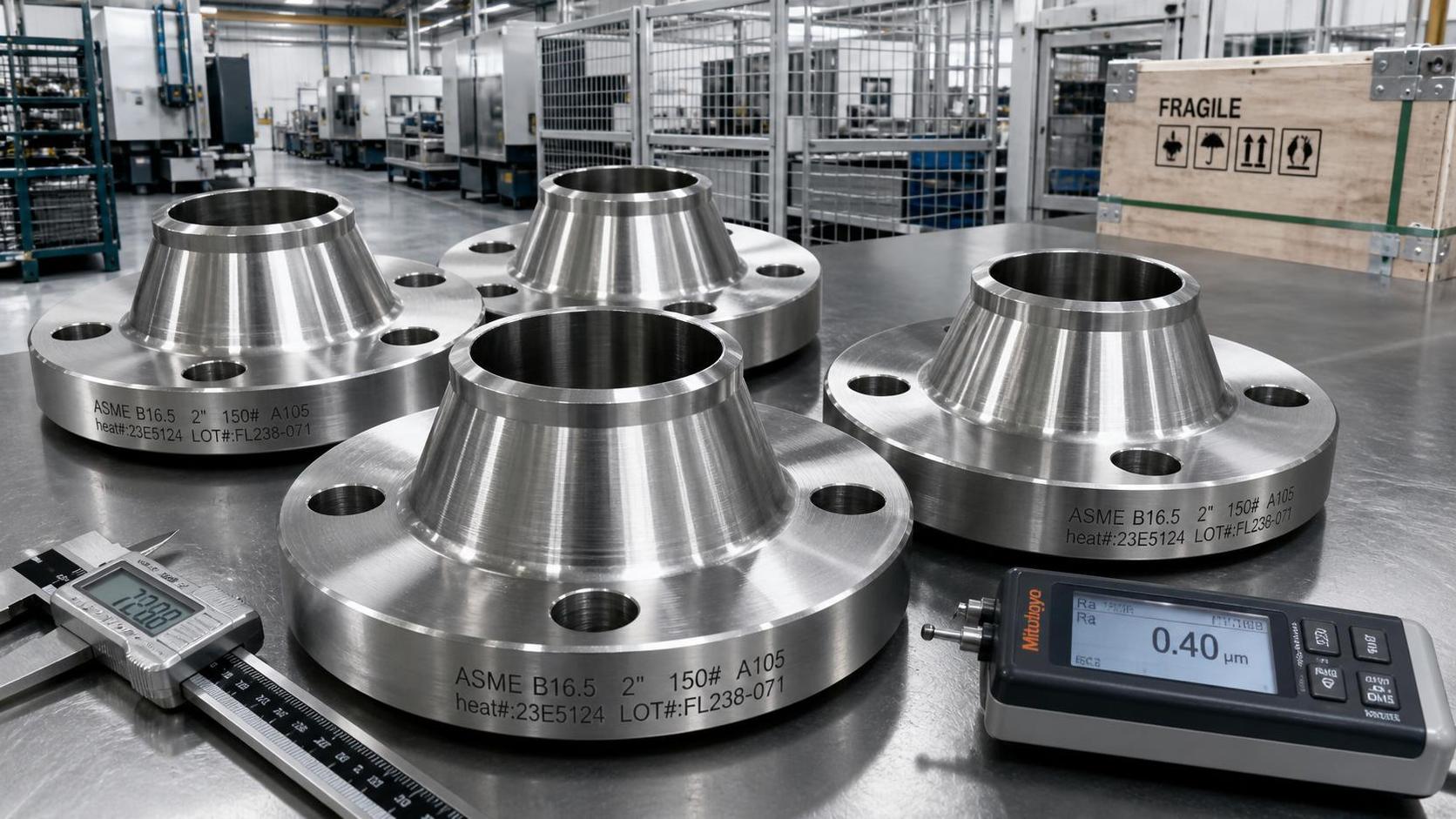
Components & Metals may share the same drawing dimensions yet differ in flatness, concentricity, thread quality, or surface roughness. Assembly problems usually start there.
Coatings are compared without environment context
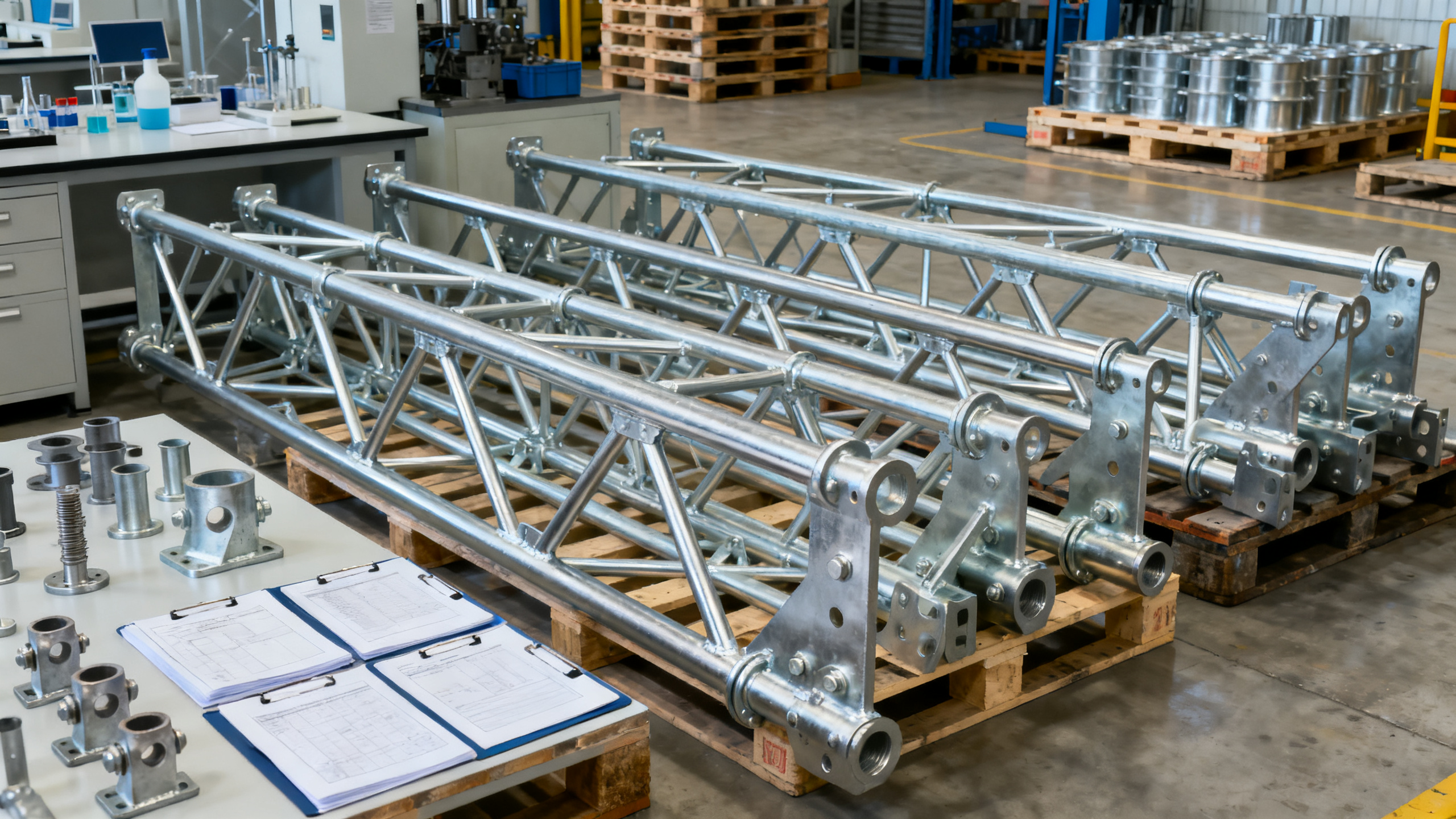
Zinc plating, galvanizing, anodizing, passivation, and thermal spray systems behave differently under humidity, abrasion, chemicals, and electrical contact conditions.
Certificates are accepted without scope review
A document may confirm compliance for one batch, one dimension range, or one test method only. That does not automatically validate the delivered application.
How these shifts affect industrial systems and business performance
The effect of weak comparison goes beyond the part itself. Components & Metals influence installation speed, inspection acceptance, spares planning, and energy reliability.
In mechanical systems, unsuitable metallurgy can accelerate wear, galling, leakage, or thermal distortion. In electrical systems, wrong conductivity or coating choices can raise resistance and heat.
In environmental and safety applications, material mismatch can compromise containment, sensor accuracy, or enclosure integrity. The result is often downtime plus audit exposure.
- More corrective maintenance after installation
- Higher failure investigation and retesting costs
- Delays caused by nonconforming documentation
- Reduced confidence in alternate source qualification
What deserves the closest attention during Components & Metals comparison
A practical review framework helps separate genuine equivalence from visual similarity. Focus on the variables that most often alter field performance.
- Base material: Verify exact grade, chemistry limits, and applicable ASTM, EN, ISO, or DIN references.
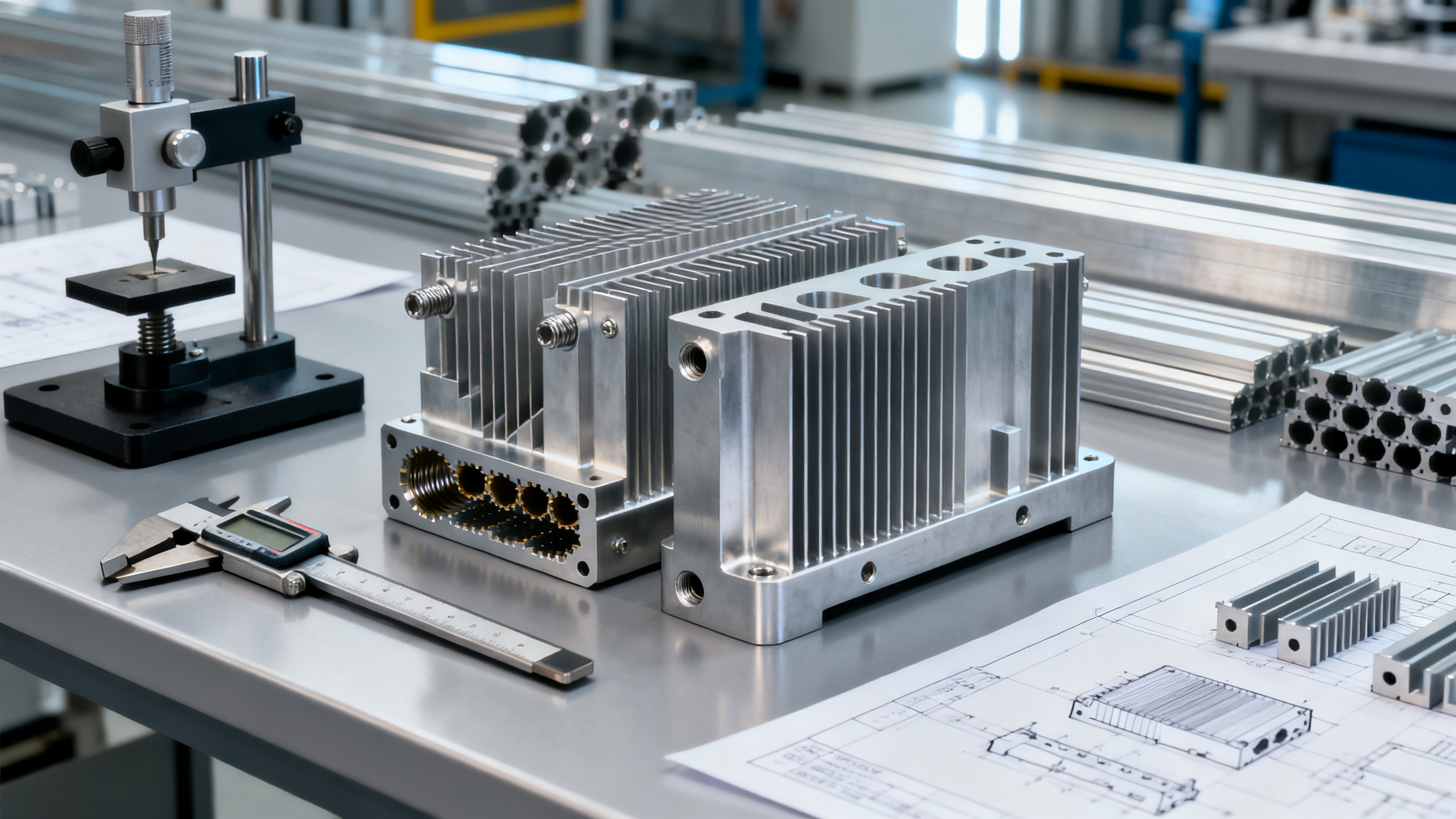
- Manufacturing route: Cast, forged, machined, extruded, or powder-based processes change strength and defect risk.
- Heat treatment: Confirm hardness range, temper condition, and post-process controls.
- Dimensional quality: Review tolerance class, geometric control, and critical interface measurements.
- Surface condition: Compare roughness, coating thickness, adhesion, and damage resistance.
- Compatibility: Check galvanic interaction, media exposure, sealing behavior, and temperature cycling.
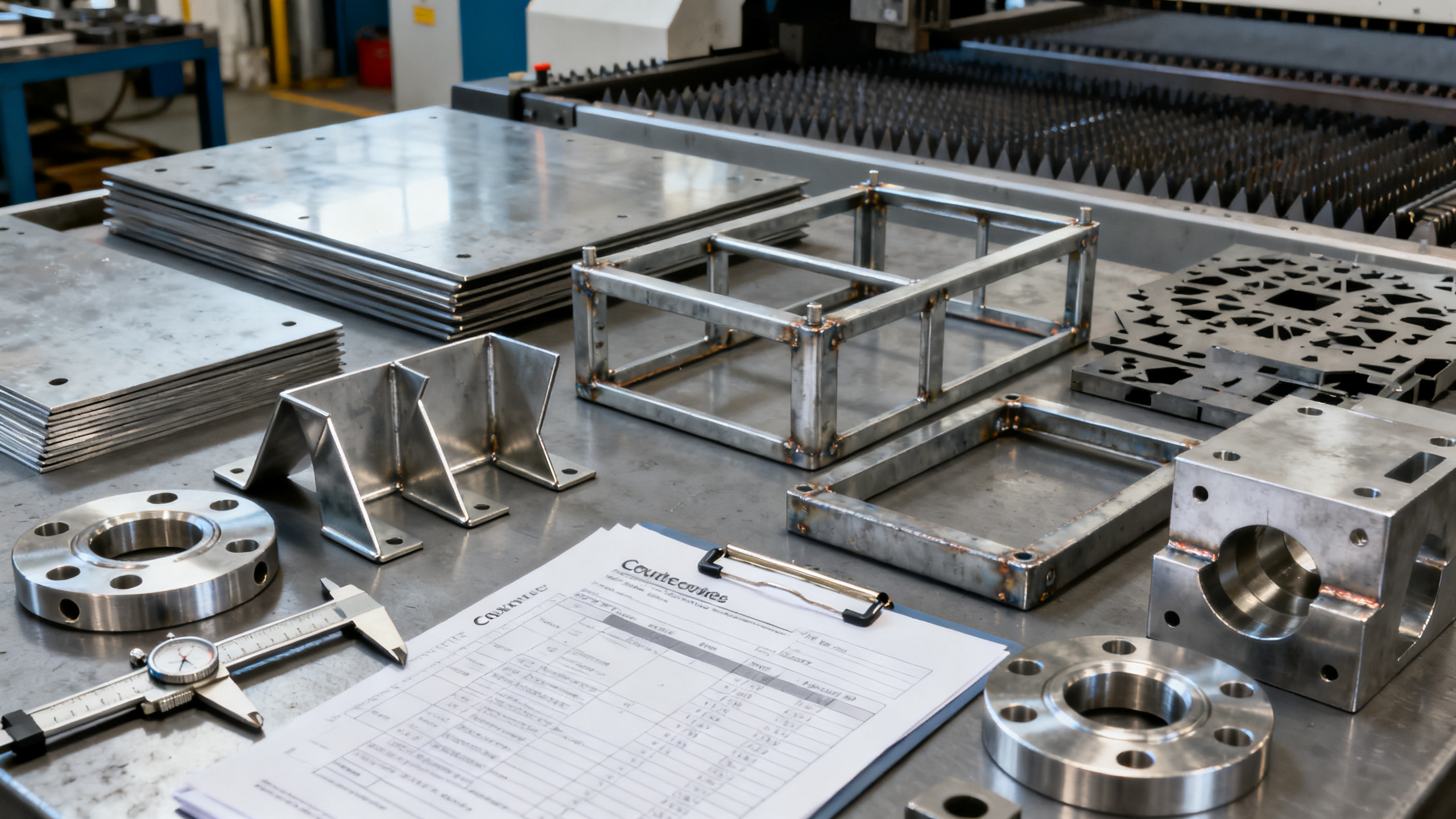
- Compliance evidence: Match certificates, inspection plans, and traceability to the exact supplied configuration.
This method improves Components & Metals evaluation across safety, instrumentation, power, environmental, and mechanical applications.
A more reliable way to judge alternatives before approval
When evidence is incomplete, the right decision is often delayed approval, added testing, or controlled trial use. That is cheaper than field failure.
How to respond as Components & Metals requirements keep evolving
The comparison standard should evolve with application risk. Low-consequence hardware may allow broader substitution. Critical service items require tighter qualification gates.
- Create a comparison checklist tied to failure mode, not only part category.
- Maintain approved grade cross-references with limits and exclusions.
- Request traceable test data for critical Components & Metals substitutions.
- Separate cosmetic differences from performance-critical deviations.
- Review coating and metallurgy together, especially in corrosive environments.
- Track field performance feedback to refine future comparisons.
This response supports better decisions in integrated industrial systems where safety, measurement accuracy, electrical stability, and mechanical reliability intersect.
The next smart move is building a repeatable comparison discipline
Strong Components & Metals decisions come from consistent criteria, verified documents, and application-aware judgment. That discipline reduces rework, warranty disputes, and hidden lifecycle cost.
Start with one high-risk category. Define critical properties, accepted standards, mandatory records, and rejection triggers. Then apply the same logic across related parts and metals.
In a market where technical variation is increasing, better comparison is a strategic advantage. It protects project continuity and improves confidence in every sourcing decision involving Components & Metals.
Technical Specifications
- How to Select Electronic Hotel Key Card Locks for Guest Rooms and Staff AreasAuthor :Safety Compliance Lead
- How to Select Lab Instruments for Reliable Chemical Analysis WorkflowsAuthor :Precision Metrology Expert
- How to Size a UPS for Server Rooms: Load, Runtime, and Redundancy FactorsAuthor :Grid Infrastructure Analyst
Expert Insights

Chief Security Architect
Dr. Thorne specializes in the intersection of structural engineering and digital resilience. He has advised three G7 governments on industrial infrastructure security.
Related Analysis
- Sep 17, 2026How to Select Electronic Hotel Key Card Locks for Guest Rooms and Staff AreasAuthor :Safety Compliance Lead
- Sep 16, 2026How to Select Lab Instruments for Reliable Chemical Analysis WorkflowsAuthor :Precision Metrology Expert
- Sep 15, 2026How to Size a UPS for Server Rooms: Load, Runtime, and Redundancy FactorsAuthor :Grid Infrastructure Analyst
Core Sector // 01
Security & Safety
- Stainless Steel Welded Tube Applications: Matching Tube Supply to Fabrication NeedsAuthor :Heavy Industry Strategist

- What Maintenance Do Furnace Components Need After 18 Months?Author :Heavy Industry Strategist

- How to Assess Metal Materials for Thermal Cycling in Power BoilersAuthor :Heavy Industry Strategist

- How to Evaluate Aluminum Extrusion Suppliers for Tight-Tolerance Components?Author :Heavy Industry Strategist

- How to Evaluate a Weld Neck Flange Manufacturer for High-Pressure Pipe ProjectsAuthor :Heavy Industry Strategist

- EU REACH Ban Hits Cr(VI)-Coated Steel ImportsAuthor :Heavy Industry Strategist
-Coated Steel Imports")
- How to Evaluate a Heat Sink Aluminum Profile Supplier for Custom Thermal ProjectsAuthor :Heavy Industry Strategist

- Industrial Metal Fabrication Components Price: What Drives Cost and How to Compare QuotesAuthor :Heavy Industry Strategist