How to compare components & metals without costly mistakes
Author
Date Published
Reading Time
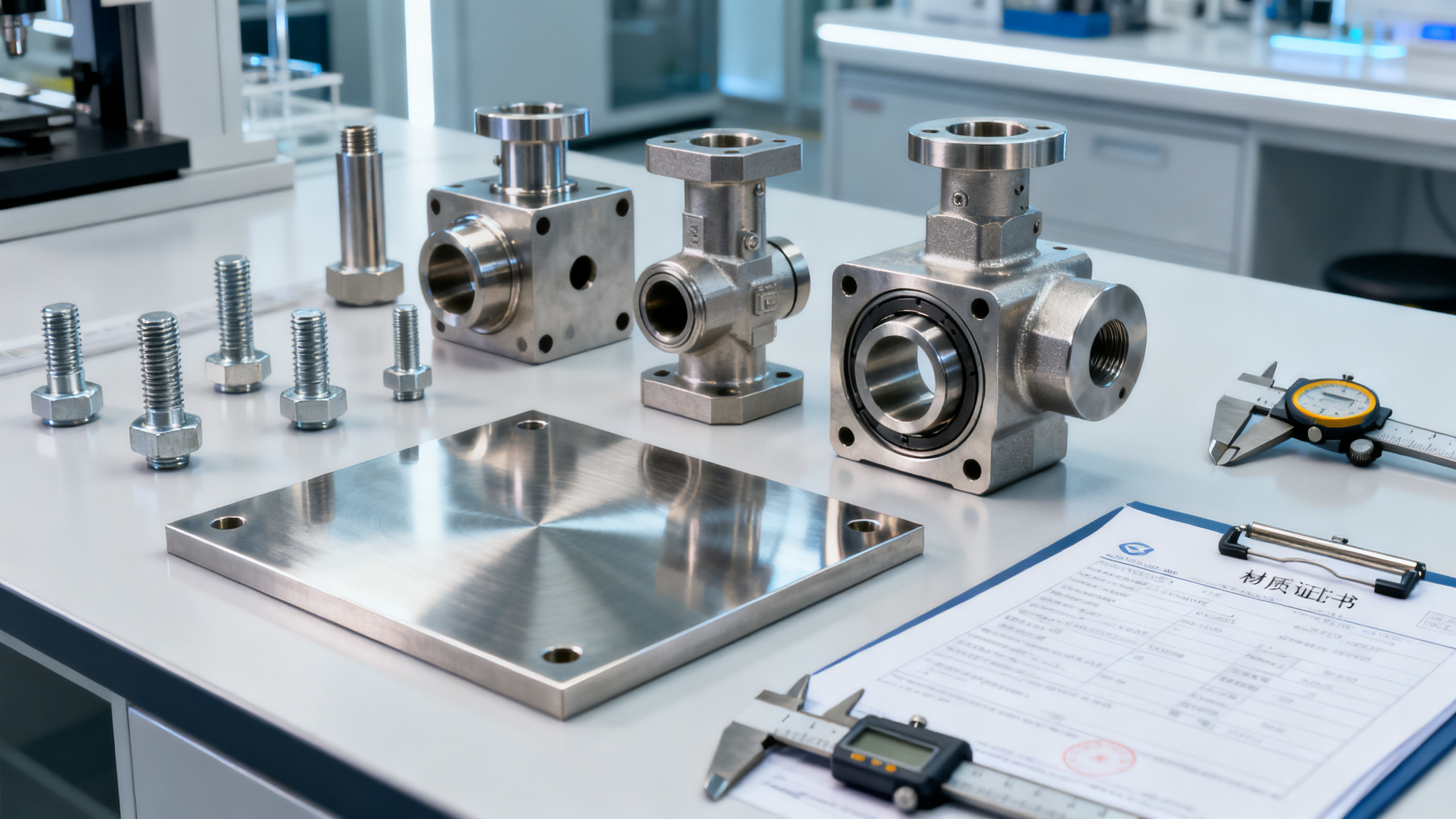
Comparing Components & Metals is never just about price. For procurement professionals, the real challenge is balancing material performance, compliance, lifecycle cost, and supplier reliability without exposing projects to delays or failures. This guide explains how to evaluate critical differences with confidence, helping you make smarter sourcing decisions and avoid costly mistakes in industrial purchasing.
In industrial sourcing, one incorrect material grade, tolerance mismatch, or undocumented substitution can affect uptime, safety, and total project cost for 5 to 20 years. That is why procurement teams supporting EPC projects, plant maintenance, utilities, and heavy manufacturing need a disciplined comparison method for Components & Metals.
The goal is not to find the lowest quote. The goal is to identify the right fit across performance, standards compliance, lead time, traceability, and service risk. When buyers compare options through that wider lens, they reduce rework, claims, and emergency replacement spending.
Why comparing Components & Metals requires more than a unit-price check
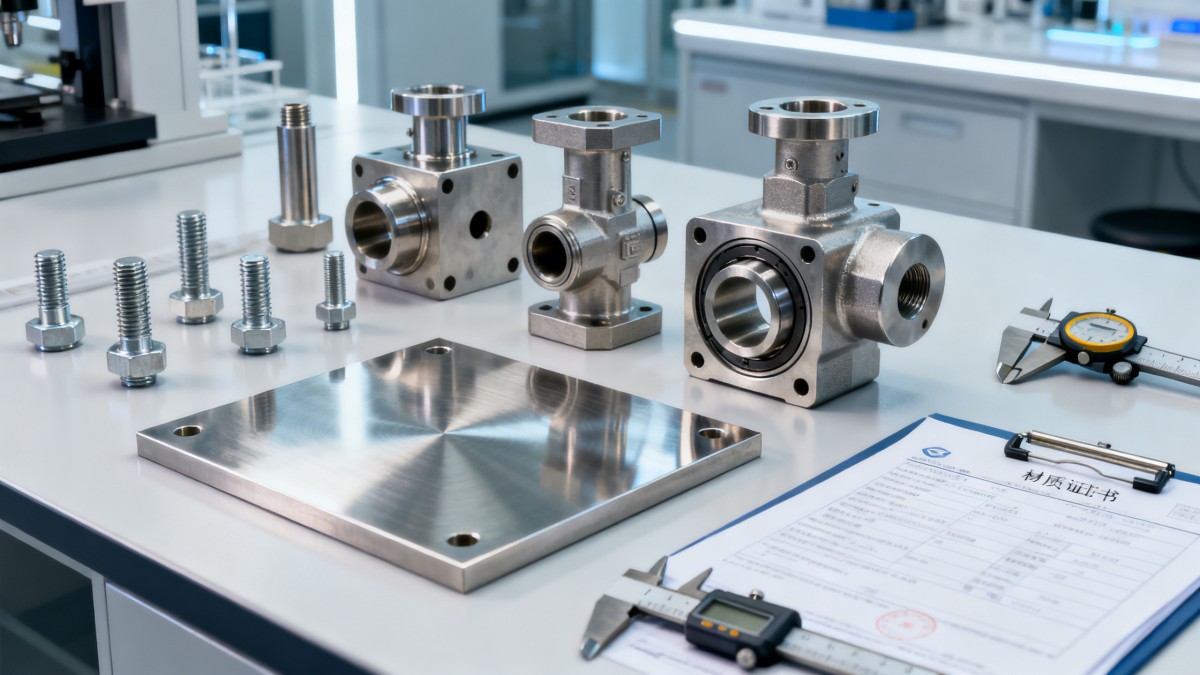
Industrial buyers often receive 3 to 5 quotations that appear similar on paper. Yet small differences in alloy composition, machining tolerance, coating thickness, or inspection scope can create major performance gaps. In high-duty environments, those gaps become expensive fast.
A valve body, fastener set, bearing housing, cable tray bracket, or fabricated steel support may all meet dimensional requirements initially. But if the material is not suitable for corrosive exposure, vibration, thermal cycling, or pressure variation, premature failure can happen within 6 to 18 months instead of the expected 5 to 10 years.
The hidden cost drivers procurement should examine
The first hidden driver is replacement frequency. A part that costs 12% less upfront may require 2 extra shutdown interventions during a 36-month operating window. When labor, access equipment, downtime, and safety permits are added, the “cheaper” part may cost 30% to 80% more overall.
The second driver is compliance exposure. If Components & Metals used in structural, electrical, or pressure-related applications lack proper material certificates, CE, UL, ISO-related quality controls, or traceability records, project approval can slow by 7 to 21 days.
The third driver is supply continuity. Procurement teams should not compare a component only by specification sheet. They should also compare production capacity, MOQ, standard lead time, emergency fulfillment capability, and the supplier’s consistency across multiple lots.
A practical 4-point screening lens
- Fit for service: load, pressure, temperature, corrosion, wear, and duty cycle
- Fit for compliance: material test reports, dimensional inspection, and applicable standards
- Fit for cost: purchase price plus maintenance, replacement, and downtime impact
- Fit for supply: lead time, batch consistency, documentation speed, and after-sales response
The table below shows how a procurement team can compare Components & Metals beyond initial quotation value. It is especially useful when evaluating fabricated parts, industrial fasteners, stainless assemblies, castings, or wear-resistant components.
The key takeaway is simple: when Components & Metals are compared through verifiable data, not marketing language, procurement risk becomes easier to measure. That improves supplier selection and helps technical teams approve purchases faster.
How to compare material performance in real operating conditions
A metal grade that performs well indoors at 20°C may not survive a coastal plant, chemical skid, or outdoor power installation. Buyers should define service conditions in at least 6 categories before they compare Components & Metals: temperature, humidity, media exposure, load, vibration, and maintenance access.
Focus on environment, not just material name
Terms like carbon steel, stainless steel, bronze, aluminum, and alloy steel are too broad for procurement decisions. The real comparison must include grade, hardness range, corrosion resistance, weldability, and finish. Even two stainless options can perform very differently in chloride exposure.
For example, indoor supports in dry utility rooms may be suitable for coated carbon steel, while splash-zone equipment, wastewater systems, or marine-adjacent infrastructure often justify higher-grade stainless or specialized coatings despite a 20% to 60% higher purchase price.
Questions buyers should ask before approval
- What is the expected service life: 3 years, 10 years, or 20 years?
- Will the component face abrasion, chemical attack, salt spray, or thermal shock?
- Is weight reduction valuable for installation or transport?
- Can the material be machined, welded, or replaced locally without delay?
- What inspection documents are available per batch or per shipment?
The next table provides a practical comparison framework for common industrial material choices. It is not a substitute for engineering review, but it helps procurement teams organize discussions around performance, maintenance, and sourcing impact.
This comparison shows why material decisions should be tied to operating conditions and maintenance strategy. A lower-cost option can be correct in one zone and completely unsuitable in another. Procurement works best when site conditions are defined before RFQ release.
The procurement checklist for comparing suppliers, documents, and risk
Even the right material can become the wrong purchase if supplier controls are weak. Procurement teams should evaluate every quote for documentation quality, production stability, packaging standards, and response speed. These factors often determine whether Components & Metals arrive ready for installation or generate claims.
Documentation that should be requested early
Request critical files before placing a purchase order, not after production starts. For most industrial categories, that means drawings, revision confirmation, material certificates, inspection plans, packing method, and estimated dispatch date. On multi-country projects, document delays alone can hold customs clearance by 3 to 10 days.
- Material test report or equivalent batch traceability document
- Dimensional inspection record for critical tolerances
- Coating or surface treatment specification
- Quality plan with hold points for high-risk items
- Shipping protection details for machined or coated surfaces
Five supplier risk checks that prevent expensive surprises
First, compare declared lead time with factory capability. A quoted 10-day delivery for a custom-machined batch may be unrealistic if raw material procurement alone usually takes 7 to 12 days. Second, ask whether subcontracting is used for heat treatment, plating, or testing.
Third, verify how non-conformance is handled. A reliable supplier should define rework approval, replacement timing, and reporting procedure. Fourth, examine packaging standards for export shipments. Fifth, review communication speed. A 24-hour response cycle is often manageable; 72-hour silence is not during project execution.
The table below helps buyers score supplier reliability when sourcing Components & Metals for infrastructure, utilities, processing plants, and maintenance-intensive facilities.
When buyers score suppliers this way, they can defend purchasing decisions internally with stronger evidence. That matters when procurement must align engineering, quality, finance, and project teams under tight delivery windows.
Common mistakes when comparing Components & Metals
Most costly purchasing errors do not come from a lack of effort. They come from incomplete comparison criteria. Teams move quickly, assume equivalence, or rely on historical buying habits even when duty conditions have changed.
Mistake 1: Treating “equivalent” as technically identical
Equivalent may refer only to broad function, not to corrosion performance, impact resistance, hardness, or fatigue life. If a supplier proposes an alternative, the buyer should request side-by-side technical mapping and engineer approval before release.
Mistake 2: Ignoring installation and maintenance conditions
A component installed once with easy access can tolerate different maintenance economics than one located at height, in a hazardous area, or inside a shutdown-critical line. In difficult access zones, paying 15% more for higher durability is often justified.
Mistake 3: Approving quotes without document alignment
Drawings, BOMs, revision numbers, and inspection expectations must match the quotation exactly. A mismatch of even one revision level can create hole-pattern errors, coating omissions, or incorrect material substitution that only appears at installation.
A short internal review routine
- Confirm service conditions and critical failure modes
- Review quotation against drawing and revision data
- Verify certificates, tolerances, and coating scope
- Check lead time realism and packaging method
- Document the approval basis for audit and future reorders
For industrial procurement, good comparison discipline is cumulative. Each documented decision builds a stronger sourcing history, improves repeatability, and reduces the chance of emergency purchases at premium cost.
Building a smarter sourcing process with better comparison criteria
The most effective procurement teams use a standard comparison model across all major Components & Metals categories. That model should combine technical fit, cost over time, compliance documents, and supplier execution. A 1-page comparison sheet can often reduce internal approval time by 20% to 40%.
For complex projects, cross-functional review is worth the effort. Procurement brings market visibility, engineering confirms technical acceptance, and operations explains maintenance realities. Together, those inputs produce sourcing decisions that are more resilient over the full asset lifecycle.
Global Industrial Core supports this approach by focusing on the systems and material decisions that sit underneath safe, reliable industrial operations. For buyers who need stronger comparison logic, better supplier evaluation, and more confidence in mission-critical sourcing, informed analysis is a competitive advantage.
If your team is comparing Components & Metals for infrastructure, plant upgrades, maintenance programs, or international procurement, now is the right time to standardize your evaluation process. Contact us to discuss your sourcing priorities, get a tailored comparison framework, and explore more industrial solutions with confidence.
Technical Specifications
- How to Select Electronic Hotel Key Card Locks for Guest Rooms and Staff AreasAuthor :Safety Compliance Lead
- How to Select Lab Instruments for Reliable Chemical Analysis WorkflowsAuthor :Precision Metrology Expert
- How to Size a UPS for Server Rooms: Load, Runtime, and Redundancy FactorsAuthor :Grid Infrastructure Analyst
Expert Insights

Chief Security Architect
Dr. Thorne specializes in the intersection of structural engineering and digital resilience. He has advised three G7 governments on industrial infrastructure security.
Related Analysis
- Sep 17, 2026How to Select Electronic Hotel Key Card Locks for Guest Rooms and Staff AreasAuthor :Safety Compliance Lead
- Sep 16, 2026How to Select Lab Instruments for Reliable Chemical Analysis WorkflowsAuthor :Precision Metrology Expert
- Sep 15, 2026How to Size a UPS for Server Rooms: Load, Runtime, and Redundancy FactorsAuthor :Grid Infrastructure Analyst
Core Sector // 01
Security & Safety
- Stainless Steel Welded Tube Applications: Matching Tube Supply to Fabrication NeedsAuthor :Heavy Industry Strategist

- What Maintenance Do Furnace Components Need After 18 Months?Author :Heavy Industry Strategist

- How to Assess Metal Materials for Thermal Cycling in Power BoilersAuthor :Heavy Industry Strategist

- How to Evaluate Aluminum Extrusion Suppliers for Tight-Tolerance Components?Author :Heavy Industry Strategist

- How to Evaluate a Weld Neck Flange Manufacturer for High-Pressure Pipe ProjectsAuthor :Heavy Industry Strategist

- EU REACH Ban Hits Cr(VI)-Coated Steel ImportsAuthor :Heavy Industry Strategist
-Coated Steel Imports")
- How to Evaluate a Heat Sink Aluminum Profile Supplier for Custom Thermal ProjectsAuthor :Heavy Industry Strategist

- Industrial Metal Fabrication Components Price: What Drives Cost and How to Compare QuotesAuthor :Heavy Industry Strategist