Morocco Extends Safeguard Measures on Hot-Rolled Steel Plates
Author
Date Published
Reading Time
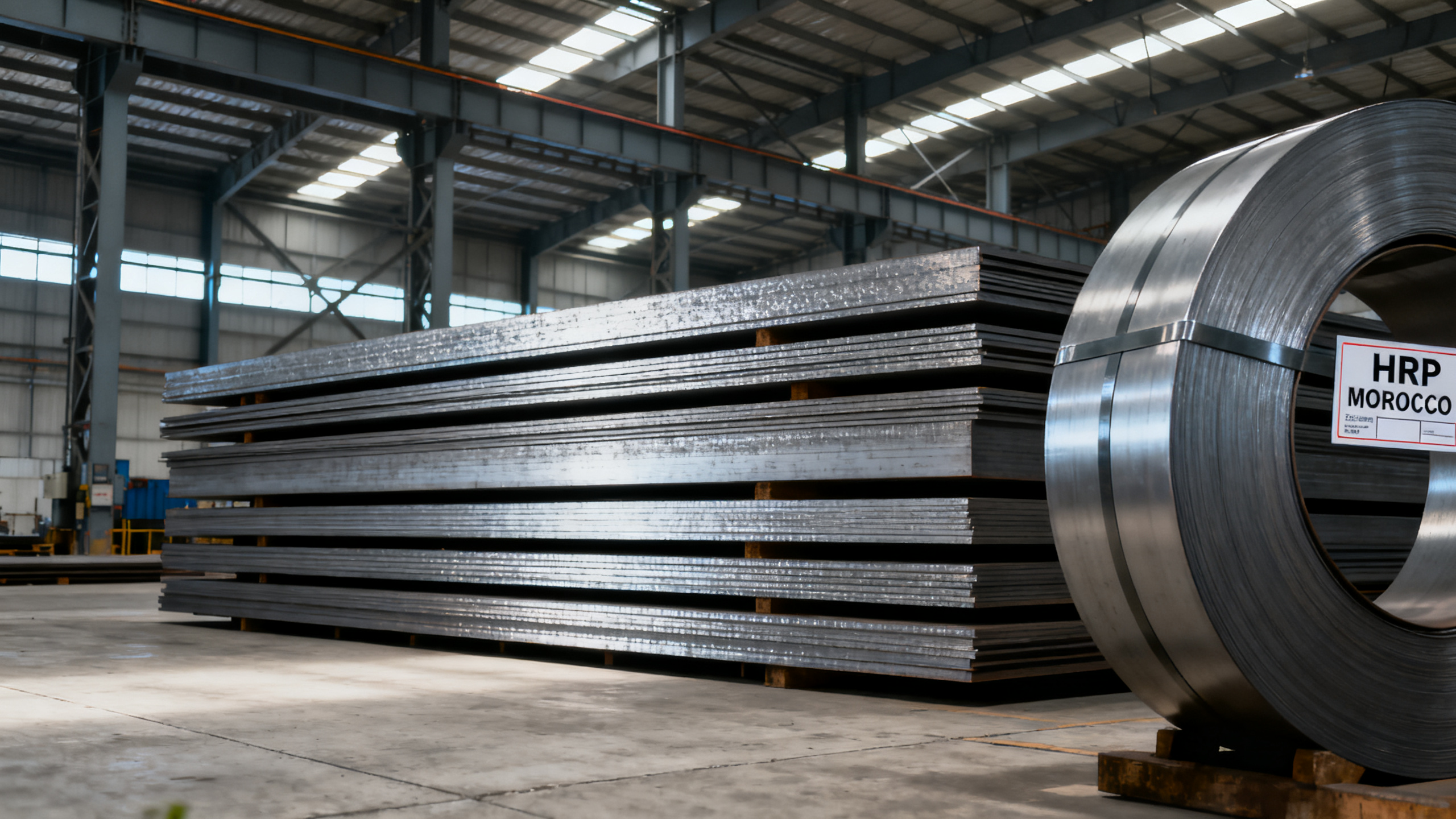
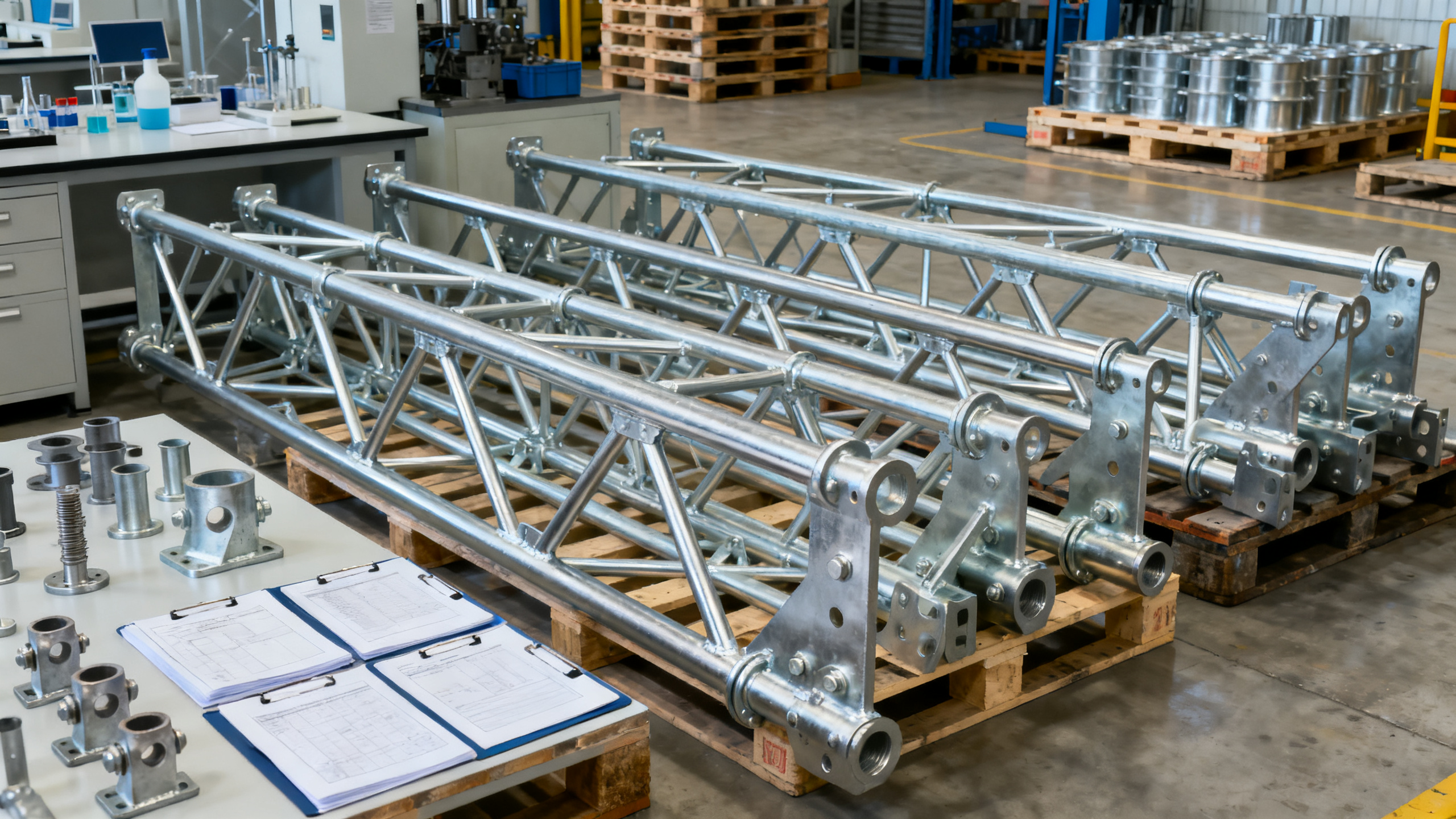
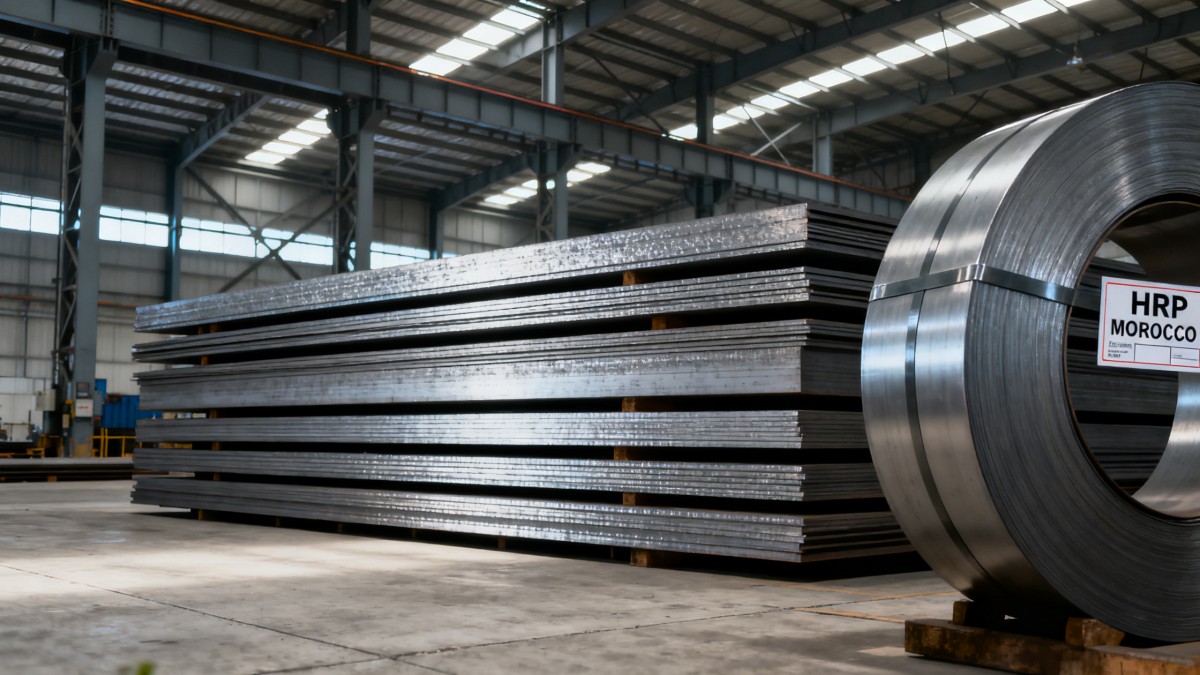
On May 21, 2026, Morocco extended its safeguard measures on imported hot-rolled steel plates for an additional 12 months and reduced the annual import quota by 23%. This decision directly affects Chinese exporters of steel and metal profiles—particularly structural steel sections, electrical cabinet supports, security fence base materials, and industrial bearing housing blanks—serving North African markets. Shipment lead times have broadly extended to 8–10 weeks, prompting strategic reassessment across multiple segments of the steel supply chain.
Event Overview
On May 21, 2026, the Moroccan government announced the 12-month extension of safeguard measures on hot-rolled steel plates and a 23% reduction in the annual import quota. The measure applies to steel and metal profiles exported from China, including structural sections, electrical cabinet supports, security fence base materials, and industrial bearing housing blanks. Delivery timelines for affected products are now reported at 8–10 weeks.
Industries Affected
Direct Exporters (China-based)
Chinese enterprises engaged in direct export of steel and metal profiles to Morocco face immediate quota constraints. The 23% quota cut compresses available shipment volume per calendar year, intensifying competition for allocated slots and raising the risk of order deferral or cancellation when quotas are exhausted early.
Downstream Fabricators (North Africa-based)
Manufacturers in Morocco and neighboring countries that rely on imported Chinese steel profiles for assembly—such as producers of electrical enclosures, perimeter security systems, and mechanical equipment frames—are encountering longer procurement cycles. Extended lead times may disrupt production scheduling and increase working capital requirements for raw material inventory.
Supply Chain & Logistics Providers
Freight forwarders, customs brokers, and regional distribution hubs handling steel profile shipments into Morocco must adjust planning for tighter documentation scrutiny, quota verification procedures, and potential delays at entry points. Increased administrative checks related to quota compliance may slow clearance velocity.
Key Considerations and Practical Responses
Monitor official quota allocation mechanisms and timeline updates
Moroccan authorities have not yet published detailed implementation guidelines on how the revised quota will be administered (e.g., first-come-first-served, auction-based, or category-specific allocation). Exporters and importers should track announcements from Morocco’s Ministry of Industry and Trade and the National Office of Customs and Indirect Taxes (ONAD).
Reassess product categorization and tariff classification
Some steel and metal profile items may fall outside the scope of the safeguard measure depending on precise HS code, thickness, width, or end-use specification. Companies should verify current tariff classifications against Morocco’s updated safeguard regulation annexes to identify potential scope exemptions or reclassification opportunities.
Diversify sourcing timing and buffer inventory strategically
Given the 8–10 week lead time extension, downstream buyers in North Africa may consider placing orders earlier in the quota year or building modest safety stock for high-turnover SKUs—provided storage and cash flow conditions allow. Exporters should align production planning with anticipated quota release windows rather than calendar quarters.
Clarify whether the measure applies to consignment stock or bonded warehouse entries
The regulation does not specify whether quota is triggered upon entry into Morocco or upon domestic release from customs-bonded facilities. Stakeholders should seek written confirmation from local customs agents regarding treatment of warehoused goods to avoid unintended quota consumption.
Editorial Observation / Industry Perspective
Observably, this extension signals Morocco’s continued prioritization of domestic steel capacity development over short-term import flexibility. Analysis shows the 23% quota reduction—rather than a flat renewal—is a calibrated tightening, suggesting authorities are responding to perceived import surges or underutilized local rolling capacity. It is better understood as a policy signal with operational consequences already materializing (e.g., extended lead times), rather than a pending or theoretical adjustment. Continued monitoring is warranted because the next review cycle—and any potential shift toward tariff-based instead of quota-based safeguards—could reshape medium-term trade dynamics.
Conclusion: This measure is not merely a procedural extension but an active recalibration of market access conditions for Chinese steel and metal profiles in Morocco. Its significance lies less in novelty and more in its tangible impact on delivery reliability, cost predictability, and planning horizons across the value chain. Currently, it is more appropriately understood as an operational constraint requiring tactical adaptation—not a temporary anomaly or isolated regulatory event.
Source: Official announcement issued by the Government of Morocco on May 21, 2026. Further implementation details—including quota administration rules, HS code coverage, and exemption criteria—remain pending official publication and are subject to ongoing observation.
Technical Specifications
- How to Select Electronic Hotel Key Card Locks for Guest Rooms and Staff AreasAuthor :Safety Compliance Lead
- How to Select Lab Instruments for Reliable Chemical Analysis WorkflowsAuthor :Precision Metrology Expert
- How to Size a UPS for Server Rooms: Load, Runtime, and Redundancy FactorsAuthor :Grid Infrastructure Analyst
Expert Insights

Chief Security Architect
Dr. Thorne specializes in the intersection of structural engineering and digital resilience. He has advised three G7 governments on industrial infrastructure security.
Related Analysis
- Sep 17, 2026How to Select Electronic Hotel Key Card Locks for Guest Rooms and Staff AreasAuthor :Safety Compliance Lead
- Sep 16, 2026How to Select Lab Instruments for Reliable Chemical Analysis WorkflowsAuthor :Precision Metrology Expert
- Sep 15, 2026How to Size a UPS for Server Rooms: Load, Runtime, and Redundancy FactorsAuthor :Grid Infrastructure Analyst
Core Sector // 01
Security & Safety
- Stainless Steel Welded Tube Applications: Matching Tube Supply to Fabrication NeedsAuthor :Heavy Industry Strategist

- What Maintenance Do Furnace Components Need After 18 Months?Author :Heavy Industry Strategist

- How to Assess Metal Materials for Thermal Cycling in Power BoilersAuthor :Heavy Industry Strategist

- How to Evaluate Aluminum Extrusion Suppliers for Tight-Tolerance Components?Author :Heavy Industry Strategist

- How to Evaluate a Weld Neck Flange Manufacturer for High-Pressure Pipe ProjectsAuthor :Heavy Industry Strategist

- EU REACH Ban Hits Cr(VI)-Coated Steel ImportsAuthor :Heavy Industry Strategist
-Coated Steel Imports")
- How to Evaluate a Heat Sink Aluminum Profile Supplier for Custom Thermal ProjectsAuthor :Heavy Industry Strategist

- Industrial Metal Fabrication Components Price: What Drives Cost and How to Compare QuotesAuthor :Heavy Industry Strategist