How to choose components & metals that last longer
Author
Date Published
Reading Time
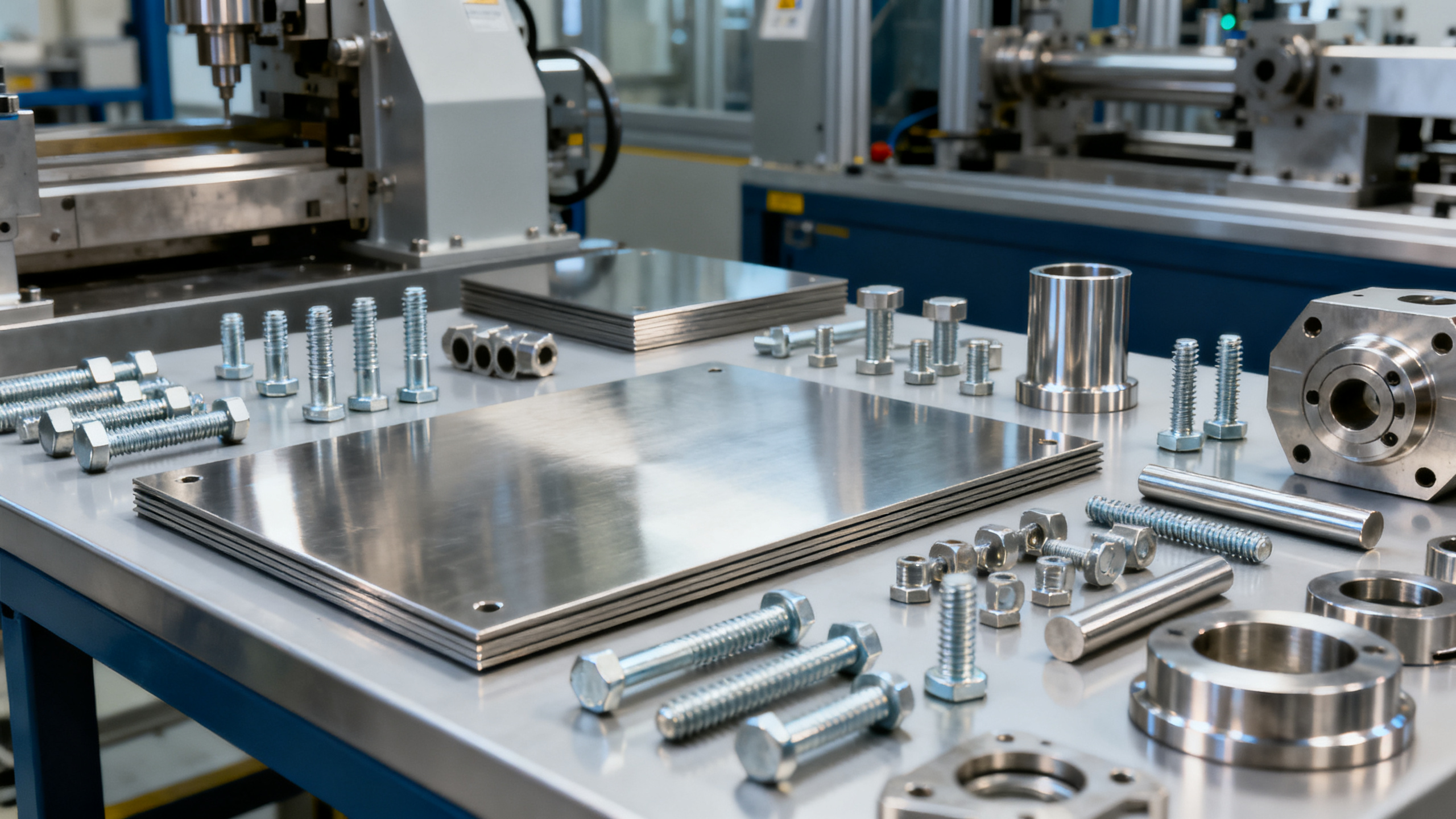
Choosing Components & Metals that last longer is a strategic decision for technical evaluators balancing reliability, compliance, and lifecycle cost.
From corrosion resistance and mechanical strength to operating environment and certification requirements, the right material-component match can prevent premature failure and improve system resilience.
This guide explains how to make durable, data-driven selection decisions for demanding industrial applications where downtime, safety incidents, and early replacement create outsized risk.
What technical evaluators are really deciding when they choose long-life components and metals
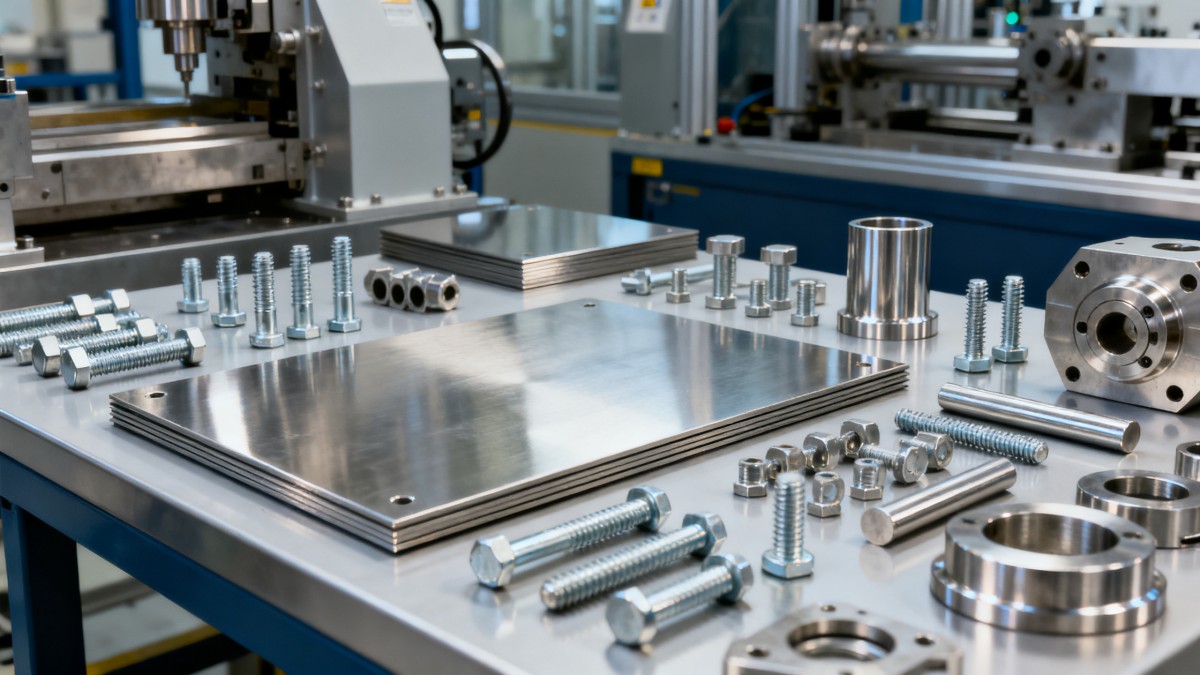
The core search intent behind Components & Metals selection is not simply finding a stronger alloy or a better part.
Technical evaluators usually want a reliable decision framework that helps them compare options, predict service life, reduce failure risk, and justify procurement choices.
In practice, the best long-life choice is rarely the hardest metal or the cheapest component with a corrosion-resistant label.
It is the option that matches the actual operating environment, mechanical loads, compliance obligations, maintenance strategy, and total lifecycle economics of the asset.
For EPC teams, plant engineers, and procurement reviewers, the question is straightforward: which material-component combination will survive the real duty cycle with the lowest operational risk?
Start with the failure mode, not the product catalog
Many poor selections happen because teams begin with available product grades instead of expected failure mechanisms.
A long-lasting decision starts by identifying how the component is most likely to degrade in service.
Common failure modes include uniform corrosion, galvanic corrosion, pitting, stress corrosion cracking, abrasive wear, fatigue, creep, thermal cycling damage, and chemical attack.
If the application involves coastal air, chlorides may drive pitting and crevice corrosion even when a general stainless steel appears acceptable on paper.
If the part faces vibration or rotating loads, fatigue strength and notch sensitivity may matter more than static tensile strength.
If temperatures remain elevated for long periods, creep resistance, oxidation stability, and microstructural stability become critical screening criteria.
By defining the dominant failure mode first, evaluators can eliminate unsuitable components and metals early, saving time and reducing specification errors.
Match material properties to the actual operating environment
Durability depends on service conditions more than on generic performance claims.
Technical evaluators should build selection criteria around the real environment rather than the ideal one assumed in brochures.
Key factors include operating temperature range, humidity, salt exposure, chemical media, UV exposure, pressure cycling, particulate contamination, and washdown frequency.
Also consider whether conditions are continuous, intermittent, or upset-driven, because transient peaks often cause failures that average operating data fails to reveal.
For example, carbon steel may perform well in dry indoor infrastructure but degrade rapidly in wet, acidic, or marine environments without protective systems.
Similarly, aluminum offers a strong strength-to-weight ratio, but not every alloy is suitable for high-chloride or strongly alkaline exposure.
In valve bodies, fasteners, enclosures, structural supports, or instrument housings, the surrounding environment often determines lifespan more decisively than initial purchase price.
Focus on the property set that matters most for service life
Technical evaluators often face too many datasheet values and too little application clarity.
The goal is to identify which material and component properties actually influence longevity in the target use case.
Mechanical properties usually include tensile strength, yield strength, hardness, impact toughness, elongation, fatigue performance, and wear resistance.
For long-life service, corrosion resistance may be equally or more important than mechanical strength, especially in outdoor, process, or utility installations.
Thermal properties such as expansion coefficient, conductivity, and heat resistance matter where components cycle between hot and cold conditions.
Electrical properties may also matter for connectors, bus components, grounding hardware, and sensor assemblies exposed to moisture or thermal drift.
Do not evaluate these properties independently.
A metal that is harder may be less ductile, and a stronger component may become more vulnerable to brittle failure, machining defects, or weld sensitivity.
Longer life usually comes from balanced performance, not extreme performance in one metric.
Do not separate component design from metal selection
Even the right metal can fail early if the component geometry, assembly method, or surface condition creates stress concentration or corrosion traps.
This is why durable selection requires evaluating the component and the metal together.
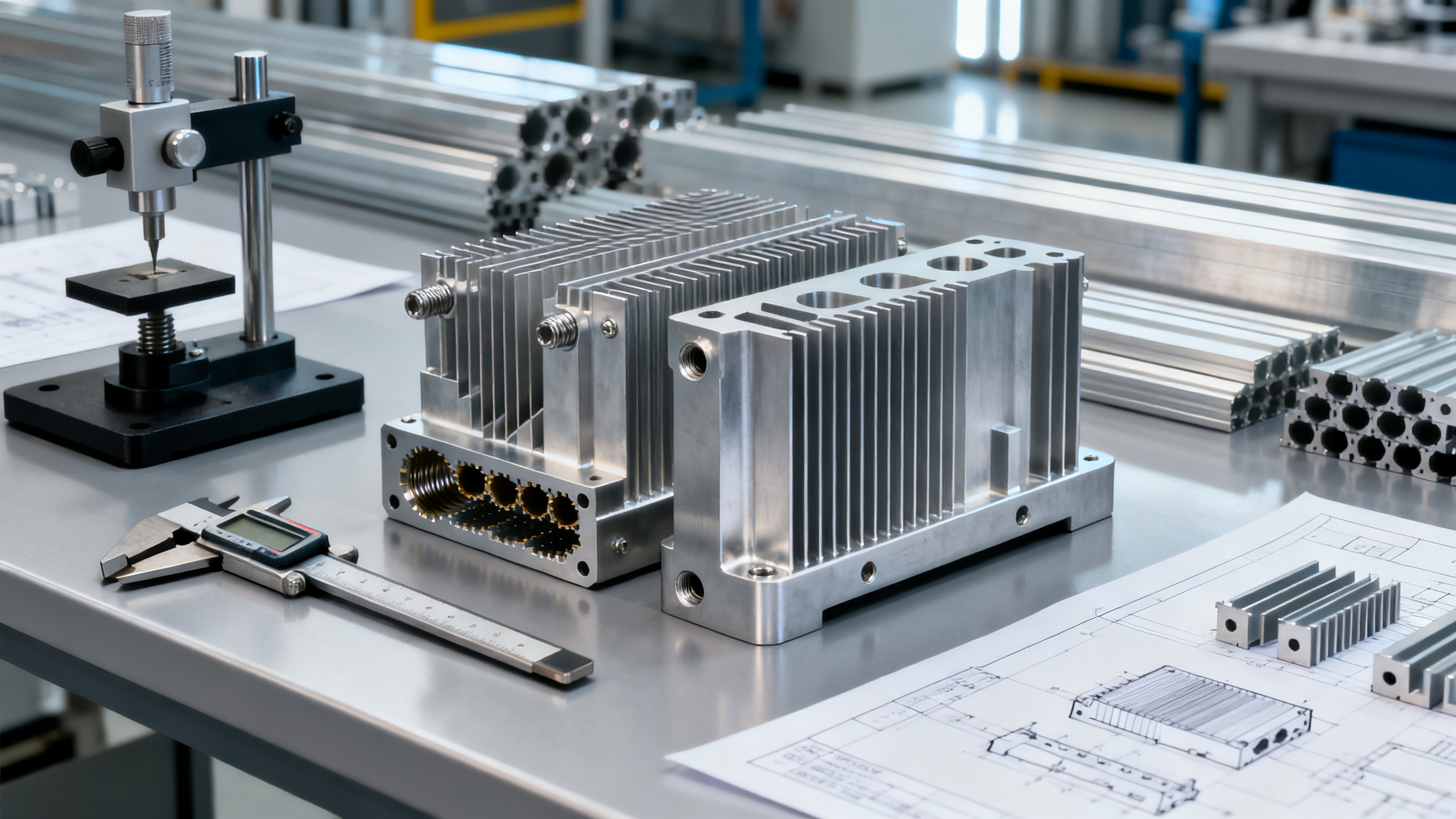
Look closely at wall thickness, edge quality, fillet radii, weld design, thread engagement, coating coverage, drainage paths, and sealing interfaces.
A well-chosen alloy may still pit or crack if crevices retain moisture, if dissimilar metals are coupled carelessly, or if protective coatings are damaged during installation.
For bearings, couplings, brackets, housings, and fastening systems, geometry can accelerate fatigue and wear even when the base material grade seems appropriate.
Technical evaluators should ask not only what the part is made from, but also whether the design helps that material survive its intended duty cycle.
Use lifecycle cost, not unit cost, as the primary economic filter
When selecting Components & Metals, the lowest upfront cost often creates the highest long-term expense.
Technical evaluators usually need to justify why a more expensive material or component is economically rational.
The strongest argument is lifecycle cost.
This includes purchase price, installation cost, inspection frequency, maintenance labor, downtime exposure, spare inventory burden, energy losses, and replacement intervals.
In critical infrastructure, premature failure can trigger safety events, environmental exposure, process disruption, contractual penalties, or cascading equipment damage.
Those downstream costs often dwarf the original savings from choosing a lower-grade material.
For example, upgrading from a standard plated fastener to a higher-performance stainless or duplex option may cost more initially.
But if it avoids seizure, corrosion-driven failure, and difficult replacement in a hazardous access area, the financial case is usually clear.
For technical evaluators, durable selection is best presented as a risk-adjusted cost decision, not a premium materials preference.
Verify standards, certifications, and traceability before approving long-life claims
In industrial procurement, durability claims are only useful when supported by verifiable standards and manufacturing controls.
Technical evaluators should confirm whether the component and metal specification aligns with required regulatory, safety, and project standards.
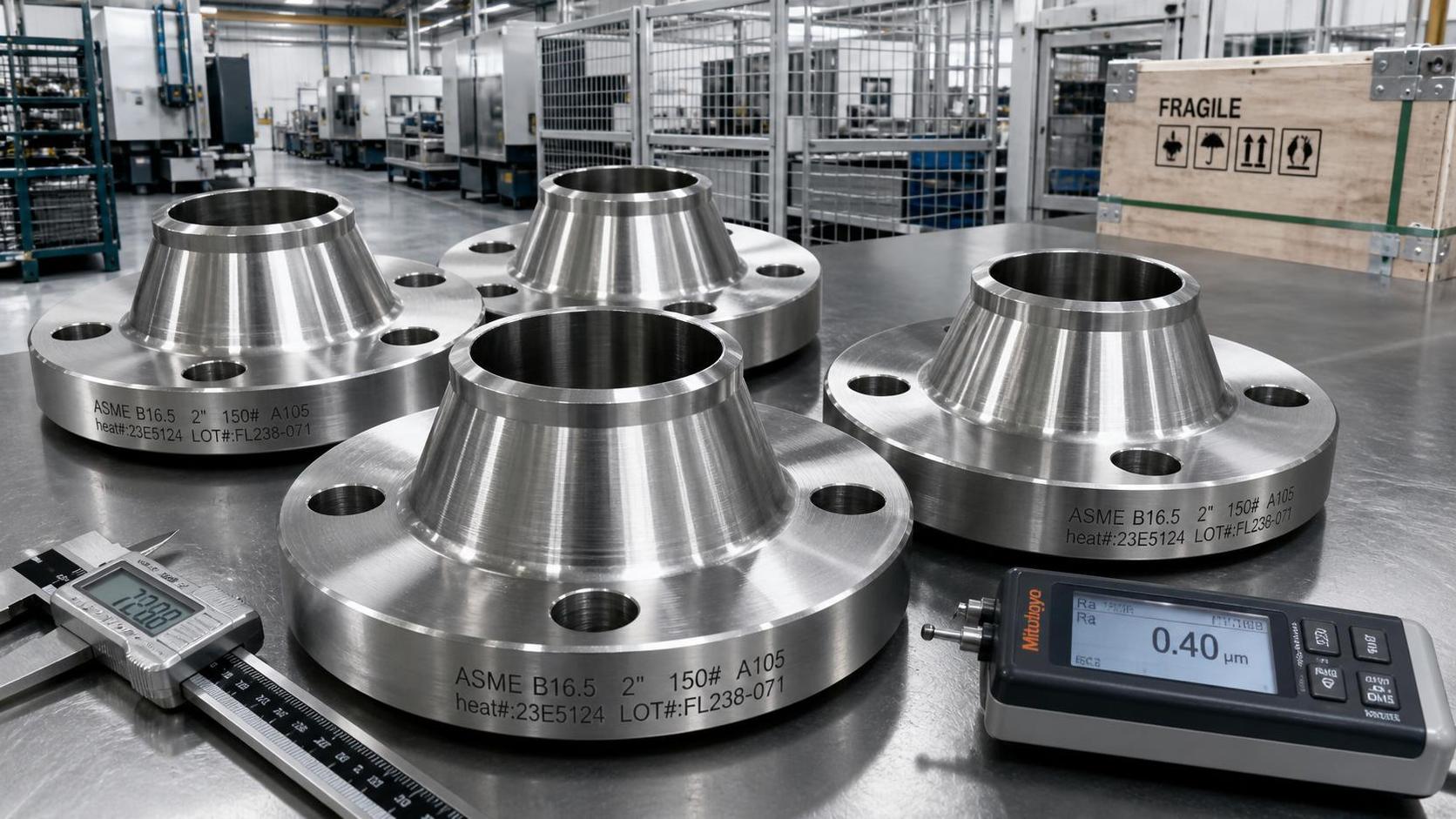
Depending on the application, this may include ISO, ASTM, ASME, EN, CE, UL, NACE, RoHS, REACH, or sector-specific utility and infrastructure requirements.
Material test reports, heat traceability, coating thickness records, corrosion test data, and welding procedure qualification may all be relevant.
If a supplier cannot clearly document grade equivalence, process control, tolerance capability, and compliance history, long-life expectations become speculative.
For safety-critical or hard-to-access installations, traceability is especially important because it supports root-cause investigation and future replacement consistency.
Well-documented Components & Metals reduce approval friction and improve confidence across engineering, QA, and procurement teams.
Pay special attention to corrosion pairs, coatings, and surface treatments
In many industrial failures, the base metal is not the only issue.
The interaction between metals, coatings, and environmental exposure often determines real service life.
Galvanic corrosion is a common example.
When dissimilar metals are electrically connected in the presence of an electrolyte, the less noble material can corrode rapidly.
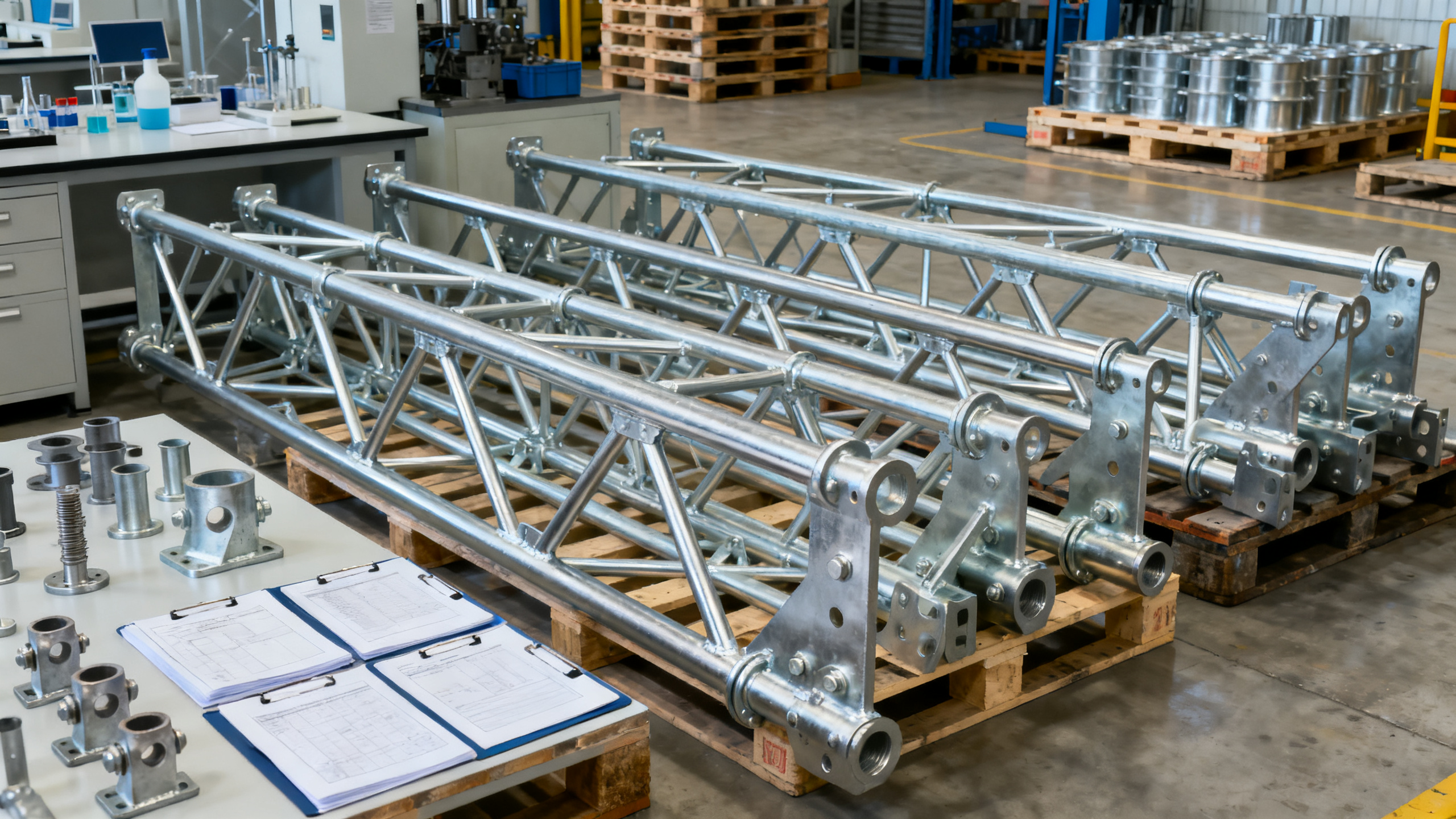
This means evaluators must assess the whole assembly, including bolts, washers, brackets, cable glands, supports, and contact surfaces.
Protective coatings can extend life significantly, but only if the coating system is suited to the environment and the installation process.
Important questions include adhesion performance, abrasion resistance, UV stability, edge retention, repairability, and compatibility with the substrate metal.
Surface treatments such as anodizing, passivation, galvanizing, nitriding, or electropolishing may also improve longevity when correctly specified.
However, they should never be treated as a shortcut for choosing an unsuitable base material.
Evaluate supplier capability, not just material grade
Two suppliers may offer the same nominal alloy or component class with very different long-term performance outcomes.
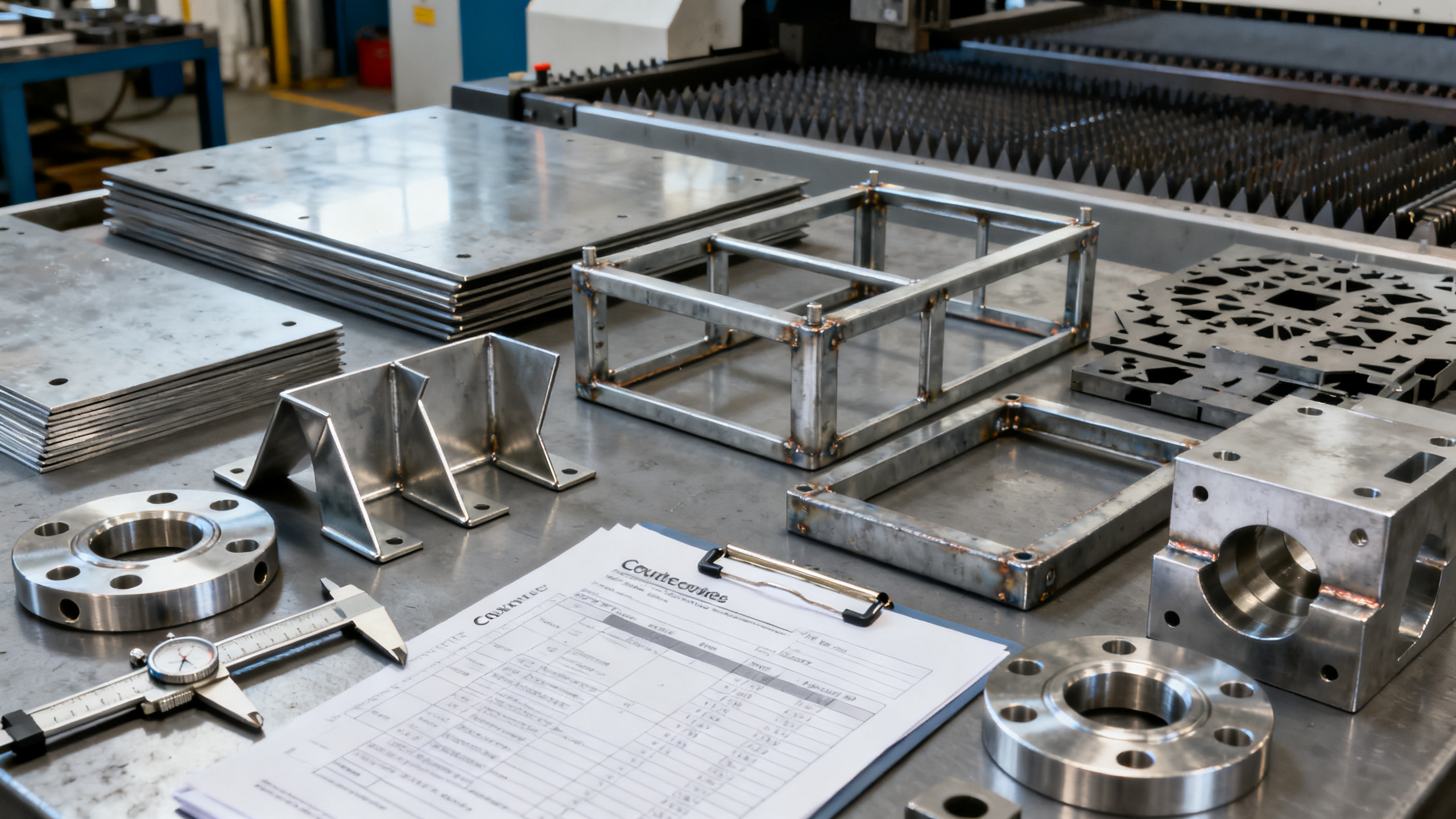
That difference often comes from manufacturing quality, dimensional control, heat treatment consistency, finishing process discipline, and inspection rigor.
Technical evaluators should review process capability, failure history, reference projects, and responsiveness to technical questions.
It is also useful to ask how the supplier validates durability.
Do they provide salt spray data, cyclic corrosion testing, fatigue data, pressure testing, or field-life evidence from comparable installations?
Can they support customization for sealing, coatings, tolerances, or metallurgy based on the application rather than selling only stock configurations?
A durable component is not only a design specification.
It is the outcome of repeatable manufacturing, quality assurance, and application-aware technical support.
A practical decision framework for comparing options
For technical evaluators managing multiple bids or design alternatives, a structured scoring method improves consistency and auditability.
Begin with five filters: failure mode fit, environmental compatibility, mechanical suitability, compliance evidence, and lifecycle cost impact.
Then add project-specific criteria such as maintainability, installation constraints, lead time, traceability, and supplier support.
Assign greater weight to factors linked directly to failure consequences.
For example, in corrosive outdoor electrical infrastructure, corrosion resistance and ingress protection may deserve more weight than cosmetic finish or minor unit savings.
In high-load rotating equipment, fatigue performance and dimensional consistency may outrank broad chemical compatibility.
This framework helps teams explain why one material-component option is more durable, safer, and more economical over the asset lifecycle.
It also reduces subjective decision-making when stakeholders from engineering and procurement prioritize different concerns.
Common mistakes that shorten component and metal lifespan
Several repeat mistakes appear across industrial projects and often lead to preventable early failure.
One is specifying a familiar material grade without verifying chemical or thermal exposure at the installation site.
Another is relying on tensile strength as the main indicator of durability while ignoring fatigue, corrosion, or impact conditions.
Teams also underestimate installation effects such as overtightening, poor alignment, damaged coatings, contamination, and mixed-metal contact.
In some cases, maintenance assumptions are unrealistic.
A component selected on the basis of regular inspection may fail early when installed in remote or difficult-access infrastructure with infrequent service intervals.
Another common issue is treating certifications as interchangeable even when standards differ in scope, testing methods, or acceptance thresholds.
Avoiding these mistakes can extend service life more effectively than simply moving to a more expensive metal grade.
How to make the final selection with confidence
The best choice is usually the option that survives the dominant failure mechanism, fits the true operating environment, and has strong compliance evidence.
It should also make sense in lifecycle cost terms and come from a supplier capable of delivering repeatable quality.
For technical evaluators, selecting long-life Components & Metals is less about chasing the highest specification and more about matching performance to risk.
That means asking practical questions early: what fails first, under which conditions, what is the consequence, and what evidence supports the proposed solution?
If those questions are answered clearly, material and component selection becomes more defensible, more economical, and far less vulnerable to premature failure.
Conclusion
Choosing components and metals that last longer requires a disciplined, application-specific approach rather than generic material preference.
Technical evaluators should prioritize failure mode analysis, environmental fit, relevant property balance, assembly design, compliance verification, and lifecycle cost.
When these factors are evaluated together, teams can select Components & Metals that deliver safer operation, lower maintenance burden, and stronger long-term asset resilience.
In industrial environments where failure is expensive and trust must be earned through evidence, durability is a specification decision backed by engineering logic.
Technical Specifications
- How to Select Electronic Hotel Key Card Locks for Guest Rooms and Staff AreasAuthor :Safety Compliance Lead
- How to Select Lab Instruments for Reliable Chemical Analysis WorkflowsAuthor :Precision Metrology Expert
- How to Size a UPS for Server Rooms: Load, Runtime, and Redundancy FactorsAuthor :Grid Infrastructure Analyst
Expert Insights

Chief Security Architect
Dr. Thorne specializes in the intersection of structural engineering and digital resilience. He has advised three G7 governments on industrial infrastructure security.
Related Analysis
- Sep 17, 2026How to Select Electronic Hotel Key Card Locks for Guest Rooms and Staff AreasAuthor :Safety Compliance Lead
- Sep 16, 2026How to Select Lab Instruments for Reliable Chemical Analysis WorkflowsAuthor :Precision Metrology Expert
- Sep 15, 2026How to Size a UPS for Server Rooms: Load, Runtime, and Redundancy FactorsAuthor :Grid Infrastructure Analyst
Core Sector // 01
Security & Safety
- Stainless Steel Welded Tube Applications: Matching Tube Supply to Fabrication NeedsAuthor :Heavy Industry Strategist

- What Maintenance Do Furnace Components Need After 18 Months?Author :Heavy Industry Strategist

- How to Assess Metal Materials for Thermal Cycling in Power BoilersAuthor :Heavy Industry Strategist

- How to Evaluate Aluminum Extrusion Suppliers for Tight-Tolerance Components?Author :Heavy Industry Strategist

- How to Evaluate a Weld Neck Flange Manufacturer for High-Pressure Pipe ProjectsAuthor :Heavy Industry Strategist

- EU REACH Ban Hits Cr(VI)-Coated Steel ImportsAuthor :Heavy Industry Strategist
-Coated Steel Imports")
- How to Evaluate a Heat Sink Aluminum Profile Supplier for Custom Thermal ProjectsAuthor :Heavy Industry Strategist

- Industrial Metal Fabrication Components Price: What Drives Cost and How to Compare QuotesAuthor :Heavy Industry Strategist