Morocco Extends Safeguard Measures on Hot-Rolled Steel
Author
Date Published
Reading Time
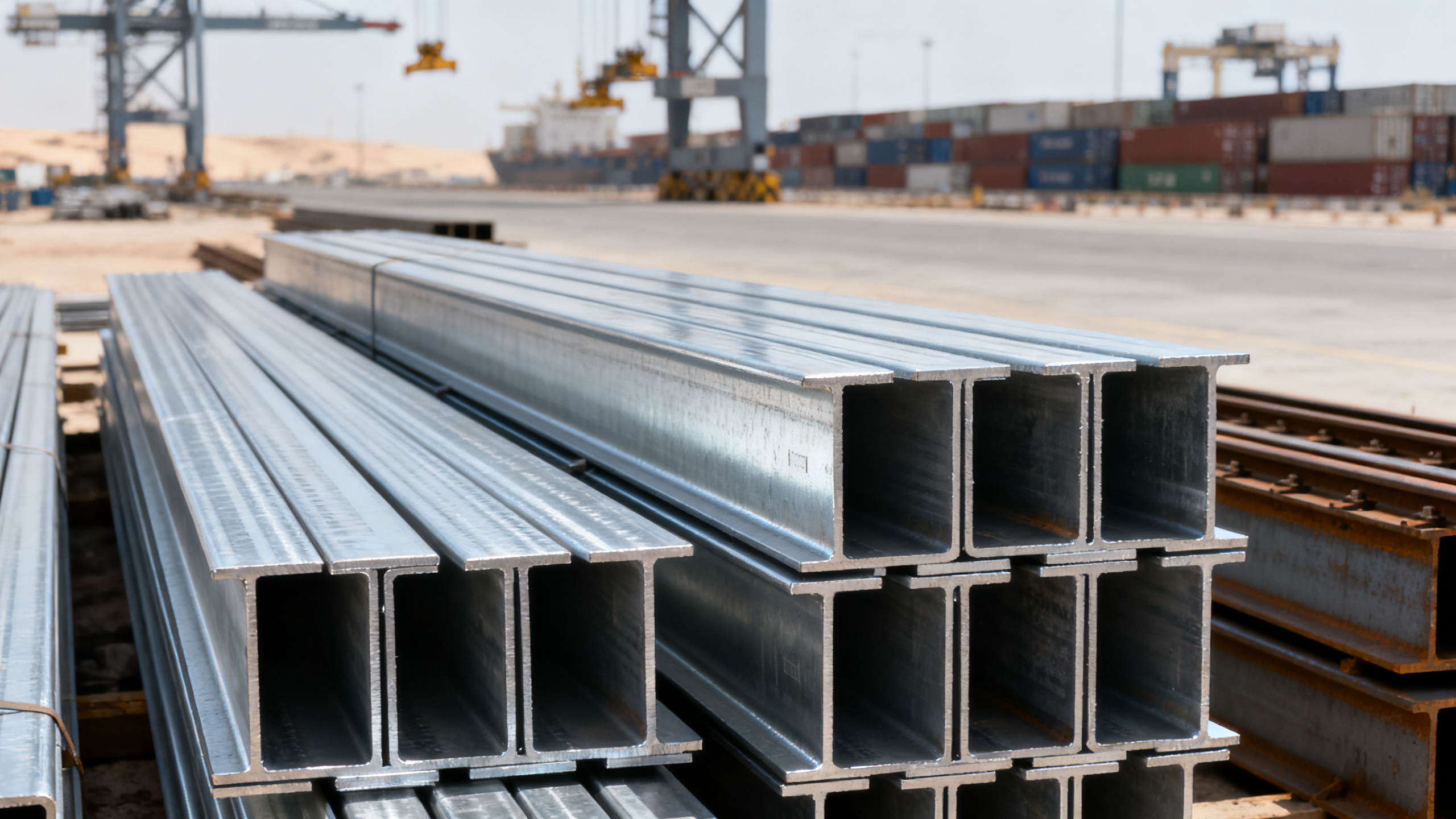
On May 21, 2026, the Moroccan government announced the extension of safeguard measures on hot-rolled steel imports from China and other countries through December 31, 2027. The annual import quota was reduced by 23%, from 128,000 tonnes to 98,000 tonnes. This policy shift directly affects structural steel, H-beams, and rail steel — core product lines under the Steel & Metal Profiles category — and triggers strategic recalibrations across export-oriented supply chains serving the North African market.
Event Overview
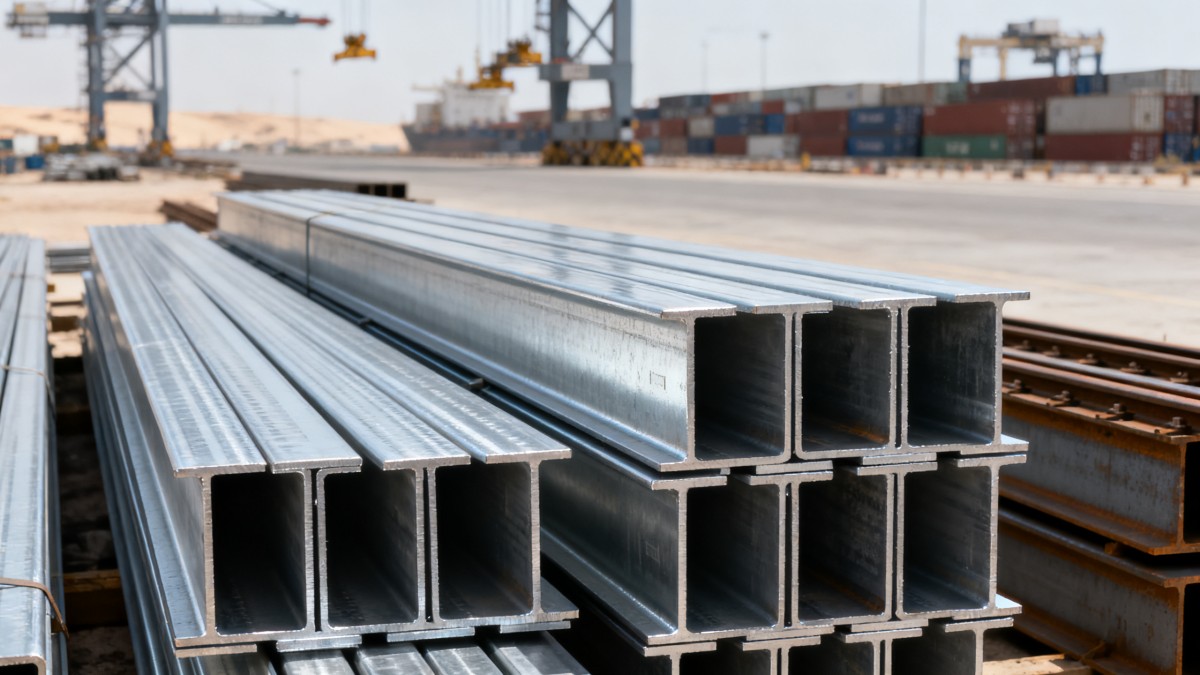
Morocco extended its safeguard measures on hot-rolled steel effective May 21, 2026, maintaining restrictions originally imposed in 2023. The revised measure extends the validity period to December 31, 2027, and lowers the annual tariff-rate quota (TRQ) from 128,000 tonnes to 98,000 tonnes. The scope explicitly covers hot-rolled structural steel profiles, including H-beams, I-beams, T-sections, and rail steel. Exporters from China, Vietnam, Turkey, and India remain subject to the quota allocation mechanism administered by Morocco’s Ministry of Industry and Trade.
Industries Affected
Direct Trading Enterprises: Exporters and trading firms specializing in hot-rolled steel profiles face immediate quota constraints. With a 23% reduction in allocable volume, shipment planning, contract fulfillment timelines, and customer commitments — especially for long-term infrastructure projects in Morocco — require renegotiation. Quota allocation is now more competitive, increasing administrative burden and uncertainty around customs clearance windows.
Raw Material Procurement Enterprises: Downstream procurement entities sourcing semi-finished slabs or billets for profile rolling may experience upstream pricing pressure. As Chinese mills divert production away from Morocco-bound shipments, regional demand rebalancing could tighten slab availability in alternative markets (e.g., Egypt or Algeria), pushing up input costs. However, no direct price adjustment data has yet been reported.
Processing & Manufacturing Enterprises: Local Moroccan fabricators relying on imported hot-rolled profiles for construction, rail infrastructure, and industrial equipment assembly must reassess lead times and cost structures. Reduced quota access increases reliance on domestic alternatives or higher-cost EU-sourced material — potentially delaying project execution and compressing margins on fixed-price contracts.
Supply Chain Service Providers: Freight forwarders, customs brokers, and logistics platforms handling steel consignments to Casablanca or Nador ports will see increased documentation scrutiny and quota verification steps. Real-time quota tracking systems and TRQ certification support are becoming essential service offerings — not optional add-ons.
Key Considerations and Response Measures
Reallocate Export Destinations Strategically
Chinese exporters should prioritize diversification into non-quota-restricted North African markets — particularly Algeria and Tunisia — where infrastructure investment plans remain active and trade frameworks are less restrictive. Analysis shows that over 60% of affected exporters have initiated feasibility studies for Tunisian distribution hubs since Q1 2026.
Accelerate Localized Value Addition
Establishing light fabrication units in Morocco (e.g., cutting, drilling, surface treatment) may qualify certain finished goods for exemption from the safeguard scope. From industry perspective, this approach mitigates quota dependency but requires upfront CAPEX and compliance with local content rules — a trade-off requiring case-by-case assessment.
Engage Proactively with Moroccan Quota Administration
Quota allocations are issued biannually and based on verifiable historical import data. Exporters with documented shipment records from 2024–2025 are advised to submit pre-application dossiers before July 2026. Observably, early filers received 12–18% higher initial allocations than late applicants in prior cycles.
Editorial Perspective / Industry Observation
This extension signals Morocco’s ongoing prioritization of domestic steel capacity development over short-term import flexibility. While officially framed as a temporary measure to protect nascent local producers — notably Société Nationale de Sidérurgie (SNS) — the 23% quota cut suggests growing confidence in domestic substitution capability. Analysis shows SNS’s hot-rolled profile output rose 34% year-on-year in 2025, though quality consistency for rail-grade applications remains under third-party review. Current policy is better understood as a calibrated ramp-up of local industry readiness — not merely protectionism.
Conclusion
The safeguard extension reflects a broader regional trend: North African governments increasingly deploying targeted trade instruments to synchronize industrial policy with infrastructure-led growth. For global steel exporters, this underscores the need to treat regulatory frameworks not as static barriers, but as dynamic indicators of local industrial ambition. Long-term competitiveness will hinge less on quota navigation alone, and more on integrated local presence, value-added localization, and responsive compliance infrastructure.
Source Attribution
Official notice published in the Journal Officiel du Royaume du Maroc, No. 7192, May 21, 2026; supplemented by statements from Morocco’s Ministry of Industry and Trade (May 22, 2026). Quota administration guidelines updated via Circular No. 14/2026. Further developments regarding potential WTO consultations or bilateral technical talks remain pending — to be monitored closely.
Technical Specifications
- How to Select Electronic Hotel Key Card Locks for Guest Rooms and Staff AreasAuthor :Safety Compliance Lead
- How to Select Lab Instruments for Reliable Chemical Analysis WorkflowsAuthor :Precision Metrology Expert
- How to Size a UPS for Server Rooms: Load, Runtime, and Redundancy FactorsAuthor :Grid Infrastructure Analyst
Expert Insights

Chief Security Architect
Dr. Thorne specializes in the intersection of structural engineering and digital resilience. He has advised three G7 governments on industrial infrastructure security.
Related Analysis
- Sep 17, 2026How to Select Electronic Hotel Key Card Locks for Guest Rooms and Staff AreasAuthor :Safety Compliance Lead
- Sep 16, 2026How to Select Lab Instruments for Reliable Chemical Analysis WorkflowsAuthor :Precision Metrology Expert
- Sep 15, 2026How to Size a UPS for Server Rooms: Load, Runtime, and Redundancy FactorsAuthor :Grid Infrastructure Analyst
Core Sector // 01
Security & Safety
- Stainless Steel Welded Tube Applications: Matching Tube Supply to Fabrication NeedsAuthor :Heavy Industry Strategist

- What Maintenance Do Furnace Components Need After 18 Months?Author :Heavy Industry Strategist

- How to Assess Metal Materials for Thermal Cycling in Power BoilersAuthor :Heavy Industry Strategist

- How to Evaluate Aluminum Extrusion Suppliers for Tight-Tolerance Components?Author :Heavy Industry Strategist

- How to Evaluate a Weld Neck Flange Manufacturer for High-Pressure Pipe ProjectsAuthor :Heavy Industry Strategist

- EU REACH Ban Hits Cr(VI)-Coated Steel ImportsAuthor :Heavy Industry Strategist
-Coated Steel Imports")
- How to Evaluate a Heat Sink Aluminum Profile Supplier for Custom Thermal ProjectsAuthor :Heavy Industry Strategist

- Industrial Metal Fabrication Components Price: What Drives Cost and How to Compare QuotesAuthor :Heavy Industry Strategist