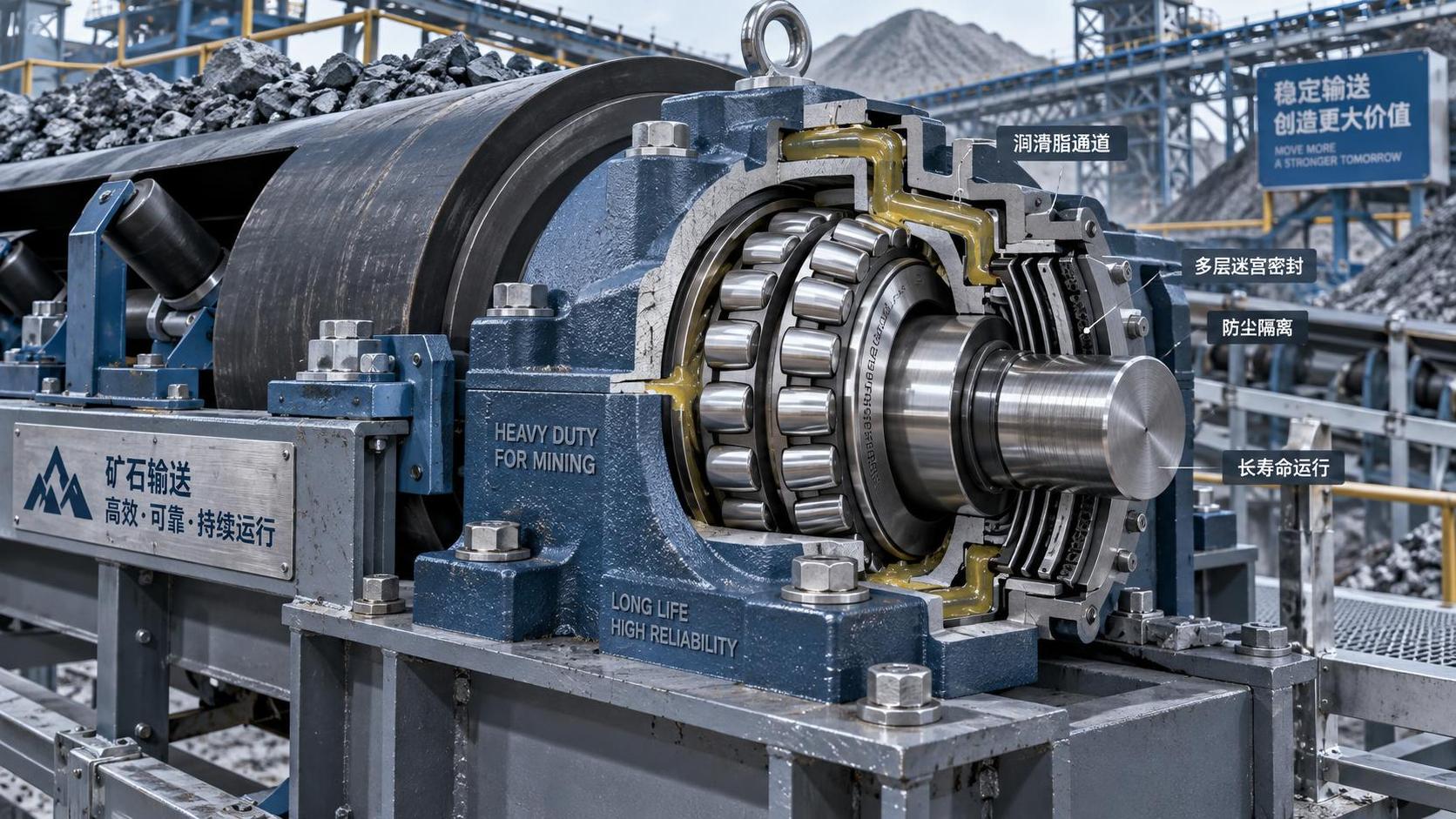
Hormuz Transit Slump Drives Bearing Freight Costs Up
Author
Date Published
Reading Time

On June 12, 2026, the sharp disruption to traffic through the Strait of Hormuz became more than a logistics headline for the industrial components trade. For buyers, exporters, manufacturers, and supply-chain service providers handling precision Bearings & Seals, the immediate issue is a change in shipping conditions and trade execution: vessel suspensions, longer rerouted voyages, and war-risk surcharges are now directly affecting delivery timing, landed cost, and short-term procurement decisions.
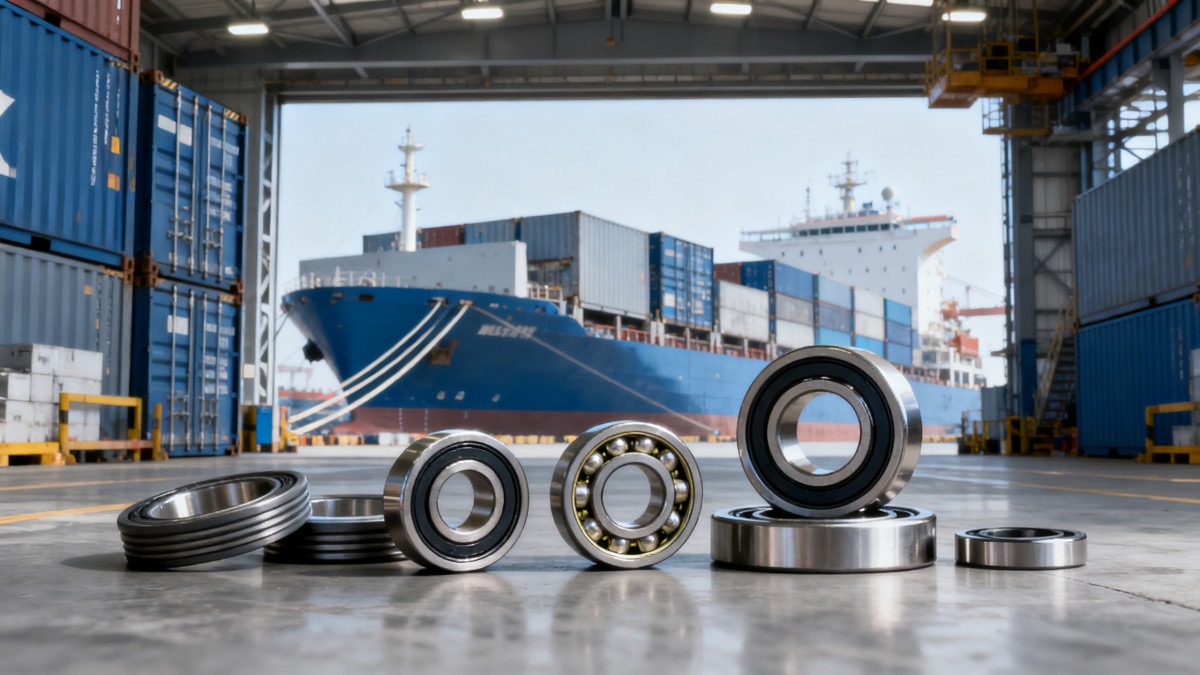
Shipping conditions have tightened in a measurable way
Confirmed information indicates that, amid an escalation in the U.S.-Iran conflict, actual traffic through the Strait of Hormuz fell by more than 90%, with the reported drop reaching 94% in the headline information. Maersk and MSC suspended sailings, and rerouting via the Cape of Good Hope extended voyage times by 10 to 14 days. War-risk surcharges reached USD 2,000 to USD 4,000 per standard container. The disruption directly affects the delivery cycle and landed cost of high-precision mechanical parts in the Bearings & Seals category, and global buyers are being prompted to reassess inventory safety levels and alternative logistics paths.
Where the pressure is likely to appear first
Procurement teams face immediate timing and cost exposure
From an industry perspective, procurement teams are likely to feel the impact first because the reported changes affect both lead time and freight budgeting at the same time. For orders involving Bearings & Seals, the practical concern is not only delayed arrival but also whether current purchase schedules, safety stock assumptions, and delivery commitments still match actual transport conditions. What deserves closer attention is any contract, quotation, or purchase document that depends on previously assumed transit times or shipping charges.
Manufacturers may need to revisit production sequencing
Analysis shows that manufacturers relying on inbound precision components could face pressure in production planning if expected shipments are delayed by rerouting. The issue is especially relevant where Bearings & Seals are tied to equipment assembly, maintenance schedules, or customer-specific delivery windows. In this context, companies should pay attention to whether internal planning documents, supplier confirmations, and delivery schedules remain aligned with the changed shipping environment.
Exporters and distributors need closer control of execution risk
Observably, exporters and channel distributors may face a different challenge: even when product readiness is unchanged, shipment execution and landed-price commitments can shift quickly when sailings are suspended and war-risk charges rise. The business impact is likely to appear in order confirmation, shipment booking, customer communication, and final cost reconciliation. Companies operating in these roles should closely review freight-related terms, delivery promises, and any supporting trade documents linked to dispatch timing.
Logistics service providers will be drawn into compliance-sensitive adjustments
For freight and supply-chain service providers, the reported changes create a need for tighter coordination around routing, surcharge disclosure, and document consistency. While the input does not provide detailed regulatory instructions, the operating environment described here means service providers may need to ensure that transport arrangements, booking updates, and cost notices are accurately reflected across customer-facing documents and execution records.
What companies should review now
Recheck inventory thresholds against longer transit assumptions
Analysis shows that the first operational question is whether existing inventory safety levels still reflect current voyage conditions. Where Bearings & Seals are critical to production continuity or aftermarket service, companies should reassess whether a 10 to 14 day extension materially changes reorder timing, buffer stock logic, or service commitments.
Review freight terms and landed-cost calculations
What deserves closer attention is the direct effect of the reported USD 2,000 to USD 4,000 war-risk surcharge per container. Businesses should examine whether quotations, cost sheets, and customer offers still reflect workable assumptions, especially where freight pass-through, delivery obligations, or price validity periods are involved.
Prepare alternative logistics routing without assuming stable execution
Observably, the input points to an immediate need to assess substitute logistics paths. That should be understood as a planning requirement rather than evidence of a settled new standard. Companies should therefore compare routing options, supplier shipment flexibility, and internal approval procedures while recognizing that execution conditions may continue to change.
Check technical and quality records tied to delayed delivery
For precision mechanical parts, delayed transit can also affect how companies manage supporting records around shipment batches, customer specifications, and after-sales traceability. The current information does not indicate a new certification rule, but firms should still make sure technical documents, inspection records, and delivery files remain consistent if shipment timing or logistics arrangements change.
This looks more like an execution signal than a settled rule framework
Analysis shows that this development is best understood as an immediate trade and logistics execution signal rather than a fully defined new regulatory regime. The important change already visible is operational: shipping availability has contracted, routes have lengthened, and surcharge pressure has become explicit. At the same time, it is more appropriate to understand the broader compliance and trade implications as still evolving, because the input does not provide formal new policy text, official implementation guidance, or a confirmed long-term rule framework. That is why continued attention to later trade notices, contract practices, tender language, and market feedback remains necessary.
How the market should read this development for now
For the Bearings & Seals trade, the significance of this event lies less in abstract geopolitical risk and more in the practical reset of shipping assumptions. The current information supports a cautious reading: this is an already effective disruption to transport execution and procurement planning, but its longer-term rule implications still need monitoring. A neutral industry conclusion, therefore, is that companies should treat the event as an active delivery and cost-control issue now, while avoiding assumptions about a fixed new normal until further execution signals or formal guidance emerge.
Basis of this article and what still requires verification
This article is generated from the user-provided news title, event date, and event summary. For events of this type, commonly relevant source categories may include official notices, regulatory releases, customs or trade authority information, industry association updates, standard-setting documents, and reporting by established media. No specific official source link was provided in the input, so the exact official source trail remains to be verified. Further observation is still needed on possible policy detail, compliance interpretation, tender document changes, market feedback, and how companies ultimately implement procurement and delivery adjustments.
Technical Specifications
- How to Select Electronic Hotel Key Card Locks for Guest Rooms and Staff AreasAuthor :Safety Compliance Lead
- How to Select Lab Instruments for Reliable Chemical Analysis WorkflowsAuthor :Precision Metrology Expert
- How to Size a UPS for Server Rooms: Load, Runtime, and Redundancy FactorsAuthor :Grid Infrastructure Analyst
Expert Insights

Chief Security Architect
Dr. Thorne specializes in the intersection of structural engineering and digital resilience. He has advised three G7 governments on industrial infrastructure security.
Related Analysis
- Sep 17, 2026How to Select Electronic Hotel Key Card Locks for Guest Rooms and Staff AreasAuthor :Safety Compliance Lead
- Sep 16, 2026How to Select Lab Instruments for Reliable Chemical Analysis WorkflowsAuthor :Precision Metrology Expert
- Sep 15, 2026How to Size a UPS for Server Rooms: Load, Runtime, and Redundancy FactorsAuthor :Grid Infrastructure Analyst
Core Sector // 01
Security & Safety
- Selecting Low-Friction Pneumatic Seals for High-Cycle, Low-Pressure CylindersAuthor :Heavy Industry Strategist

- Selecting Spherical Roller Bearings for Mining: Load, Contamination, and Service LifeAuthor :Heavy Industry Strategist

- Do Deep Groove Ball Bearings Need Special Seals in Coastal Humidity?Author :Heavy Industry Strategist

- How to Select Anti Vibration Rubber Shock Absorbers for Machinery and EquipmentAuthor :Heavy Industry Strategist

- When to Specify Induction Hardened Slewing Ring Bearings for Heavy-Duty EquipmentAuthor :Heavy Industry Strategist

- How to Evaluate Weather Resistant EPDM Extrusion for Outdoor Sealing ApplicationsAuthor :Heavy Industry Strategist

- Bearing and Seal Lead Times Stretch to 22 WeeksAuthor :Heavy Industry Strategist

- Angular Contact Ball Bearings Explained: Contact Angle, Load Capacity, and Common UsesAuthor :Heavy Industry Strategist