Bearing and Seal Lead Times Stretch to 22 Weeks
Author
Date Published
Reading Time
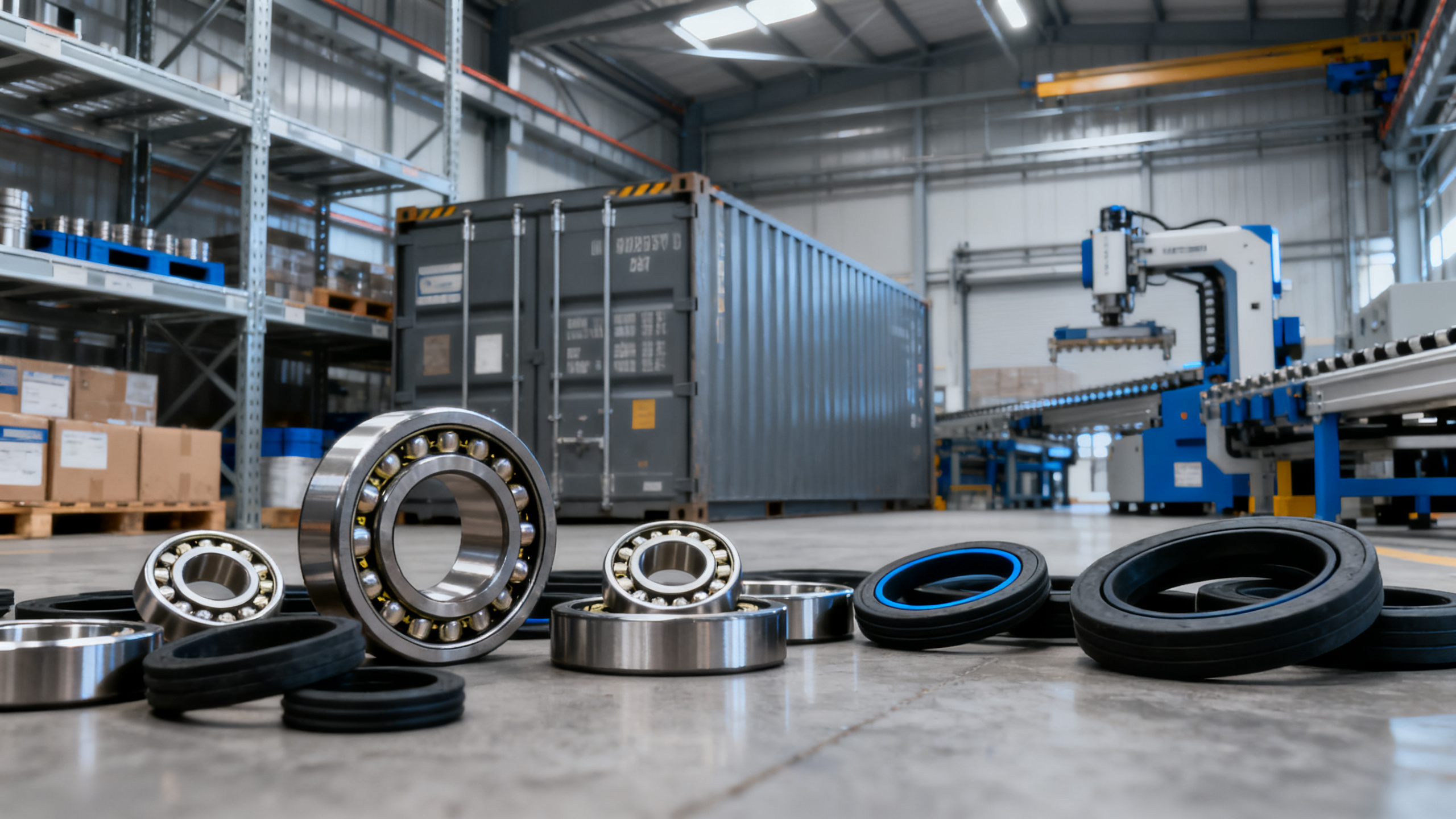
The timing of this development is not clearly stated in the available information, but the latest update points to a sharp extension in global lead times for industrial bearings and seals. For manufacturers, procurement teams, distributors, and supply chain service providers, the shift matters because it combines material-side pressure with slower movement through major logistics hubs, creating a more complex delivery environment for precision components.
What the latest supply data confirms
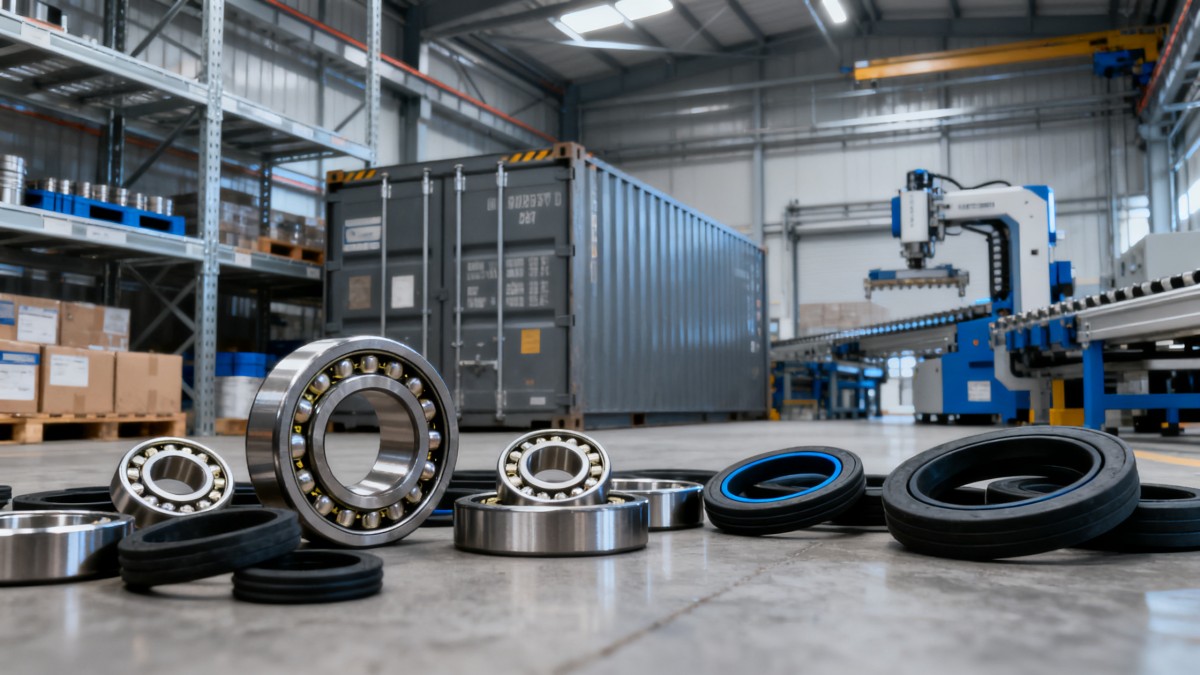
According to Timken’s Q2 2026 Global Supply Index, average lead times for precision bearings and elastomeric seals covered under ISO 15 and DIN 620 reached 22 weeks, compared with 14 weeks in Q1. The reported cause is constrained supply of specialty steels and fluorocarbon elastomers. At the same time, major logistics hubs in Rotterdam and Jebel Ali have reported extended container dwell times for these components.
Where the pressure is likely to be felt first
Procurement and sourcing functions face a longer planning window
From an industry perspective, buyers of precision bearings and elastomeric seals may be affected first because a jump from 14 to 22 weeks changes the timing assumptions behind replenishment and project purchasing. The immediate pressure is likely to appear in order scheduling, supplier coordination, and delivery commitment management. What deserves closer attention is whether lead-time assumptions used in current procurement cycles still reflect actual supply conditions.
Manufacturing operations may see tighter coordination demands
Analysis shows that processing and manufacturing companies relying on these components could face more pressure in production planning if key parts arrive later than expected. The potential impact is less about a confirmed production halt and more about increased sensitivity in sequencing, inventory timing, and component availability across ongoing orders. Companies in this position should watch whether material shortages and port-side delays begin to compound each other in day-to-day fulfillment.
Distributors and logistics service providers may need closer shipment tracking
Observably, channel distributors and supply chain service providers are exposed to the logistics side of the issue because the update also points to extended container dwell times in Rotterdam and Jebel Ali. The likely impact is concentrated in cargo visibility, handover timing, and customer communication around expected arrival dates. A key point to monitor is whether delays remain concentrated in specific routes and hubs or start affecting broader distribution timing.
End users may need to review delivery expectations with suppliers
For downstream industrial users, the main issue is not only the longer nominal lead time but also the possibility of less predictable delivery windows. Analysis shows that this can affect maintenance planning, replacement schedules, and order confirmation discussions with suppliers. The practical concern is whether current demand plans rely on component availability assumptions formed before the Q2 update.
What companies should watch now
Track whether supplier lead times are being formally revised
What deserves closer attention is whether suppliers begin updating quotations, confirmations, or contractual delivery windows to reflect the 22-week average. The difference between a market signal and a formal delivery commitment can become important in procurement and customer-facing decisions.
Focus on the affected material-linked categories
Because the reported drivers are constrained specialty steels and fluorocarbon elastomers, companies should pay close attention to bearing and seal categories directly tied to those inputs. The practical issue is not broad market commentary but whether specific purchased items under current sourcing programs are exposed to the same material constraints referenced in the update.
Separate transit delay risk from production-side delay risk
Analysis shows that the information points to two different pressure points: raw material supply constraints and extended container dwell times at major hubs. Companies may benefit from treating these as separate risks in planning, since one affects component availability at origin and the other affects movement through the logistics chain.
Prepare clearer customer and internal delivery communication
Where bearings and seals are critical inputs, teams may need tighter coordination between purchasing, planning, sales, and logistics. Observably, the value here is not in broad contingency language but in more disciplined communication around order status, revised lead-time assumptions, and documentation tied to fulfillment schedules.
Why this looks more like a signal than a final outcome
This section is an editorial observation. It is more appropriate to understand this update as a meaningful industry signal rather than a complete picture of long-term supply conditions. The confirmed facts show a steep quarter-on-quarter increase in lead times and added logistics friction at two major hubs. What remains uncertain, based on the provided information, is how persistent these conditions will be, how widely they will affect adjacent component categories, and whether the current pressures ease or deepen in subsequent updates.
From an industry perspective, the significance of this development lies in the combination of upstream material tightness and downstream logistics delay. That combination does not by itself prove a structural long-term shortage, but it does justify closer monitoring by businesses with exposure to precision mechanical components and time-sensitive delivery commitments.
How this development is best understood for now
At this stage, the reported move to 22-week average lead times should be read as a serious operational warning for companies involved in sourcing, distributing, or using industrial bearings and seals. It does not yet establish a definitive long-term market outcome on its own. A neutral reading is that this is a live supply-chain development with immediate planning relevance and with enough uncertainty to require continued observation rather than fixed conclusions.
Basis of this article and ongoing verification
This article is based on the user-provided news title, the note that the event timing was not specified, and the supplied summary referencing Timken’s Q2 2026 Global Supply Index, the increase in average lead times, the cited raw material constraints, and the reported container dwell-time extensions in Rotterdam and Jebel Ali. For this type of development, relevant source categories would typically include official company updates, enterprise disclosures, industry association information, authoritative media reporting, and standard-related documentation. A specific official source link was not provided in the input, so the underlying details still require continued verification. Follow-up attention should remain on subsequent supply index updates, any revised supplier delivery language, and whether logistics conditions at the named hubs improve or remain extended.
Technical Specifications
- How to Select Electronic Hotel Key Card Locks for Guest Rooms and Staff AreasAuthor :Safety Compliance Lead
- How to Select Lab Instruments for Reliable Chemical Analysis WorkflowsAuthor :Precision Metrology Expert
- How to Size a UPS for Server Rooms: Load, Runtime, and Redundancy FactorsAuthor :Grid Infrastructure Analyst
Expert Insights

Chief Security Architect
Dr. Thorne specializes in the intersection of structural engineering and digital resilience. He has advised three G7 governments on industrial infrastructure security.
Related Analysis
- Sep 17, 2026How to Select Electronic Hotel Key Card Locks for Guest Rooms and Staff AreasAuthor :Safety Compliance Lead
- Sep 16, 2026How to Select Lab Instruments for Reliable Chemical Analysis WorkflowsAuthor :Precision Metrology Expert
- Sep 15, 2026How to Size a UPS for Server Rooms: Load, Runtime, and Redundancy FactorsAuthor :Grid Infrastructure Analyst
Core Sector // 01
Security & Safety
- Selecting Low-Friction Pneumatic Seals for High-Cycle, Low-Pressure CylindersAuthor :Heavy Industry Strategist

- Selecting Spherical Roller Bearings for Mining: Load, Contamination, and Service LifeAuthor :Heavy Industry Strategist

- Do Deep Groove Ball Bearings Need Special Seals in Coastal Humidity?Author :Heavy Industry Strategist

- How to Select Anti Vibration Rubber Shock Absorbers for Machinery and EquipmentAuthor :Heavy Industry Strategist

- When to Specify Induction Hardened Slewing Ring Bearings for Heavy-Duty EquipmentAuthor :Heavy Industry Strategist

- How to Evaluate Weather Resistant EPDM Extrusion for Outdoor Sealing ApplicationsAuthor :Heavy Industry Strategist

- Bearing and Seal Lead Times Stretch to 22 WeeksAuthor :Heavy Industry Strategist

- Angular Contact Ball Bearings Explained: Contact Angle, Load Capacity, and Common UsesAuthor :Heavy Industry Strategist