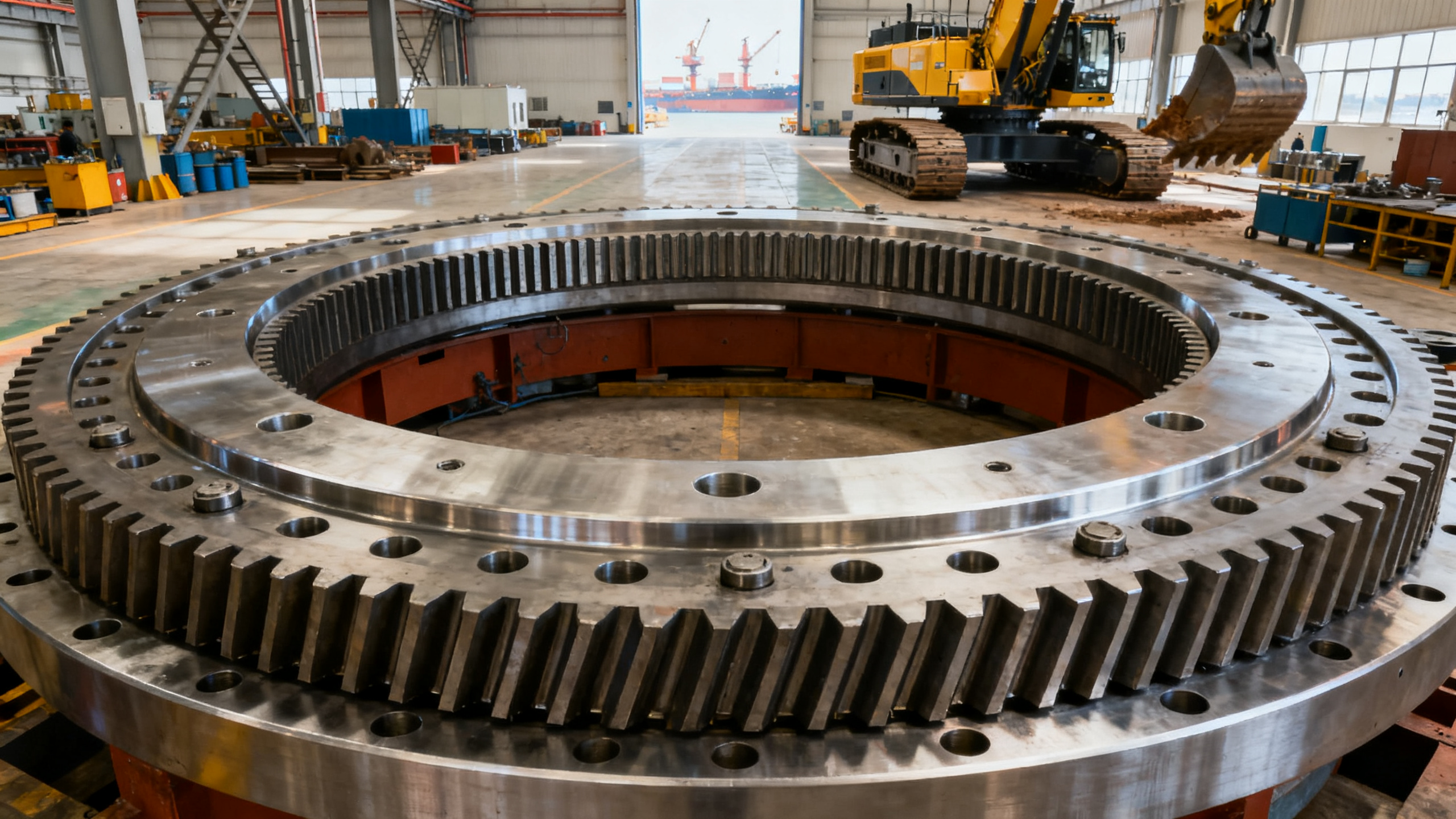
Slewing Ring Bearings for Heavy Duty Equipment: Key Load Ratings and Mounting Factors
Author
Date Published
Reading Time
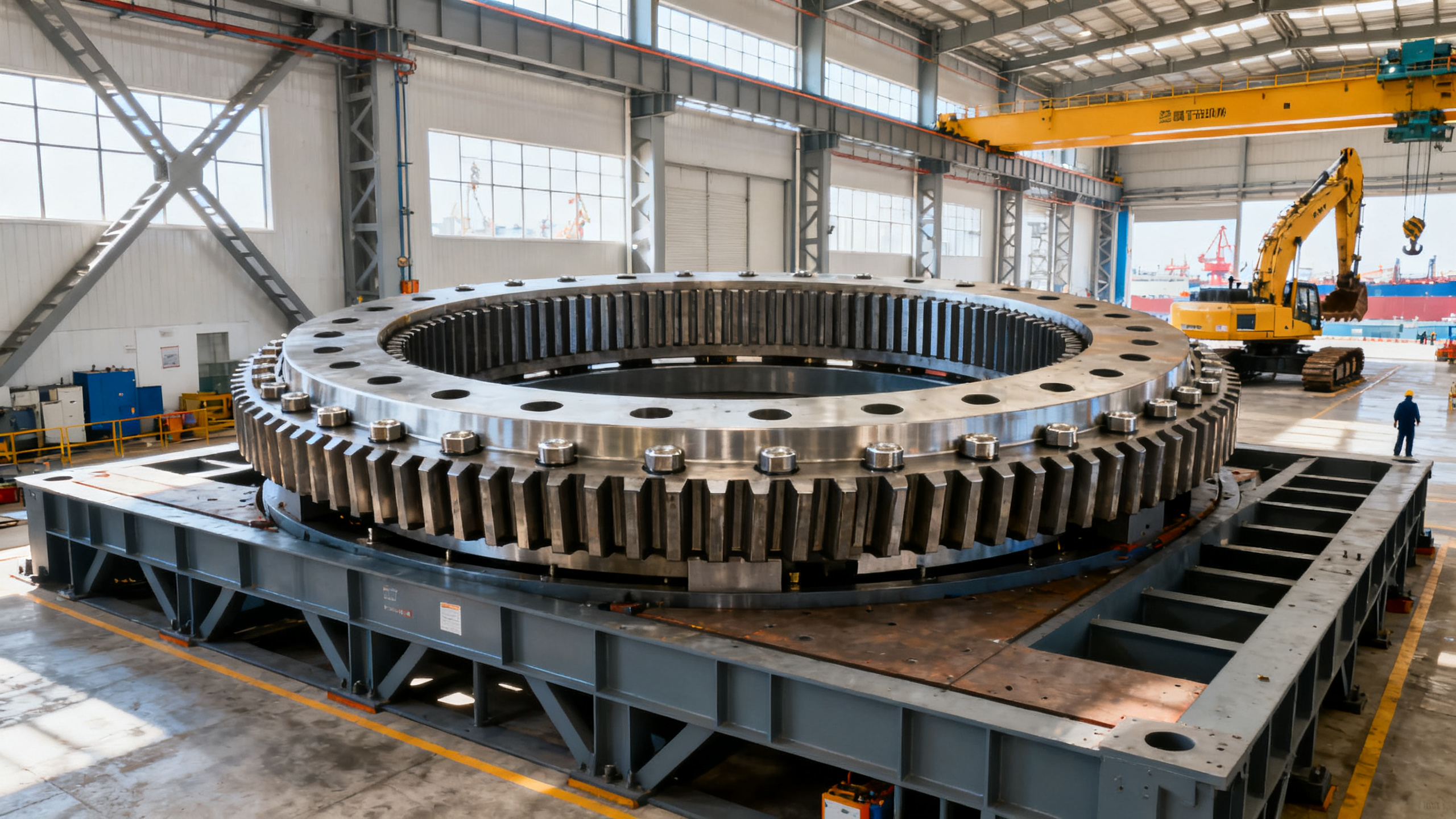
Slewing Ring Bearings for Heavy Duty Equipment: Key Load Ratings and Mounting Factors
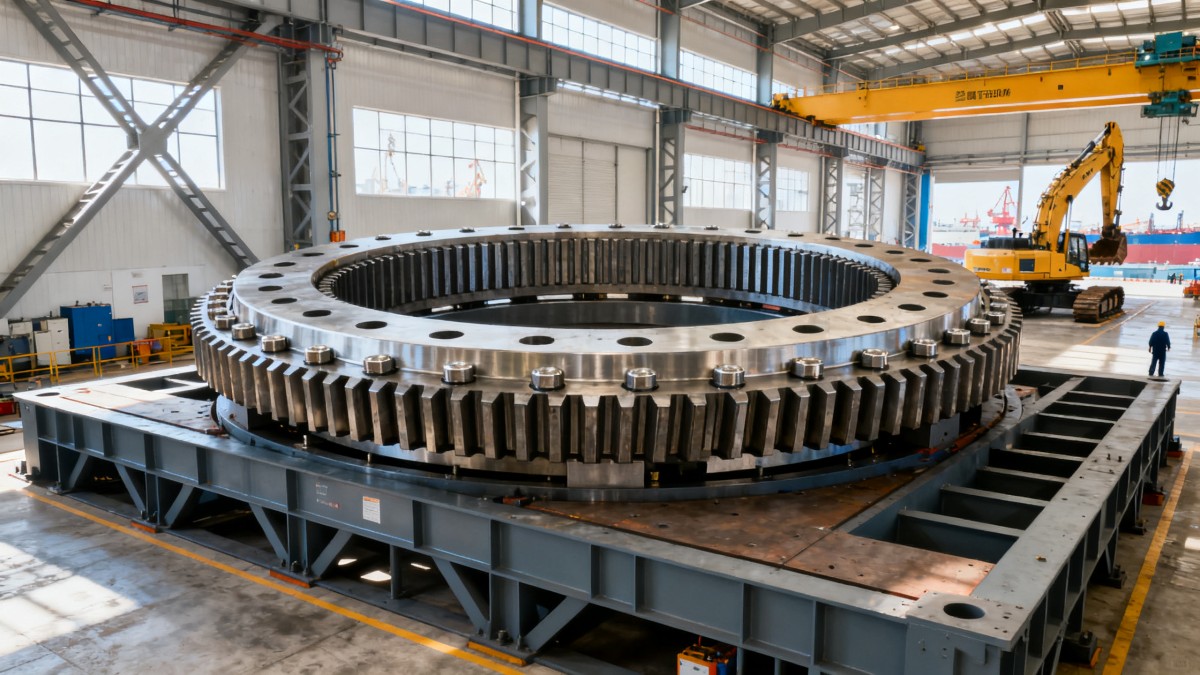
Selecting slewing ring bearings heavy duty systems can rely on starts well before purchase approval.
Dimensions matter, but they are only one part of the engineering picture.
In cranes, excavators, stacker reclaimers, and drilling platforms, the bearing often becomes a structural safety point.
That is why load ratings, bolt preload, mounting flatness, and operating conditions must be reviewed together.
A bearing that looks adequate on paper may still fail early if the support structure distorts under load.
This also means technical evaluation should focus on system behavior, not just catalog values.
Why Load Ratings Are the First Filter
For slewing ring bearings heavy duty equipment uses, load capacity is the first hard checkpoint.
Most applications combine axial load, radial load, and overturning moment at the same time.
Ignoring that interaction leads to overly simple selection and inaccurate safety margins.
Manufacturers usually provide static and dynamic load ratings, but those figures require context.
Static capacity addresses deformation risk under peak loading.
Dynamic capacity relates more closely to life under repeated operating cycles.
In practical reviews, the applied moment often decides the final bearing size faster than axial load does.
Core Rating Terms That Need Verification
- Maximum axial load under static and operating conditions.
- Radial load limits, especially during travel, braking, or off-center lifting.
- Tilting moment capacity for boom extension, digging reach, or platform rotation.
- Life calculation basis, including duty cycle, speed, and shock assumptions.
- Safety factors used in the supplier rating method.
When comparing suppliers, identical dimensions do not guarantee identical load performance.
Raceway geometry, ball or roller size, hardness depth, and gear design can shift the rating significantly.
How to Read Combined Loads in Real Equipment
Real machines rarely apply neat textbook loads to slewing ring bearings heavy duty assemblies.
A crawler crane may see wind load, hook swing, and dynamic braking within one operating sequence.
An excavator adds digging shock, track unevenness, and side loading during swing reversal.
Because of this, catalog charts should be treated as starting points.
The better method is to build a worst-case load envelope from operating scenarios.
Useful Questions During Evaluation
- What is the highest overturning moment during normal operation?
- How often do shock events or emergency stops occur?
- Is load centered, eccentric, or variable through the rotation path?
- Will the bearing carry load while the machine is traveling?
- What service life is required before major overhaul?
These questions help translate a generic bearing selection into an application-specific decision.
They also reveal whether a four-point contact design or a cross-roller design is more appropriate.
Mounting Accuracy Often Decides Service Life
Even high-capacity slewing ring bearings heavy duty installations can underperform when mounting quality is weak.
This is one of the most common gaps between laboratory ratings and field results.
The bearing rings must sit on flat, rigid, and clean support surfaces.
If the structure has waviness, weld distortion, or local soft spots, raceway loads become uneven.
That uneven distribution increases contact stress and shortens fatigue life.
It can also create gear meshing issues, abnormal torque, and localized bolt loosening.
Key Mounting Factors to Check
- Support surface flatness across the full bolt circle.
- Machining tolerance at bearing seat diameter and pilot fit.
- Structural stiffness of the upper and lower mounting frames.
- Surface cleanliness before final seating and bolt tightening.
- Correct gear backlash after installation.
From recent field data, poor support flatness remains a larger failure driver than material defects.
That is a clear signal to evaluate the machine structure as carefully as the bearing itself.
Bolt Integrity and Preload Control
Bolts are part of the bearing system, not a secondary hardware item.
For slewing ring bearings heavy duty applications, bolt failure can escalate quickly into ring movement or structural damage.
The selected grade, tightening method, lubrication condition, and preload verification all matter.
Under-tightened bolts allow joint separation under overturning moment.
Over-tightened bolts risk yielding, fatigue, or thread damage.
Practical Controls for Better Reliability
- Use the specified bolt grade and washer arrangement from the bearing supplier.
- Apply the recommended tightening sequence in multiple passes.
- Verify preload with calibrated torque or tension methods.
- Retighten after the initial running period if required.
- Inspect bolt elongation, corrosion, and seating damage during maintenance intervals.
In actual projects, inconsistent preload across the bolt circle is often harder on the bearing than a moderate overload.
Operating Conditions That Change Bearing Suitability
A technically correct bearing can still be the wrong choice once site conditions are added.
Slewing ring bearings heavy duty equipment depends on may face dust, salt spray, shock loading, or wide temperature swings.
These conditions influence seal life, grease retention, corrosion resistance, and friction torque.
They also affect whether standard material and lubrication packages are enough.
This is where application knowledge creates better sourcing decisions than a simple price comparison.
Standards, Documentation, and Supplier Validation
Technical compliance deserves the same attention as bearing geometry.
For critical equipment, documentation quality often reveals future support quality as well.
Look for clear traceability on materials, heat treatment, inspection records, and installation instructions.
Depending on project scope, ISO-aligned quality systems and third-party inspection records may be necessary.
For globally deployed assets, that documentation can reduce approval delays and maintenance disputes later.
Useful Supplier Review Points
- Published rating method for combined loads.
- Mounting tolerance guidance for support structures.
- Recommended bolt specifications and preload procedures.
- Lubrication schedule by duty and environment.
- Inspection, testing, and traceability records.
A supplier that cannot explain these points clearly is adding risk to the project.
A Practical Selection Checklist
When reviewing slewing ring bearings heavy duty machines require, a short checklist helps keep decisions disciplined.
- Confirm axial, radial, and overturning moment loads for worst operating cases.
- Check dynamic life assumptions against actual duty cycles.
- Review support structure flatness and stiffness before release.
- Validate bolt grade, preload method, and retightening schedule.
- Match seals, grease, and coatings to the site environment.
- Request full technical documentation and inspection traceability.
The strongest evaluations combine bearing ratings with mounting discipline and operating realism.
That approach supports safer uptime, longer service intervals, and fewer costly surprises after commissioning.
Before final approval, align the bearing supplier, structural designer, and installation team around one verified load and mounting standard.
Technical Specifications
- Air Handling Unit Supplier Checklist: Performance Data, Lead Times, and SupportAuthor :Environmental Engineering Director
- Buying Fiberglass Water Tanks Wholesale: Compare Quotes and Delivery CostsAuthor :Environmental Engineering Director
- Choosing an XLPE Power Cable Supplier: Test Reports, Traceability, and Lead TimesAuthor :Grid Infrastructure Analyst
Expert Insights

Chief Security Architect
Dr. Thorne specializes in the intersection of structural engineering and digital resilience. He has advised three G7 governments on industrial infrastructure security.
Related Analysis
- Oct 19, 2026Air Handling Unit Supplier Checklist: Performance Data, Lead Times, and SupportAuthor :Environmental Engineering Director
- Oct 18, 2026Buying Fiberglass Water Tanks Wholesale: Compare Quotes and Delivery CostsAuthor :Environmental Engineering Director
- Oct 17, 2026Choosing an XLPE Power Cable Supplier: Test Reports, Traceability, and Lead TimesAuthor :Grid Infrastructure Analyst
Core Sector // 01
Security & Safety
- How to Select Flange Gaskets for Pressure, Temperature, and Media CompatibilityAuthor :Heavy Industry Strategist

- Selecting High-Temperature Gaskets for Steam, Flanges, and Thermal CyclingAuthor :Heavy Industry Strategist

- Selecting Low-Friction Pneumatic Seals for High-Cycle, Low-Pressure CylindersAuthor :Heavy Industry Strategist

- Selecting Spherical Roller Bearings for Mining: Load, Contamination, and Service LifeAuthor :Heavy Industry Strategist

- Do Deep Groove Ball Bearings Need Special Seals in Coastal Humidity?Author :Heavy Industry Strategist

- How to Select Anti Vibration Rubber Shock Absorbers for Machinery and EquipmentAuthor :Heavy Industry Strategist

- When to Specify Induction Hardened Slewing Ring Bearings for Heavy-Duty EquipmentAuthor :Heavy Industry Strategist

- How to Evaluate Weather Resistant EPDM Extrusion for Outdoor Sealing ApplicationsAuthor :Heavy Industry Strategist