India Applies 12% Safeguard Duty on Bearings and Seals
Author
Date Published
Reading Time
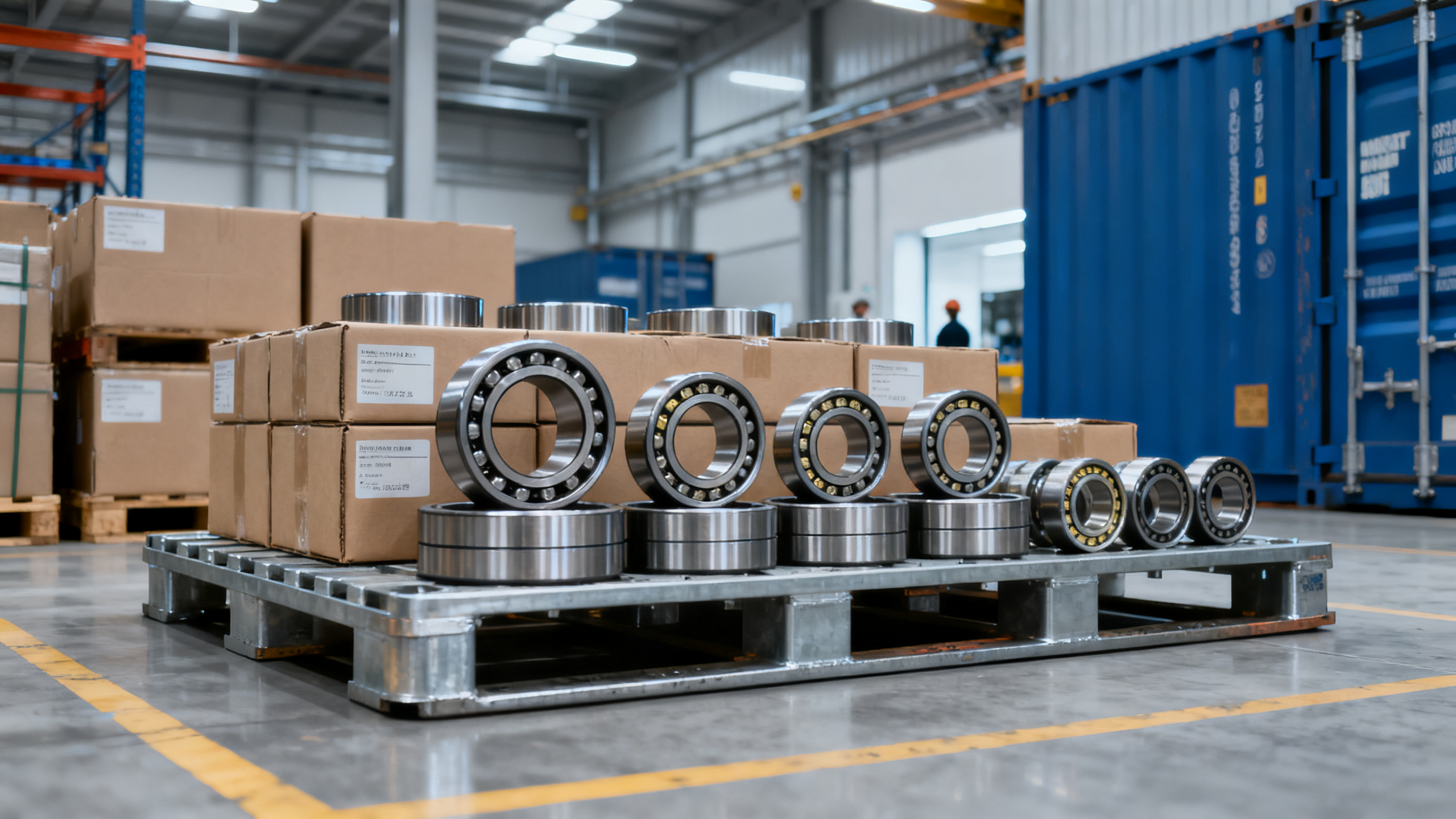
On July 12, 2026, India signaled a concrete trade-rule change for bearings and seals by announcing a temporary 12% safeguard duty on covered imported products from China, South Korea, and Vietnam. The measure applies for 200 days from July 15, 2026 to February 1, 2027, and directly matters to exporters, importers, procurement teams, manufacturers, distributors, and supply-chain service providers handling products under HS 8482 and 8483, because it changes the immediate cost and compliance context for cross-border shipments rather than remaining a policy discussion in principle.
What the CBIC Announcement Confirms
The confirmed information is limited but commercially significant. According to the provided event summary, India’s Central Board of Indirect Taxes and Customs (CBIC) announced on July 12, 2026 that a temporary safeguard duty of 12% will be imposed on bearings and seals products originating in China, South Korea, and Vietnam.
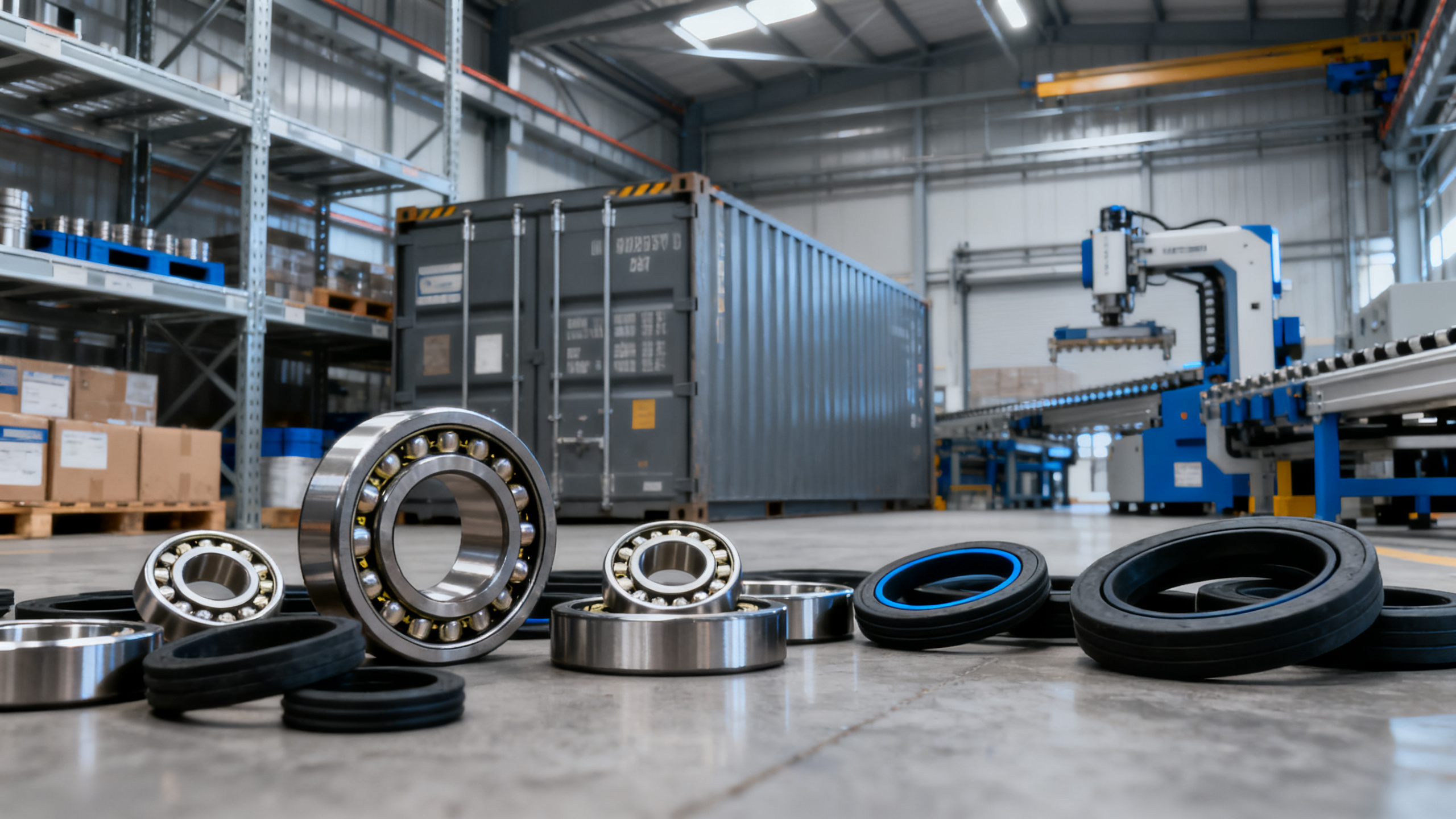
The measure covers rolling bearings, mechanical seals, and other Bearings & Seals products falling under all subheadings of HS 8482 and HS 8483. The duty period is stated as 200 days, running from July 15, 2026 to February 1, 2027.
The summary also confirms that the measure does not include a minimum price threshold. Based on the provided information, that means the temporary duty is framed around product scope and origin rather than being triggered only above or below a stated price floor.
Where the Pressure May Appear First in Business Operations
Cross-border sellers and shipment planners
From an industry perspective, exporters and direct trading companies are likely to feel the change first because the rule affects products by origin, tariff heading, and time window. The immediate business exposure is not only pricing, but also shipment planning, customs classification review, and contract execution for goods expected to enter India during the safeguard period. What deserves closer attention is whether product mapping under HS 8482 and 8483 has been checked carefully in commercial documents and internal trade records.
Indian buyers and procurement teams
For procurement teams purchasing bearings, mechanical seals, or related items covered by the stated HS headings, the issue is likely to move quickly from policy awareness to landed-cost control. Analysis shows that buyers may need to reassess sourcing schedules, quoted prices, and purchase timing for affected origin countries during the 200-day period. In practical terms, procurement, budgeting, and supplier communication become more sensitive once a temporary safeguard measure is already set with a defined start and end date.
Manufacturing and maintenance-linked demand
Manufacturers, equipment operators, and after-sales service teams may also need to pay attention where bearings and seals are recurring inputs or replacement parts. Observably, the effect may appear in replenishment planning, spare-parts availability discussions, and delivery commitments tied to imported components within the covered HS scope. The key issue is not only price, but whether purchasing and service teams have aligned part lists, technical descriptions, and import-facing documentation with the announced coverage.
Logistics, customs, and supply-chain support functions
Supply-chain service providers, customs support teams, and distribution intermediaries may need to focus on origin documentation, tariff classification consistency, and timing of customs entry. Analysis shows that when a temporary safeguard duty is broad in HS coverage and does not rely on a minimum price threshold, operational accuracy in documents can become more important across booking, declaration, invoicing, and handover stages.
Practical Issues Companies Should Track Now
Check product scope against HS 8482 and 8483
Companies handling Bearings & Seals products linked to India should first verify whether their affected items fall within the covered HS headings and subheadings referenced in the summary. Where internal product catalogs, quotations, customs descriptions, and technical sheets use different naming conventions, the immediate compliance task is to reconcile those records before shipment or procurement decisions are finalized.
Review origin-related documentation carefully
Because the announced measure is tied to products originating in China, South Korea, and Vietnam, origin-related records deserve close review. From a practical standpoint, businesses should pay attention to the consistency of origin declarations, commercial paperwork, and product identification materials used in trade and customs processes. The provided information does not supply further execution detail, so this should be treated as a current compliance checkpoint rather than a settled interpretation of all documentation requirements.
Revisit delivery windows during the 200-day measure period
Analysis shows that the stated implementation window from July 15, 2026 to February 1, 2027 is a key operational reference. Companies with deliveries, replenishment cycles, or tender-related supply commitments linked to India may need to examine whether shipment timing, acceptance timing, or procurement timing falls inside the temporary duty period. This is especially relevant where commercial decisions were made before the announcement date but delivery execution continues afterward.
Watch for downstream wording changes in tenders and purchase files
What deserves closer attention is not only the duty itself, but also how market participants may begin reflecting it in purchase specifications, bid documentation, cost assumptions, and supplier communications. The input does not provide later official clarifications, so companies should monitor whether the announcement leads to more specific wording in transaction documents or execution practices.
Why This Looks Like an Executable Trade Signal, Not Just Headline Noise
Observably, this development is better understood as an already landed rule change with immediate trade relevance, because the announcement includes a duty rate, covered origins, HS scope, and a defined 200-day application period. At the same time, it is not yet appropriate to treat every commercial consequence as fully settled, since the provided information does not include broader implementation detail, market reaction, or later interpretive guidance.
From an industry perspective, the main value of this update lies in its function as an execution signal. It tells companies that trade, procurement, customs, and supply planning for affected Bearings & Seals products should now be reviewed against an active safeguard framework rather than against prior assumptions.
How the Market Should Read This Development for Now
The most balanced reading is that India’s temporary 12% safeguard duty on covered imported bearings and seals is a real and time-bound rule change with direct implications for pricing, sourcing, customs handling, and delivery planning in the India-linked supply chain. Analysis shows that the event should currently be treated neither as a routine headline nor as a basis for sweeping conclusions, but as a concrete compliance and trade-development signal that requires close operational follow-through during the stated application period.
Basis of This Article and What Still Needs Verification
This article is based on the user-provided news title, event date, and event summary. For developments of this type, the source trail commonly relates to official announcements, releases from regulatory authorities, customs or trade-administration information, industry association updates, standards-related materials, and reporting by established media focused on trade and industry affairs.
No specific official source link was provided in the input, so the precise official publication record still needs to be verified on an ongoing basis. Further observation should focus on any later policy detail, implementation wording, customs practice, tender-document changes, market feedback, and how affected companies adjust procurement and delivery execution during the safeguard period.
Technical Specifications
- How to Select Electronic Hotel Key Card Locks for Guest Rooms and Staff AreasAuthor :Safety Compliance Lead
- How to Select Lab Instruments for Reliable Chemical Analysis WorkflowsAuthor :Precision Metrology Expert
- How to Size a UPS for Server Rooms: Load, Runtime, and Redundancy FactorsAuthor :Grid Infrastructure Analyst
Expert Insights

Chief Security Architect
Dr. Thorne specializes in the intersection of structural engineering and digital resilience. He has advised three G7 governments on industrial infrastructure security.
Related Analysis
- Sep 17, 2026How to Select Electronic Hotel Key Card Locks for Guest Rooms and Staff AreasAuthor :Safety Compliance Lead
- Sep 16, 2026How to Select Lab Instruments for Reliable Chemical Analysis WorkflowsAuthor :Precision Metrology Expert
- Sep 15, 2026How to Size a UPS for Server Rooms: Load, Runtime, and Redundancy FactorsAuthor :Grid Infrastructure Analyst
Core Sector // 01
Security & Safety
- Selecting Low-Friction Pneumatic Seals for High-Cycle, Low-Pressure CylindersAuthor :Heavy Industry Strategist

- Selecting Spherical Roller Bearings for Mining: Load, Contamination, and Service LifeAuthor :Heavy Industry Strategist

- Do Deep Groove Ball Bearings Need Special Seals in Coastal Humidity?Author :Heavy Industry Strategist

- How to Select Anti Vibration Rubber Shock Absorbers for Machinery and EquipmentAuthor :Heavy Industry Strategist

- When to Specify Induction Hardened Slewing Ring Bearings for Heavy-Duty EquipmentAuthor :Heavy Industry Strategist

- How to Evaluate Weather Resistant EPDM Extrusion for Outdoor Sealing ApplicationsAuthor :Heavy Industry Strategist

- Bearing and Seal Lead Times Stretch to 22 WeeksAuthor :Heavy Industry Strategist

- Angular Contact Ball Bearings Explained: Contact Angle, Load Capacity, and Common UsesAuthor :Heavy Industry Strategist