REACH SVHC Update Puts PPE Exports Under Review
Author
Date Published
Reading Time

On July 26, 2026, the European Chemicals Agency added 12 new substances, including TDCPP and IPBC, to the SVHC Candidate List under REACH. For companies involved in PPE and workwear exports to the EU, this is not just a regulatory update but a practical compliance trigger. Industrial protective clothing, safety gloves, and chemical-resistant aprons shipped from China to the EU now require renewed attention to chemical compliance, CE-related documentation validity, supply chain notification, and SDS updates before the October 31, 2026 deadline, with customs detention and market withdrawal emerging as immediate compliance risks.

What the July 26 REACH Update Confirmed
According to the provided information, ECHA formally added 12 new substances to the SVHC Candidate List on July 26, 2026. The substances specifically referenced in the event summary include the flame retardant TDCPP and the preservative IPBC.
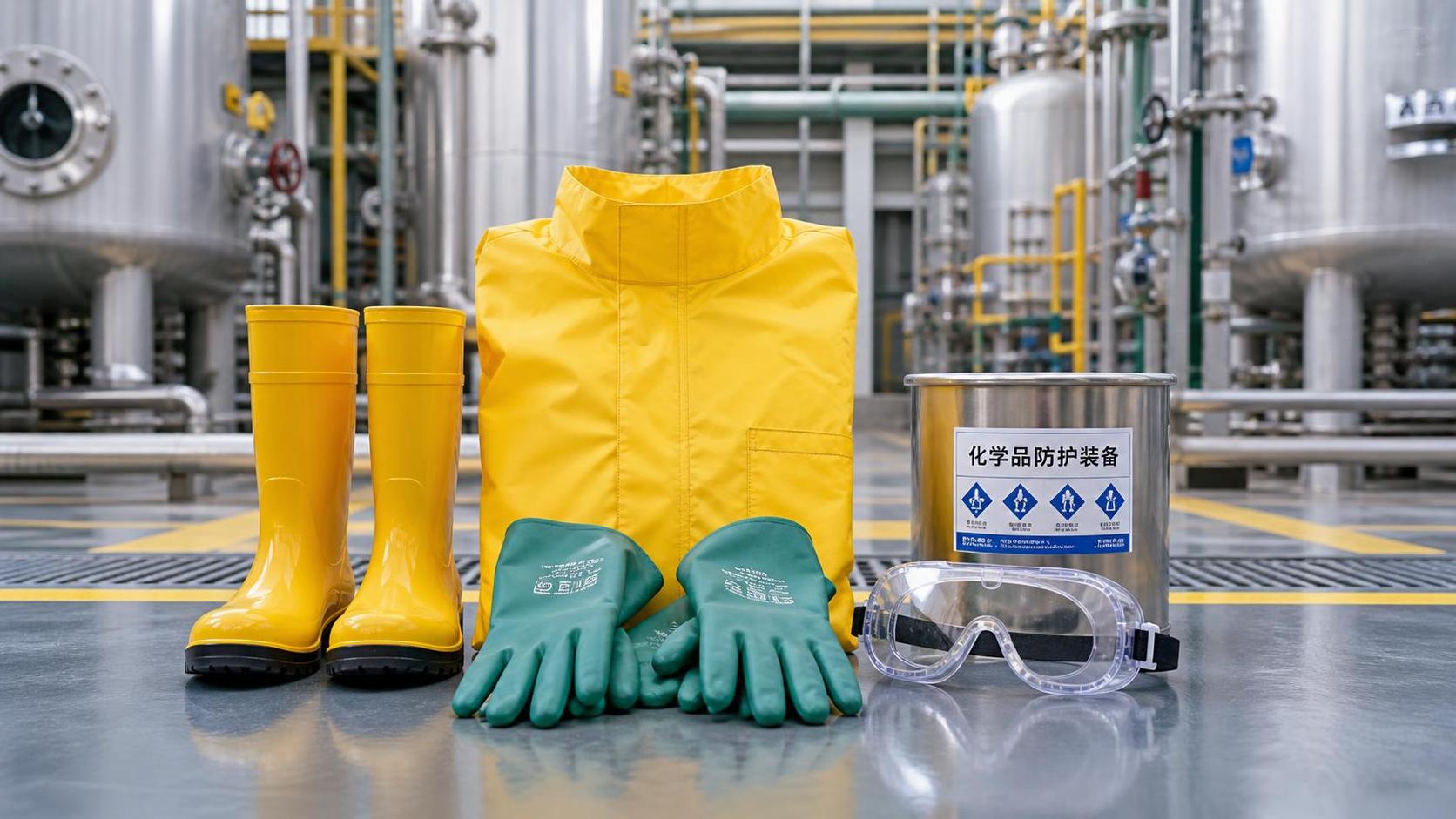
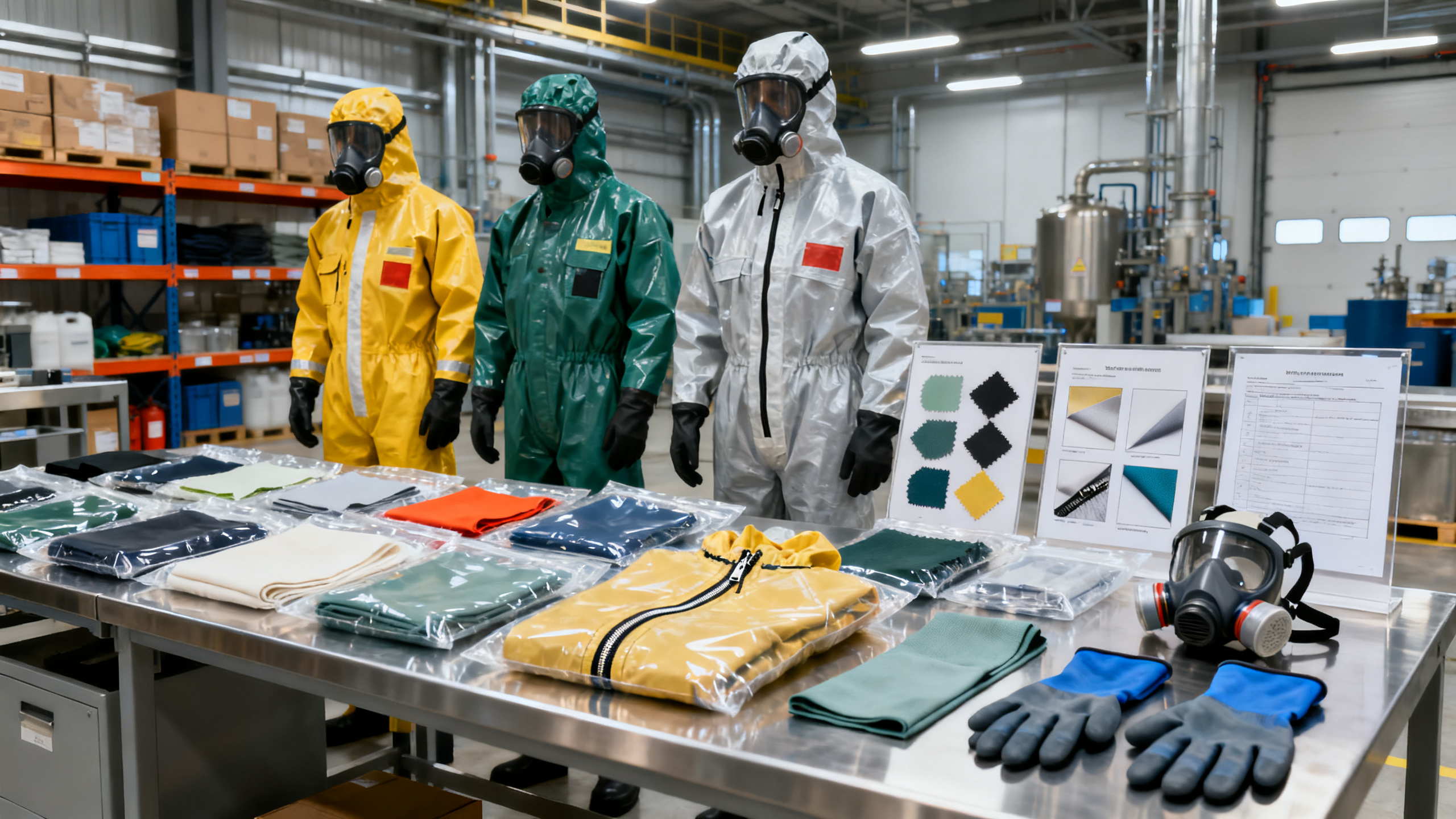
The update concerns the chemical compliance of PPE and workwear products. The products explicitly mentioned as affected include industrial protective clothing, safety gloves, and chemical-resistant aprons exported from China to the EU.
The same update directly affects the validity of CE certification-related compliance positioning for these products. Importers are required to complete supply chain notifications and update safety data sheets by October 31, 2026. Products that do not meet the updated compliance requirements may face customs retention or removal from the market.
Where the pressure now falls across the PPE chain
Export-facing suppliers will feel the first compliance impact
From an industry perspective, companies directly exporting PPE and workwear to the EU are likely to face the earliest operational pressure because the update is tied to market access risk. The main impact is likely to appear in shipment readiness, customer document requests, and product-level compliance review. What deserves closer attention is whether existing product files, declarations, and supporting materials still align with the updated substance list and the importer's timeline.
Manufacturers may need to revisit material and process documentation
Analysis shows that factories producing protective garments, gloves, and chemical-resistant items may be affected through their use of chemical inputs, coatings, finishes, or preservative systems. Even where production itself does not change immediately, the supporting evidence behind compliance claims may need review. The practical issue is less about broad process redesign at this stage and more about whether upstream material information is complete enough to support customer and importer reassessment.
EU importers and channel operators carry deadline risk
Observably, importers face a clear deadline-driven obligation because supply chain notification and SDS updates must be completed by October 31, 2026. For distributors and downstream channel participants, the risk is concentrated in inventory continuity, document completeness, and whether goods already in circulation can remain commercially usable without interruption. The event summary also makes clear that non-compliance may lead to customs detention or market withdrawal, which gives this group a direct commercial exposure.
Supply chain service providers will be drawn into verification work
From an industry perspective, testing, documentation, and trade support functions may also see increased workload because the update creates a need for faster information exchange between suppliers, exporters, and importers. What deserves closer attention is not just whether a product contains a listed substance, but whether the chain of evidence is organized well enough to withstand review within the required timeframe.
What companies should be checking now
Review affected product lines against the updated list
Companies handling industrial protective clothing, safety gloves, and chemical-resistant aprons should first identify which SKUs, materials, and formulations may intersect with the newly added SVHC substances. The immediate practical focus is to determine where renewed compliance assessment is necessary rather than assuming all existing approvals remain sufficient.
Prepare supply chain notifications and SDS updates around the deadline
The October 31, 2026 requirement makes timing a core issue. Businesses should pay close attention to whether supplier declarations, internal compliance records, and SDS documentation can be updated in time to support ongoing EU trade. The difference between a policy signal and a business disruption may come down to whether document preparation starts early enough.
Check the reliability of upstream supplier information
Analysis shows that the quality of supplier communication may become a bottleneck. Companies should focus on whether upstream partners can provide clear substance-related information, whether supporting materials are current, and whether document handover aligns with importer expectations. This matters because the event summary links non-compliance not only to paperwork gaps but to actual customs and market risk.
Align customer communication with compliance status
For exporters and manufacturers, customer communication deserves close attention. Buyers may ask whether CE-related compliance positioning is still valid under the updated SVHC list and whether revised SDS and related notices are already in place. A practical response plan should therefore connect technical review, document updates, and external communication rather than treating them as separate tasks.
Why this looks like more than a routine list update
Observably, this development should not be read as a simple administrative revision for the PPE and workwear trade. The confirmed deadline, the reference to CE certification validity, and the stated risk of customs detention and market withdrawal give it immediate operational weight. At the same time, it is more appropriate to understand this as a compliance adjustment point rather than a final indicator of broader structural change across the entire sector.
Analysis shows that the update functions in two ways at once. In the short term, it creates document and supply chain verification pressure for exporters, manufacturers, and importers. In a broader industry sense, it signals that chemical compliance in PPE is being judged not only by product performance but also by the speed and traceability of compliance response.
How this update is best understood for now
At this stage, the July 26 update is best understood as an actionable compliance development with near-term trade implications, especially for China-to-EU PPE flows. It already has direct relevance for product documentation, importer obligations, and shipment continuity. However, it should still be approached with discipline rather than exaggeration: the confirmed facts point to a real compliance reset for certain products, while the full business impact will depend on how quickly affected companies complete reassessment and documentation updates.
Basis of this article and points to keep verifying
This article is based on the user-provided news title, event date, and event summary. The content reflects the confirmed information provided: ECHA's July 26, 2026 addition of 12 new SVHC substances, the relevance to PPE and workwear chemical compliance, the stated impact on industrial protective clothing, safety gloves, and chemical-resistant aprons exported from China to the EU, the October 31, 2026 deadline for supply chain notification and SDS updates, and the risk of customs detention or market withdrawal for non-compliant products.
For this type of industry update, commonly relevant source categories include official regulatory announcements, company disclosures, industry association notices, authoritative media reporting, and standards-related documents. A specific official source link was not provided in the input, so it still needs to be verified on an ongoing basis. Follow-up attention should remain on any later official wording, implementation clarifications, and market-side compliance responses related to this SVHC update.
Technical Specifications
- How to Select Electronic Hotel Key Card Locks for Guest Rooms and Staff AreasAuthor :Safety Compliance Lead
- How to Select Lab Instruments for Reliable Chemical Analysis WorkflowsAuthor :Precision Metrology Expert
- How to Size a UPS for Server Rooms: Load, Runtime, and Redundancy FactorsAuthor :Grid Infrastructure Analyst
Expert Insights

Chief Security Architect
Dr. Thorne specializes in the intersection of structural engineering and digital resilience. He has advised three G7 governments on industrial infrastructure security.
Related Analysis
- Sep 17, 2026How to Select Electronic Hotel Key Card Locks for Guest Rooms and Staff AreasAuthor :Safety Compliance Lead
- Sep 16, 2026How to Select Lab Instruments for Reliable Chemical Analysis WorkflowsAuthor :Precision Metrology Expert
- Sep 15, 2026How to Size a UPS for Server Rooms: Load, Runtime, and Redundancy FactorsAuthor :Grid Infrastructure Analyst
Core Sector // 01
Security & Safety
- Can One Supplier Provide Both IEC- and ATEX-Certified Safety Equipment?Author :Safety Compliance Lead

- Are Dual IEC and NEC Safety Certifications Worth the Cost?Author :Safety Compliance Lead

- What Is the Difference Between Class I and Class II PPE?Author :Safety Compliance Lead

- Which Oil and Gas Safety Standards Should Contractors Meet Before Site Mobilization?Author :Safety Compliance Lead

- EU REACH Adds PFAS Cap for PPE WorkwearAuthor :Safety Compliance Lead

- How to Evaluate a Chemical Resistant Suit Supplier for Industrial Safety ProcurementAuthor :Safety Compliance Lead

- EU REACH Sets 50 ppb PFAS Cap for PPE WorkwearAuthor :Safety Compliance Lead

- EU Tightens PFOA Limit for PPE and Industrial Filter MediaAuthor :Safety Compliance Lead